Beef in a can, a staple in many pantries around the world, is a convenient and shelf-stable source of protein. But have you ever wondered what’s really in that can of beef? Let’s take a closer look at the nutrition facts and ingredients to uncover the truth.
Typical Ingredients:
- Beef (/generated from various cuts, including trimmings and meats from different parts of the cow)
- Water
- Salt
- Sodium nitrite (preservative)
- Sodium erythorbate (preservative)
- Spices
- Flavorings
Some brands may also include additional ingredients such as: * Textured soy flour * Mechanically separated meat (MSM) * Autolyzed yeast extract * Hydrolyzed vegetable protein
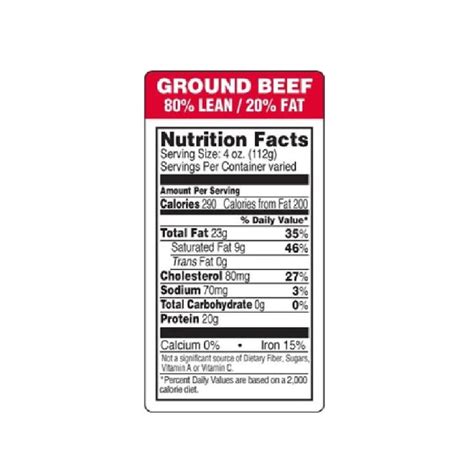
Nutrition Facts (per 3 oz serving):
- Calories: 150-200
- Protein: 20-25g
- Fat: 7-10g
- Saturated fat: 2-3g
- Cholesterol: 30-40mg
- Sodium: 400-600mg
- Total carbohydrates: 0-1g
- Dietary fiber: 0g
- Sugars: 0g
Vitamins and Minerals:
- Vitamin A: 0-2% of the Daily Value (DV)
- Vitamin C: 0-2% of the DV
- Calcium: 2-4% of the DV
- Iron: 10-15% of the DV
- Potassium: 8-12% of the DV
What to Watch Out For:
- High sodium content: Canned beef can be high in sodium, which may be a concern for those with high blood pressure or other cardiovascular conditions.
- Preservatives: Sodium nitrite and sodium erythorbate are commonly used preservatives in canned beef. While they help extend shelf life, some research suggests potential health risks associated with their consumption.
- Added fillers: Some brands may include fillers like textured soy flour or MSM, which can increase the product’s weight and reduce its overall quality.
Health Benefits:
- Convenient source of protein: Canned beef is a convenient and shelf-stable source of protein, making it an excellent option for emergency food supplies, camping trips, or busy weeknights.
- Rich in iron: Beef is a rich source of iron, an essential mineral that plays a critical role in healthy red blood cells.
- Supports healthy muscles: The protein in canned beef can help support muscle growth and repair, making it a popular choice among athletes and fitness enthusiasts.
Tips for Choosing the Best Canned Beef:
- Look for products with minimal ingredients and no added fillers.
- Choose brands that use low-sodium options or no-salt-added varieties.
- Consider purchasing canned beef from grass-fed or pasture-raised cows for potentially better nutritional profiles.
- Always check the expiration date and store cans in a cool, dry place to ensure optimal quality and safety.
In conclusion, while canned beef may not be the most glamorous food option, it can be a nutritious and convenient addition to a balanced diet. By understanding the ingredients, nutrition facts, and potential health benefits, you can make informed choices and enjoy canned beef as part of a healthy lifestyle.
Q: Is canned beef a healthy option?
+A: Canned beef can be a healthy option when chosen wisely. Look for products with minimal ingredients, low sodium content, and no added fillers. Additionally, consider purchasing canned beef from grass-fed or pasture-raised cows for potentially better nutritional profiles.
Q: How long does canned beef last?
+A: Canned beef can last for several years when stored properly. Always check the expiration date and store cans in a cool, dry place to ensure optimal quality and safety.
Q: Can I use canned beef in place of fresh beef?
+A: While canned beef can be a convenient substitute for fresh beef in some recipes, it's not always a direct replacement. Canned beef has a softer texture and a more pronounced flavor than fresh beef, so it's best to use it in recipes where these characteristics won't affect the final dish.
As you can see, canned beef can be a nutritious and convenient addition to a balanced diet. By understanding the ingredients, nutrition facts, and potential health benefits, you can make informed choices and enjoy canned beef as part of a healthy lifestyle.
Related Terms:
- Canned meat for humans
- Canned meats list
- Canned Beef
- Organic canned beef for humans