

Whmcs Billing Invoice Overview
You've got your steak cuts chart at hand, ready to navigate the world of beef cuts with ease. This handy reference tool is a lifesaver for any cooking enthusiast, offering a quick glance at the various cuts and their unique characteristics. The steak cuts chart provides a simple visual guide, ensuring you choose the right cut for your culinary creation. While formats may vary, the essence remains the same: a practical tool to elevate your steak game.
A Practical Guide to Understanding the Steak Cuts Chart
The steak cuts chart is your go-to reference for all things steak-related. It's a visual guide that helps you navigate the world of steak cuts, making it easier to choose the perfect cut for your culinary adventures. This chart is a valuable tool for both beginners and experienced cooks.
Comparing Steak Cuts: Standard Sizes and Popular Variations
The steak cuts chart typically displays different cuts of beef, organized by their names and standard sizes. You'll find classic cuts like ribeye, sirloin, and tenderloin, each with its own unique characteristics. These charts often follow regional or industry standards, so you might see variations in measurements or names depending on where you are. For instance, a ribeye steak can range from 1 to 1.5 inches thick, but some charts may specify a slightly different thickness.
How to Use the Steak Cuts Chart: A Step-by-Step Guide
Start by identifying the type of steak you want to cook. The chart will provide a visual representation of each cut, making it easy to recognize.
Check the thickness or weight of the steak. This information is crucial for cooking times and methods. Most charts will give a standard range, but always double-check the exact specifications on the package or with your butcher.
Consider the fat content and marbling. Some charts will indicate the amount of fat, which can impact the flavor and juiciness of your steak.
Choose the right cut for your cooking method. Different cuts are better suited for grilling, pan-searing, or slow cooking. The chart can guide you on which cuts work best for your preferred cooking style.
Avoiding Missteps: Common Pitfalls and How to Avoid Them
While the steak cuts chart is a fantastic resource, it's essential to be aware of potential variations. Always remember that charts might not cover every single cut or variation. For instance, some specialty butchers may offer unique cuts with different names or sizes. Additionally, cooking times and methods can vary based on personal preference and the specific cut's thickness. It's always a good idea to consult multiple sources or ask your butcher for advice to ensure you're getting the best cut for your needs.
Well, that's a wrap on our steak cuts chart adventure! We've covered a lot of ground, from understanding the different cuts to learning how to use our handy guide. Now you're equipped with the knowledge to make informed choices and impress your steak-loving friends.
Remember, while this chart is a great tool, it's always wise to double-check the specifics for your region or personal preferences. Exact values might vary, so it's good to be aware of any local standards or your own unique requirements. Consider bookmarking this page for future steak adventures—it'll be a lifesaver when you need a quick refresh!
Related: RSMeans Cost Estimating Essential Guide
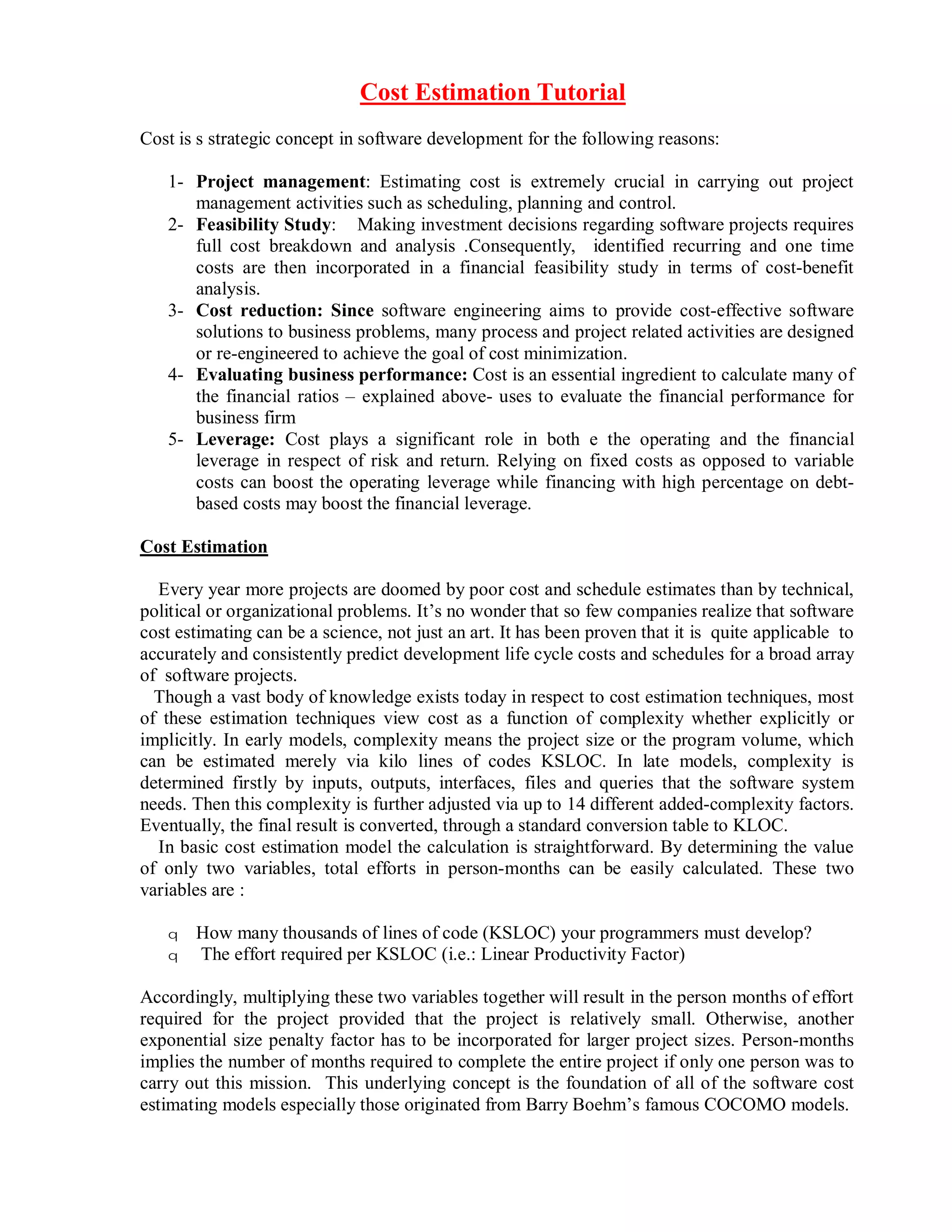
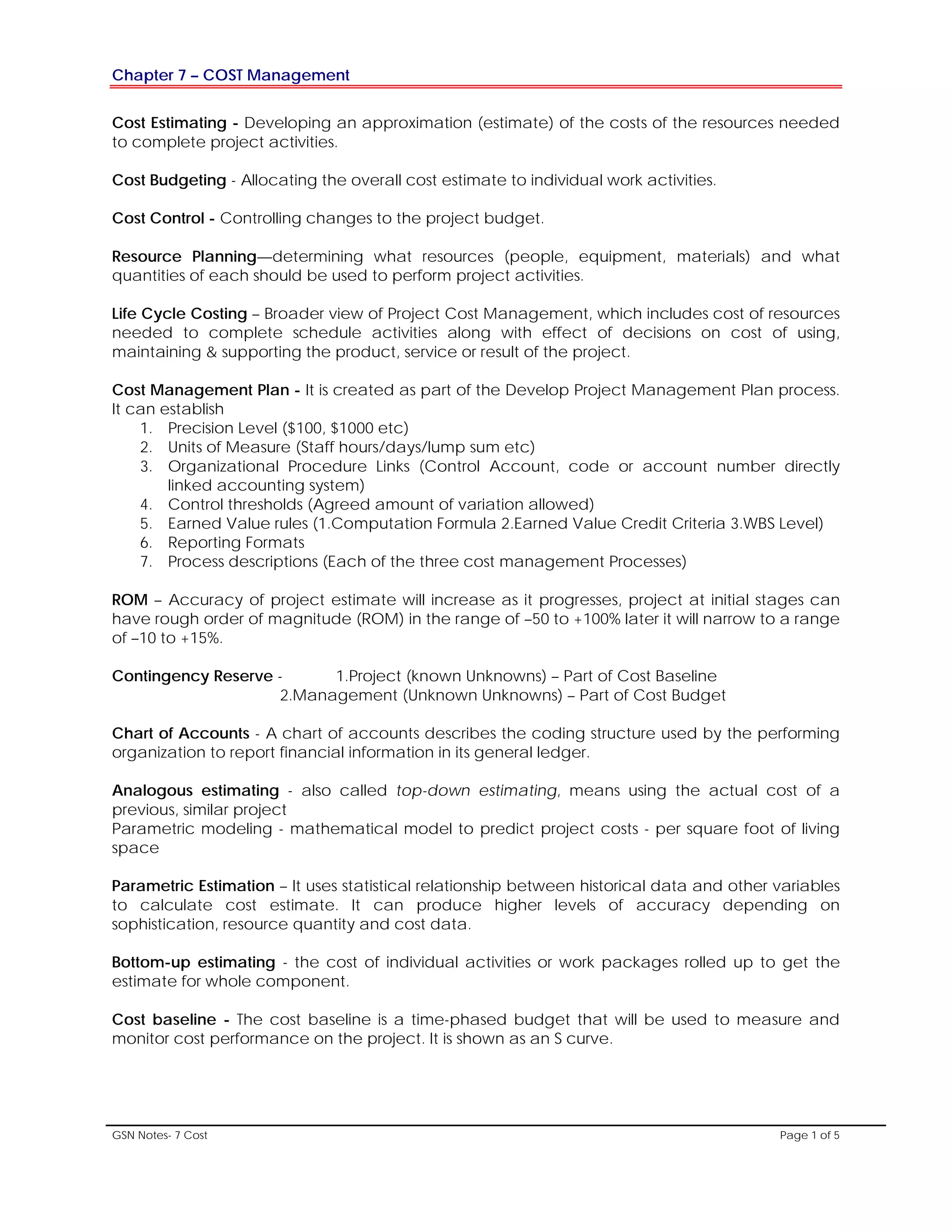
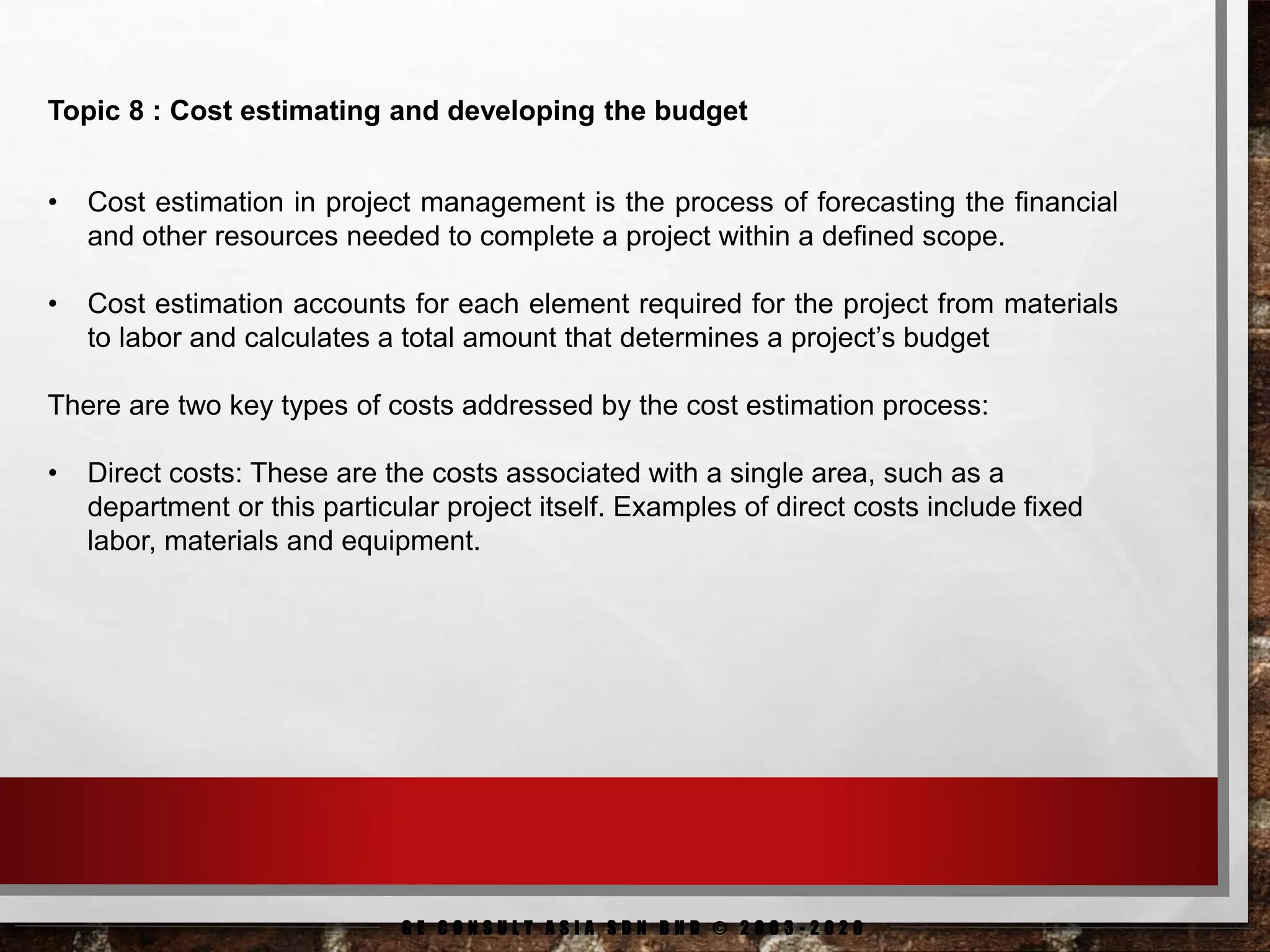
I was chatting with a friend the other day, and they mentioned how they wanted to do some home renovations but were overwhelmed by the costs. That got me thinking about means cost estimating and how it can help us navigate these projects. So, let's break it down and see what it's all about!
Understanding Means Cost Estimating
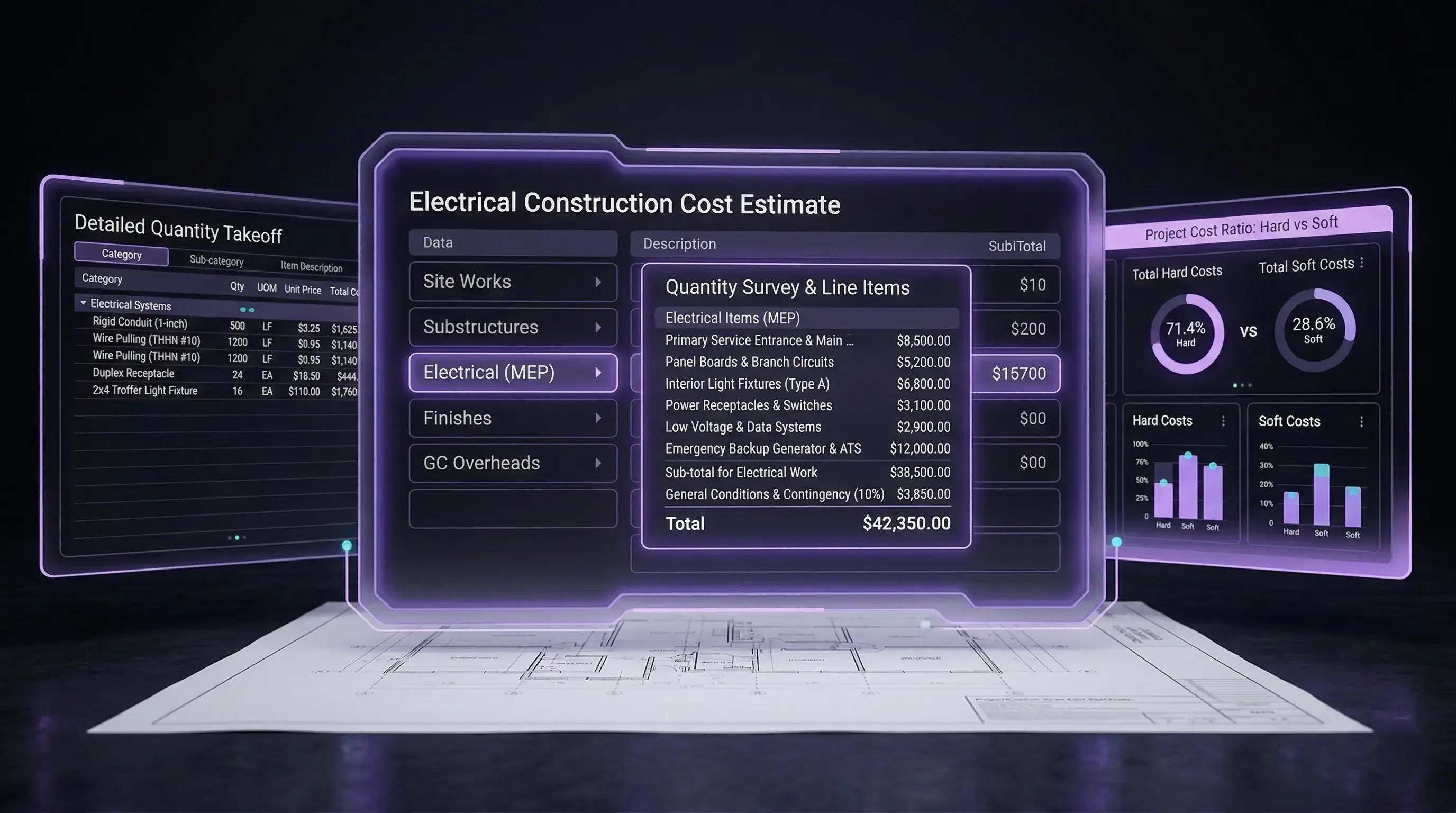
Means cost estimating is a method used in the construction industry to calculate and predict the expenses of a project. It's like a roadmap for builders, helping them plan and budget effectively. This process considers various factors, such as materials, labor, equipment, and even unexpected costs, to provide an accurate estimate. It's a crucial step for any construction project, big or small, and it ensures that you, as a homeowner or business owner, have a clear idea of what you're getting into financially.
What Affects the Cost?
The cost of a construction project can vary greatly depending on several factors. For instance, the size and complexity of the project play a significant role. A simple bathroom renovation will differ greatly from a full-scale house addition. The materials chosen also impact the budget; high-end finishes will cost more than basic ones. Additionally, labor costs can vary by region and the availability of skilled workers. It's essential to get multiple quotes to compare and understand these variations.
Hiring a Contractor
When it comes to hiring a contractor, there are a few things to consider. First, check their credentials and experience. Ask for references and examples of their previous work. A good contractor will provide a detailed estimate, outlining the costs and scope of the project. Ensure they have the necessary licenses and insurance. It's also beneficial to ask about their process and how they handle unexpected issues. A transparent and communicative contractor is often a good sign.
Construction Company Names
Naming a construction company is an important step. It should be memorable, reflect your business values, and stand out. Some construction company names I've come across that I quite like are:
- Build-It-Right
- HomeCrafters
- SkyHigh Construction
- Earthbound Builders
- Structure Solutions
- Renova Renovations
Remember to check the availability of these names and secure the relevant domains and local registrations.
Jobs and Opportunities
The construction industry offers a range of jobs, and means cost estimating is just one aspect. There are roles for estimators, project managers, site supervisors, and more. These jobs often involve working with clients, understanding their needs, and providing solutions. Many construction companies post job openings on their websites or local job boards. It's a great industry to be in, offering a variety of career paths and the satisfaction of seeing your work come to life.
Industry Tools and Resources
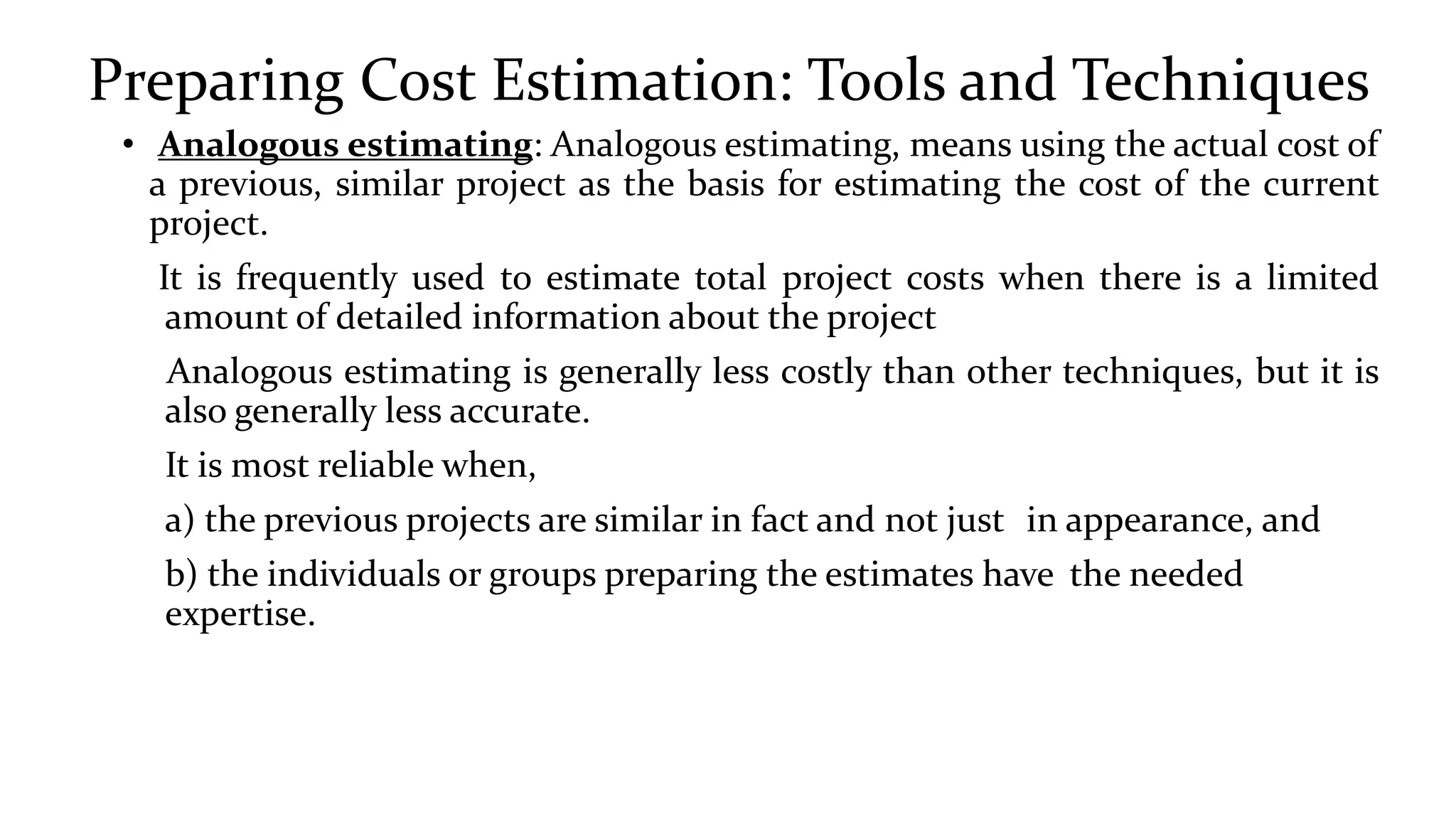
Means cost estimating often utilizes tools like RSMeans, a comprehensive database that provides cost data for various construction projects. It's a valuable resource for estimators and contractors, offering accurate information on material and labor costs. Additionally, the industry uses cost indexes to track and predict price fluctuations, ensuring estimates remain relevant. These tools help keep the construction industry efficient and competitive.
Large vs. Small Firms
The construction industry has a range of companies, from small, local businesses to large, national firms. Small firms often provide a more personalized service and may be more flexible with pricing. They tend to focus on local projects and have a deep understanding of the community. Large firms, on the other hand, have the resources to take on bigger projects and often have a wider reach. They may offer more specialized services and have a broader network of connections.
Wrapping Up
So, there you have it! Means cost estimating is a vital process in the construction world, helping us understand and manage costs effectively. Whether you're a homeowner planning renovations or a business owner looking to expand, it's a tool that can provide valuable insights. Remember, when it comes to construction, knowledge is power, and a well-informed decision is always the best one.
Related: Media Room Renovation Cost Essential Guide
I've just finished a home project and was thinking about the next one. Media room renovation cost is something I'm curious about, as it's a big job and I want to get it right. I've heard it can be expensive, but I'm not sure what the typical costs are or how to plan for it. I need to know what to expect and how to make sure I get a good deal.
Understanding Media Room Renovation Costs
So, you're thinking about transforming your space into a media room haven? It's an exciting project, but media room renovation cost can be a big consideration. Let's break it down and explore what factors influence the price tag.
The cost of your media room renovation will depend on several key elements. Firstly, the size of the room and the scope of work required. Are you converting an existing space or starting from scratch? The more complex the design and the larger the room, the higher the cost will likely be.
Materials play a significant role too. From high-end audio-visual equipment to comfortable seating and stylish decor, the choices you make will impact the overall expense. It's a balance between your vision and your budget.
Labor costs are another crucial factor. Hiring skilled professionals to handle the electrical work, soundproofing, and installation of specialized equipment can add up. It's important to get quotes from reputable contractors to ensure a smooth and efficient renovation process.
Finding the Right Contractor
When it comes to hiring a contractor for your media room renovation, there are a few key things to consider. First, check their qualifications and experience. You want someone who specializes in home remodeling and has a proven track record. Ask for references and read reviews to get a sense of their work.
Get multiple quotes to compare prices and services. A good contractor will provide a detailed breakdown of costs, so you know exactly what you're paying for. Don't just go for the cheapest option; consider the value and quality of the work offered.
Construction Companies and Names
The construction industry is diverse, with companies of all sizes. When it comes to media room renovations, you'll likely be looking for a specialized home remodeling contractor. These companies focus on residential projects and can offer personalized services.
Choosing a name for your construction business is important. It should be memorable and reflect your brand. Some ideas could be:
- BuildCraft
- Home Innovation Group
- Remodel Pros
- Design & Build Co.
- The Renovators
- Modern Spaces
Remember to check name availability and secure the right domain and local registrations.
Industry Insights and Jobs
The construction industry offers a range of roles, from estimators who calculate costs to project managers overseeing renovations. These jobs are in demand and often involve working with various professionals.
As for salaries, they can vary based on experience and the company's size. Larger firms may offer competitive packages, while smaller businesses might provide a more personalized work environment. Job boards and industry-specific websites are great places to start your search.
Data and Tools for Estimating Costs
When it comes to estimating media room renovation cost, tools like RSMeans can be invaluable. These databases provide cost information for various construction projects, helping contractors and homeowners alike. They offer insights into material and labor expenses, ensuring accurate quotes.
For a media room renovation, you'll want to consider the cost escalation over time. This accounts for potential price increases due to market fluctuations and helps you budget effectively. It's a valuable tool for long-term planning.
Big Picture: Industry and Market
The construction industry is diverse, with a range of companies from small, family-run businesses to large corporations. Larger firms often have the resources for bigger projects and can offer competitive pricing. However, smaller companies might provide more personalized service and attention to detail.
The market outlook is an important consideration. Construction trends and economic factors can impact the industry. Staying informed about these changes can help you make smart decisions when planning your media room renovation.
Final Thoughts
Renovating a media room is an exciting project, and understanding the media room renovation cost is crucial. From materials to labor, there are many factors to consider. By researching and comparing quotes, you can make an informed decision and create your dream media room within your budget.