

Wild Kratts Coloring Pages Overview
Frustrated by the endless search for the right information? You're not alone. Many pet owners find themselves seeking a quick, reliable guide to navigate the apoquel dose chart and ensure their furry friends receive the correct dosage. This chart is a crucial tool, offering a simple yet effective way to determine the appropriate treatment for canine allergies. With variations in dosing based on factors like weight and region, having a clear, accessible reference is essential.
Understanding the Apoquel Dose Chart
The apoquel dose chart is a valuable tool for pet owners and veterinary professionals, offering a clear guide to administering the correct dosage of apoquel, a medication used to treat canine allergies. This chart simplifies the process, ensuring your dog receives the right amount based on their weight.
Key Details and Categories
The apoquel dose chart typically presents two main categories: weight ranges and corresponding dosage recommendations. Weight is a critical factor, as it determines the appropriate dose. The chart provides a range of weights, often in kilograms or pounds, with the recommended dosage for each range. This ensures accuracy and safety in medication administration.
Step-by-Step Guide: Reading and Applying the Chart
Follow these steps to accurately use the apoquel dose chart:
- Weigh your dog accurately. Ensure the scale is suitable for your dog's size and provides precise readings.
- Locate your dog's weight on the chart. If their weight falls within a range, choose the dosage for the lower weight in the range. For instance, if your dog weighs 15 kg and the range is 15-20 kg, select the dosage for 15 kg.
- Measure the dosage precisely. Use the appropriate measuring tool, such as a syringe or oral dispenser, to ensure an accurate dose.
- Administer the medication as directed. Follow the instructions for the frequency and timing of doses, typically twice daily for the first two weeks and then once daily thereafter.
Variations and Differences
It's important to note that apoquel dose charts may vary slightly depending on the region and the specific manufacturer's guidelines. Factors like the dog's age, breed, and overall health may also influence dosage, so it's crucial to consult with a veterinarian for personalized advice. Additionally, the chart provides a general guide, and individual cases may require adjustments.
- Key factors influencing dosage:
- Weight of the dog
- Manufacturer's guidelines
- Region-specific standards
- Dog's age and breed
- Overall health condition
Common Dosage Mistakes and How to Avoid Them
To ensure accurate dosing:
- Always refer to the most recent apoquel dose chart provided by your veterinarian or the medication's packaging.
- Avoid rounding up or down when determining the dosage. Stick to the precise weight and corresponding dosage.
- Be mindful of the medication's expiration date and storage instructions to maintain its effectiveness.
- Consult your veterinarian if you have any concerns or questions about the dosage or your dog's response to the medication.
Remember, while the apoquel dose chart is a helpful guide, it's essential to prioritize your dog's health and well-being. Regular communication with your veterinarian is key to ensuring the best care for your canine companion.
Remember that while this chart provides a valuable reference, the exact doses and guidelines may differ slightly depending on various factors. It's always a good idea to consult with a veterinarian for personalized advice and to ensure the best care for your furry friend.
Feel free to bookmark this page for future use, and don't forget to check out our other practical guides for pet owners! We aim to make your life a little easier with these handy resources.
Related: Pistons Depth Chart: A Simple Reference Guide
A pistons depth chart is a valuable tool for anyone seeking a quick reference guide to understand engine specifications. This straightforward visual aid offers a clear overview of piston measurements and their placement within an engine's cylinder.
The chart provides a simple yet effective way to compare and contrast piston sizes, bore and stroke dimensions, and even engine displacement. It's a handy resource, especially when considering the variety of standards and units used in automotive engineering, from metric to imperial.
Understanding the Pistons Depth Chart
The pistons depth chart is a valuable tool for automotive enthusiasts and professionals alike, offering a concise overview of piston sizes and their corresponding specifications. This chart serves as a quick reference guide, aiding in the identification and selection of the right piston for various engine configurations.
Key Details and Categories
When examining a pistons depth chart, you'll encounter a range of critical information. The chart typically displays piston sizes, often referred to as bore and stroke dimensions, which define the piston's diameter and the distance it travels within the cylinder. These values are usually provided in both metric and imperial units, catering to diverse regional standards. Additionally, the chart may include engine displacement, a crucial parameter indicating the engine's capacity, often measured in cubic centimeters (cc) or liters (L).
Reading and Applying the Chart
To utilize the pistons depth chart effectively, follow these steps:
Identify the Piston Size: Start by determining the piston size you need. This is typically specified by the engine manufacturer or can be measured directly from the engine.
Locate on the Chart: Refer to the chart and locate the piston size you require. The chart will provide a clear layout, often organized by piston diameter and stroke length.
Check Specifications: Once you've found the relevant piston size, review the accompanying specifications. These may include the piston's material, compression ratio, and any specific features or design considerations.
Compare and Select: Compare the chart's specifications with your engine's requirements. Ensure the piston's dimensions and characteristics align with your engine's needs.
Verify with Manufacturer: While the pistons depth chart offers a comprehensive overview, it's essential to double-check with the manufacturer or refer to the engine's manual for precise specifications and tolerances.
Variations and Differences
Pistons depth charts can vary depending on several factors. Here are some key considerations:
Regional Standards: Different regions may use distinct measurement systems, such as the metric system (common in many countries) or the imperial system (predominant in the United States). These variations can impact the units and values presented on the chart.
Manufacturer Preferences: Each engine manufacturer may have its own preferred piston sizes and specifications. This can lead to slight variations in piston dimensions and design features.
Engine Type and Application: The intended use of the engine, whether for a car, motorcycle, or marine application, can influence the piston's design and size. Different applications may require specific piston characteristics.
Common Mistakes and How to Avoid Them
To ensure accurate selection and avoid common pitfalls, consider the following:
Misinterpreting Units: Be mindful of the units used on the chart. If you're accustomed to a particular system, ensure you understand the conversions between metric and imperial units.
Overlooking Manufacturer Specifications: While the pistons depth chart provides a general guide, it's crucial to refer to the manufacturer's specifications for precise details. This ensures compatibility and optimal performance.
Ignoring Engine Type: Different engine types, such as four-cylinder, six-cylinder, or V-type engines, may have unique piston requirements. Ensure you select the appropriate piston size for your specific engine configuration.
Practical Tips for Accurate Results
For the best results when working with a pistons depth chart, keep these tips in mind:
Measure Twice: When determining the piston size you need, take accurate measurements. Double-check your readings to ensure precision.
Consult Experts: If you're unsure about the piston selection or have specific engine modifications, seek advice from automotive engineers or experienced mechanics. Their expertise can guide you toward the best choice.
Stay Updated: Pistons and engine technology evolve. Stay informed about the latest advancements and updates to ensure you're working with the most current information and specifications.
So, with your new understanding of the pistons depth chart and its practical applications, you're now equipped to navigate this aspect of your project with ease. Remember, the key is to refer to the appropriate standards and guidelines for your specific context, as exact values can vary.
Take a moment to ensure you have all the necessary information and resources at hand. Then, feel free to explore our other guides and resources, where you'll find a wealth of information to support your work and keep your projects running smoothly.
Related: Understand Rim Offset Chart: A Visual Guide
A rim offset chart is a valuable tool for anyone seeking precise wheel and tire fitment information. This guide will navigate you through the essentials, ensuring you understand the chart's purpose and how to interpret its data accurately.
The chart provides a quick reference for wheel offset, a critical measurement that ensures your wheels are correctly positioned on the vehicle. While values may vary depending on standards and regional practices, the rim offset chart offers a standardized overview, often accompanied by related charts for rim size and bolt patterns, aiding in the perfect wheel fitment.
Understanding Rim Offset Charts
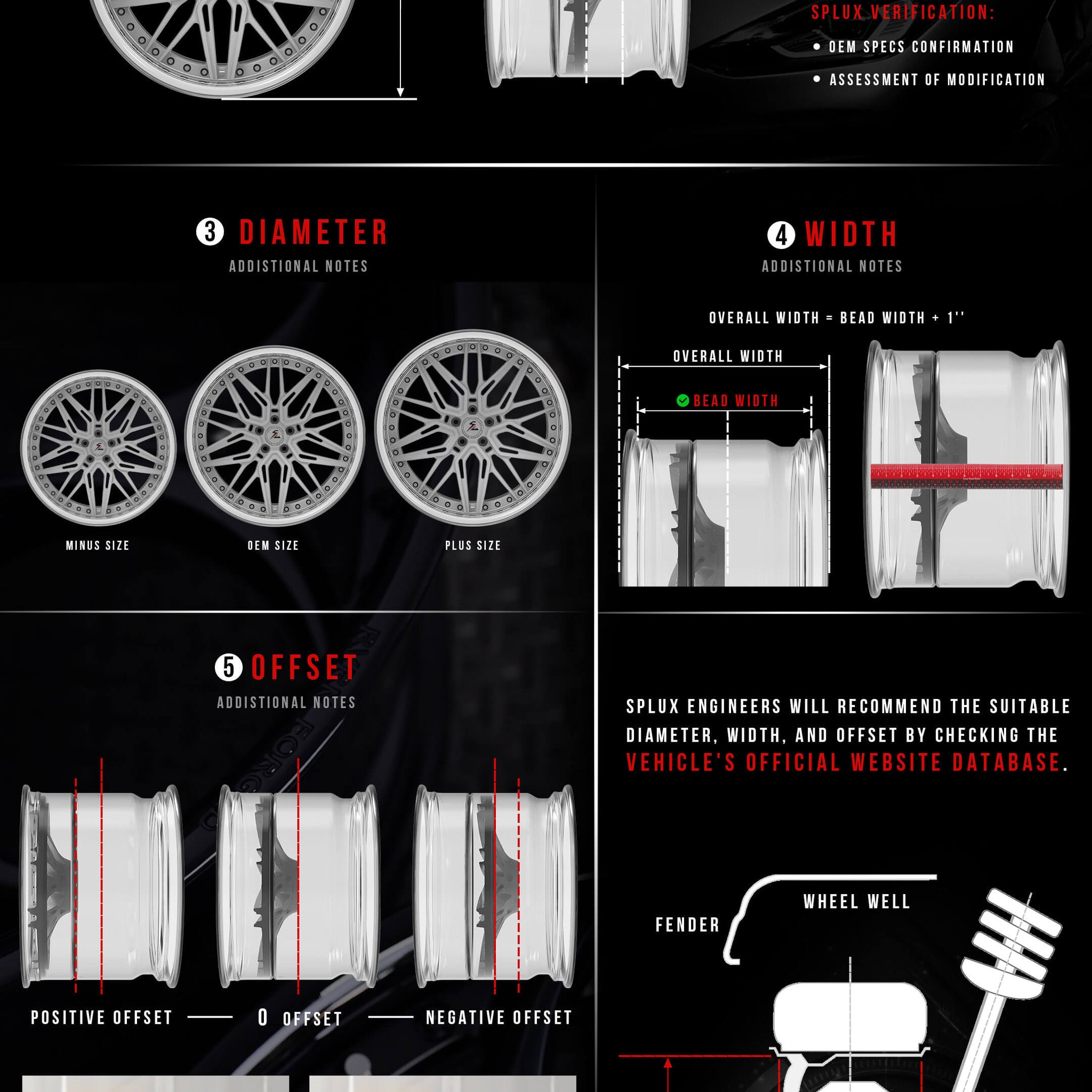
A rim offset chart is a valuable tool for anyone involved in automotive wheel fitment and customization. It provides a visual representation of the various offset values, helping users determine the correct rim specifications for their vehicle. This chart is an essential reference guide, offering a quick and accurate way to match rim sizes and offsets to ensure proper wheel fitment.
Key Details and Categories
The rim offset chart typically includes three critical dimensions: the offset, rim width, and wheel diameter. The offset is the distance from the wheel's centerline to the hub mounting surface. It is measured in millimeters (mm) and is a crucial factor in wheel fitment. Rim width refers to the distance between the inner and outer flanges of the rim, also measured in mm. Wheel diameter, on the other hand, is the size of the wheel, usually expressed in inches. These three measurements are the foundation of the chart, allowing users to identify the correct rim specifications.
Reading the Chart: A Step-by-Step Guide
- Start by identifying the wheel diameter you require. This is typically based on the vehicle's make and model.
- Locate the corresponding wheel diameter on the chart. The chart will often have a column or section dedicated to different wheel diameters.
- Next, find the desired rim width. Rim widths are usually listed in a separate column adjacent to the wheel diameter section.
- Once you have identified the wheel diameter and rim width, you can read the offset value. The offset is typically presented as a range of values for each combination of wheel diameter and rim width.
- Choose an offset value within the range that suits your preferences and the vehicle's requirements. A positive offset indicates the wheel is positioned towards the vehicle's exterior, while a negative offset moves it inward.
- Cross-reference the chosen offset with the rim width and wheel diameter to ensure they align. This step is crucial to avoid any fitment issues.
Variations and Differences
It's important to note that rim offset charts can vary depending on the standard being used. Different regions and manufacturers may have slight variations in their charts, so it's essential to refer to the appropriate chart for your specific needs. Additionally, some charts may provide a broader range of offset values to accommodate various vehicle modifications and customizations. Always check the chart's specifications and ensure it aligns with your vehicle's requirements.
Common Mistakes and How to Avoid Them
One common mistake is selecting an incorrect offset, which can lead to wheel interference with suspension components or improper tire wear. To avoid this, always double-check the offset value and ensure it falls within the recommended range for your vehicle. Another pitfall is neglecting to consider the overall width of the wheel and tire combination. Ensure the total width, including the tire, fits within the vehicle's wheel wells to avoid rubbing or clearance issues.
Practical Tips for Accurate Results
When using a rim offset chart, it's beneficial to have a basic understanding of wheel fitment principles. Consider the vehicle's stock offset and how modifications, such as lowering or lifting, can impact the optimal offset choice. Additionally, be mindful of the wheel and tire package's overall width and ensure it fits within the vehicle's wheel arches. Regularly consult the rim offset chart during the selection process to make informed decisions and achieve the desired look and performance.
Well, there you have it! A comprehensive guide to understanding rim offset charts and their practical applications. Remember, these charts are a valuable tool, but it's essential to consider your specific needs and the context in which you're using them.
The world of rim offsets is a fascinating one, offering precision and accuracy for those who need it. So, before you put your new-found knowledge into practice, take a moment to ensure you've got the right information for your unique situation. Consider any variations in standards or specific requirements, and you'll be all set. And don't forget, this guide is here for you whenever you need a quick refresh—just bookmark it, and it'll be at your fingertips!