


Wire Color Chart Blank Overview
A bike length chart is often misunderstood as a complex and confusing tool, but it's actually a simple and handy reference for any cyclist. Many riders assume it's an exact science, but the truth is, these charts are versatile and offer a range of options.
While it's a great starting point, the measurements can vary depending on your riding style and preferences. The chart provides a guide, but you can adjust and personalize your bike setup with a few simple checks, like seat height and reach.
Understanding the Bike Length Chart
The bike length chart is a handy tool for cyclists, offering a simple guide to choosing the right bike size. It's a reference point, helping you find the ideal fit for your height and riding style. This chart is a great starting point, but it's important to remember that it's not an exact science; there are other factors to consider too.
Comparing Bike Size Options
Bike size charts typically list bike frame sizes, often in inches or centimeters, and match them to rider height. You'll find charts for different bike types, like road, mountain, or hybrid bikes, each with its own size standards. These charts may also include other measurements like wheel diameter and seat height, offering a more comprehensive guide.
Choosing the Right Size: A Step-by-Step Guide
Start by identifying your primary use for the bike. Different riding styles require different fits. For example, a road bike might need a more aggressive position, while a leisure rider might prefer a more upright, comfortable position.
Check your height and compare it to the chart. Most charts will have a range of heights for each frame size, so find the one that best fits your height.
Consider your comfort and riding style. If you're between sizes, choose the larger frame for a more relaxed position, or the smaller for a more aggressive, performance-oriented fit.
Don't forget about other measurements. Check the wheel diameter and seat height to ensure they align with your preferences and riding needs.
Common Misreadings and How to Avoid Them
It's easy to misinterpret a bike length chart. One common mistake is assuming the chart is an exact science. While it's a great guide, it's not a guarantee of a perfect fit. Another pitfall is forgetting to consider other measurements, like reach and standover height, which can impact comfort and safety.
Factors Affecting Accuracy
Several factors can influence the accuracy of your bike size choice. These include your riding style, personal preferences, and the specific brand and model of the bike. It's always a good idea to double-check the exact specifications and tolerances of the bike you're interested in. Some brands may have slightly different standards, so it's worth checking their size guides too.
Well, there you have it! A handy bike length chart is a great tool to have in your cycling toolkit. It offers a quick and easy reference, but remember, it's always good to double-check the specific details for your bike's make and model.
Exact values can vary slightly, so it's best to confirm with your bike's manufacturer or a trusted bike shop. This chart is a brilliant starting point, but your bike's unique features might require a little extra attention. So, keep this page bookmarked for future reference, and you'll always have a quick and handy guide to refer to when needed!
Related: Boys Size Chart: A Simple Guide
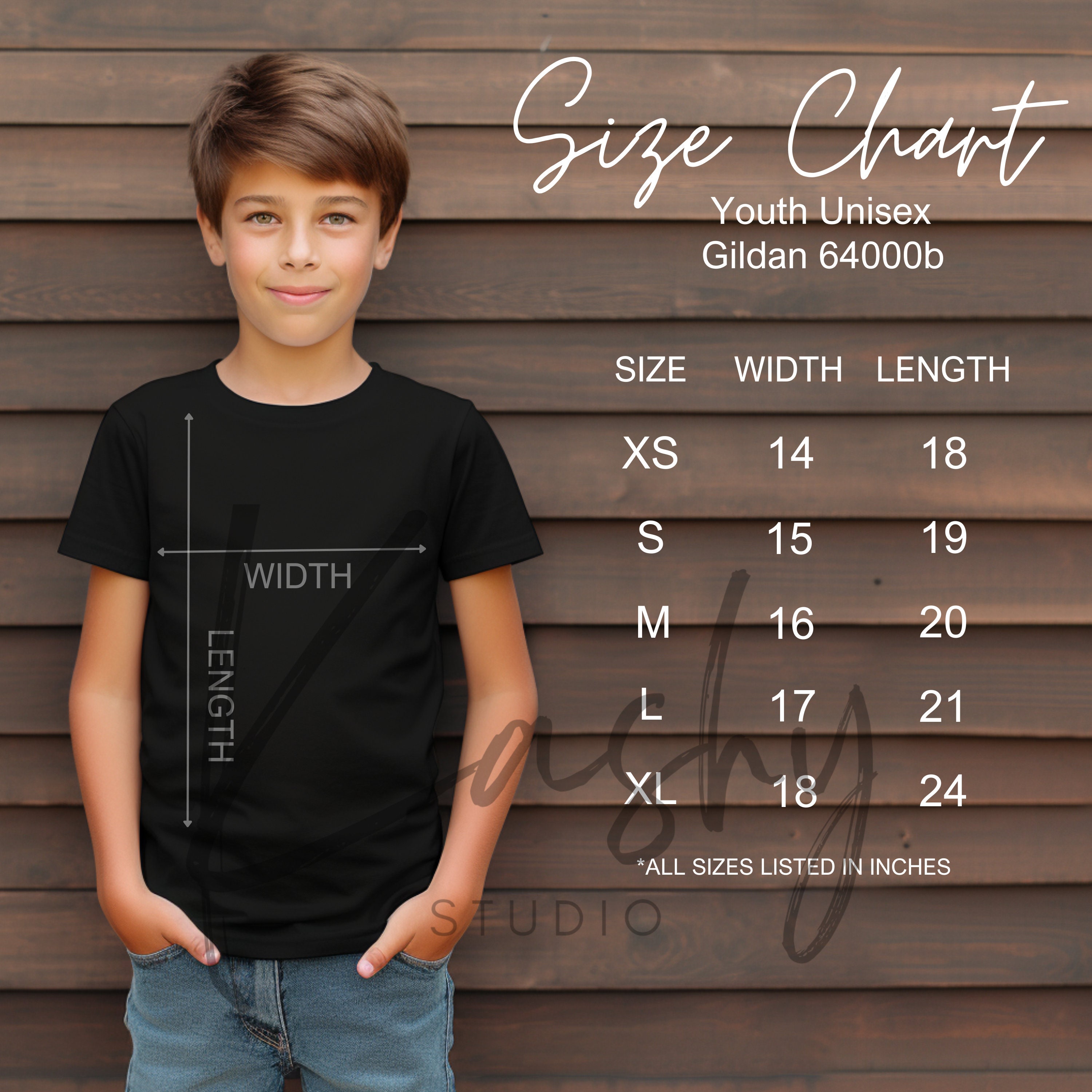
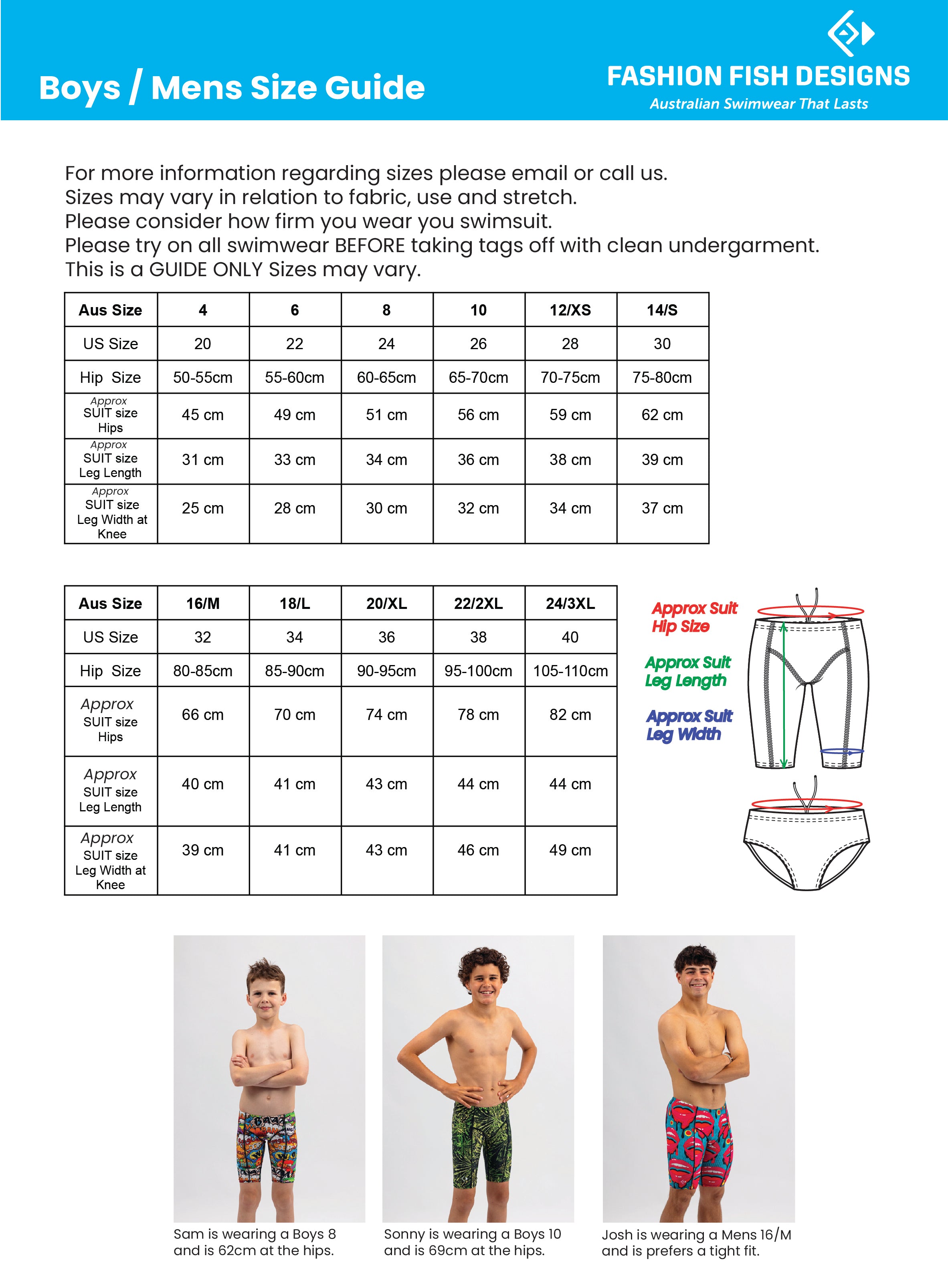
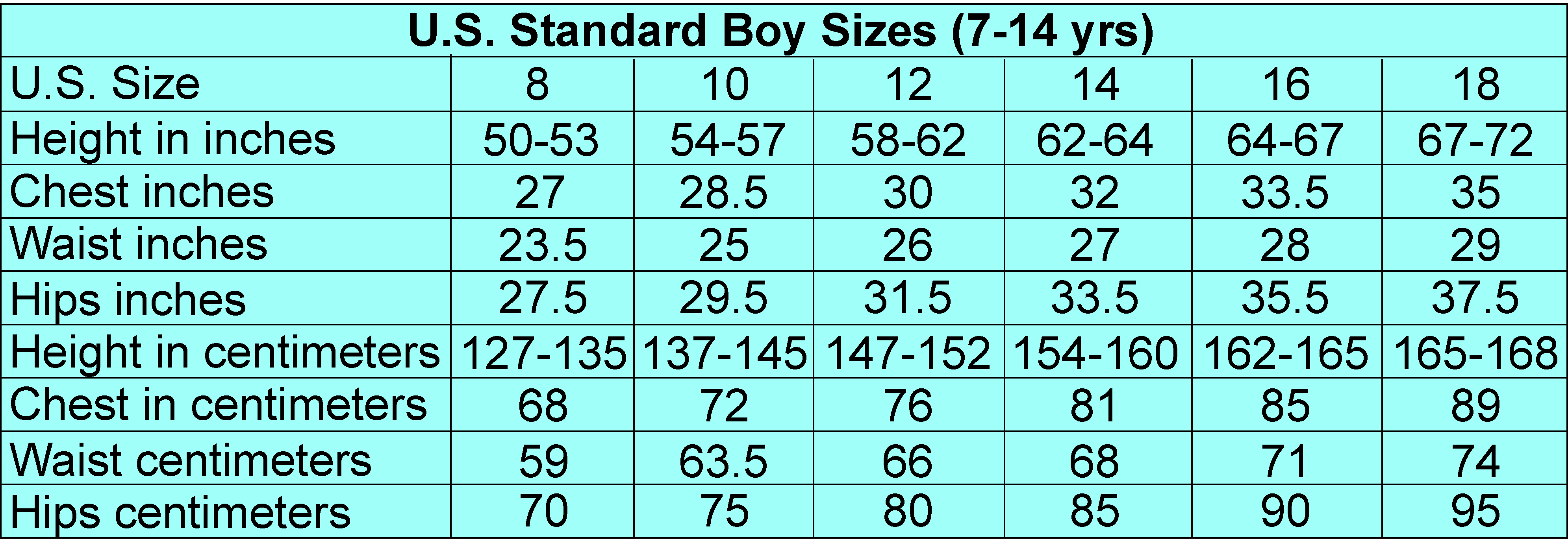
Many people assume that a boys size chart is a simple, universal tool, but it's important to understand that these charts can vary and require a bit of know-how to use accurately. While they provide a helpful framework, the values and measurements can differ based on various factors. A boys size chart is a valuable resource, offering a quick reference for standard body measurements, but it's essential to know how to interpret it for your specific needs.
Boys Clothing Size Chart: A Practical Guide
A boys clothing size chart is an essential tool for parents and caregivers to ensure a perfect fit for their little ones. This guide will walk you through the chart, its key details, and how to use it effectively.
Understanding the Chart: Key Details
The boys size chart provides a reference for clothing sizes based on standard body measurements. It typically includes categories such as age, height, and weight, along with the corresponding clothing size. The chart is designed to offer a general guide, and the measurements are in both centimeters (cm) and inches. It is important to note that the chart may vary depending on the standard being used, whether it is a regional or international standard.
Reading and Applying the Chart: Step-by-Step
To use the boys size chart accurately, follow these steps:
Identify the relevant category: Start by determining whether you need to refer to the age, height, or weight category. This will depend on the clothing item and its specific sizing requirements.
Measure accurately: For height and weight, use a reliable measuring tape or scale. Ensure the child is standing straight and relaxed for height measurements. Weigh the child without any heavy clothing or accessories.
Find the corresponding size: Locate the measured value on the chart and identify the associated clothing size. For example, if the height is 110 cm, the chart may indicate a size 6 for tops and a size 7 for bottoms.
Consider the garment type: Different clothing items may have slight variations in sizing. For instance, tops and bottoms may have different size recommendations. Refer to the specific garment's size guide for more precise information.
Allow for growth: Keep in mind that children grow rapidly, so it is wise to choose a size that allows for some growth. Opting for a slightly larger size ensures the clothing will fit for a longer period.
Variations and Differences: Why They Occur
Boys size charts can vary due to several factors:
Regional standards: Different countries and regions may have their own sizing systems, leading to variations in measurements and categories.
International standards: Even within the same region, clothing manufacturers may follow different international sizing guidelines, resulting in slight differences.
Manufacturer preferences: Individual brands or designers may have unique sizing charts, especially for specialized clothing or unique designs.
Garment type: Certain clothing items, like shoes or hats, may have their own specific sizing systems.
Common Mistakes and How to Avoid Them
To ensure accurate sizing, avoid these common mistakes:
Relying solely on age: Age is just one factor; height and weight play crucial roles in determining the right size.
Neglecting to measure: Always measure the child accurately to get the most precise size recommendation.
Ignoring growth: Remember to allow for growth, especially for rapidly growing children.
Assuming consistency: Different brands and styles may have varying fits, so always refer to the specific size chart for each item.
Practical Tips for Accurate Results
Follow these tips for the best results when using a boys size chart:
Measure regularly: Children grow quickly, so update measurements every few months to ensure an accurate fit.
Compare multiple charts: If you are unsure, compare size charts from different brands or standards to get a broader perspective.
Consider the fabric: The stretch and flexibility of the fabric can impact the fit, so take this into account when choosing sizes.
Try before you buy: Whenever possible, try on the clothing to ensure a perfect fit, especially for special occasions or formal wear.
Double-Checking and Handling Exceptions
In certain cases, it is essential to double-check or seek additional information:
Unique body types: If your child has a unique body shape or size, consult a professional or seek advice from experienced parents to ensure the best fit.
Specific garment requirements: Some clothing items, like sports gear or formal wear, may have specific sizing guidelines. Refer to the manufacturer's instructions or seek expert advice.
International travel: When traveling abroad, be aware of different sizing systems and convert sizes accordingly.
By following these guidelines and understanding the variations, you can confidently use the boys size chart to find the perfect fit for your child's clothing.
Remember, when working with size charts, it's essential to consider the specific context and requirements of your project. While the information provided here serves as a general guide, exact values can vary slightly depending on the standard or source you use.
Take a moment to review the key points and ensure you have all the necessary details before moving forward. And feel free to explore our other resources and guides; we have a range of practical tools and tips to offer, so there's always something new to discover!
Related: What is the Sileo Dosing Chart?
You've landed here, searching for a clear and concise resource, and the Sileo dosing chart is exactly that: a straightforward guide to ensure accurate dosing. This chart, a trusted tool for many, offers a visual representation of the recommended doses, often tailored to different weights and ages. It's a quick reference, ensuring you can administer Sileo with confidence, and it's designed to be user-friendly, with variations depending on regional standards and specific needs.
Understanding the Sileo Dosing Chart
The Sileo dosing chart is a valuable tool for determining the appropriate dosage of Sileo, a medication often used to treat specific conditions. This chart provides a clear and concise guide to ensure accurate dosing, especially when considering factors like weight and age.
Key Details and Categories
Before delving into the chart, it's essential to understand its structure. The Sileo dosing chart typically displays dosage information based on weight categories, usually in kilograms. These weight ranges are divided into common age groups, ensuring a tailored approach to dosing. The chart provides recommended doses in micrograms, offering precise guidance for each weight category.
Interpreting the Chart: A Step-by-Step Guide
- Identify the patient's weight. Ensure you have an accurate measurement, as this is the primary factor influencing the dose.
- Locate the corresponding weight category on the chart. These categories are often color-coded or labeled for easy identification.
- Within the selected weight category, find the recommended dose in micrograms. This value represents the ideal dosage for that specific weight range.
- Administer the medication as directed, following the dosage guidelines. It's crucial to adhere to the recommended dose to ensure safety and effectiveness.
Variations and Safety Considerations
While the Sileo dosing chart provides a standardized guide, variations may occur due to individual factors. Different regions or healthcare settings might have slightly different charts or guidelines, so it's important to refer to the specific chart relevant to your location. Additionally, certain conditions or patient characteristics might require adjustments to the standard dose, emphasizing the need for professional medical advice. Always consult with a healthcare provider to ensure the safe and effective use of Sileo.
Remember, while this dosing chart serves as a valuable tool, it's always a good idea to double-check the specific guidelines and recommendations relevant to your situation. The exact values and units might vary slightly across different contexts and standards, so it's essential to refer to the most appropriate resources for your needs.
Feel free to explore our collection of guides; we have a range of practical resources to help you navigate various topics with ease and confidence. Happy reading and learning!