

Wire Fill Chart Letter Size Overview
You've landed on this blog because you're seeking a quick solution, right? Well, you're in the right place. Let's talk about my WVU Chart login. This is your gateway to accessing important information and resources as a student. Think of it as your personal digital hub, where all your academic needs are met.
Your WVU Chart login is unique to you and provides a secure way to access various online services. From checking grades to resetting your password, it's a one-stop shop. While the specifics may vary slightly depending on your role and region, the process is straightforward and reliable.
A Quick Overview of Your WVU Chart Login
Your my wvu chart login is a secure gateway to your personal student account, offering a range of services and resources. This login system ensures you can access your academic records, financial information, and other essential tools with ease and peace of mind.
Comparing Login Options and Security Measures
When it comes to logging in, you have a few options to choose from, each with its own benefits and considerations. The standard login requires your unique username and password, which should be kept confidential. For added security, you can enable two-factor authentication, which provides an extra layer of protection by requiring a code sent to your device. This is especially useful for sensitive information.
Step-by-Step Guide to Logging In
Logging into your wvu chart student portal is straightforward. Here's a simple guide:
- Go to the WVU Chart Web page and locate the login button.
- Enter your username and password. Ensure you type these correctly, as case sensitivity matters.
- If you have enabled two-factor authentication, you will receive a code via text or email. Enter this code to complete the login process.
- You should now be logged in and able to access your student account and all its features.
Common Misreadings and How to Avoid Them
One common mistake is forgetting to enable case sensitivity when creating your password. Always ensure your password includes a mix of uppercase and lowercase letters, as well as numbers and special characters if allowed. Another pitfall is forgetting to check your spam folder for the two-factor authentication code. If you don't see the code in your inbox, check your spam or junk mail folder.
Factors Affecting Login Accuracy and Security
There are a few key factors that can impact the accuracy and security of your login:
- Password Strength: A strong password is essential. Avoid using personal information or common words. Instead, opt for a unique combination of characters.
- Account Security: Regularly review your security settings and ensure your contact information is up-to-date for two-factor authentication.
- Browser and Device: Using a secure browser and device is crucial. Ensure your browser is updated and has security features enabled.
- Public Wi-Fi: Avoid logging in on public networks, as they can be less secure. Use a private or trusted network whenever possible.
- Password Guidelines: Follow the password guidelines provided by WVU. These guidelines ensure your password is complex enough to protect your account.
By considering these factors and following the step-by-step guide, you can ensure a smooth and secure login process for your my wvu chart login.
Remember, every situation is unique, so be sure to review your specific needs and double-check the details. It's always a good idea to have a reliable reference guide like this one to avoid any potential pitfalls.
Feel free to bookmark this page for future use. It's a handy resource to have at your fingertips, and it's great to know you now have a clear understanding of the process and what to expect. Stay organized and keep those charts in check!
Related: A Guide to the Cursive ABC Chart
A cursive abc chart is a valuable tool for anyone wishing to master the art of cursive handwriting. This guide will provide an overview of what these charts offer and how they can improve your penmanship.
The chart is a visual aid, offering a clear and concise reference for the cursive alphabet. It displays the letter formations and connections, allowing users to understand the flow and style of each letter. While there may be variations in certain styles or regional preferences, the cursive abc chart provides a solid foundation for learning and practicing this elegant writing style.
Understanding the Cursive ABC Chart
The cursive abc chart is a valuable tool for mastering cursive handwriting. It serves as a visual guide, providing a reference for the unique forms and connections of each letter in the cursive alphabet. This chart is an essential learning aid, especially for beginners, as it offers a clear overview of the basic strokes and letter formations.
Comparing Cursive Styles and Standards
Cursive writing, much like other writing styles, can vary based on regional standards and personal preferences. While the cursive abc chart typically follows a standard format, it's essential to note that there might be slight variations in letter shapes and connections. For instance, the cursive alphabet used in the United States might differ slightly from that used in the United Kingdom.
Step-by-Step Guide to Using the Chart
To make the most of your cursive abc chart, follow these steps:
- Begin by familiarizing yourself with the chart. Observe the unique shapes and connections of each letter.
- Practice forming the letters, paying attention to the starting and ending points of each stroke.
- Connect the letters to form words, focusing on the natural flow of cursive writing.
- Start with simple words and gradually increase the complexity as you gain confidence.
- Regular practice is key; allocate dedicated time for handwriting exercises.
Common Mistakes and How to Avoid Them
When learning cursive, it's common to encounter challenges. Some letters might be particularly tricky due to their intricate forms. To avoid mistakes, ensure you:
- Pay close attention to the direction and placement of each stroke.
- Practice slowly and deliberately, focusing on accuracy rather than speed.
- Seek guidance from a teacher or use online resources for additional support.
Factors Affecting Accuracy and Real-World Application
The accuracy of your cursive writing depends on various factors, including your handwriting style, practice consistency, and attention to detail. Additionally, the context in which you use cursive writing can influence its application. For instance, formal documents might require a different style or size than personal notes.
Adapting the Chart for Specific Needs
The cursive abc chart is versatile and can be adapted to suit different learning styles and goals. If you're a visual learner, consider using colored pens or markers to highlight specific letters or connections. For a more tactile approach, try tracing the letters with your finger or a stylus on a tablet. Additionally, you can create your own practice sheets based on the chart to focus on specific letters or word formations.
Hey there! I hope this guide has been a helpful resource for you. Remember, when it comes to cursive ABC charts, the specifics can differ slightly based on your unique circumstances.
Feel free to explore other guides on this topic, as well, to find the one that best suits your needs. And don't forget to bookmark this page for future reference; it's always handy to have a quick go-to resource for those moments when you need a refresher on cursive writing.
Related: A Beginner's Guide to Reading Tide Chart Oahu
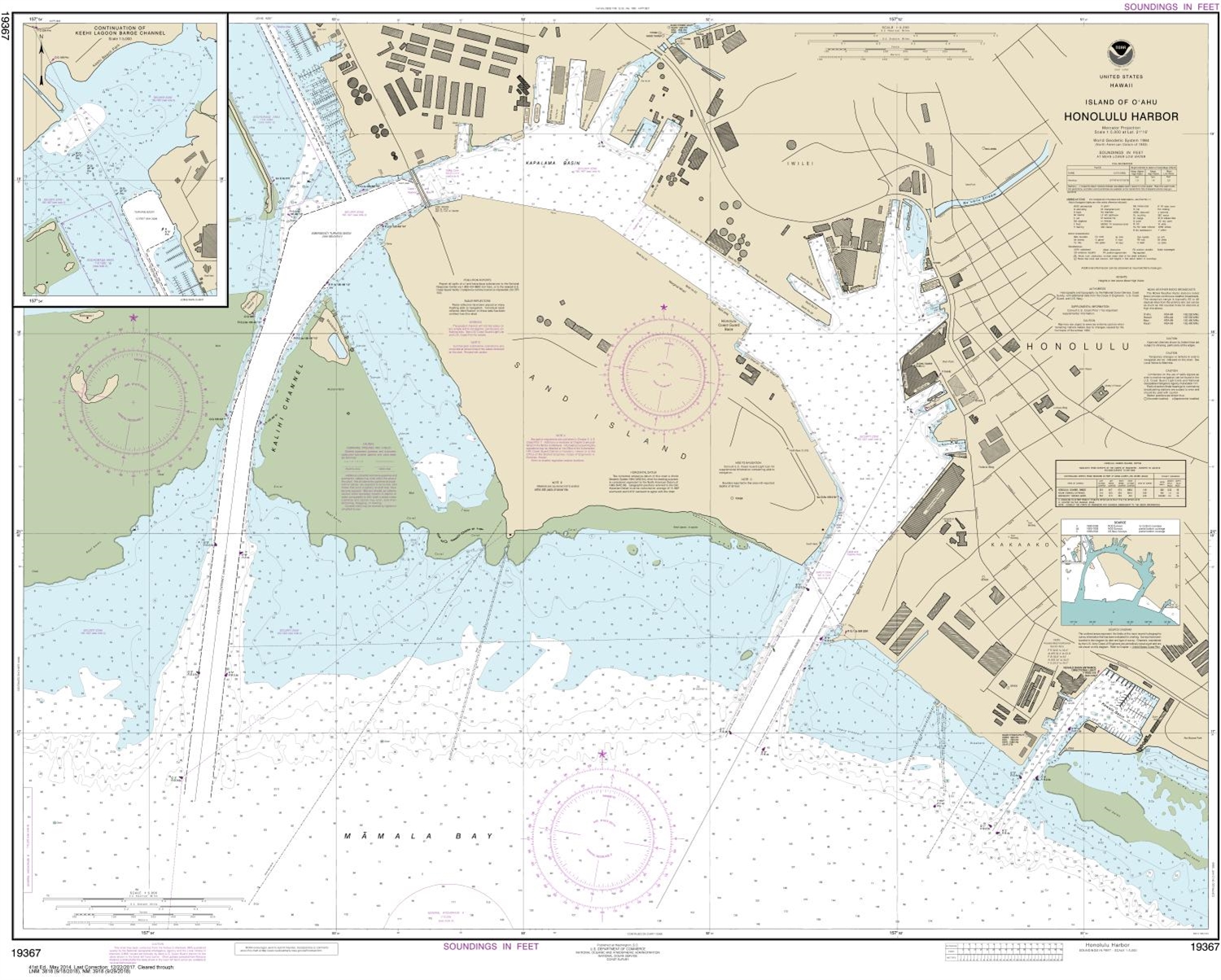
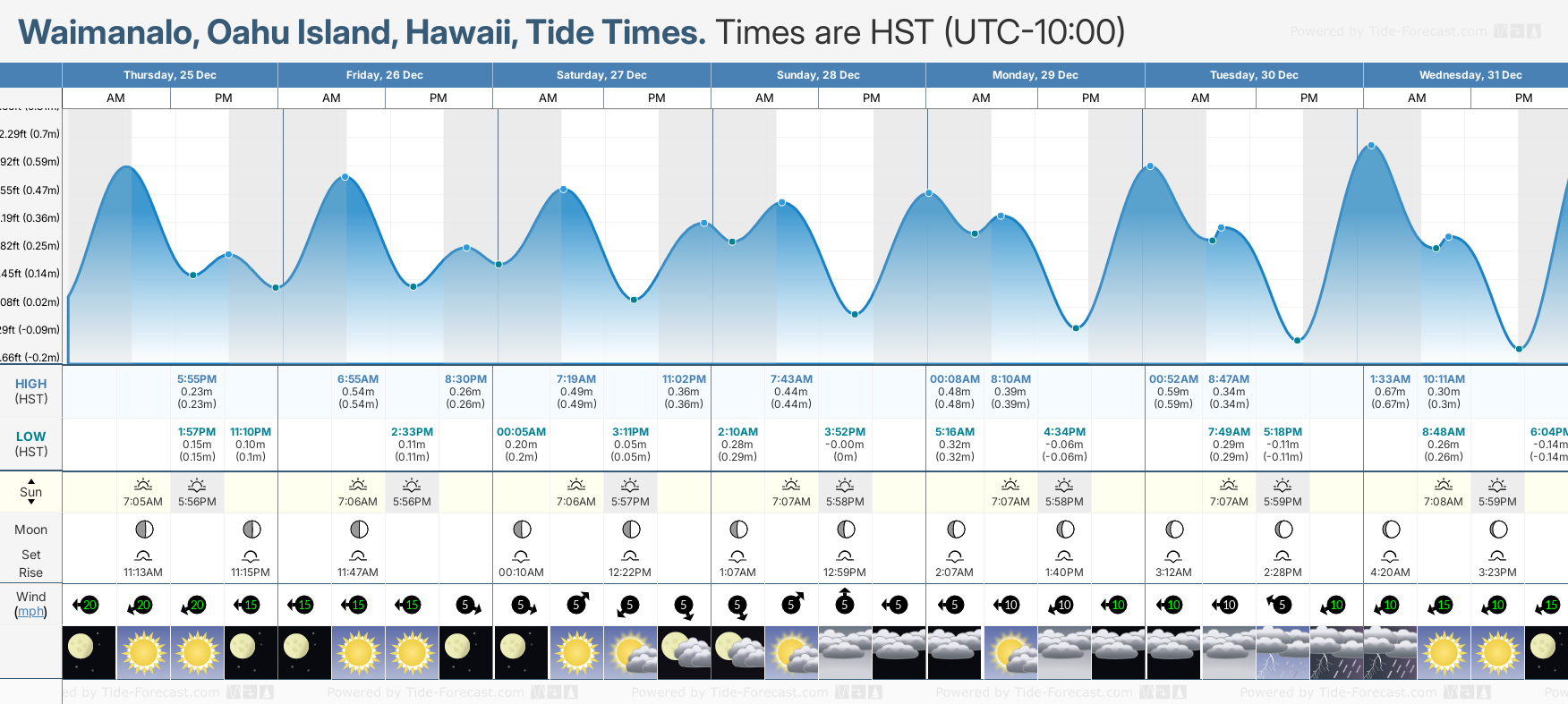
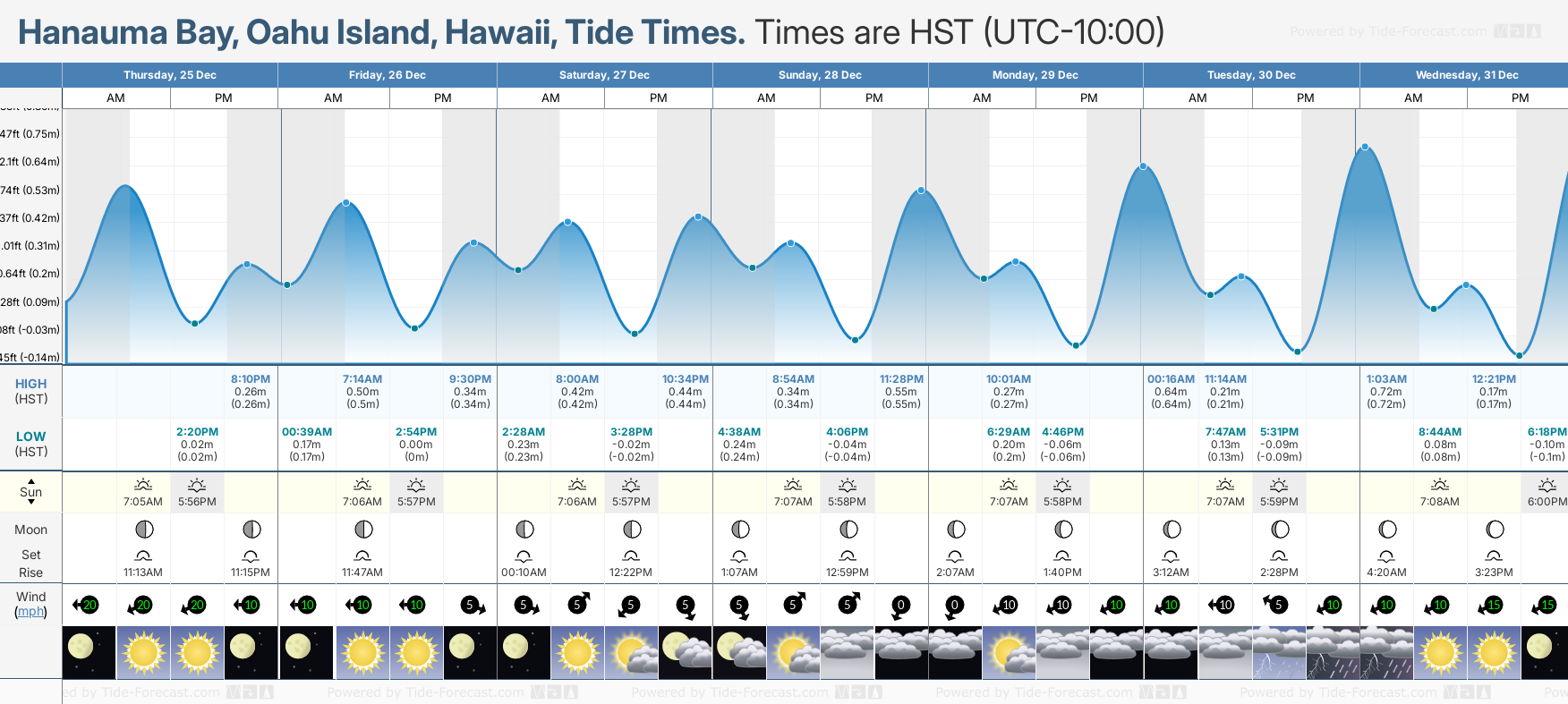
A tide chart Oahu is your handy tool for understanding the ocean's rhythm on the island. It's a simple yet powerful reference, offering a glimpse into the ebb and flow of the Pacific Ocean's tides.
This guide will show you how to read and use this chart effectively. You'll discover the predicted tide times, heights, and even learn about the fascinating tide tables for Hawaii and beyond. It's an essential skill for anyone wanting to explore the ocean's secrets.
Understanding Tide Data: A Quick Overview
A tide chart for Oahu, like any other location, is a valuable tool that provides a visual representation of the ocean's water levels over a specific period. It offers a glimpse into the tide times and heights you can expect, helping you plan various activities, from surfing to fishing, with confidence. The chart typically displays a 24-hour period, showing the rise and fall of tides throughout the day.
Comparing Tide Chart Formats and Standards
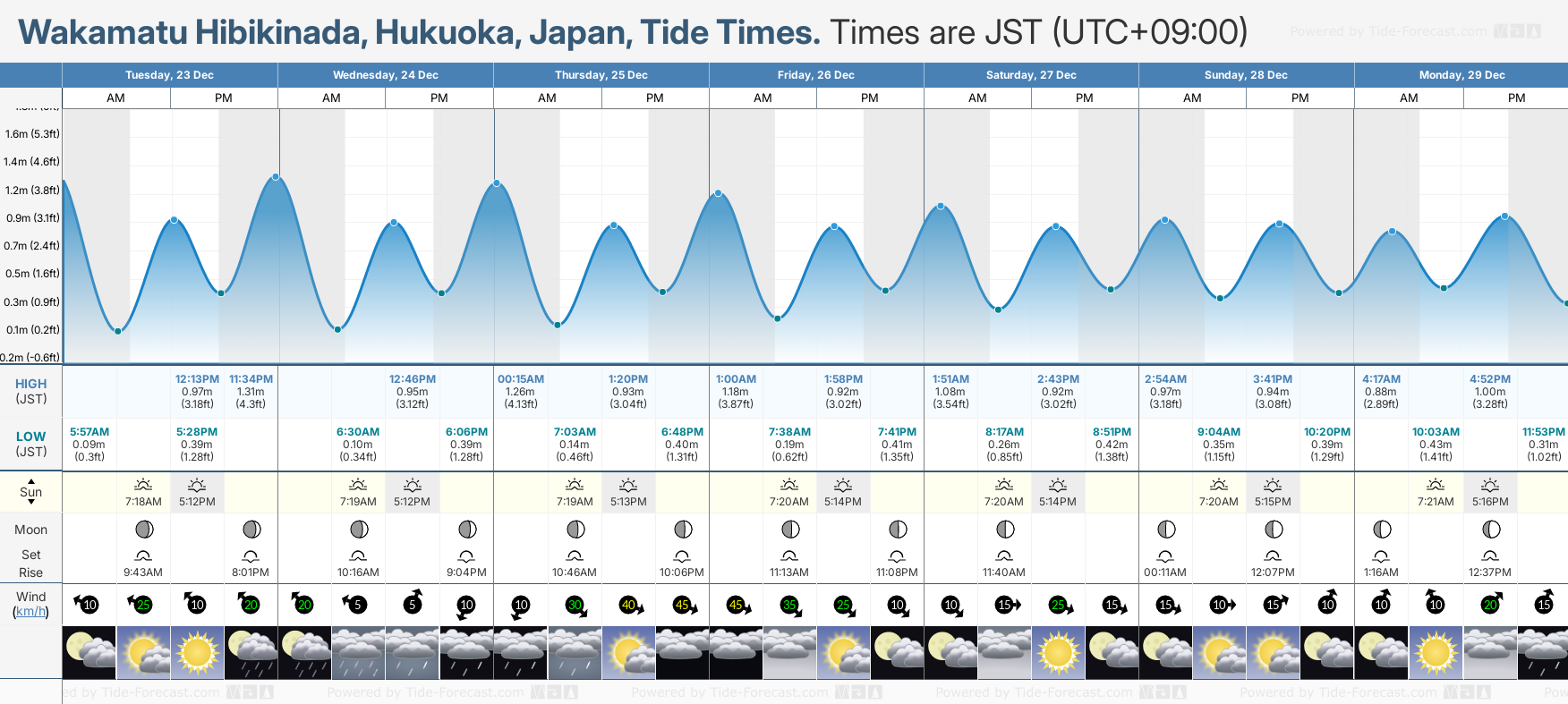
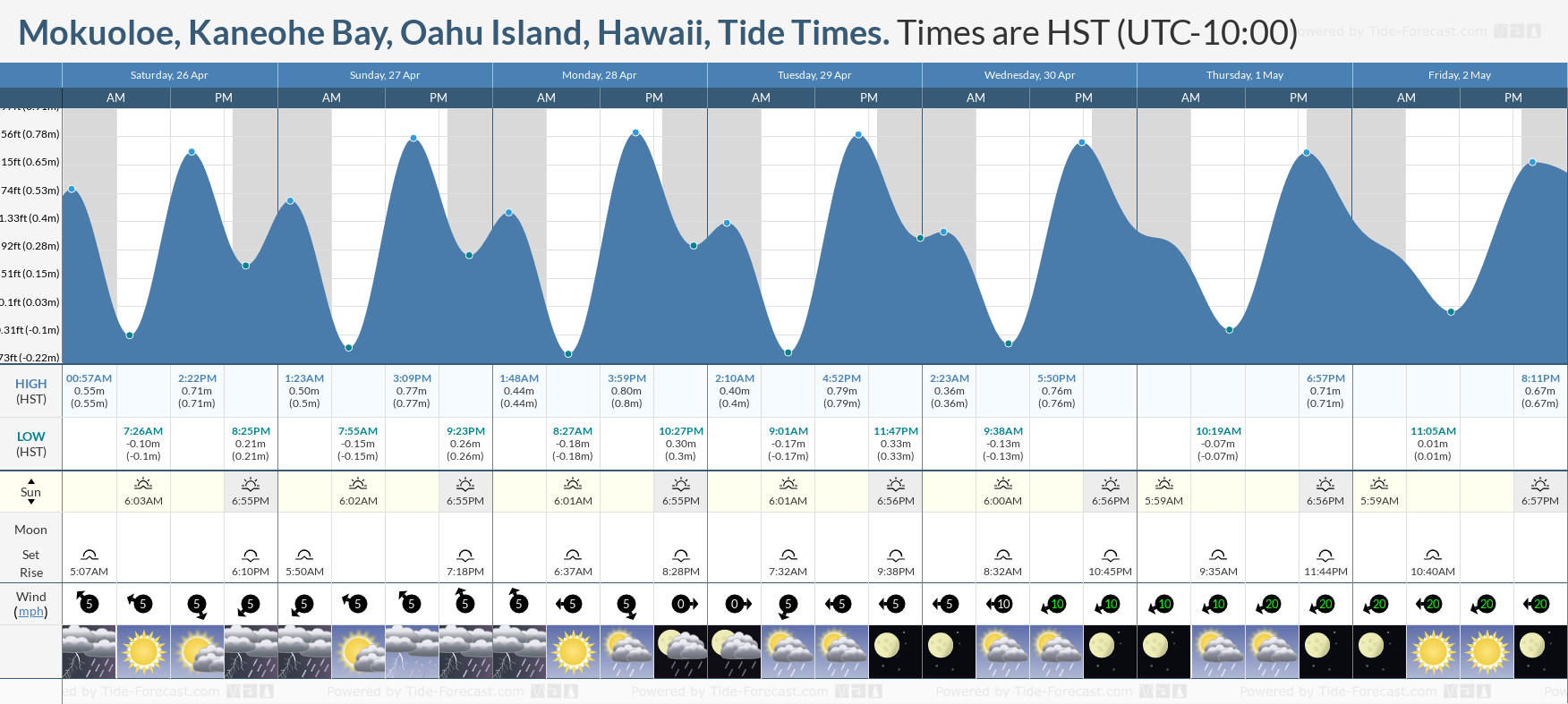
Tide chart Oahu comes in various formats, but the most common ones are graphical representations or simple tables. Graphs often use a line or bar chart format, with the y-axis representing water levels and the x-axis showing time. Tables, on the other hand, list times and corresponding water levels in a straightforward manner. Both formats are equally useful, so choose the one that suits your preference and reading style.
Step-by-Step Guide: Reading Tide Graphs and Tables
Whether you're using a graph or a table, the process is straightforward. First, identify the current time or the time you're interested in. Then, locate that time on the chart or table. For graphs, follow the line or bar to the corresponding water level. For tables, simply read the value next to the time. Remember, the values represent the height of the water above a specific reference point, often mean sea level. So, a value of 2 feet means the water level is 2 feet higher than the average.
Common Misreadings and How to Avoid Them
One common mistake is assuming that the highest point on a graph represents high tide. While it might seem logical, it's not always the case. High tide occurs when the water level is at its maximum, and low tide when it's at its minimum. These points might not always align with the highest and lowest points on the graph, especially if there are multiple high and low tides in a day. Always refer to the time labels to identify the exact high and low tide times.
Factors Affecting Tide Chart Accuracy and Real-World Use
Several factors can influence the accuracy of tide charts and tide tables. These include the specific location within Oahu (as tides can vary along the coast), weather conditions (storms and winds can impact water levels), and even the moon's phase (tides are strongly influenced by the moon's gravitational pull). Additionally, remember that these charts provide predictions based on historical data and scientific models. While they are highly accurate, it's always a good idea to double-check the current conditions, especially during extreme weather events.
- Key factors to consider:
- Location-specific variations
- Weather conditions
- Moon's gravitational influence
- Real-time vs. predicted data
By keeping these factors in mind and regularly checking the latest conditions, you can ensure that you're using the tide chart Oahu accurately and effectively for your activities.
Hey there, we've covered a lot of ground on tide charts for Oahu and I hope it's been helpful!
Remember, these charts are a great tool, but it's always wise to double-check the specifics for your exact location and activity. Exact values may vary, so it's good to be prepared and have a backup plan.
Consider bookmarking this page for future reference. It's a handy resource to have on hand, especially when planning coastal adventures!