Wrist Size Chart Editable Overview
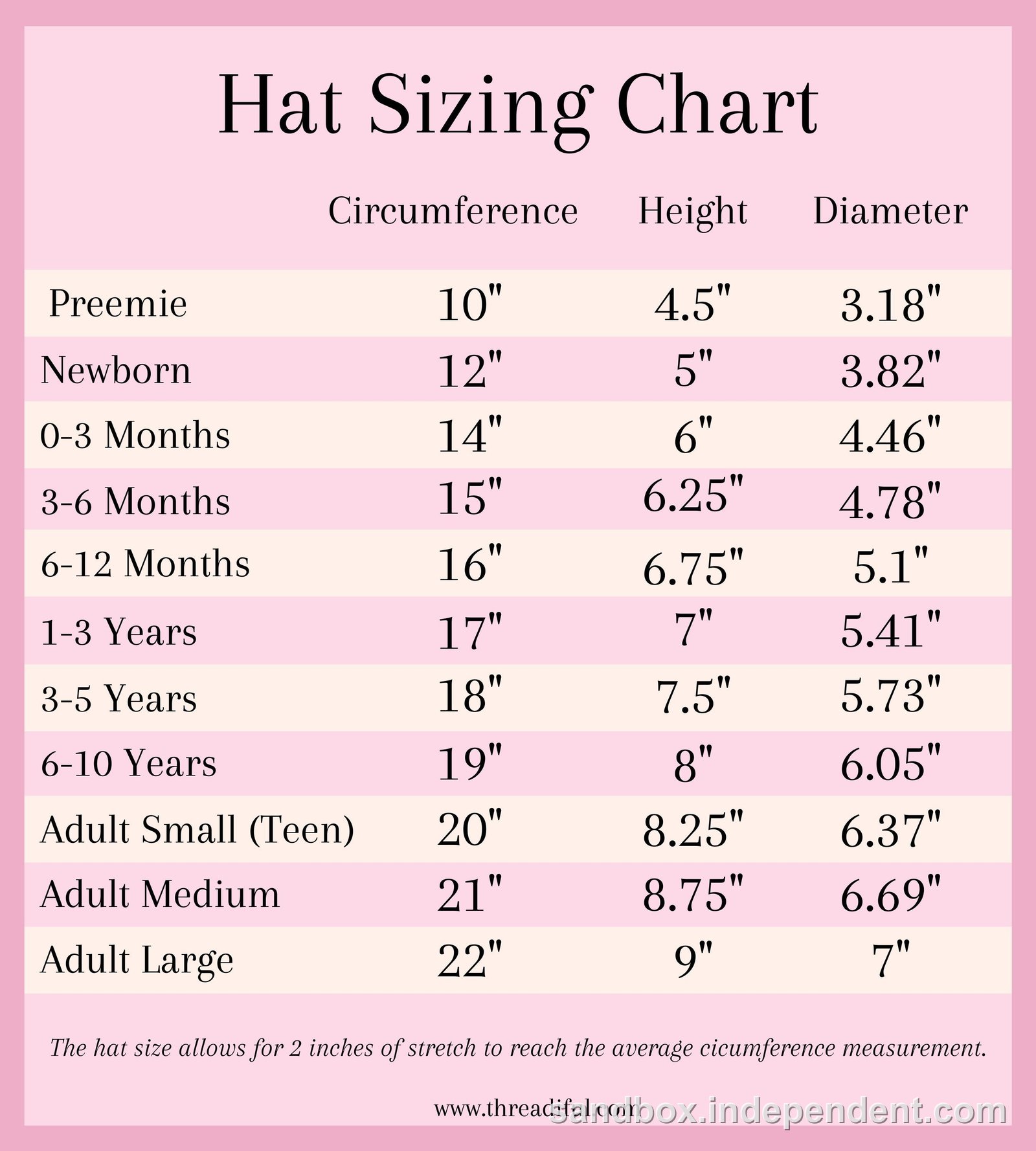
Frustrated by the endless search for the right size? You're not alone. That's why having a reliable ae size chart at your fingertips can be a game-changer. It's a simple yet effective tool, offering a quick solution to a common dilemma. This chart provides a clear and concise guide, helping you navigate the world of apparel sizing with ease. Whether you're an online shopper or prefer in-store browsing, understanding ae size charts and apparel size guides is key to ensuring a perfect fit every time.
Understanding the AE Size Chart: A Quick Overview
The ae size chart is a handy tool for anyone shopping for apparel, especially online. It provides a standardized guide to help you choose the right size for your body measurements. This chart is particularly useful for the AE (American Eagle) brand, ensuring a perfect fit for their clothing range.
Comparing Size Chart Standards and Formats
Size charts can vary depending on the brand and region. The AE size chart follows the US sizing standard, which is different from international or metric sizing. It's important to note that even within the US, some brands may have slightly different size guides, so always refer to the specific brand's chart for accuracy.
Step-by-Step Guide to Using the AE Size Chart
Using the AE size chart is straightforward:
Take your body measurements: bust, waist, and hip. These are the key measurements for most apparel items. Ensure you measure accurately and consistently.
Locate your measurements on the chart. The chart will typically have a column for each measurement type (bust, waist, hip) and rows for different sizes.
Find the size where your measurements intersect. For example, if your bust measurement corresponds to a size 6 and your waist and hip measurements align with size 8, you might want to opt for a size 8 to ensure a comfortable fit.
Consider the garment type. Different clothing items may fit differently, so always check the product description for any specific fitting notes or recommendations.
If you're still unsure, refer to the brand's size guide, which often provides additional fitting tips and advice.
Common Misreadings and How to Avoid Them
One common mistake is assuming that all brands use the same size chart. Always double-check the brand's specific size guide, as even within the US, there can be slight variations.
Another pitfall is relying solely on your usual size without considering your actual measurements. Remember, size charts are guidelines, and your body measurements are unique. Always measure yourself and refer to the chart for the best fit.
Factors Affecting Accuracy and Real-World Use
Several factors can impact the accuracy of size charts and your real-world experience:
Fabric type and stretchiness: Some fabrics have more give, so a garment might fit differently depending on the material.
Style and cut: Different clothing styles can have varying fits, even within the same size. For example, a loose-fit top might feel more comfortable than a fitted one, even if they are the same size.
Personal preference: Some people prefer a tighter or looser fit. Consider your personal style and comfort when choosing a size.
Body shape variations: Size charts provide a general guide, but everyone's body is unique. If you have a unique body shape, you might need to size up or down to achieve the desired fit.
Remember, the ae size chart is a helpful tool, but it's not an exact science. Always trust your measurements and consider the specific garment's style and fabric when making your size choice.
Well, there you have it! A quick and easy guide to navigating the world of AE size charts. Remember, these charts are a handy tool, but it's always wise to double-check the specific context and requirements for your project.
Consider bookmarking this page for future reference; it's a simple way to ensure you always have the right information at your fingertips. Happy measuring, and may your creations fit perfectly!
Related: What Does "Off the Charts" Really Mean?
You're here because you need a quick answer, a reliable reference for a chart that's got you stumped. Maybe it's a body mass index (BMI) chart, or a weight-height ratio guide - these can be off the charts confusing! It's easy to feel lost when you're trying to understand the categories and ranges, especially as they can vary depending on where you are and who you ask. But don't worry, we'll get you on track with a simple breakdown. These charts are designed to give you a snapshot of your health, and with a few key insights, you'll be reading them like a pro.
Understanding Body Mass Index (BMI): What It Means to Be "Off the Charts"
Body Mass Index, or BMI, is a simple calculation that helps give an indication of whether your weight is in a healthy range for your height. It's a useful tool to get an overview of your health, but it's not the only measure of health or fitness. So, what does it mean when someone is "off the charts" with their BMI? Let's find out!
Key Details and Categories to Know
The BMI chart is a visual representation of the BMI calculation, which is your weight (in kilograms) divided by the square of your height (in meters). The result is then compared to a standard range to determine your BMI category. These categories are: underweight (below 18.5), healthy weight (18.5 to 24.9), overweight (25 to 29.9), and obese (30 or above). The chart often uses colors or shading to represent these categories, making it easy to see where you fall.
Step-by-Step Guide: Reading and Interpreting Your BMI
To use the BMI chart accurately, follow these steps:
- Weigh yourself and note your weight in kilograms.
- Measure your height accurately and convert it to meters (if needed).
- Square your height (multiply it by itself).
- Divide your weight by the squared height.
- Locate your BMI on the chart.
- Identify the color or category it falls into.
For example, if your BMI is 28, you would be in the overweight category. It's a simple process, but remember, it's just one tool to assess your health.
Variations and Differences: Why BMI Can Vary
It's important to understand that BMI can vary due to several factors. Age, muscle mass, and bone density can all affect your BMI. For instance, highly muscular individuals might have a higher BMI but not be overweight or obese. Additionally, BMI charts and categories can differ slightly depending on the standard used. Some charts might have slightly different ranges or categories, so always check which standard is being used.
- Key factors that can cause BMI variations:
- Muscle mass
- Bone density
- Age
- Body composition
Common Mistakes and How to Avoid Them
When using the BMI chart, be aware of these potential mistakes:
- Assuming BMI is the only health indicator: It's just one tool, so consider other factors like diet, exercise, and overall well-being.
- Forgetting to convert units: Always ensure your height is in meters and weight in kilograms for an accurate calculation.
- Not considering individual differences: BMI is a general guide; it might not apply accurately to everyone.
- Relying solely on the chart: It's a visual aid, but the calculation is more precise.
Remember, being "off the charts" with BMI doesn't always mean there's a health issue. It's a guide, and understanding your individual circumstances is key.
Well, that's a wrap on our exploration of this handy reference tool! We've covered the basics, from understanding the key elements to navigating any variations you might encounter. Remember, while the fundamentals remain consistent, exact details can shift based on your specific context or the source you're referencing.
Feel free to dive into our other guides for more practical tips and tricks. We've got a whole library of resources to help you master various topics, so take a browse and find something that piques your interest!
Related: How to use a chain size chart?
You're probably here because you need a quick solution, and who can blame you? When it comes to chain size chart, having the right information at your fingertips is key. This chart is your go-to resource, offering a simple and visual way to find the right chain dimensions. It's a handy tool that saves you time and effort, especially when you need to make quick decisions. While the values may vary depending on various factors, this chain size chart is a reliable starting point.
What is a Chain Size Chart?
A chain size chart is a handy reference tool that simplifies the process of identifying and selecting the right chain size for various applications. It serves as a visual guide, providing a clear overview of different chain dimensions and their corresponding specifications.
Key Details and Categories
The chart typically includes columns for chain type, pitch, width, and length. Each category is crucial for understanding the chain's dimensions and ensuring compatibility with your specific needs. The pitch refers to the distance between the chain's pins or rollers, and it is a fundamental measurement. Chain width and length are also essential factors, especially when dealing with bike chains or industrial applications.
How to Read and Apply the Chain Size Chart
To use the chain size chart effectively, follow these steps:
Identify the type of chain you need. This could be a bike chain, conveyor chain, or a specific industrial chain. Different applications require unique chain designs and sizes.
Determine the pitch of your chain. This measurement is critical and often dictates the compatibility of your chain with other components, such as sprockets or gears.
Next, consider the chain width. This dimension ensures proper fit and function, especially when the chain interacts with guide plates or other machinery.
Finally, assess the required chain length. This step is crucial for applications like bicycles, where the chain's length directly impacts the gear ratios and overall performance.
Variations and Differences
It's important to note that chain size charts can vary depending on the standard being used. Common standards include the Imperial system (often used in the US) and the metric system (used internationally). These standards may have slightly different measurements and categories, so it's essential to refer to the appropriate chart for your region or application. Additionally, some charts may provide conversions between metric and Imperial units for convenience.
Common Mistakes and How to Avoid Them
One common mistake is assuming that all chains of the same type are universally compatible. While many chains share similar dimensions, subtle differences in pitch, width, or length can render them incompatible. Always double-check the specific measurements and tolerances provided by the manufacturer or standard to ensure accurate selection.
Practical Tips for Accurate Results
When using a chain size chart, consider these tips:
Always refer to the most recent and relevant standard for your region or application. Standards may evolve, so staying updated is crucial.
Pay attention to the units used in the chart. Some charts may mix metric and Imperial units, so ensure you understand the conversions if needed.
When measuring chains, use accurate tools like a caliper or a tape measure. Precision is key to selecting the right chain size.
If you're unsure about a specific chain dimension, consult with experts or refer to detailed specifications provided by manufacturers.
Keep in mind that some chains, especially those for industrial applications, may have unique features or variations. Always consider these when selecting a chain.
Hey there! We've covered a lot of ground with this chain size chart guide, and I hope it's given you a clear understanding of the basics. Remember, while the fundamentals remain the same, exact details can vary slightly depending on the context and the standards you're working with.
Feel free to explore our other guides for more practical insights and tips. We've got a whole range of topics to help you tackle various projects and tasks. Happy reading, and stay tuned for more!