

Xmas Tree Coloring Pages Overview
Many individuals mistakenly believe that tree chart makers are solely for professionals or experts, but this couldn't be further from the truth. These tools are incredibly versatile and accessible, offering a simple way to create visual representations for various purposes.
While the specifics may vary depending on the context, a good tree chart maker empowers users to organize and present information clearly, making it an essential tool for efficient communication and decision-making.
Tree Chart Maker: A Visual Overview
The tree chart maker is a powerful tool for creating visual representations of hierarchical data. It allows users to organize and display information in a clear, structured manner, often resembling a branching tree. This type of chart is particularly useful for illustrating relationships, classifications, or decision-making processes.
Comparing Chart Formats and Standards
Tree charts come in various formats, each suited to different types of data and purposes. The most common formats include the dendrogram, which is ideal for biological or genetic data, and the hierarchical chart, which is versatile and can represent organizational structures or decision trees. Family tree software is another specialized form, designed to visualize genealogy. These charts may follow specific standards or conventions, such as the use of color-coding or symbol keys, to enhance clarity and consistency.
Step-by-Step Guide: Creating Tree Charts
To create an effective tree chart, follow these steps:
- Define your data: Identify the hierarchical relationships or classifications you want to represent.
- Choose your format: Select the most appropriate chart type based on your data and purpose.
- Organize your data: Arrange the information in a logical order, ensuring a clear hierarchy.
- Use a tree chart maker: Employ specialized software or tools to generate the visual representation.
- Customize and refine: Adjust the layout, colors, and labels to enhance clarity and meet your specific needs.
- Interpret the chart: Understand the relationships and patterns revealed by the tree structure.
Avoiding Misinterpretations and Pitfalls
Misreading tree charts can lead to incorrect conclusions. Ensure you understand the chart's symbols and labels. Be cautious with charts that use unconventional formats or symbols, as these may cause confusion. Always check the chart's key or legend to interpret the data accurately. If in doubt, refer to the original data source or consult an expert.
Factors Affecting Accuracy and Real-World Use
The accuracy of tree charts depends on several factors:
Data Quality: Inaccurate or incomplete data will lead to misleading charts.
Chart Complexity: Highly complex charts may be harder to interpret, especially for large datasets.
User Experience: The reader's familiarity with tree charts and their ability to interpret visual data can impact understanding.
Standardization: Adhering to recognized standards ensures consistency and clarity.
Data Variability: Some datasets may have unique characteristics or exceptions that require custom chart adaptations.
Customization Options and Choosing the Right Format
Tree chart maker tools offer a range of customization options to suit specific needs:
- Layout Adjustments: Modify the chart's layout to emphasize certain branches or relationships.
- Color Coding: Use colors to differentiate categories or highlight important nodes.
- Labeling: Add or edit labels to provide context and clarity.
- Symbol Selection: Choose symbols that best represent the data and its relationships.
When selecting a format, consider the nature of your data and the message you want to convey. For instance, a decision tree builder may be ideal for illustrating complex choices, while an organizational structure visualizer is perfect for displaying company hierarchies.
Tree charts are a versatile tool, and while we've covered the essentials, every situation is unique. The specific details may differ slightly, so it's always a good idea to refer back to this guide or explore other resources for a quick refresher.
Feel free to bookmark this page for future reference; it might just save you some time and effort the next time you need to create or interpret a tree chart. Happy charting!
Related: Find the Perfect Frame Size: A Simple Guide
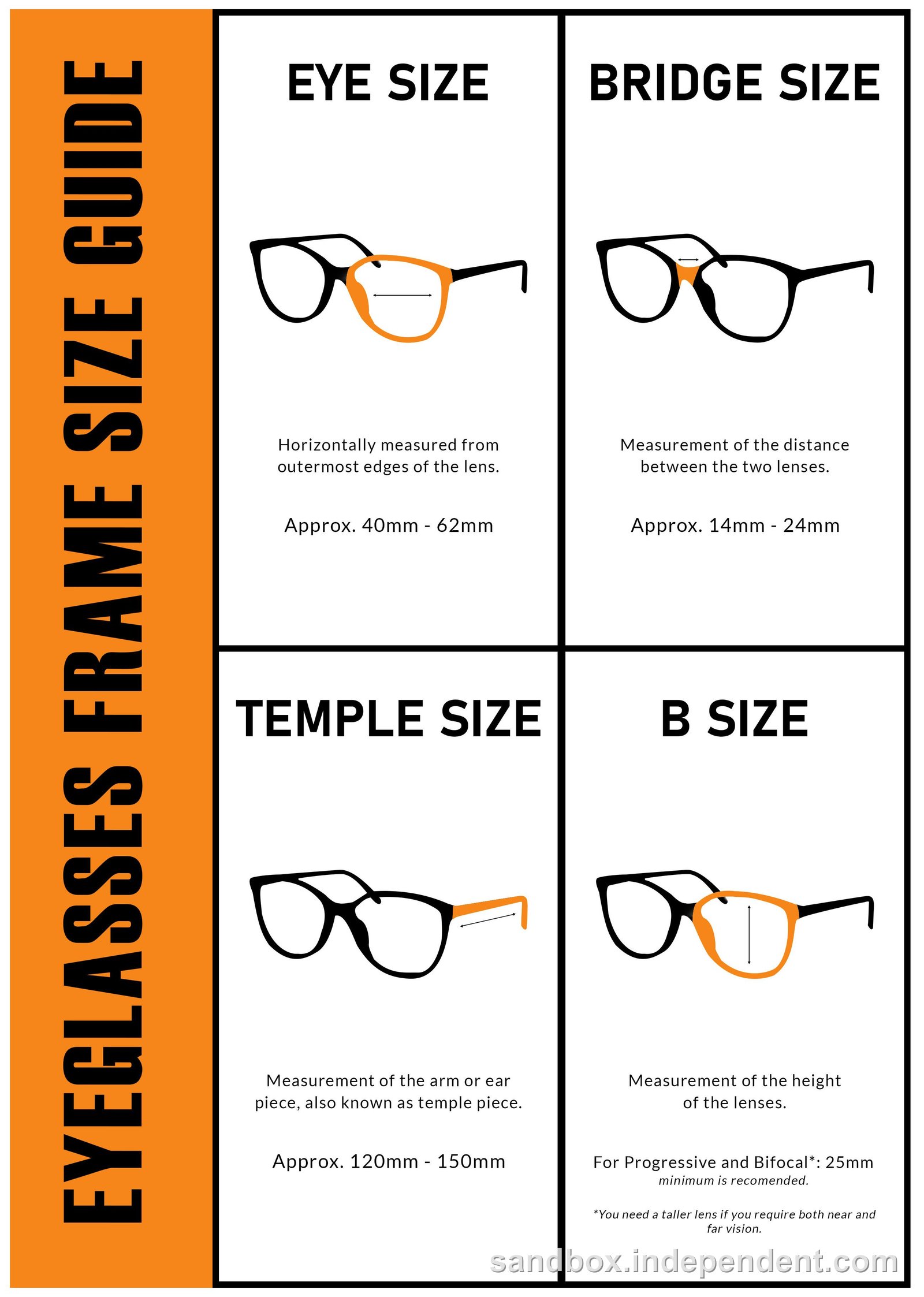
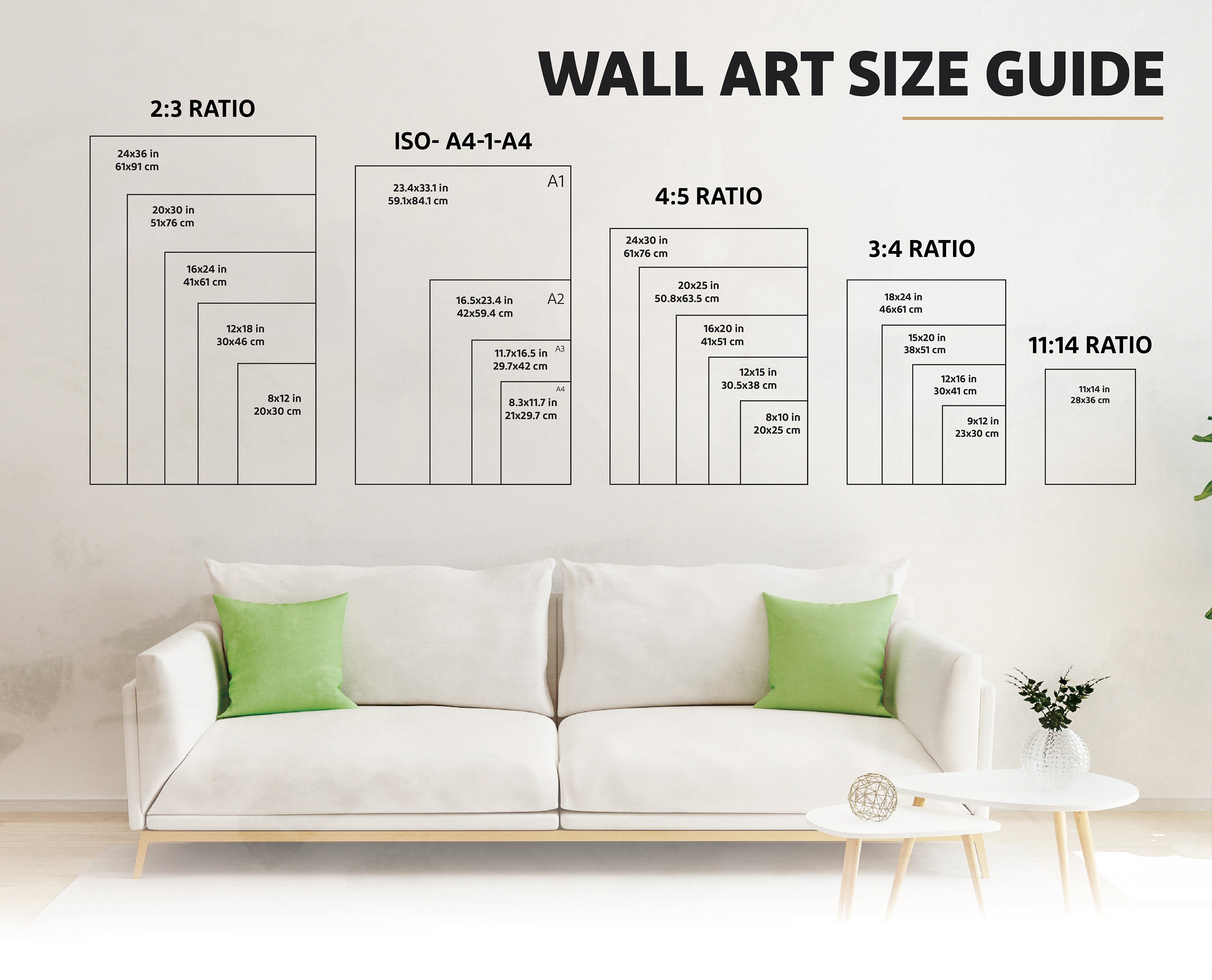
Many people often overlook the importance of a frame size chart and its accuracy, assuming it's a simple guide that can be ignored. But, trust me, this chart is your friend and a crucial tool for getting the right fit! A frame size chart is an essential reference, offering a quick and easy way to find your ideal size, whether it's for a bike frame or even clothing. It's a simple yet powerful tool, and getting it right can make all the difference. These charts provide a clear visual, often with metric and imperial measurements, to ensure you choose the correct size, avoiding any potential discomfort or performance issues.
Understanding the Frame Size Chart
A frame size chart is your go-to guide for determining the right size of a frame, whether it's for a bike, a piece of clothing, or any other item with standardized dimensions. This chart provides a quick and easy reference to ensure you get the perfect fit. It's like having a personal assistant who knows your measurements and preferences!
Comparing Common Frame Types and Standards
Frame size charts can vary depending on the type of frame and the industry standards they follow. For example, bike frame dimensions often use different measurements and categories compared to clothing size charts. The metric and imperial systems also come into play, so it's essential to know which standard your chart is based on. Some charts may even offer conversions between these systems.
Choosing the Right Size: A Step-by-Step Guide
Identify the Type: Determine what kind of frame you need, whether it's for a bike, clothing, or another item. This step is crucial as it sets the foundation for accurate sizing.
Find the Right Chart: Locate the specific frame size chart relevant to your chosen frame type. Ensure it follows the correct standard (metric or imperial) for your region or preferences.
Measure and Compare: Take your measurements or refer to existing ones (like your shirt size). Compare these measurements to the values on the chart. Most charts will provide a range of sizes, so find the one that best matches your dimensions.
Adjust for Comfort: Consider your personal preferences and comfort level. Some charts may offer guidance on adjusting the size slightly to ensure a perfect fit. For example, you might prefer a slightly larger frame for a bike to allow for more leg extension.
Double-Check: Always verify the specifications with the manufacturer or retailer, especially for critical items like bike frames. This ensures you get the exact dimensions and tolerances required.
Common Misreadings and How to Avoid Them
One common mistake is assuming all frame size charts are universal. As mentioned, they can vary based on frame type and standards. Always confirm the chart's applicability to your specific needs. Another pitfall is neglecting to measure accurately. Take precise measurements to ensure the chart provides an accurate recommendation.
Factors Affecting Accuracy and Real-World Use
Various factors can influence the accuracy of a frame size chart. These include the tolerance levels allowed by manufacturers, which can vary slightly between brands. Additionally, personal preferences and body types play a role. What might be a perfect fit for one person could feel too tight or loose for another. It's essential to consider these factors when using a frame size chart and make adjustments as needed.
Well, there you have it! A frame size chart is a handy tool, but it's important to remember that it's just a guide. Always check the specific details and requirements for your project, as the exact values might differ slightly between sources and standards.
Take a moment to ensure you've considered all the unique aspects of your situation before you finalize your choices. And, as always, feel free to explore our other guides and resources for more practical tips and insights. Happy measuring!
Related: Unravel the Ductwork CFM Chart Mystery
A ductwork cfm chart is a handy tool for anyone needing a quick reference on airflow and duct sizing. This guide will cover the basics, showing you how to read and utilize these charts effectively.
The charts provide a simple way to ensure your ductwork is correctly sized and efficient. They offer standard values, but it's worth noting that specific details can vary depending on local standards and your unique project requirements.
Understanding the Ductwork CFM Chart
A ductwork CFM chart is a valuable tool for anyone working with HVAC systems or designing ventilation networks. It provides a quick reference for determining the airflow capacity of different duct sizes and configurations. This chart is a handy guide to ensure your system's efficiency and performance.
Key Details and Units
The ductwork CFM chart typically displays two main categories: duct sizes and their corresponding CFM (Cubic Feet per Minute) ratings. Duct sizes are often given in inches or as a diameter, and the CFM rating indicates the volume of air that can pass through the duct per minute. It's essential to note that these charts are usually based on specific standards, such as the American Society of Heating, Refrigerating, and Air-Conditioning Engineers (ASHRAE) guidelines.
Reading and Applying the Chart
Here's a step-by-step guide on how to use the ductwork CFM chart:
- Identify the duct size you are working with. This could be the diameter or a specific size code.
- Locate the corresponding CFM rating on the chart. The rating will tell you the maximum airflow capacity for that duct size.
- Ensure you are using the correct standard. Different regions and organizations may have slightly varying charts, so double-check to avoid errors.
- If needed, convert the CFM rating to other units like liters per second or m³/h using conversion factors.
- Apply this information to your system design or troubleshooting. For instance, you can calculate the total airflow required for a space and then select the appropriate duct sizes based on the chart.
Variations and Differences
While ductwork CFM charts are incredibly useful, it's important to understand that variations can occur due to several factors:
- Different standards and organizations may have slight variations in their charts. Always refer to the relevant standard for your project.
- The chart's accuracy assumes ideal conditions. Real-world factors like duct friction, bends, and fittings can affect actual airflow.
- The chart might not cover every possible duct size or configuration. In such cases, you may need to interpolate values or consult more specialized charts.
- Duct sizing guides and air flow rate charts can provide additional context and help you make informed decisions.
Remember, the ductwork CFM chart is a practical tool, but it's essential to consider the specific context and potential variations to ensure accurate system design and performance.
Hey there, ductwork enthusiasts! We hope this guide has given you a clear understanding of the ductwork CFM chart and its practical applications. Remember, while the basics remain consistent, the exact details can vary slightly depending on the specific context and standards you're working with.
Feel free to explore our other guides for more insights into the fascinating world of HVAC and its many components. We've got plenty of resources to keep you informed and inspired!