



Yarn Weight Chart Editable Overview
You're probably here because you need a quick reference or a simple explanation of the race anchor chart. This chart is a handy tool, a go-to resource, and a visual aid that can be incredibly useful for understanding and addressing racial issues. It offers a straightforward way to explore and navigate discussions on race, providing a clear format that can be adapted to various contexts. Whether you're an educator, a professional, or simply someone seeking to educate themselves, the race anchor chart is a valuable starting point, offering a structured approach to an important topic.
What is a Race Anchor Chart?
A race anchor chart is a visual tool that provides a quick reference guide to help understand and compare different races and their characteristics. It serves as a valuable resource, offering a concise overview of racial categories and their key attributes. This chart is particularly useful for educators, diversity trainers, and anyone seeking to promote inclusion strategies and foster an understanding of equity resources.
Key Metrics and Categories
The race anchor chart typically includes a range of categories to provide a comprehensive view. These may consist of: race or ethnic group names, associated regions or countries, population statistics, cultural or historical notes, and sometimes even language or dialect information. Each category is carefully selected to offer a well-rounded understanding of the diverse racial landscape. The chart's structure allows for easy comparison and reference, making it a practical tool for various educational and awareness-raising purposes.
How to Read and Apply the Chart
- Start by identifying the specific race or ethnic group you are interested in. Look for the corresponding category on the chart, which will often be listed alphabetically or grouped by region.
- Once you've located the race, scan the columns to find the relevant information. Common details include population size, notable cultural practices, historical background, and any other unique attributes associated with that race.
- Compare and contrast different races by moving across the chart horizontally. This allows you to quickly identify similarities and differences, aiding in a deeper understanding of racial diversity.
- For a more detailed analysis, refer to the notes or resources provided alongside the chart. These may offer further insights, personal stories, or educational materials to enhance your knowledge.
Variations and Differences
It's important to note that race anchor charts can vary depending on the context and the specific purpose for which they are designed. Different charts may emphasize certain categories over others, depending on the intended audience or the focus of the discussion. For instance, a chart aimed at educators might prioritize cultural practices and historical contexts, while a medical reference chart might highlight genetic predispositions and health considerations.
Common Mistakes and How to Avoid Them
One common mistake is treating the race anchor chart as an exhaustive resource. While it provides a valuable overview, it cannot capture the full complexity and diversity of human experiences. Avoid the pitfall of oversimplification by recognizing that each race or ethnic group is made up of unique individuals with their own stories and perspectives. Additionally, be mindful of the potential for stereotypes and generalizations. The chart should be used as a starting point for further exploration and understanding, not as a definitive guide to any specific race or culture.
Practical Tips for Accurate Results
When using a race anchor chart, it's crucial to cross-reference information with multiple sources to ensure accuracy. Remember that charts are often simplified representations and may not capture the full range of diversity within a race or ethnic group. Stay updated with the latest research and resources to avoid relying on outdated or biased information. Additionally, consider the context in which the chart is being used. For instance, a chart designed for a specific region may not accurately represent the global diversity of a particular race. Adapt your understanding and application of the chart accordingly.
Double-Checking and Handling Edge Cases
In certain situations, it's essential to double-check the exact specifications or tolerances, especially when dealing with sensitive topics or specific cultural practices. While the race anchor chart provides a useful framework, it's important to recognize that it may not cover every exception or unique circumstance. Be prepared to seek additional resources or consult experts when dealing with complex or nuanced racial issues. This ensures a more accurate and respectful understanding of diverse cultures and experiences.
Well, there you have it! A race anchor chart is a handy tool to have in your kit, offering a simple and visual way to keep track of key details. Remember, though, that these charts are just a guide, and the exact values or categories might differ slightly based on your specific context or the standard you're following.
So, before you put this knowledge into practice, take a moment to ensure you've considered all the unique aspects of your situation. And don't forget to explore our other resources; we've got plenty of practical guides to keep you informed and inspired!
Related: Learn Morris Code Chart: A Simple Reference Guide
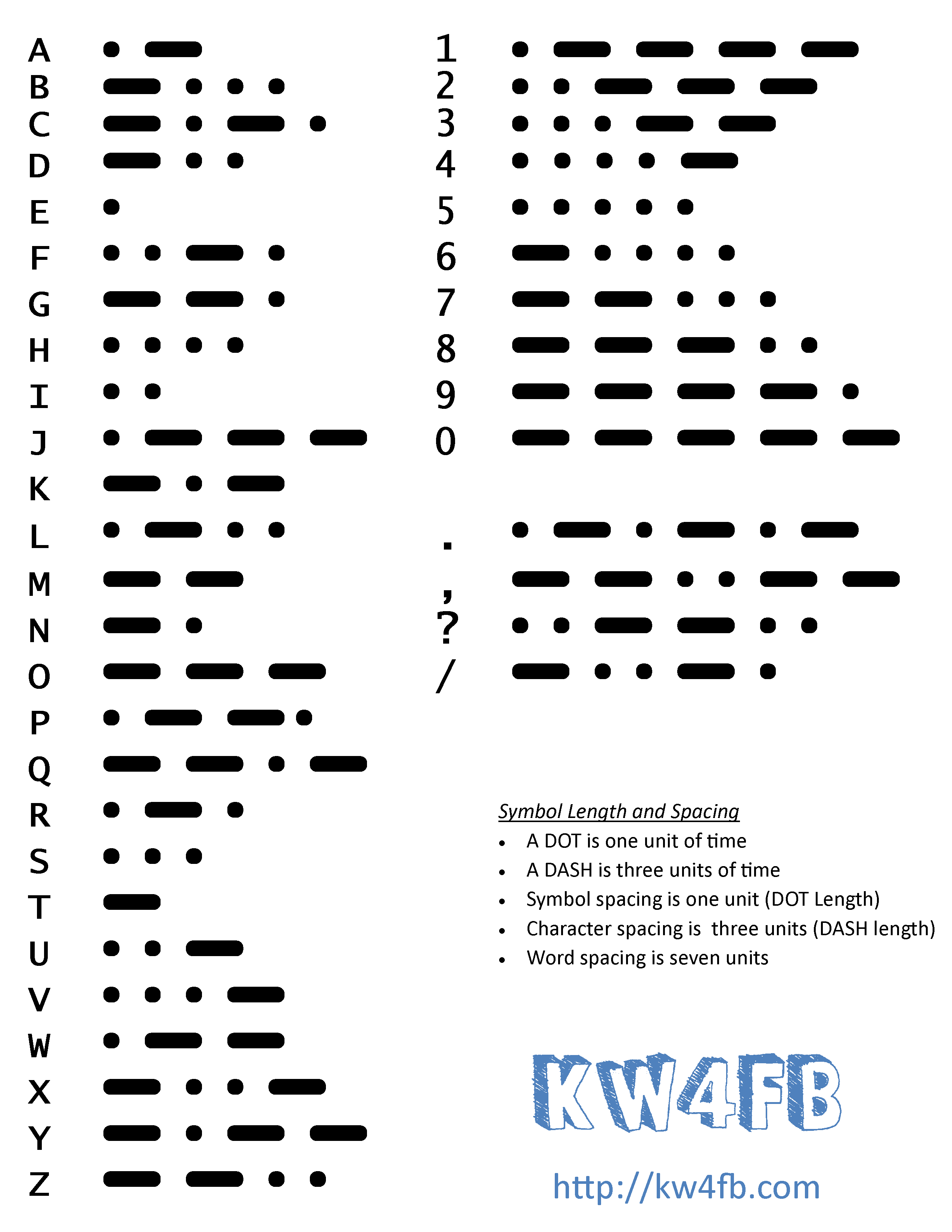
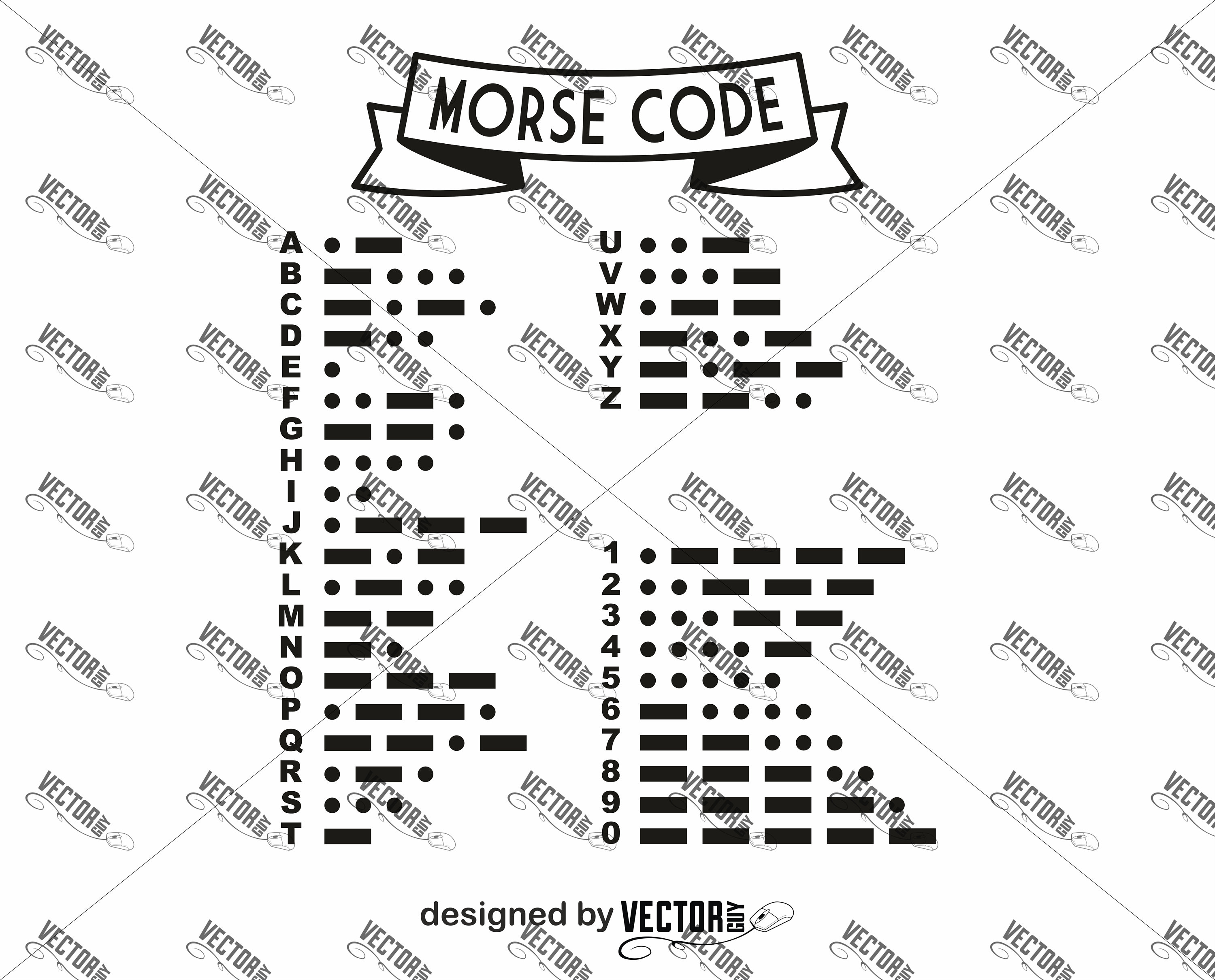
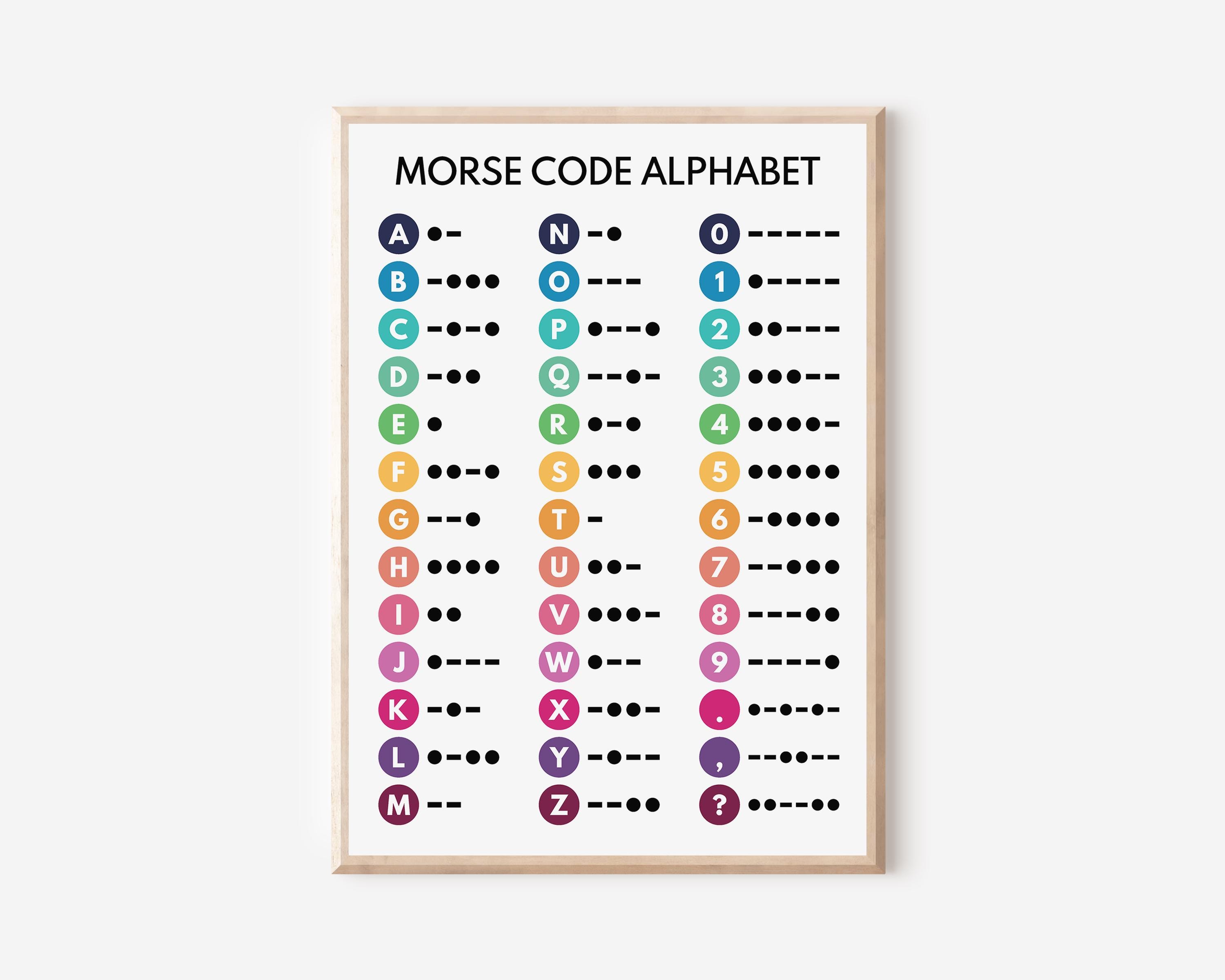
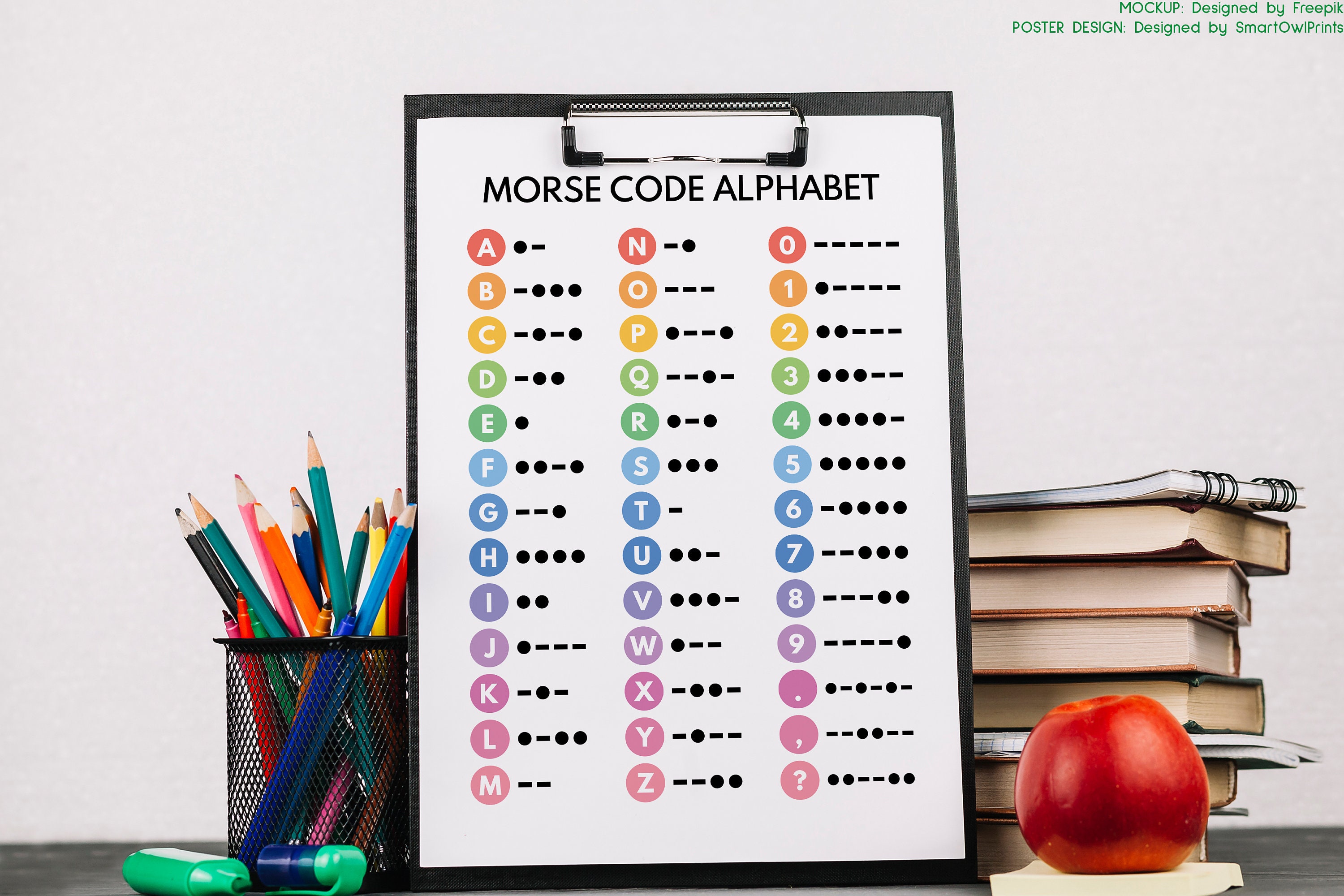
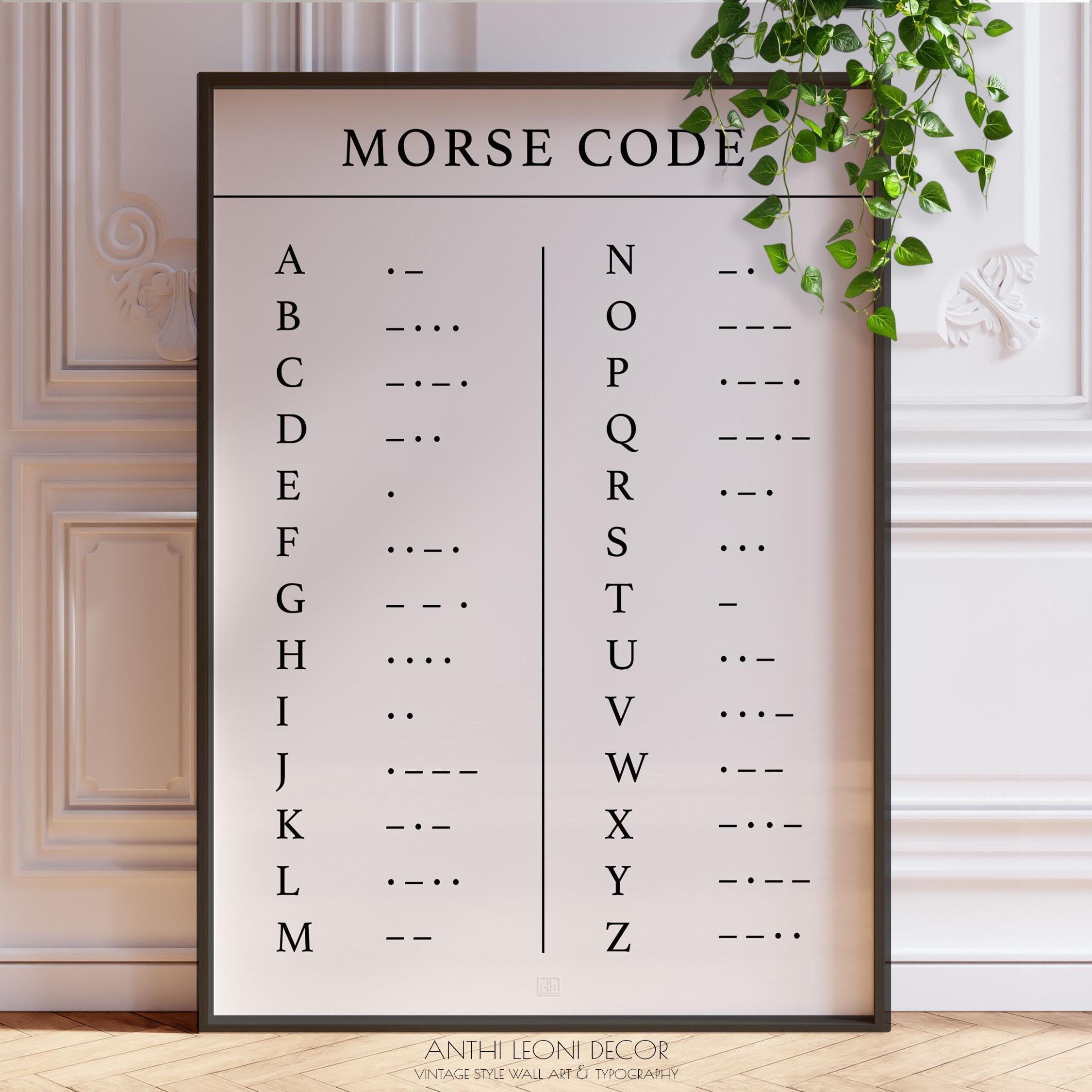
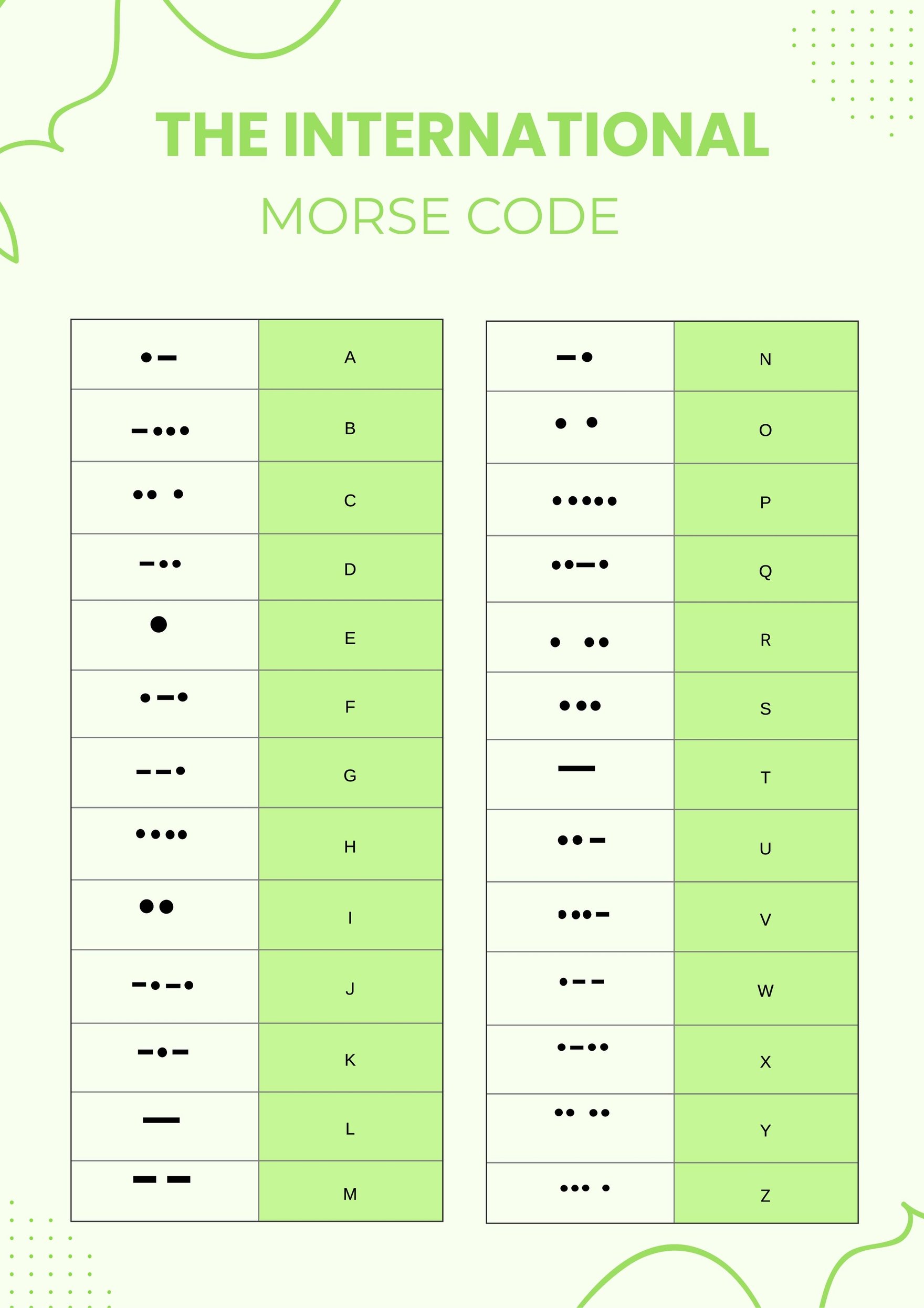
You've stumbled upon the Morris Code Chart, a handy tool that's a real lifesaver for those seeking a quick and efficient way to decipher and master Morse code. This chart is your go-to reference, offering a straightforward visual guide to understanding the international Morse code alphabet and its unique frequency patterns. It's a simple yet powerful resource, and you'll soon see why it's so popular!
The Morris Code Chart: Your Quick Reference Guide
The morris code chart is a handy tool for anyone wanting to learn or use Morse code. It provides a visual representation of the Morse code alphabet, numbers, and special characters, making it an essential reference for beginners and a quick guide for experienced users. This chart is your go-to resource for decoding and encoding messages efficiently.
International Morse Code vs. Other Standards
There are different versions of Morse code, but the most widely recognized is International Morse Code. This standard is used globally and is what the morris code chart typically represents. Other variations, like the American Morse Code or Continental Morse Code, exist but are less common and often used for specific purposes or in certain regions. It's important to note that while the basic principles remain the same, the symbols and timings can vary between these standards.
Step-by-Step Guide to Using the Morris Code Chart
Using the morris code chart is straightforward:
- Identify the character you want to encode or decode. This could be a letter, number, or special character.
- Locate the character on the chart. The chart usually arranges characters in a logical order, making it easy to find what you need.
- Read the corresponding Morse code representation. Each character has a unique sequence of dots and dashes, which you can then use to transmit or interpret the message.
- Practice and familiarize yourself with the code. The more you use the chart, the quicker you'll become at recognizing and recalling the Morse code sequences.
Common Misreadings and How to Avoid Them
One of the challenges with Morse code is the potential for misreading or misinterpretation. Here are some common pitfalls:
- Confusing similar-sounding codes: For instance, the letters "E" and "T" have very similar Morse code sequences. Practice and familiarity can help you distinguish between them.
- Mistaking the length of dashes: Dashes can vary in length, so ensure you're consistent and accurate when interpreting or transmitting.
- Overlooking the spaces: The spaces between characters and words are just as important as the dots and dashes. Pay attention to these gaps to ensure accurate decoding.
Factors Affecting Accuracy in Real-World Use
When using the morris code chart in practical situations, several factors can influence accuracy:
- Transmission quality: Interference, static, or poor signal quality can make it challenging to interpret Morse code accurately.
- Operator skill: The experience and proficiency of the person sending or receiving the message play a significant role.
- Environmental conditions: Factors like weather, distance, and the presence of obstacles can impact the clarity of the signal.
- Equipment: The type and quality of the equipment used for transmission and reception can affect the accuracy of the Morse code interpretation.
Adapting the Morris Code Chart for Specific Needs
While the morris code chart provides a standard reference, it can be adapted for specific purposes:
- Custom abbreviations: You can create your own abbreviations or shortcuts for frequently used phrases or words, making communication faster.
- Specialized charts: For certain industries or applications, specialized Morse code charts may be available, tailored to their unique needs.
- Practice and customization: Regular practice and customization of your Morse code skills can lead to creating your own efficient communication system.
Remember, the morris code chart is a versatile tool, and with practice, you can become proficient in using it for various communication needs.
Well, there you have it! A comprehensive guide to morse code charts and their practical uses. Remember, when it comes to choosing and using these charts, it's always best to consider your unique needs and the specific context you're working in. Exact values and details may vary, so be sure to double-check and adapt as required.
Feel free to explore our other guides and resources on related topics. We've got plenty of useful content to help you on your way, so take a look around and find what works for you!
Related: Dansko Size Chart: A Quick Reference Guide
Many people struggle with the initial step of understanding shoe size charts, often assuming they are a universal guide. However, it's important to note that Dansko's size chart, like many others, is specific to their brand and may differ from other shoe brands. This chart serves as a crucial tool to ensure a perfect fit, so let's clarify how to navigate it effectively. Size charts can vary, and Dansko's is no exception, offering a range of measurements and conversions to cater to different needs.
Dansko Shoe Size Chart: A Practical Guide
The Dansko size chart is an essential tool for anyone looking to purchase their perfect pair of Dansko shoes. It provides a clear and concise reference to help you find your ideal size, ensuring a comfortable and well-fitted shoe. This guide will walk you through the chart, its key details, and how to use it effectively.
Key Details and Categories
The Dansko size chart is designed to cater to both men and women, offering a comprehensive range of sizes. It typically displays shoe sizes in US measurements, with a clear indication of the corresponding European sizes for easy conversion. The chart provides length measurements in centimeters and inches, allowing for precise comparisons. Additionally, it may include width categories, such as narrow, medium, and wide, to ensure an accurate fit for different foot shapes.
Understanding and Reading the Chart
Using the Dansko size chart is straightforward. Here's a step-by-step guide:
Measure your foot length: Use a ruler or a measuring tape to determine the length of your foot in centimeters or inches. Ensure you measure from the heel to the longest toe for an accurate reading.
Locate your size: Find your foot length on the chart and identify the corresponding Dansko shoe size. The chart will typically have a clear indication of the size range it covers, making it easy to locate your ideal size.
Consider width: If the chart includes width categories, take note of your foot's width. This step is crucial for a comfortable fit, especially if you have wider or narrower feet.
Convert if needed: If you are more familiar with European sizes, the chart will provide a clear conversion guide, ensuring you choose the correct size.
Variations and Differences
It's important to note that shoe size charts can vary slightly between brands and manufacturers. Dansko size charts are designed to provide a consistent fit, but individual foot shapes and preferences may require some adjustments. Additionally, regional differences in sizing standards can impact the chart's accuracy. Always refer to the specific Dansko size chart for the most accurate information.
Common Mistakes and How to Avoid Them
One common mistake is assuming that all shoe brands have the same sizing standards. While Dansko size charts are reliable, it's essential to double-check the brand's specific size guide. Another pitfall is neglecting to measure both feet, as slight differences can occur. Always measure both feet and choose the size that corresponds to the larger foot.
Tips for a Perfect Fit
To ensure an accurate and comfortable fit, consider these practical tips:
Take your time and measure your feet accurately. A slight miscalculation can lead to an ill-fitting shoe.
If you are between sizes, it's generally recommended to size up for a more comfortable fit, especially if you plan to wear thick socks.
Pay attention to the width category, as a narrow or wide foot may require a specific fit.
Consider the type of shoe and its intended use. Some Dansko styles may have slightly different fits, so choosing the right style for your activities is crucial.
Double-Checking and Edge Cases
While the Dansko size chart is a reliable guide, it's always a good idea to double-check your measurements and the specific shoe style's sizing details. If you have unique foot characteristics, such as a high arch or wide toes, you may need to consult a specialist or try the shoes on in-store to ensure a perfect fit.
The Dansko size chart is a valuable tool, offering a straightforward and accurate way to find your ideal shoe size. By following this guide and considering individual foot characteristics, you can ensure a comfortable and well-fitted Dansko shoe experience.
Well, there you have it! A comprehensive guide to understanding the Dansko size chart and its applications. Remember, when it comes to sizing, it's always a good idea to refer back to your specific needs and preferences. Dansko's size chart provides a great starting point, but exact values can vary, so it's wise to double-check and ensure a perfect fit.
Feel free to explore our other resources and guides; we have a range of practical tips and insights to offer, all designed to make your shopping experience smoother and more informed. Happy browsing!