
The allure of gold has long been a siren’s call to adventurers and prospectors, and one of the most infamous gold rushes in history is the Yukon Gold Rush. This phenomenon, which took place in the late 1890s, drew thousands of people to the unforgiving terrain of Canada’s Yukon Territory, all with the hopes of striking it rich. The story of the Yukon Gold Rush is one of perseverance, hardship, and transformation, leaving an indelible mark on the region and its people.
To understand the scale and significance of the Yukon Gold Rush, it’s essential to delve into its historical context. The discovery of gold in the Klondike region of the Yukon, made by Skookum Jim Mason, Tagish Charlie, and George Carmack in 1896, sent shockwaves throughout North America. News of the discovery spread like wildfire, drawing in a diverse crowd of prospectors, adventurers, and entrepreneurs. These individuals, often with little more than a glimmer of hope and a determination to succeed, embarked on the arduous journey to the Yukon, facing countless challenges along the way.
One of the most significant challenges faced by these prospectors was the journey itself. The route to the Yukon was treacherous, involving a trek through dense forests, across raging rivers, and over steep mountain passes. The most popular route, known as the Chilkoot Trail, was a 33-mile path that wound its way through the Coast Mountains, requiring prospectors to haul heavy loads of gear and supplies. This journey was not for the faint of heart, and many would-be miners were forced to turn back due to the harsh conditions.
For those who persevered, the rewards were potentially great. The gold fields of the Yukon, particularly in the Klondike region, were incredibly rich, with some claims producing vast amounts of gold. The most successful miners were those who arrived early, staking their claims on the most promising land. However, even for these individuals, the work was grueling, involving long hours of manual labor in the freezing cold. The process of extracting gold from the earth was labor-intensive, requiring the use of picks, shovels, and pans to separate the gold from the dirt and gravel.
The Yukon Gold Rush also had a profound impact on the indigenous population of the region. The sudden influx of outsiders brought significant changes to the traditional way of life, including the introduction of new diseases, the disruption of hunting and fishing patterns, and the loss of land and resources. The indigenous people, including the Han, Tagish, and Gwitch’in, played a crucial role in the gold rush, serving as guides, packers, and traders. However, they also faced significant challenges, including the loss of their traditional lands and the erosion of their cultural heritage.
In addition to the indigenous population, the Yukon Gold Rush also attracted a diverse range of individuals, including Americans, Canadians, Europeans, and Asians. This diverse group of people brought with them a wide range of skills, experiences, and cultural practices, which would eventually shape the character of the Yukon. The gold rush also led to the establishment of new towns and cities, including Dawson City, which became the epicenter of the gold rush. Dawson City was a bustling metropolis, complete with hotels, restaurants, and entertainment venues, and it played a crucial role in the development of the Yukon.
The legacy of the Yukon Gold Rush can still be seen today. The region’s economy was forever changed, with the gold rush paving the way for further mineral exploration and development. The gold rush also led to significant infrastructure development, including the construction of roads, bridges, and trails. Additionally, the gold rush played a crucial role in the development of the tourism industry in the Yukon, with many visitors drawn to the region’s rich history and stunning natural beauty.
In terms of the impact on the environment, the Yukon Gold Rush had a significant impact on the region’s ecosystem. The large-scale mining activities led to deforestation, soil erosion, and water pollution, which had a devastating impact on the local wildlife. The introduction of non-native species, such as dogs and cats, also had a significant impact on the local ecosystem. However, in recent years, there has been a growing effort to restore and protect the region’s environment, including the establishment of national parks and wildlife reserves.
In conclusion, the Yukon Gold Rush was a pivotal event in the history of the Yukon, drawing thousands of people to the region in search of gold and transforming the local economy and culture. While the gold rush had a significant impact on the environment and the indigenous population, it also played a crucial role in the development of the region and its people. As we look to the future, it’s essential to learn from the lessons of the past and to work towards a more sustainable and equitable future for the Yukon.
Key Takeaways
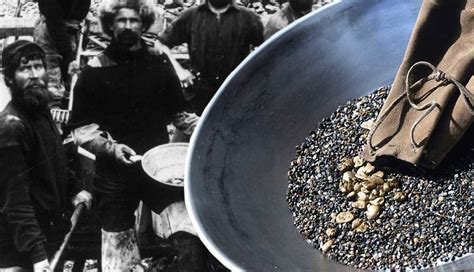
The Yukon Gold Rush was a significant event in the history of the Yukon, with a profound impact on the region and its people. The gold rush drew thousands of people to the region, including prospectors, adventurers, and entrepreneurs. The journey to the Yukon was treacherous, involving a trek through dense forests, across raging rivers, and over steep mountain passes. The gold rush had a significant impact on the indigenous population, including the introduction of new diseases, the disruption of hunting and fishing patterns, and the loss of land and resources. The gold rush also had a significant impact on the environment, including deforestation, soil erosion, and water pollution.
What was the significance of the Yukon Gold Rush?
+The Yukon Gold Rush was a significant event in the history of the Yukon, drawing thousands of people to the region in search of gold and transforming the local economy and culture.
What were the challenges faced by prospectors during the Yukon Gold Rush?
+The challenges faced by prospectors during the Yukon Gold Rush included the treacherous journey to the Yukon, the harsh climate, and the difficulty of extracting gold from the earth.
What was the impact of the Yukon Gold Rush on the indigenous population?
+The Yukon Gold Rush had a significant impact on the indigenous population, including the introduction of new diseases, the disruption of hunting and fishing patterns, and the loss of land and resources.
In terms of future prospects, the Yukon continues to be an important player in the global mining industry, with a number of major mining projects currently underway. The region’s stunning natural beauty and rich cultural heritage also make it an attractive destination for tourists, with a growing number of visitors drawn to the region each year. However, as the region continues to develop and grow, it’s essential to prioritize sustainability and environmental protection, ensuring that the benefits of development are shared equitably among all stakeholders.
Overall, the Yukon Gold Rush was a complex and multifaceted event that had a profound impact on the region and its people. As we reflect on the legacy of the gold rush, it’s essential to consider both the positive and negative consequences of this event and to work towards a more sustainable and equitable future for the Yukon. By learning from the lessons of the past and prioritizing sustainability and environmental protection, we can ensure that the region continues to thrive and grow, while also protecting the natural beauty and cultural heritage that make it so unique.