


Zoho Receipt Template Overview
I've just moved into a new house, and I'm thinking about making some changes. It's an older place, and I want to put my stamp on it with a custom home renovation. I've heard that projects like these can be a real headache, so I'm doing my research first. Here's what I've found out.
What's Custom Home Renovation All About?
Custom home renovation is all about transforming your living space to fit your unique needs and style. It's not just about adding value to your home; it's about creating a space that feels truly yours. Whether you want to update your kitchen, add a new room, or completely overhaul your exterior, custom home renovation gives you the freedom to design and build something special.
The process involves a lot of planning and decision-making. You'll need to consider the scope of your project, choose the right professionals, and manage costs effectively. It's a big undertaking, but the results can be incredibly rewarding.
Finding the Right Professionals
One of the most important steps is hiring the right team. You'll want to work with reputable custom home renovation companies or general contractors who have experience in the type of project you're planning. Check their past work, ask for references, and make sure they have the necessary licenses and insurance.
When getting quotes, compare apples to apples. Make sure each contractor is providing a detailed breakdown of the work and materials, so you can easily see what's included. Don't be afraid to ask questions and clarify any uncertainties. A good contractor will be transparent and happy to explain their process.
Cost Considerations
Costs can vary widely depending on the scale and complexity of your project. Factors like the size of the renovation, the materials you choose, and the labor involved will all impact the final price. It's a good idea to get multiple written quotes to compare and ensure you're getting a fair deal.
To keep costs down, consider doing some of the simpler tasks yourself if you have the skills and time. You can also look for ways to save on materials by shopping around or opting for more affordable options without compromising quality.
Naming Your Business
If you're in the construction industry, choosing a business name is crucial. It should be memorable, reflect your services, and stand out from the competition. Some examples of catchy names could be "Build-It-Right Construction," "Renovate and Revive," or "Home Transformation Specialists."
Before settling on a name, check its availability for domains and local business registration. You want to ensure you can build a strong brand identity without legal issues.
Industry Tools and Data
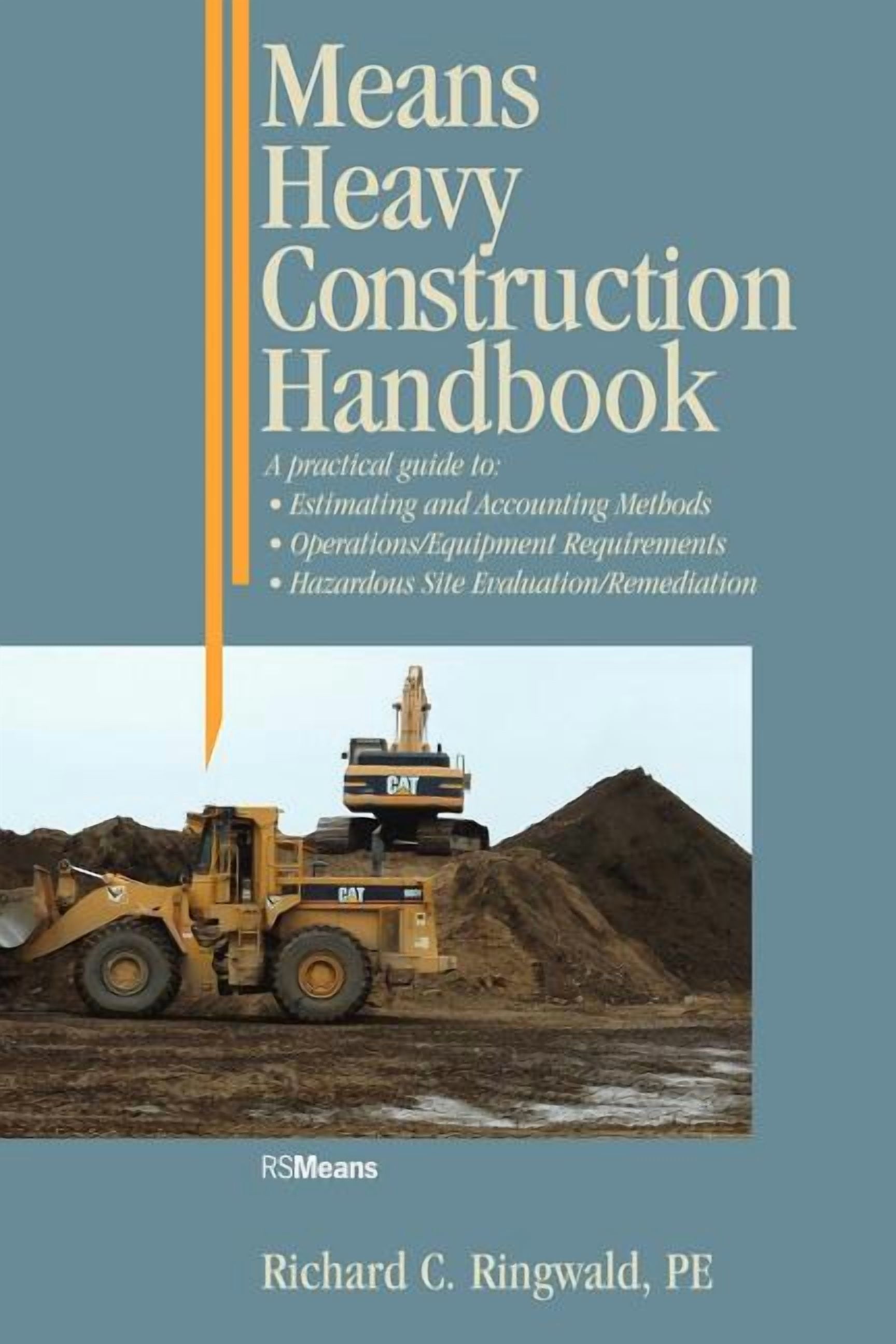
The construction industry uses various tools and resources to estimate costs and manage projects. One popular tool is RSMeans, which provides cost data and estimates for different construction projects. It's a valuable resource for professionals to ensure accurate pricing and stay competitive.
Large vs. Small Companies
The construction industry has a range of companies, from small local businesses to large national firms. Small companies often offer a more personalized service and can be more flexible with unique projects. They may have a tighter-knit team and a more hands-on approach.
Larger companies, on the other hand, often have more resources, specialized teams, and a broader range of services. They can handle more complex projects and have the infrastructure to manage larger-scale renovations.
Jobs and Opportunities
The custom home renovation industry offers a variety of job roles. From estimators who calculate costs to project managers who oversee the entire process, there are opportunities for skilled professionals. Salaries can vary depending on experience and the specific role.
If you're interested in working in this field, check job boards, construction company websites, and local industry networks. Building a network and gaining experience can open doors to great opportunities.
I hope this gives you a good overview of custom home renovation. It's an exciting process, and with the right knowledge and professionals, you can create your dream home. Happy renovating!
Related: RSMeans Estimating Essential Guide For Builders
RSMeans estimating... it's a term I've come across recently, and I was curious to know more. As someone who's dabbled in home renovations and heard about construction projects, I wanted to understand what this phrase means and how it relates to the world of building and remodeling. So, let's dive in and uncover the secrets behind RSMeans estimating!
Unraveling the Mystery: What is RSMeans Estimating?
RSMeans estimating is a tool, a resource, and a method used by construction professionals to estimate the costs and pricing of various projects. It's like a handy guide that helps builders, contractors, and even homeowners like me make informed decisions. This estimating process considers factors like labor, materials, and the overall scope of the work to provide an accurate cost estimate.
For those of us considering a home renovation, understanding RSMeans estimating can be a game-changer. It empowers us to compare quotes, ensure we're getting a fair deal, and make smart choices about our projects. Whether it's a bathroom renovation or a full-scale house addition, having a reliable estimate is crucial.
Hiring the Right Contractor: A Guide
When it comes to hiring a contractor for your project, RSMeans estimating can be a valuable tool. It helps you evaluate quotes and understand the breakdown of costs. Here's a simple guide:
- Check the contractor's experience and reputation.
- Ask for references and read reviews.
- Get multiple quotes and compare them.
- Ensure the quote covers all aspects of the job.
- Look for transparency and clear communication.
A good quote should detail the work, materials, and labor costs. It should also include any potential additional expenses, like permits or unexpected issues. Remember, it's not just about the lowest price; it's about finding a reliable and skilled contractor who understands your vision.
Construction Business Names: A Creative Challenge
Naming a construction business is an art! It's a chance to be creative and leave a lasting impression. A great name should be memorable, reflect your company's values, and stand out in a competitive market. Here are a few ideas:
- BuildCraft
- HomeWorkz
- SkyRise Solutions
- EarthMovers
- Brick & Mortar Pros
- BuildTech Innovations
Before settling on a name, check its availability for domains and local registration. You want to ensure your business name is unique and can be easily found online.
The World of Construction Jobs
The construction industry offers a wide range of roles, from estimators to project managers and skilled laborers. Estimator jobs, for instance, involve using tools like RSMeans to calculate costs accurately. These professionals are in demand and play a crucial role in the success of projects.
If you're interested in construction jobs, explore online job boards, local newspapers, and industry-specific websites. Many construction companies also advertise directly on their websites, so it's worth keeping an eye out for openings.
RSMeans: A Powerful Tool for Professionals
RSMeans is a trusted resource in the construction industry. It provides cost databases, escalation data, and cost indexes, helping professionals make informed decisions. Whether you're a general contractor or a remodeling company, RSMeans estimating offers valuable insights.
This tool is especially useful when planning projects, as it helps anticipate costs and stay within budget. It's a go-to resource for many in the industry, providing accurate and up-to-date information.
Big vs. Small: The Construction Industry Landscape
The construction industry is diverse, with both large corporations and small, local businesses. Large firms often have the resources to take on major projects and offer a wide range of services. They may have a broader reach and access to more specialized skills.
Small businesses, on the other hand, can provide a more personalized experience. They often have a strong local presence and can offer competitive pricing. When choosing a company, consider your project's scope and your preferences for size and expertise.
In conclusion, RSMeans estimating is a valuable tool for anyone involved in construction, remodeling, or building projects. It empowers us to make informed decisions, compare costs, and ensure a successful outcome. So, whether you're in Atlanta, Baltimore, or San Francisco, RSMeans estimating is a resource worth exploring!
Related: Find the Right Tooth Shade Chart for You
A common misconception about tooth shade charts is that they are complex and intimidating tools, reserved only for dental professionals. However, these charts are designed to be accessible and practical, offering a simple visual reference for anyone seeking to understand tooth shades accurately. The tooth shade chart, whether in the form of a guide or a scale, provides a clear and organized way to identify and match tooth colors, and it's an essential tool for various dental procedures and aesthetic treatments.
A Practical Guide to Tooth Shade Charts
Tooth shade charts are essential tools for dental professionals and technicians, offering a standardized way to assess and communicate tooth color. These charts provide a reference point for various dental procedures, ensuring accurate shade matching and aesthetic outcomes.
Comparing Standard Shade Guides
The most widely recognized tooth shade guide is the Vitapan 3D-Master Shade Guide. This guide features a systematic arrangement of shades, typically organized in a step-like structure, with each step representing a different shade range. Other popular systems include the Tabulation of Tooth Color and the Dental Shade Guide, which offer similar shade categorization but may vary in their specific numbering or labeling systems.
Practical Shade Matching Process
Using a tooth shade chart accurately involves a straightforward process:
- Prepare the teeth: Ensure the teeth are clean and dry, free from any debris or moisture.
- Lighting conditions: Standardize lighting to ensure consistent and accurate shade assessment. Natural daylight or specialized dental lighting systems are often recommended.
- Select the guide: Choose the appropriate shade guide based on the specific dental procedure and the patient's needs.
- Compare and match: Hold the guide next to the teeth and compare the shades. Look for the closest match, considering both the overall color and any subtle variations.
- Record the shade: Note the shade code or name from the guide for future reference and communication.
- Verify and confirm: Double-check the shade with the patient and ensure it aligns with their expectations and preferences.
Avoiding Misinterpretations and Pitfalls
While tooth shade charts are valuable, misinterpretations can occur. Here are some common pitfalls and how to avoid them:
- Lighting: Inconsistent lighting can lead to incorrect shade assessments. Always ensure proper lighting conditions to maintain accuracy.
- Teeth preparation: Poorly prepared teeth, with residual stains or moisture, can affect shade matching. Proper cleaning and drying are essential.
- Chart variations: Different shade guides may have slight variations in their shade ranges and labeling. Always refer to the specific guide's instructions and double-check the shade codes.
- Individual variations: Keep in mind that tooth color can vary due to factors like age, genetics, and oral health. Be mindful of these variations and communicate them clearly.
- Environmental factors: External factors like lighting conditions and the patient's overall complexion can influence shade perception. Take these into account during the matching process.
By following these guidelines and being aware of potential pitfalls, dental professionals can utilize tooth shade charts effectively, ensuring precise shade matching and enhancing the overall patient experience.
Using a tooth shade chart is a straightforward process, but it's important to remember that the exact values and shades can vary slightly, so always refer to the specific standard or source you're working with. Double-check the details and ensure you're using the right guide for your needs.
Feel free to explore our other guides and resources; we've got plenty of practical information to help you navigate various topics. It's always a good idea to expand your knowledge and stay informed!