Zzz Rerun Chart Template Overview
A navy ribbon chart is a handy tool for anyone working with ribbons, especially those in the navy blue shade. This guide will give you a quick rundown on what these charts are and how they can be useful.
Ribbon charts are a simple yet effective way to visualize and understand ribbon measurements. They provide a clear overview of ribbon width, length, and size, ensuring accuracy and consistency. While the values may vary depending on the context and region, these charts offer a reliable reference point.
Understanding the Navy Ribbon Chart: A Quick Overview
The navy ribbon chart is a handy tool for anyone working with navy blue ribbons, whether for crafting, sewing, or other projects. It provides a visual guide to help you choose the right ribbon size and understand its dimensions. This chart is especially useful when you need precise measurements and want to avoid any guesswork.
Comparing Ribbon Sizes and Formats
Ribbon sizes can vary, and the navy ribbon chart typically covers a range of standard widths and lengths. You'll find ribbon widths expressed in inches or centimeters, depending on the chart's standard. Common widths include 1/4", 1/2", 1", and 2" for inch-based charts, and 0.6 cm, 1.2 cm, 2.5 cm, and 5 cm for metric charts. Lengths can vary greatly, often offered in standard rolls of 10, 25, or 50 yards, or sold by the yard.
Step-by-Step Guide: Using the Navy Ribbon Chart Accurately
To use the navy ribbon chart effectively:
Identify the ribbon width you need for your project. This is crucial as it determines the ribbon's visual impact and functionality.
Refer to the chart to find the corresponding length options for that width. The chart will show you the standard roll lengths available for that width.
Consider the quantity you require. If you need a large quantity, it's often more cost-effective to opt for longer roll lengths, even if it exceeds your immediate needs.
Double-check the ribbon's intended use. Some ribbons, while similar in appearance, may have different purposes, such as gift wrapping or crafting. Ensure you choose the right type for your project.
Take note of any special features or finishes, such as wired edges or specialty prints, as these can impact the ribbon's behavior and appearance.
Avoiding Common Misreadings and Pitfalls
It's easy to misinterpret the navy ribbon chart if you're not familiar with ribbon terminology. Here are some common mistakes and how to avoid them:
Ribbon Width: Always clarify if the width is measured flat or folded. Some charts specify this, but others assume you know. Flat width is the full width, while folded width is half of that.
Ribbon Length: Be aware that some charts may list length in yards, while others use meters. Always check the units to ensure accuracy.
Special Features: Certain ribbons have unique features, like wired edges or printed patterns. These may not be immediately obvious on the chart, so always read the fine print or product description.
Color Variation: While the focus is on navy blue, different manufacturers may have slight variations in color shade. If color match is critical, request a sample or check reviews for consistency.
Factors Affecting Accuracy and Real-World Use
While the navy ribbon chart is a valuable tool, it's important to remember that real-world applications can vary. Here are some key factors to consider:
Manufacturing Tolerances: Ribbon dimensions can have slight variations due to manufacturing processes. Always allow for a small margin of error, especially for critical projects.
Material Stretch: Some ribbon materials, like satin or grosgrain, have more stretch than others. Consider this when choosing the ribbon, especially if precise measurements are essential.
Environmental Factors: Heat, humidity, and storage conditions can affect ribbon dimensions over time. Store your ribbons properly to minimize these effects.
Project Requirements: Different projects have unique demands. Always review your specific needs and consider factors like durability, ease of use, and visual appeal.
The navy ribbon chart is a practical guide, but it's just the starting point. By understanding these factors and using the chart accurately, you'll be well-equipped to choose the perfect ribbon for your projects.
Hey there! I hope this guide has given you a clear understanding of navy ribbon charts and their practical use. Remember, while the basics remain the same, the exact details might differ slightly based on your specific situation and the standards you're working with.
Feel free to explore other guides on our site for more detailed insights and variations. We've got a range of topics covered, so you can dive deeper into any area that piques your interest. Happy learning!
Related: Understand Jupiter's Tide Chart Easily
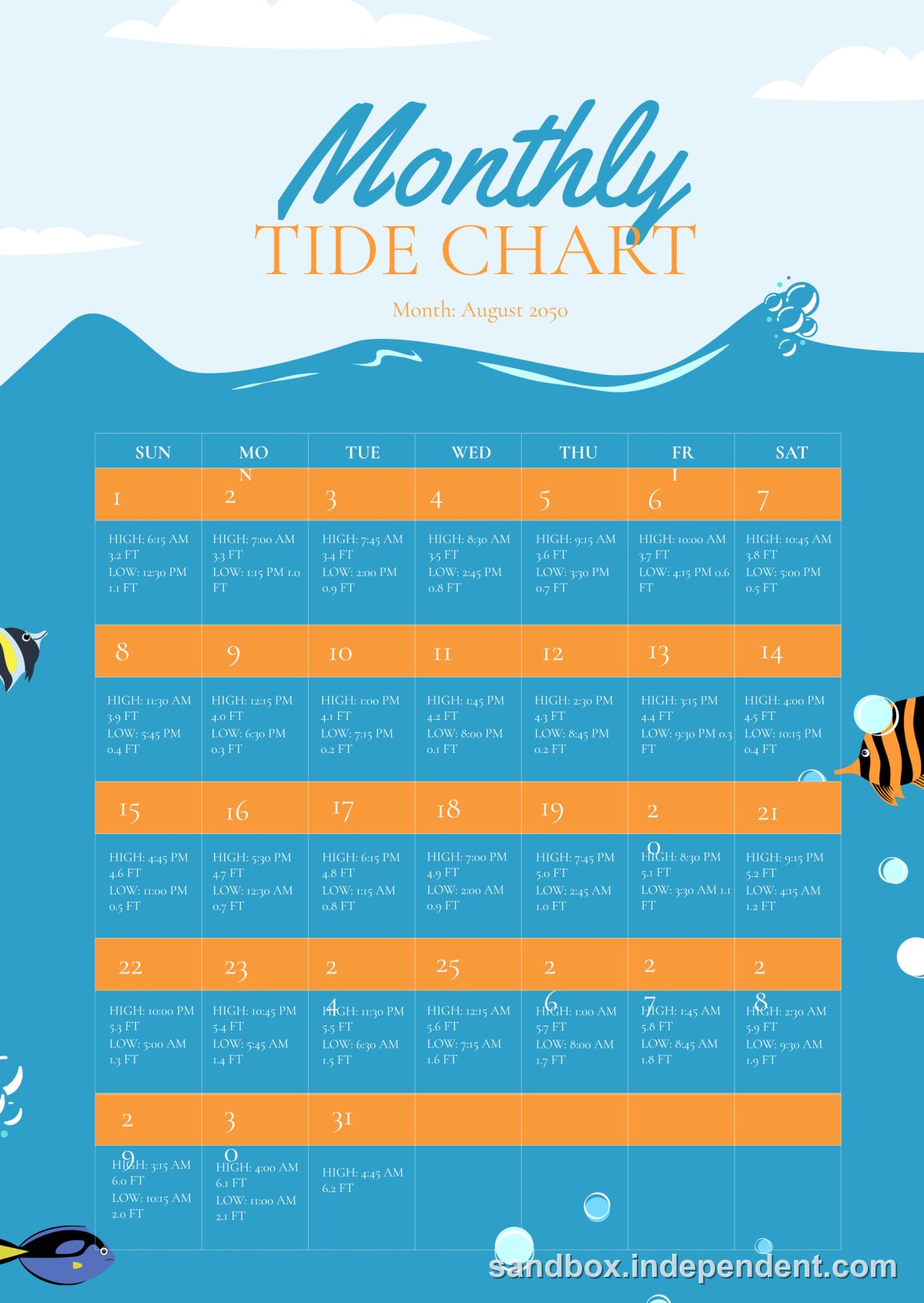
Many people assume that the Jupiter tide chart is only relevant for those visiting the planet, but it's a valuable tool for understanding tidal patterns right here on Earth too! While it might seem like an exotic concept, the Jupiter tide chart is actually a practical and accessible resource.
This chart provides a simple way to visualize and predict tidal movements, offering insights into Jupiter's tidal data and patterns. It's an easy-to-use reference, especially when you know how to read it accurately, and can be a helpful guide for understanding Jupiter's water levels and current tides.
Understanding the Jupiter Tide Chart
The jupiter tide chart is a valuable tool for anyone interested in tracking and understanding the tidal patterns of Jupiter. It provides a visual representation of the water levels and tidal ranges over a specific period, typically a day or a week. This chart is an essential guide for activities like boating, fishing, or simply enjoying the jupiter water levels.
Comparing Chart Formats and Standards
There are various formats for jupiter tidal charts, but the most common ones use a simple bar graph or line graph. The horizontal axis represents time, often in 24-hour intervals, while the vertical axis shows the water level or tidal range. Some charts may also include additional information, such as current speeds or moon phases, which can influence the tides. It's important to note that the units and scales may vary depending on the region and the standard being used. For example, the US may use different units compared to international standards.
Using the Jupiter Tide Chart Step by Step
To make the most of your jupiter tide chart, follow these steps:
Identify the time frame: Determine the period you want to analyze, whether it's a day, a week, or a specific time interval.
Locate the time of interest: Find the corresponding time on the horizontal axis.
Read the water level: The vertical axis will show the water level or tidal range at that specific time.
Plan your activities: With the water level information, you can now plan your boating, fishing, or other water-related activities accordingly. For instance, higher water levels might be ideal for certain fishing techniques, while lower levels could expose interesting coastal features.
Consider seasonal variations: Remember that jupiter tidal patterns can also change with the seasons. So, if you're planning an activity over a longer period, consider the seasonal trends and adjust your plans accordingly.
Common Misreadings and How to Avoid Them
When using a jupiter tide chart, it's important to be aware of potential misreadings:
Time intervals: Ensure you're reading the correct time interval. Some charts may have hourly intervals, while others might use half-hourly or even 15-minute intervals.
Units and scales: Be mindful of the units used. Different charts may use feet, meters, or even a scaled representation. Always check the chart's legend or key to understand the units and scales accurately.
Seasonal and weather variations: Jupiter tidal ranges can be influenced by seasonal changes and weather conditions. Always consider these factors and cross-reference with local weather forecasts.
Chart accuracy: While jupiter tidal charts are a great tool, they are estimates and may not account for all variables. Always double-check the exact specifications and conditions for critical activities or when safety is a concern.
By following these guidelines, you'll be able to accurately interpret and utilize the jupiter tide chart for your adventures on Jupiter's waters.
Jupiter tide charts are a handy tool for anyone interested in planning their activities around this fascinating phenomenon. With the different options and formats available, it's easy to find a chart that suits your needs.
Following the step-by-step guide, you can avoid common pitfalls and ensure an accurate reading. Remember, these charts provide a general guide, so it's always wise to double-check and consider any specific local factors that might affect the tides.
Feel free to explore our other guides and resources for more practical tips and insights. We've got you covered!
Related: How to use the Vans size chart?
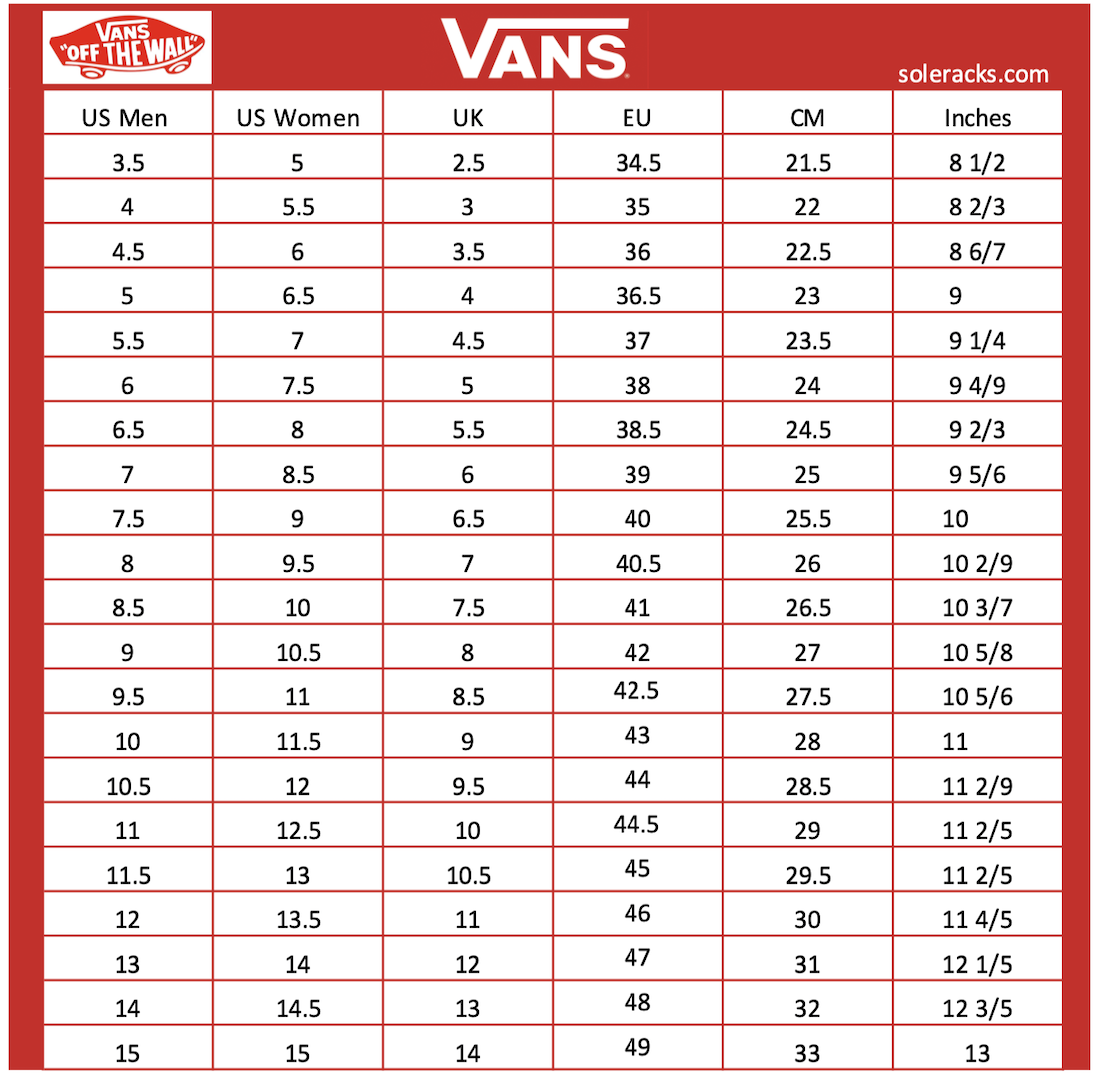
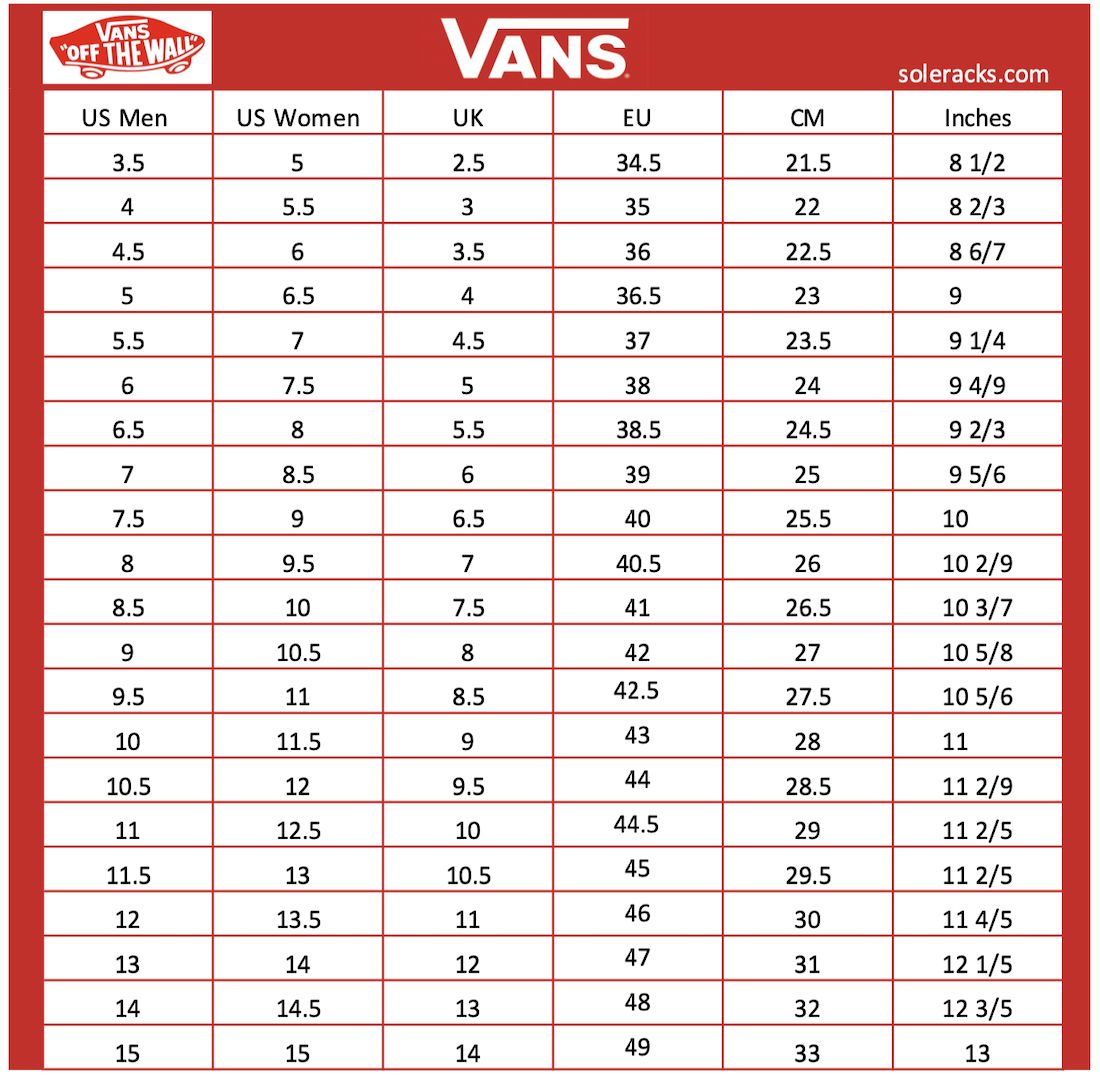
You're on a mission to find the perfect fit for your new Vans, and the Vans size chart is your trusty guide. It's a simple yet effective tool, offering a quick and reliable way to ensure you get the right size. This chart, a handy reference, provides an easy-to-read overview of men's and women's sizes, with length and width measurements to help you match your feet to the ideal pair. While the values may vary slightly depending on the style and region, the Vans size chart is a great starting point for an accurate fit.
Understanding Vans Size Chart
The Vans size chart is your go-to guide for finding the perfect fit for your favorite Vans sneakers. It's a handy tool that simplifies the sizing process, ensuring you get the right size for a comfortable and stylish stride.
Key Details and Categories
This chart provides a comprehensive breakdown of Vans shoe sizes, covering both men's and women's styles. The sizes are typically presented in US standard measurements, with length and width dimensions for each size. You'll find a clear table or diagram, making it easy to locate your ideal size.
Step-by-Step Guide to Reading the Chart
Here's a simple guide on how to navigate the Vans size chart:
- Identify your gender: The chart often separates men's and women's sizes, so start by locating the relevant section.
- Find your US size: Look for the column or row labeled with your US shoe size.
- Check the length and width: The chart will provide measurements for both length and width, ensuring a precise fit.
- Convert if needed: If you're more familiar with international sizes, use the conversion chart provided to find your equivalent US size.
- Choose your style: Different Vans styles might have slight variations, so ensure you're referring to the correct style guide.
Variations and Differences
It's important to note that shoe sizing can vary slightly between brands and even within the same brand for different styles. Vans, like many other shoe manufacturers, may have slight variations in their sizing charts to accommodate different foot shapes and preferences. These variations ensure a comfortable fit for a wide range of wearers.
Common Mistakes and How to Avoid Them
One common mistake is assuming that your Vans size will be the same as your regular shoe size. Always refer to the Vans shoe size chart specifically, as it may differ from other brands you wear. Another pitfall is neglecting to measure your foot properly. Ensure you follow the provided guidelines for accurate measurements.
Tips for Accurate Sizing
To ensure an accurate fit, consider these practical tips:
- Measure your foot regularly, especially if you're between sizes or notice any changes.
- Try on multiple sizes if possible, especially if you're new to Vans or have unique foot characteristics.
- Pay attention to the width measurements; a wide foot might require a different size than what you usually wear.
- Consider the style of Vans you prefer; some styles might fit slightly differently due to their design.
Double-Checking and Handling Exceptions
While the Vans size chart is a reliable guide, it's always a good idea to double-check the specific style and model you're interested in. Some Vans styles might have unique features or fit preferences, so referring to the detailed sizing guide for that particular style is recommended. Additionally, if you have unique foot characteristics, such as a wide or narrow foot, you may need to adjust your size accordingly. Always trust your comfort and fit preferences.
Well, there you have it! A comprehensive guide to understanding the Vans size chart. It's always best to be prepared and know your size, especially when it comes to finding the perfect fit.
Remember, while this guide provides a solid foundation, it's always wise to check the specific size chart for the style you're interested in. Vans, like many brands, may have slight variations, so double-checking ensures you get the right size for your feet. Happy shopping, and don't forget to explore our other helpful guides to enhance your shoe-buying experience!