


4th Of July Coloring Pages Printable Overview
I've got a question for you: when you think of a construction company, what's the first thing that pops into your mind? Is it the name? I mean, let's be real, some of those names are pretty memorable, right? But for those of us starting out or rebranding, finding the perfect name can be a challenge. So, let's dive into construction company name suggestions and uncover some tips and ideas to help you out.
Unlocking the Perfect Name
When it comes to naming your construction business, there's more to it than just coming up with a catchy phrase. You want a name that represents your company's values, services, and maybe even your unique selling point. It should be memorable and professional, leaving a lasting impression on potential clients. So, how do you achieve this? Well, let's explore some key considerations.
First, think about the services you offer. Are you a general contractor, a remodeling expert, or do you specialize in a particular area like green building or historic restoration? Your name can reflect this, giving customers an instant idea of what you do. For example, "Green Build Construction" hints at an eco-friendly focus, while "Classic Renovations" suggests a company that specializes in restoring older homes.
Next, consider your target audience. Are you aiming for a local, neighborhood feel, or do you want a name that conveys a more regional or national reach? A name like "Baltimore Builders" might appeal to a local audience, while "Nationwide Construction" could attract a wider client base.
Standing Out and Staying Legal
A unique and memorable name is great, but you also want to avoid any legal issues. Check the availability of your chosen name with your local business registration office and domain name registrars. You don't want to spend time and effort building a brand only to discover someone else has already claimed the name!
It's also worth considering the tone and imagery your name conveys. You might want to avoid anything too playful or lighthearted if you're aiming for a more serious, high-end clientele. On the other hand, a fun and catchy name could be perfect for a company targeting younger, more casual customers.
A Few Name Ideas to Inspire
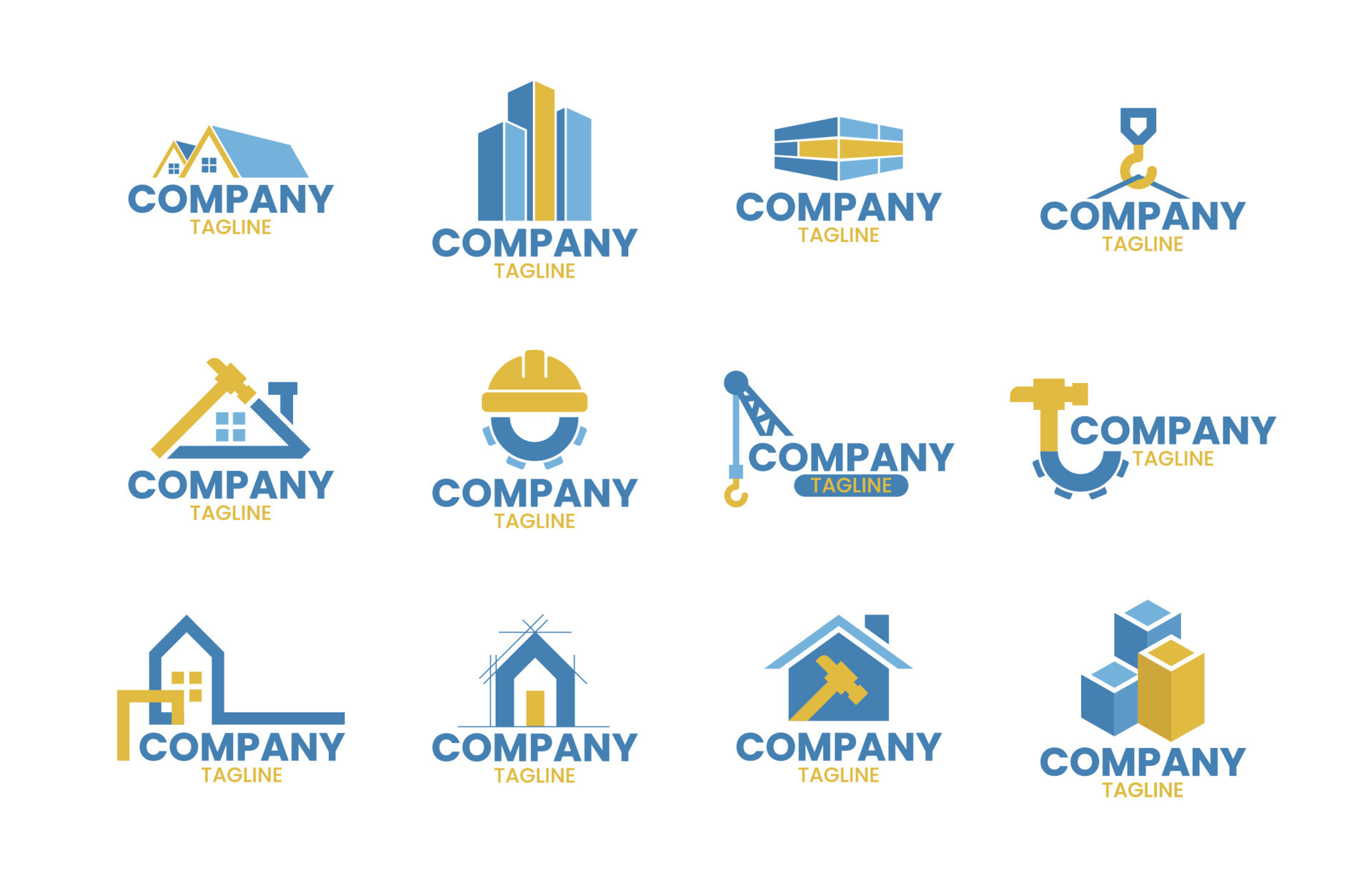
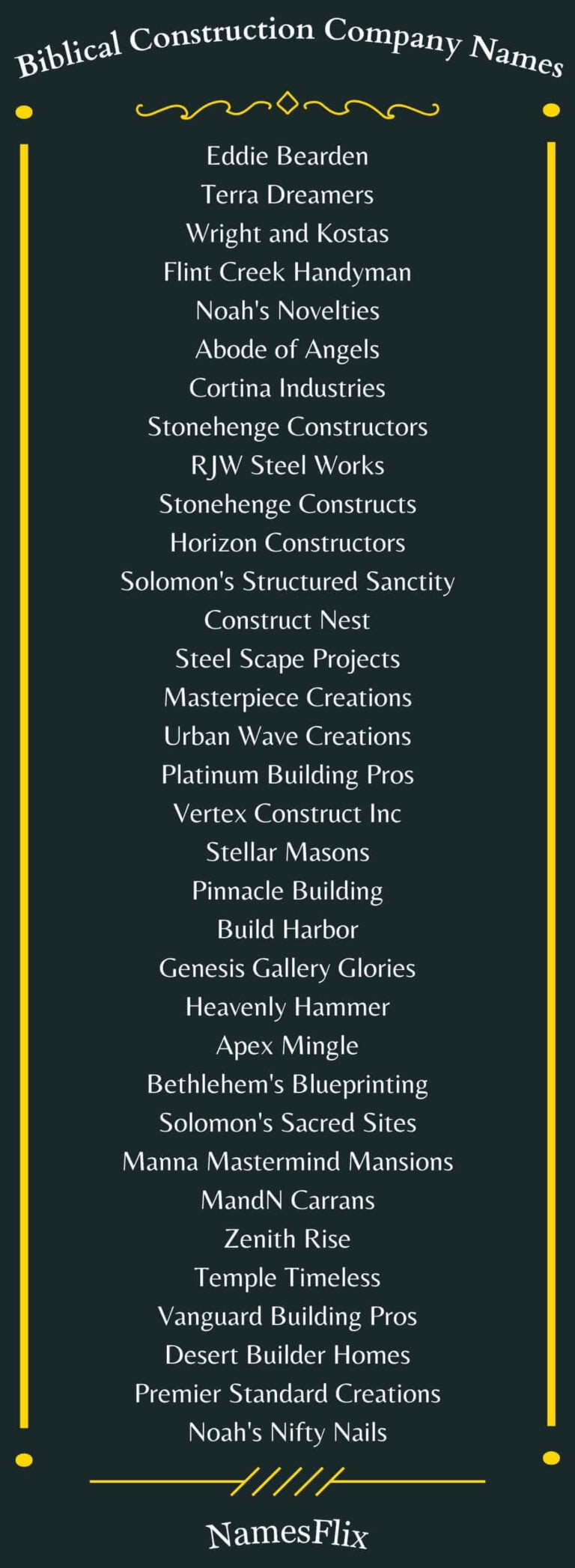
Here's a short list of name suggestions to get your creative juices flowing:
- Build & Beyond
- Renovate & Restore
- Constructive Solutions
- Home Crafters
- BuildTech Innovations
- Skyrise Builders
Remember, these are just a few ideas, and you can get creative and come up with something truly unique to your business.
Wrapping Up
Naming your construction company is an important step in building your brand. It's a chance to make a great first impression and showcase your business's personality and services. So, take your time, consider your options, and don't be afraid to get creative. And, of course, always check the legal aspects to ensure a smooth start to your business journey.
Related: Biggest Essential Construction Company in the World
I was curious about the biggest construction company in the world the other day, and it got me thinking about the scale of these businesses. It's fascinating to consider the impact they have on our cities and the industry as a whole. So, let's explore what this title entails and how these companies operate.
The Scale and Scope of the Biggest Construction Companies
When we talk about the biggest construction companies, we're referring to the giants of the industry, the ones with vast resources and a global reach. These companies undertake massive projects, from building iconic skyscrapers to developing entire infrastructure networks. Their size allows them to take on complex and ambitious ventures that smaller firms might struggle with.
The key to their success lies in their ability to manage large-scale operations efficiently. They have the expertise and manpower to handle every aspect, from initial planning and design to execution and completion. With their extensive resources, they can source materials, hire specialized talent, and navigate the challenges of construction on a grand scale.
What Makes a Construction Company 'Big'?
Being the biggest doesn't solely depend on revenue or project size. It's a combination of factors. These companies often have a diverse portfolio, covering various sectors like commercial, residential, and civil engineering. They might have a strong presence in multiple countries, with offices and operations spanning continents. Their ability to adapt to different markets and regulations is a significant advantage.
Additionally, the biggest construction companies are known for their innovative approaches. They invest in research and development, adopting new technologies and sustainable practices. This not only keeps them competitive but also ensures they can deliver projects efficiently and with minimal environmental impact.
Practical Considerations for Construction Projects
If you're considering a construction project, whether it's a home renovation or a commercial development, understanding the industry dynamics is crucial. When hiring a contractor or company, research is key. Check their reputation, past projects, and client testimonials. Get multiple quotes to compare prices and ensure you're not overpaying.
For smaller-scale projects, you might want to consider local, specialized contractors. They often offer more personalized service and can provide unique insights into local regulations and market trends. However, for larger ventures, the biggest construction companies can bring their expertise and resources to ensure a successful outcome.
Naming Your Construction Business
Choosing a name for your construction business is an important step. It should be memorable, reflect your services, and stand out in a competitive market. Avoid generic names; instead, opt for something unique and catchy. Consider names that evoke strength, reliability, and innovation. Here are a few ideas:
- BuildTech Solutions
- Constructive Innovations
- Skyrise Builders
- Earthworks Construction
- GreenBuild Alliance
Remember to check name availability and secure your domain and local registrations before finalizing your choice.
The Industry and Its Tools
The construction industry relies on various tools and databases to stay efficient and competitive. RSMeans, for instance, is a popular cost-estimating resource used by professionals. It provides accurate data on construction costs, helping contractors and companies plan and manage their finances effectively.
Other tools include cost databases and escalation indexes, which help predict and manage cost fluctuations. These resources are essential for large-scale projects, ensuring that budgets are realistic and can adapt to changing market conditions.
Final Thoughts
Exploring the world of construction, especially the biggest players, is an eye-opening experience. These companies shape our physical environment and drive innovation. Whether you're a homeowner, a business owner, or an industry professional, understanding the dynamics of the construction industry can help you make informed decisions and navigate the world of building and development.
Related: Understand My Norton Chart: A Simple Guide
You're here because you need a reliable reference for my Norton chart, a trusted tool for material hardness testing. Whether it's a quick check or a detailed task, this chart is your go-to guide. It offers a clear, visual representation of hardness values, often using the Norton hardness scale, and can include various other scales like Rockwell and Brinell. While the specific values may vary depending on your region or industry standards, the chart's format remains a consistent and valuable resource.
My Norton Chart: An Overview
The My Norton Chart is a valuable tool used in material hardness testing, providing a quick and efficient way to determine the hardness of various materials. This chart is particularly useful for engineers, metallurgists, and quality control professionals who need to assess material properties. It offers a standardized scale, the Norton Hardness Scale, which allows for easy comparison and interpretation of results.
Comparing Hardness Scales and Formats
When it comes to material hardness testing, there are different scales and formats available. The My Norton Chart utilizes the Norton Hardness Scale, which is often compared to other popular scales like the Rockwell and Brinell hardness scales. Each scale has its own advantages and is suitable for specific applications. The Norton scale provides a unique and comprehensive approach, offering a wide range of values and categories.
Step-by-Step Guide to Using My Norton Chart
To accurately use My Norton Chart, follow these steps:
- Identify the material you wish to test. Different materials have varying hardness properties, so it's essential to know what you're working with.
- Select the appropriate test method. The Norton scale offers different test methods, such as indentation or rebound testing, depending on the material's characteristics.
- Perform the hardness test. Follow the specific procedure for your chosen method, ensuring accurate and consistent testing conditions.
- Record the test results. The Norton scale provides a reference table with corresponding hardness values. Match your test result to the appropriate value on the chart.
- Interpret the results. The hardness value obtained can be compared to standard specifications or material requirements to assess its suitability for your application.
Avoiding Common Misreadings and Pitfalls
While My Norton Chart is a reliable tool, there are a few potential pitfalls to be aware of:
- Ensure you are using the correct version of the chart for your region or industry. Different standards may have slight variations, so double-check the applicable standard for your specific application.
- Pay attention to the units of measurement. The Norton scale typically uses the HRC (Hardness Rockwell C) scale, but conversions to other scales like Brinell or Vickers may be necessary for certain materials.
- Understand the limitations of the chart. While it provides a comprehensive range of values, extremely hard or soft materials may require additional testing methods for accurate assessment.
Factors Affecting Accuracy and Real-World Use
The accuracy of My Norton Chart depends on several key factors:
- Test Conditions: Ensure consistent testing conditions, including temperature, pressure, and sample preparation, to minimize variability.
- Material Properties: Different materials have unique characteristics, and some may require specialized testing techniques to obtain accurate results.
- Calibration and Maintenance: Regularly calibrate your testing equipment and maintain it according to manufacturer guidelines to ensure reliable readings.
- Operator Skill: Proper training and experience are essential for accurate testing and interpretation of results.
Choosing the Right Format for Specific Needs
My Norton Chart is versatile and can be adapted to specific needs. Here are some considerations:
- Standardized Formats: For general applications, the standard Norton chart provides a comprehensive overview. However, for specialized industries or materials, customized charts or tables may be more suitable.
- Digital Tools: In addition to the physical chart, digital versions or software can offer enhanced features, such as automatic conversions and data analysis.
- Conversion Tips: If you work with multiple hardness scales, having a conversion chart or tool can simplify the process and ensure accurate comparisons.
- Practical Examples: Refer to real-world examples and case studies to understand how the Norton scale is applied in various industries, helping you choose the right format for your specific application.
Well, there you have it! My Norton Chart guide aims to provide a practical and accessible reference for your projects. Remember, while the fundamentals remain consistent, the exact details may shift slightly based on your specific context.
Feel free to explore our other guides; we've got a range of topics covered, each offering a unique perspective and practical insights. Happy reading and discovering!