





Abc Behavior Chart Black And White Overview
You're probably here because you need a quick answer, a simple guide to help you understand nipple size charts and their purpose. It's a common query, and these charts are more useful than you might think! They provide a straightforward way to measure and compare nipple sizes, often alongside other breast-related measurements. While the values may vary depending on the source, a nipple size chart can be a handy reference tool, especially when paired with a bra size guide or areola size chart.
Understanding the Nipple Size Chart
The nipple size chart is a handy reference tool that provides a standardized way to measure and categorize nipple sizes. It offers a simple and visual guide to help individuals understand their nipple dimensions and find the right products or solutions based on size. This chart is particularly useful for those seeking nipple piercings, nipple jewelry, or even nursing aids, as it ensures a comfortable and accurate fit.
Key Details and Categories
The nipple size chart typically displays nipple diameters, measured in millimeters (mm) or inches, depending on the standard being used. It categorizes nipples into size ranges, often with labels like "Small," "Medium," "Large," and so on. These categories provide a quick reference for individuals to identify their nipple size without the need for precise measurements.
Reading the Measurements: A Step-by-Step Guide
Start by locating the chart's measurement scale. This scale will typically run along one edge of the chart, indicating the nipple diameters in either mm or inches.
Next, identify the category labels. These labels, such as "Small," "Medium," or "Large," are usually positioned above or below the measurement scale, indicating the size range.
To determine your nipple size, measure the diameter of your nipple using a ruler or a specialized nipple gauge. Ensure you measure from the base of the nipple, where it meets the areola, to the tip.
Compare your measured diameter to the scale on the chart. Find the corresponding size category, and you've identified your nipple size!
Common Variations and Differences
It's important to note that nipple size charts may vary depending on the standard or region. For instance, a chart designed for the US market might use inches as the unit of measurement, while an international chart might use millimeters. Additionally, some charts may provide more detailed size categories, especially for specialized products like nipple jewelry, which require precise sizing.
Mistakes to Avoid
One common mistake is assuming that all nipple size charts are the same. Always check the units of measurement and the source of the chart to ensure it aligns with your needs. Another pitfall is relying solely on category labels without measuring your nipples. While categories provide a quick reference, precise measurements are essential for an accurate fit, especially for delicate items like piercings or jewelry.
Practical Tips for Accurate Results
When measuring your nipples, ensure you're in a relaxed state. Nipple size can vary slightly depending on factors like temperature and arousal, so it's best to measure when you're comfortable and at rest. If you're measuring for piercings or jewelry, consider consulting a professional piercer or a medical professional for guidance and to ensure you're using the correct techniques and tools.
Double-Checking and Edge Cases
While the nipple size chart provides a useful guide, it's not an exact science. Individual variations and unique anatomical features can sometimes fall outside standard size categories. In such cases, it's essential to consult a professional or the manufacturer's guidelines for specific products. They may provide additional sizing information or custom solutions to accommodate unique nipple sizes.
Hey there, we've covered a lot of ground on this topic, and I hope it's been helpful! Remember, when it comes to nipple size charts, the exact measurements can vary slightly depending on the source or standard you're using, so it's always good to double-check.
This guide aims to provide a straightforward reference, but every body is unique, and so are their measurements. So, if you ever need a quick reminder or want to explore other related topics, feel free to bookmark this page for future use. It's always handy to have these practical guides at your fingertips!
Related: A Beginner's Guide to UCF Depth Chart
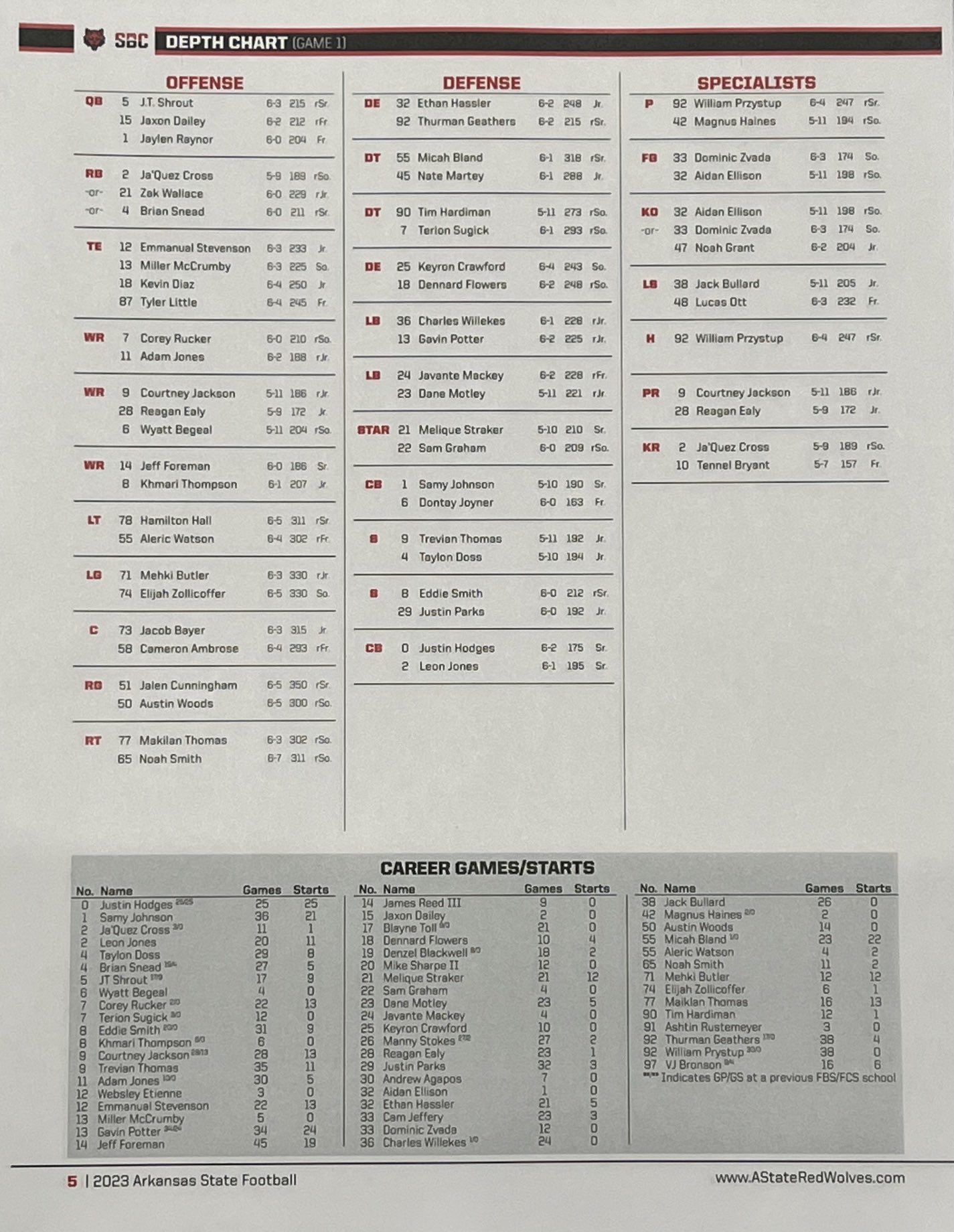
If you're here, you're likely seeking a straightforward guide to understanding the UCF depth chart. This essential tool provides a snapshot of the team's player positions and roles, offering a quick reference for fans and enthusiasts alike. The depth chart is a dynamic resource, and its format may vary, but its purpose remains consistent: to present a clear picture of UCF's roster and the players' positions.
Understanding the Chart: A Quick Overview
The ucf depth chart is a valuable tool for sports enthusiasts, providing an insightful look into a team's player lineup and their positions. It offers a clear visual representation of the team's depth and strategy, allowing fans and analysts to grasp the team's composition and potential.
Key Player Positions and Their Formats
The ucf depth chart typically features a standardized format, with columns representing different player positions and rows indicating the players' names or numbers. Common positions include quarterback (QB), running back (RB), wide receiver (WR), and more. Each position has its own set of skills and responsibilities, and the chart helps identify these roles.
Reading the Lineup: A Step-by-Step Guide
To read a ucf depth chart accurately, follow these steps:
Identify the position columns: Look for the labels or abbreviations indicating player positions. These columns provide an overview of the team's strategy and depth for each role.
Analyze the player rows: Each row represents a player, with their name, number, or both. This information helps identify individual contributors and their specific roles.
Note the depth: The depth chart often includes multiple rows for each position, indicating the team's depth and potential substitutions. The top row typically represents the starting lineup, while subsequent rows showcase backup players.
Understand the strategy: By comparing the depth for different positions, you can gain insights into the team's strategy and potential weaknesses or strengths. For example, a deep roster at running back suggests a strong running game, while a shallow roster at wide receiver may indicate a reliance on the passing game.
Common Misreadings and How to Avoid Them
While the ucf depth chart is a valuable tool, it's essential to avoid common misreadings:
Don't assume starting positions: The top row often represents the expected starting lineup, but coaches may make last-minute changes due to injuries, performance, or strategic decisions. Always confirm the official starting lineup before the game.
Understand positional flexibility: Some players may be listed under multiple positions, indicating their versatility. This flexibility can be an asset, allowing coaches to adapt their strategy during the game.
Consider injury reports: Injuries can significantly impact a team's depth chart. Always check the latest injury reports to understand which players may be unavailable and how that affects the lineup.
Factors Affecting Accuracy and Real-World Use
Several factors can influence the accuracy and real-world application of a ucf depth chart:
Coaching strategies: Coaches may choose to keep their strategies hidden, making depth charts less accurate as a predictive tool.
Injuries and performance: Player injuries or sudden drops in performance can quickly render a depth chart obsolete.
Player development: Young or developing players may quickly improve, challenging the depth chart's accuracy over time.
Opponent analysis: Depth charts are often used to counter an opponent's strategy, so understanding their lineup is crucial for effective game planning.
Remember, while the ucf depth chart provides valuable insights, it's just one tool in a sports analyst's arsenal. Always stay updated with the latest news and reports to ensure your analysis remains accurate and relevant.
Remember, while this depth chart offers a comprehensive guide, it's always wise to consider your unique circumstances. Exact values and details may vary, so a quick check ensures you're on the right track.
Feel free to explore our other resources for a deeper understanding. We've got plenty of guides to help you navigate and make informed decisions. Happy reading and best of luck with your project!
Related: Need a canvas size? Check our chart!
You've stumbled upon the canvas sizes chart, a handy tool for artists and creators, and you're eager to dive right in. This chart is your quick reference guide, offering a clear overview of canvas dimensions, from the standard sizes to the more unique formats. It's a simple yet effective way to ensure you choose the right canvas for your next masterpiece, and it can vary depending on your region and preferences.
Understanding the Canvas Sizes Chart
The canvas sizes chart is your go-to guide for all things related to canvas dimensions. It's a handy reference tool that simplifies the process of choosing the right canvas size for your art or project. This chart provides a clear overview of standard canvas sizes, helping you make informed decisions and avoid any potential sizing headaches.
Standard Sizes Explained
When you look at a canvas sizes chart, you'll notice a range of sizes, each represented by a specific code or label. These codes often consist of numbers and letters, like '12x16' or 'M4'. The numbers indicate the dimensions in inches or centimeters, depending on the standard being used. The letters, if present, often represent a specific format or ratio, such as 'M' for metric or 'S' for a standard ratio. It's important to note that the units and categories can vary based on the standard, so always double-check the specific chart you're using.
Practical Size Selection: A Step-by-Step Guide
Selecting the right canvas size is a breeze with this simple process:
Identify the purpose: Are you painting a landscape, a portrait, or something abstract? Different subjects may require specific ratios or sizes.
Choose your standard: Decide if you prefer the metric system or imperial measurements. This choice will determine the units used on your chart.
Refer to the chart: Locate the desired dimensions on the canvas sizes chart. The chart will provide the corresponding code or label for that size.
Cross-reference: If needed, check the dimensions against your specific project requirements. Ensure the size aligns with your vision and any practical constraints.
Variations and Differences
While the canvas sizes chart provides a comprehensive guide, variations can occur due to different standards and contexts. For instance, the metric and imperial systems have distinct measurement units, which can lead to slight differences in size. Additionally, some manufacturers may have their own unique sizing systems, especially for larger or specialized canvases. It's crucial to be aware of these variations and ensure you're using the correct chart for your needs.
Common Mistakes and How to Avoid Them
One common pitfall is assuming that all canvas sizes are universal. Always check the standard being used to avoid confusion. Another mistake is neglecting to consider the aspect ratio. Different ratios can significantly impact the final look of your artwork, so choose wisely. Lastly, don't forget to account for the thickness of the canvas itself, as this can affect the overall dimensions.
Tips for Accurate Results
To ensure precision, always measure your workspace or display area before selecting a canvas size. This step is especially crucial for larger projects. Additionally, consider the scale of your subject matter. A small, intricate painting may require a different size canvas than a bold, large-scale piece. Trust your artistic instincts and let the chart guide you towards the perfect size.
Double-Checking and Edge Cases
While the canvas sizes chart covers a wide range of standard sizes, it's important to remember that exceptions exist. If you have a unique or non-standard project, you may need to customize your canvas size. In such cases, consult with a professional framer or artist who can guide you through the process and ensure your specific requirements are met.
Hey there, I hope this canvas sizes chart has been a helpful reference for your projects. Remember, while the basics are covered here, exact values can vary slightly depending on the context and the source you're working with, so always double-check if you're unsure.
Feel free to explore other guides on our site for more practical tips and insights. We've got a range of topics covered, so you can find the information you need to tackle any creative challenge!