



Abc Behavior Chart Editable Overview
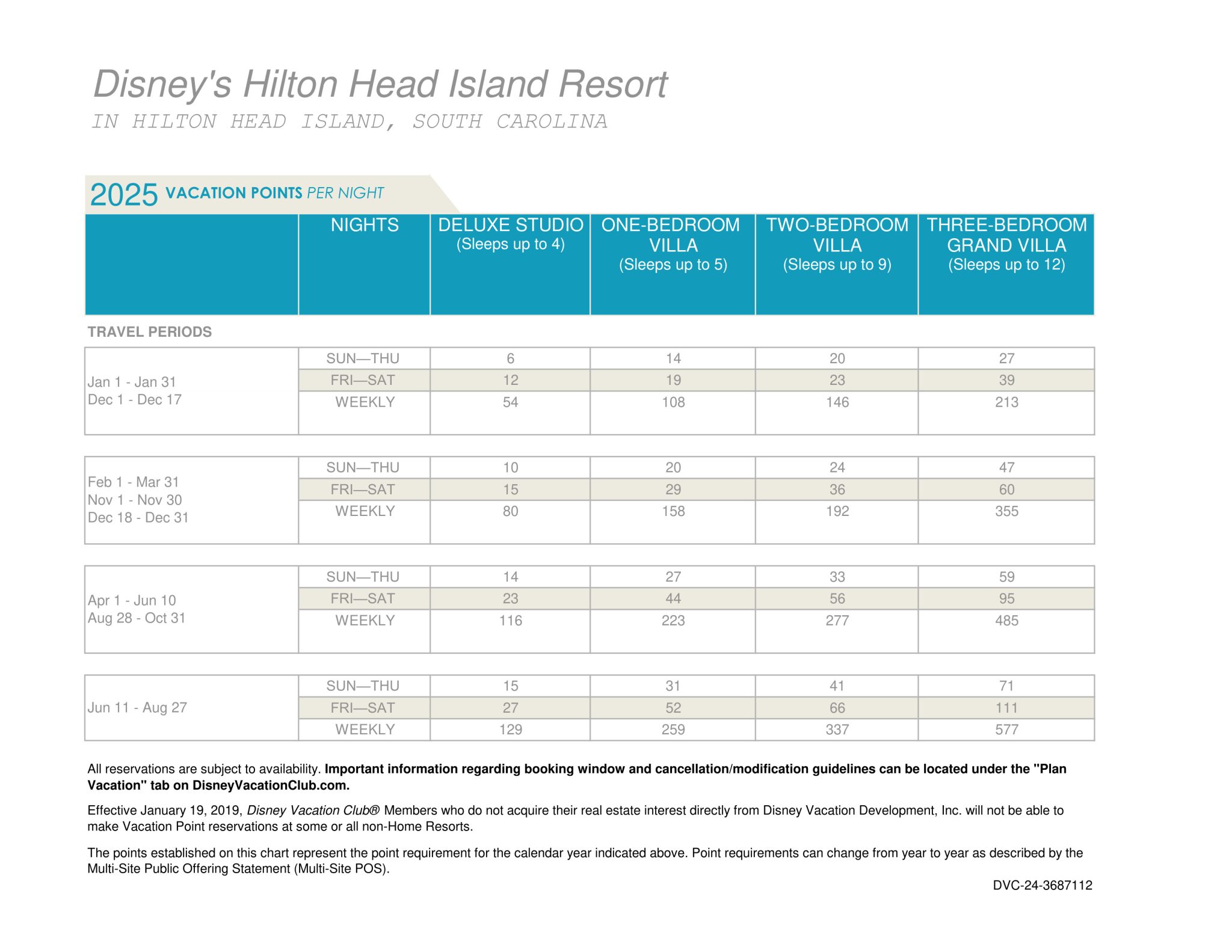
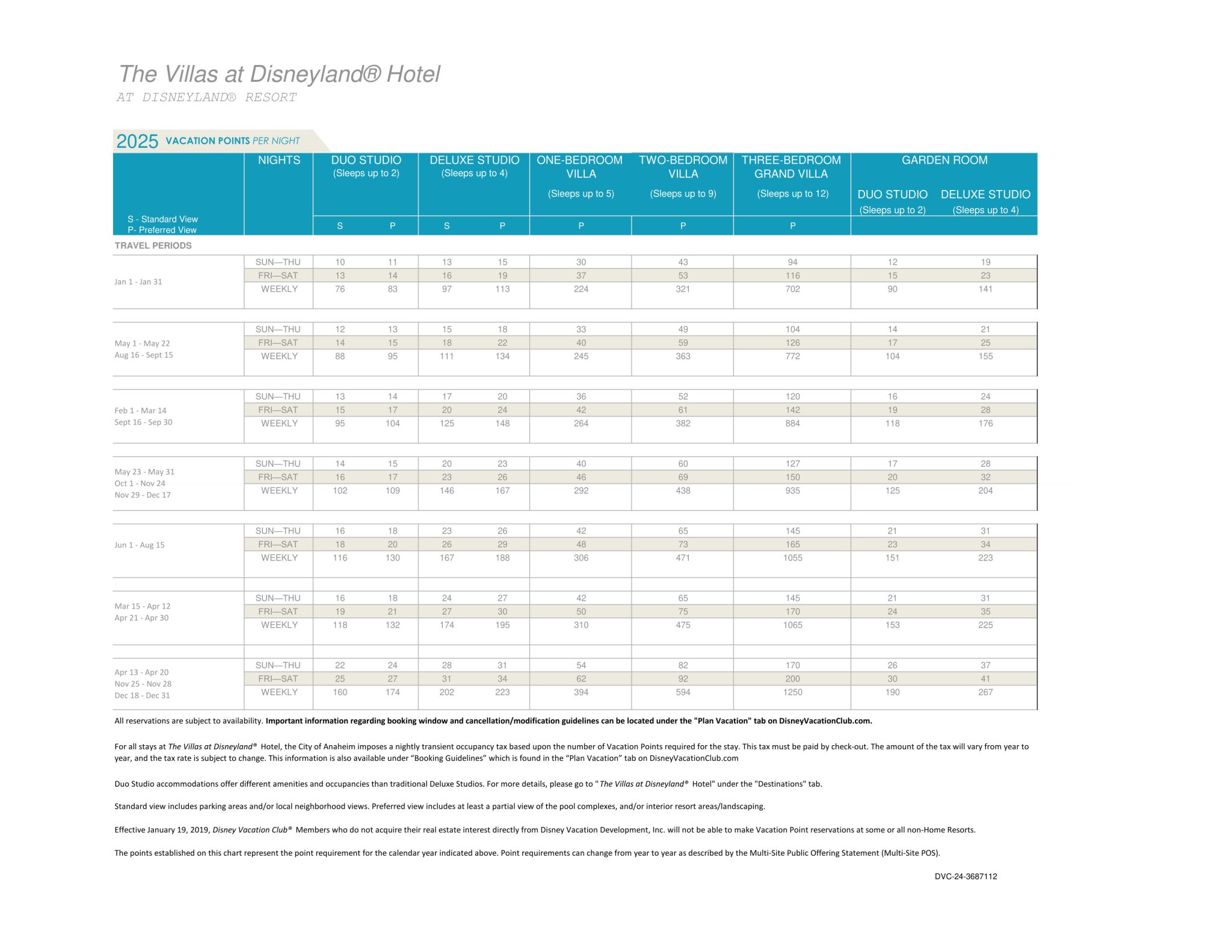
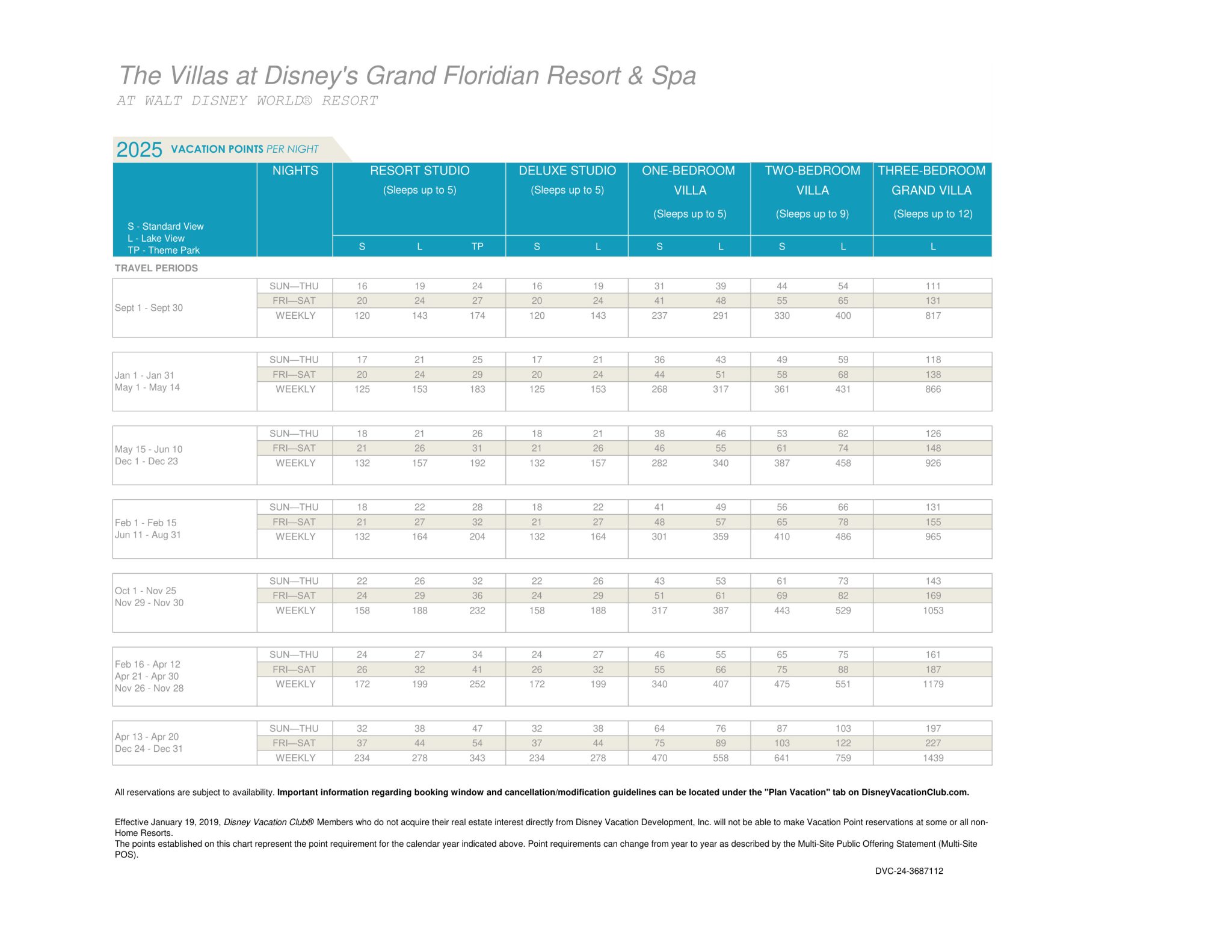
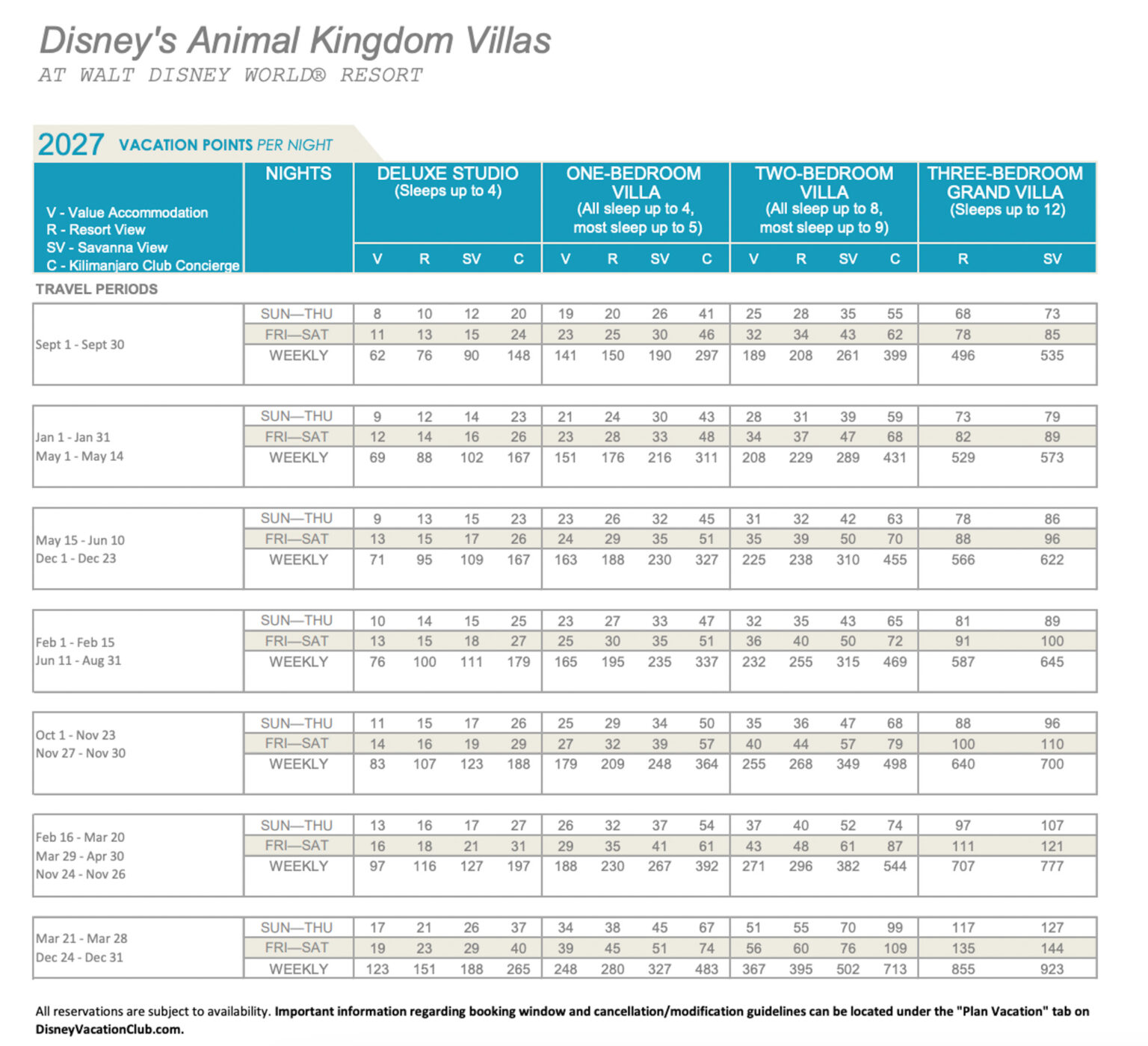
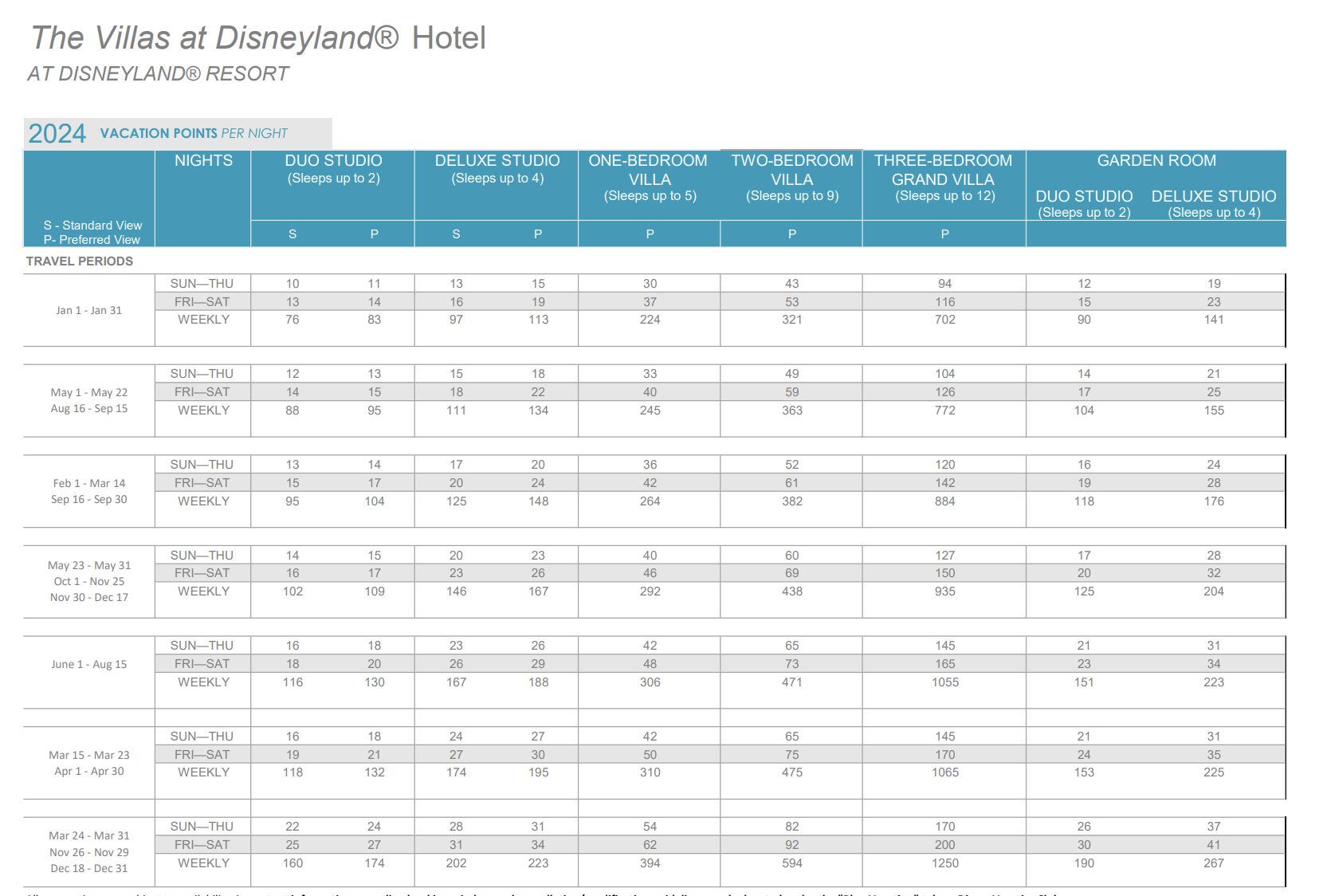
A DVC point chart is a handy tool for Disney Vacation Club members, offering a clear overview of their points and their worth. This guide will navigate you through the essentials, ensuring you understand the ins and outs of this valuable resource.
It's a simple yet effective way to keep track of your Disney points, and while the specific values may vary, the DVC point chart provides a consistent framework to manage and maximize your membership benefits.
Understanding the DVC Point Chart
The DVC point chart is a valuable tool for Disney Vacation Club members, offering a clear overview of point values and their redemption options. It's like a map guiding you through the world of Disney vacations, helping you plan and make the most of your membership benefits.
Key Details and Categories
Before diving into the chart, let's get familiar with some basics. The DVC points system operates on a point-based currency, where each point holds a specific value. These points can be used for various purposes, primarily for booking accommodations and experiences within the Disney realm. The chart displays point values, typically ranging from 1 to 100, and sometimes even higher for premium options. It's important to note that these values may differ based on the standard or region, so always check the relevant chart for your specific membership.
Reading and Applying the DVC Point Chart
Now, let's explore how to navigate and utilize the DVC point chart effectively. Here's a step-by-step guide:
Identify Your Point Balance: Start by knowing your current point balance. This information is crucial for planning your vacation and understanding your options.
Consult the Chart: Refer to the DVC point chart to see the point values for different accommodations and experiences. Each entry on the chart will typically show the point value required for a specific option, along with any relevant details or restrictions.
Plan Your Vacation: Using the chart, select the accommodations and experiences that align with your preferences and point balance. Consider factors like travel dates, resort preferences, and the number of people in your party.
Calculate and Reserve: Once you've made your choices, calculate the total points needed for your desired vacation. You can use a DVC point calculator for this, which will provide an accurate estimate. Reserve your accommodations and experiences by following the booking process outlined by Disney Vacation Club.
Variations and Differences
It's worth noting that DVC point charts may vary across different standards and contexts. Here are some key factors that can influence the values and redemption options:
- Resort and Location: Different Disney resorts and destinations may have varying point values due to their popularity, amenities, and location.
- Seasonality: Point values can fluctuate based on the time of year, with peak seasons often requiring more points.
- Membership Type: The type of membership you hold, such as a standard or premium plan, can impact the point values and redemption options available to you.
- Special Events and Promotions: Disney may offer special events or promotions that affect point values and redemption rates.
Remember, while the DVC point chart provides a valuable overview, it's always a good idea to double-check the exact specifications and tolerances for your specific membership and vacation plans. This ensures an accurate and enjoyable Disney experience!
Well, there you have it! The DVC point chart is a handy tool, and now you know the ins and outs of using it. Remember, while the basics remain the same, the exact details might shift a little based on your specific situation.
Feel free to explore our other guides; we've got plenty of practical tips and tricks to help you navigate various aspects of your projects. Happy reading, and we hope you find the info you need!
Related: Understanding the Tattoo Hurt Chart
A tattoo hurt chart is a valuable resource for anyone considering body art, offering a visual representation of the potential pain levels associated with different tattoo placements. This guide aims to demystify the process, providing an overview of how these charts work and what they can tell you.
The tattoo hurt chart is a simple yet effective tool, often presented as a table or diagram, which rates various body parts based on their pain sensitivity during the tattooing process. While the exact values may vary, depending on individual pain tolerance and the artist's technique, it serves as a useful reference point, helping you make an informed decision about your tattoo journey.
A Guide to Tattoo Pain: Understanding the Hurt Chart
The tattoo hurt chart is a valuable tool for anyone considering body art, providing an insight into the relative pain levels associated with different tattoo placements. This chart serves as a reference, offering a visual representation of pain intensity to help individuals make informed decisions about their tattoo journey.
Comparing Pain Levels: The Tattoo Pain Index
The tattoo pain index is a standardized scale that rates the pain associated with various body parts. It categorizes pain levels from mild to severe, considering factors such as skin sensitivity and nerve density. The chart typically uses a numerical scale, with higher numbers indicating greater pain. For example, a rating of 5 might represent moderate pain, while a 10 signifies an intense, uncomfortable experience.
How to Use the Tattoo Hurt Chart: A Step-by-Step Guide
Identify the Body Part: Start by locating the specific area on your body where you plan to get tattooed. Different body parts have varying pain thresholds due to their unique anatomical characteristics.
Consult the Chart: Refer to the tattoo hurt chart to find the corresponding body part. Each body part is assigned a pain rating, providing an indication of the expected discomfort.
Interpret the Scale: Understand the scale's range and what each number signifies. A rating of 3 might indicate a mild discomfort, suitable for those new to tattoos, while a 7 could suggest a more challenging experience.
Consider Personal Factors: Remember that pain perception is subjective. Your personal pain threshold and tolerance play a significant role. Some individuals may find a certain rating more bearable than others.
Discuss with Your Artist: Share your concerns and expectations with your tattoo artist. They can offer insights based on their experience and provide techniques to manage pain effectively during the process.
Common Misconceptions and Pitfalls
While the tattoo hurt chart is a valuable guide, it's essential to be aware of potential misconceptions. Firstly, pain perception varies greatly among individuals, so the chart should be used as a general reference rather than an absolute indicator. Additionally, the chart may not account for all variables, such as the complexity of the design or the artist's technique. It's crucial to have open communication with your artist to ensure a comfortable and enjoyable tattoo experience.
In summary, the tattoo hurt chart is a practical tool to navigate the pain associated with different tattoo placements. By understanding the scale, considering personal factors, and seeking professional advice, you can make informed decisions and embrace the tattoo journey with confidence.
Tattooing is an art, and like any art form, it comes with its own set of considerations. Remember that every experience is unique, and the pain threshold can vary from person to person. The chart provides a general guide, but your personal journey may differ slightly.
Feel free to explore other guides on our site to deepen your understanding and make informed choices. We've got you covered with various resources to ensure your tattoo experience is as enjoyable and comfortable as possible. Happy inking!
Related: A Simple Dog Growth Chart Guide
A common misconception about dog growth charts is that they are solely for show, a decorative element on a vet's wall. In reality, these charts are practical tools, offering valuable insights into your dog's development.
While the values and formats may vary, the purpose remains the same: to provide a quick reference guide for pet owners and professionals alike. With a dog growth chart, you can track your furry friend's progress, ensuring they are on a healthy growth trajectory. It's a simple yet effective way to monitor their well-being, especially during those crucial early months.
Understanding Dog Growth Charts
Dog growth charts are a handy tool for pet owners to monitor their furry friend's development. These charts provide a visual representation of a dog's growth journey, offering insights into their weight, height, and overall progress.
Key Details and Categories
The dog weight chart typically includes two main axes: one for age and another for weight or height. Age is often measured in weeks or months, while weight is in pounds or kilograms, depending on the standard used. Some charts also include height measurements, usually in inches or centimeters. It's essential to know your dog's breed and age to choose the right chart and interpret the data accurately.
Reading and Applying the Chart
Here's a step-by-step guide to using a dog growth chart:
- Identify your dog's breed and age. Different breeds have unique growth patterns, so ensure you're using the correct chart.
- Locate your dog's age on the chart's horizontal axis.
- Find the corresponding weight or height range on the vertical axis.
- Compare your dog's actual weight or height with the chart's values. If they fall within the range, your dog is likely growing as expected.
- Track your dog's progress over time by marking their weight or height on the chart regularly. This helps identify any deviations from the average growth rate.
Variations and Differences
It's important to note that dog growth charts are general guidelines and may not apply to every dog. Several factors can influence a dog's growth, leading to variations:
- Breed: Different breeds have distinct growth patterns and sizes.
- Gender: Male and female dogs may have slightly different growth trajectories.
- Nutrition: A dog's diet and overall health play a significant role in their growth.
- Environment: Factors like exercise and living conditions can impact development.
- Individual variations: Just like humans, dogs can have unique growth rates and milestones.
Common Mistakes and How to Avoid Them
When using a dog growth chart, avoid these common pitfalls:
- Relying solely on the chart: While charts provide valuable insights, they are not a substitute for professional advice. Consult a veterinarian if you have concerns about your dog's growth.
- Ignoring individual variations: Every dog is unique. Don't compare your dog's growth directly to another dog's; focus on their personal progress.
- Using the wrong chart: Ensure you select a chart specific to your dog's breed and age group.
- Overinterpreting data: Growth charts offer a general overview; they may not capture all nuances of a dog's development.
- Neglecting regular check-ups: Schedule routine visits to the vet to monitor your dog's overall health and growth accurately.
Remember, dog growth charts are a tool to assist, not a strict rulebook. Stay vigilant, and enjoy watching your furry companion grow and thrive!
So, there you have it, a handy guide to understanding your dog's growth and keeping track of their development. Remember, while these charts provide a great reference, every dog is unique, and growth rates can differ. It's always a good idea to consult your vet for personalized advice.
Before you go, make sure to check the specific standards and guidelines relevant to your breed and region. There's a wealth of information on our site to explore, so feel free to browse and discover more practical guides and fun reads!