

Abc Behavior Chart For Kids Overview
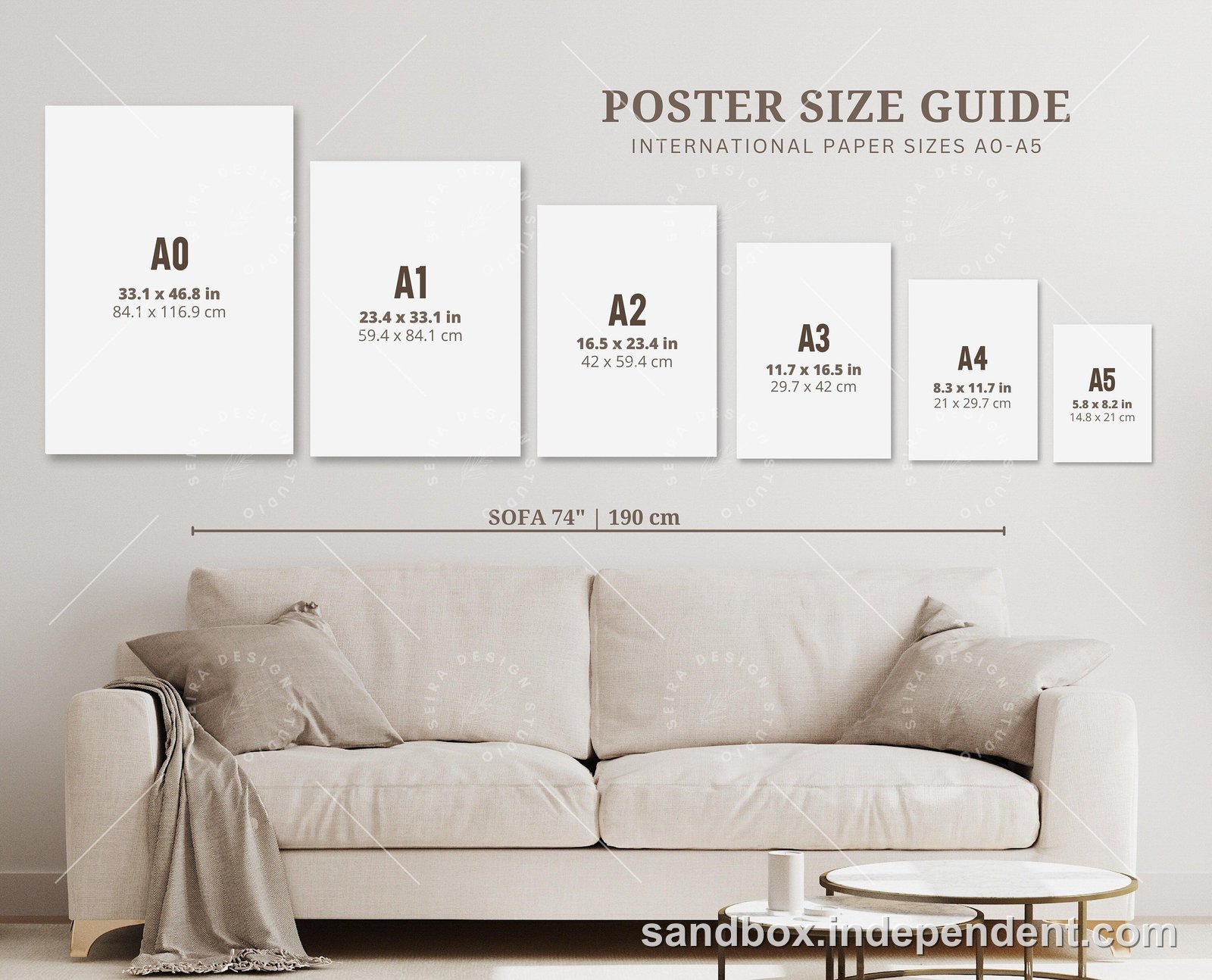
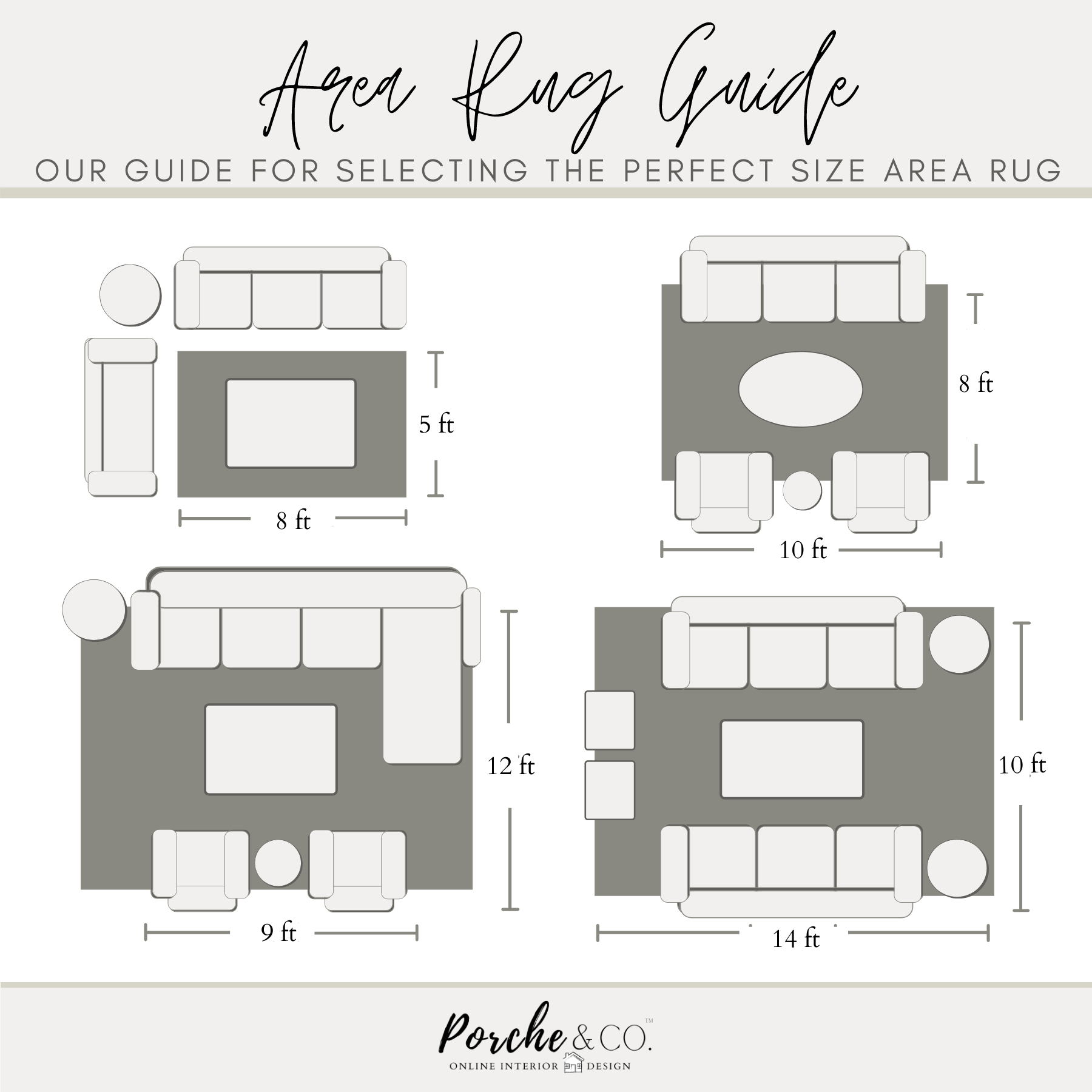
Many folks assume that a rug size chart is an exact science, with one standard size fitting all rooms. However, it's actually a flexible tool, offering a range of options to suit your space. A quick glance at this chart will show you the variety of rug sizes available, and it's an easy way to visualize how different dimensions can work in your home. Whether you're after a rug size guide, carpet dimensions, or floor covering measurements, this chart is a simple, effective starting point.
Understanding the Chart: A Quick Overview
A rug size chart is a handy tool to help you choose the right rug for your space. It provides a visual representation of standard rug sizes, making it easy to visualize and compare different dimensions. This chart is a practical guide for anyone looking to add a rug to their home, offering a simple way to ensure the rug fits the intended area perfectly.
Standard vs. Non-Standard Sizes: A Comparison
While most rugs come in standard sizes, there are also non-standard or custom-made options. The rug size chart typically covers a range of common sizes, such as 5x8, 8x10, and 9x12 feet, which are popular choices for various rooms. Non-standard sizes offer more flexibility but may require a bit more effort to find the perfect fit.
Step-by-Step Guide: Using the Chart Effectively
To use the rug size chart accurately, follow these simple steps:
- Identify the area you want to cover with the rug. Measure the length and width of this space to get an idea of the rug size you need.
- Refer to the chart and locate the closest standard size that fits your measurements. For example, if your space is 6x9 feet, a 5x8 or 8x10 rug might be suitable.
- Consider the layout and furniture arrangement. The chart provides a guide, but you may need to adjust based on your specific room setup.
- Take note of the rug's shape. Some charts also indicate whether the rug is rectangular, square, or runner-shaped, helping you choose the right fit for your space.
Common Misreadings and How to Avoid Them
One common mistake is assuming that the chart provides exact measurements for every rug. While it offers a great starting point, it's important to remember that rug sizes can vary slightly. Always double-check the exact dimensions of the rug you're interested in to ensure a perfect fit. Another potential pitfall is ignoring the scale of the room. A large rug in a small room can make the space feel cramped, so always consider the overall balance and proportion.
Key Factors Affecting Accuracy and Real-World Use
- Room Size: The size of the room plays a crucial role in choosing the right rug. A larger room can accommodate bigger rugs, while smaller spaces may require more careful consideration to avoid overcrowding.
- Furniture Arrangement: The placement of furniture can impact the rug size and shape needed. Consider leaving a border of floor space around the rug to create a balanced look.
- Rug Shape: Different shapes, like runners or round rugs, serve specific purposes and fit different spaces. The rug size chart often includes these variations to guide your selection.
- Tolerances: Rug sizes can have slight variations, so it's essential to check the manufacturer's specifications to ensure the rug meets your expectations.
Adapting the Chart: Choosing the Right Format
The rug size chart can be adapted to suit your needs. If you're looking for a specific size, some charts offer a search function or filters to narrow down options. Additionally, metric and imperial measurements are often available, catering to different regions and preferences. For unique spaces, consider using a custom rug size chart or consulting an expert to ensure a perfect fit.
Well, there you have it! A comprehensive guide to rug size charts and their practical uses. We've covered a lot of ground, from understanding the different options to avoiding common pitfalls.
Remember, when it comes to choosing the right rug size, it's essential to consider your unique space and needs. So, take a moment to double-check your measurements and specific requirements before making any final decisions. This guide should be a handy reference, but it's always good to ensure you've got the right fit for your room.
Consider bookmarking this page for future rug adventures; you never know when you might need a quick refresh on finding the perfect rug size!
Related: How to use the Redken color chart?
You're likely here because you need a quick reference for the color chart Redken offers, a go-to resource for anyone seeking precise hair color guidance. This chart, a trusted tool, provides a straightforward visual guide, helping you navigate the world of hair coloring with ease. It's a simple yet effective way to ensure you achieve the desired shade and tone, whether you're a professional stylist or a home user. With various formats available, from guides to wheels, Redken's color system ensures accuracy and consistency, making it a popular choice for those seeking reliable hair color results.
The Redken Color Chart: A Guide to Hair Color Mastery
The Redken color chart is an essential tool for hair professionals and enthusiasts alike, offering a systematic approach to understanding and achieving desired hair colors. This chart serves as a visual reference, helping you navigate the vast world of hair coloring with precision and confidence.
Key Details and Categories
The Redken color chart typically features a range of hair color options, organized into different levels and tones. These levels indicate the depth or lightness of the color, often ranging from 1 (darkest) to 10 (lightest). Tones, on the other hand, represent the underlying hue, such as neutral, warm, or cool. Additionally, the chart may include various shades and intensities, allowing for a wide array of color possibilities.
Step-by-Step: Reading and Applying the Chart
To use the Redken color chart effectively, follow these steps:
Identify your desired hair color. Consider the level and tone you wish to achieve. For instance, a level 7 with a cool tone might be a vibrant, icy blonde.
Locate the corresponding color on the chart. Redken's charts often provide a visual representation, making it easy to find the right shade.
Choose the appropriate product. Redken offers a range of color gel systems, like Color Fusion or Shades EQ, each with its own unique properties. Select the one that best suits your needs and the level of color change desired.
Follow the product instructions. Each system has specific application and processing times, so ensure you understand these steps to achieve the best results.
Monitor the color development. During the processing time, keep an eye on the color change to ensure you achieve the desired result.
Variations and Differences
It's important to note that hair color results can vary based on several factors. These include the natural hair color and texture, previous color treatments, and even the porosity of the hair. Additionally, different standards and regions may have slight variations in their color charts and product offerings. Always refer to the specific instructions and charts provided by Redken for your region to ensure accuracy.
Common Mistakes and How to Avoid Them
One common mistake is failing to perform a strand test before a full application. This simple step can prevent unexpected results and ensure the color is as expected. Another pitfall is not considering the underlying tone of the hair. For instance, a warm-toned hair may require a different approach than a cool-toned hair to achieve the desired result. Always consult the Redken color chart guide and seek professional advice if needed.
Practical Tips for Accurate Results
To achieve natural-looking results, consider the following tips:
Understand your hair's undertones. Redken's hair color wheel can be a useful tool to identify these.
Start with a lighter level and gradually build up to your desired shade. This approach helps prevent over-processing and ensures a more natural transition.
Use color mixing techniques to create custom shades. Redken's color gel chart provides a guide for mixing different colors.
Maintain regular touch-ups to keep your color fresh and vibrant.
Double-Checking and Handling Exceptions
Always double-check the product instructions and the Redken color chart for your specific region. Some hair types may require special considerations, such as pre-lightening or toning, to achieve the desired color. Consult a professional colorist if you're unsure or encounter any challenges.
Remember, the Redken color chart is a valuable resource, but it's just one tool in your hair coloring journey. With practice and an understanding of your hair's unique characteristics, you can master the art of hair coloring and achieve stunning results.
Remember, the specifics may differ slightly, so always refer to the most relevant and up-to-date sources for your particular needs.
Feel free to explore our other guides for more practical insights and tips. Consider bookmarking this page for a handy reference guide whenever you need a quick refresher on color charts and their applications.
Related: A Beginner's Guide to Reading Trumpet Note Charts
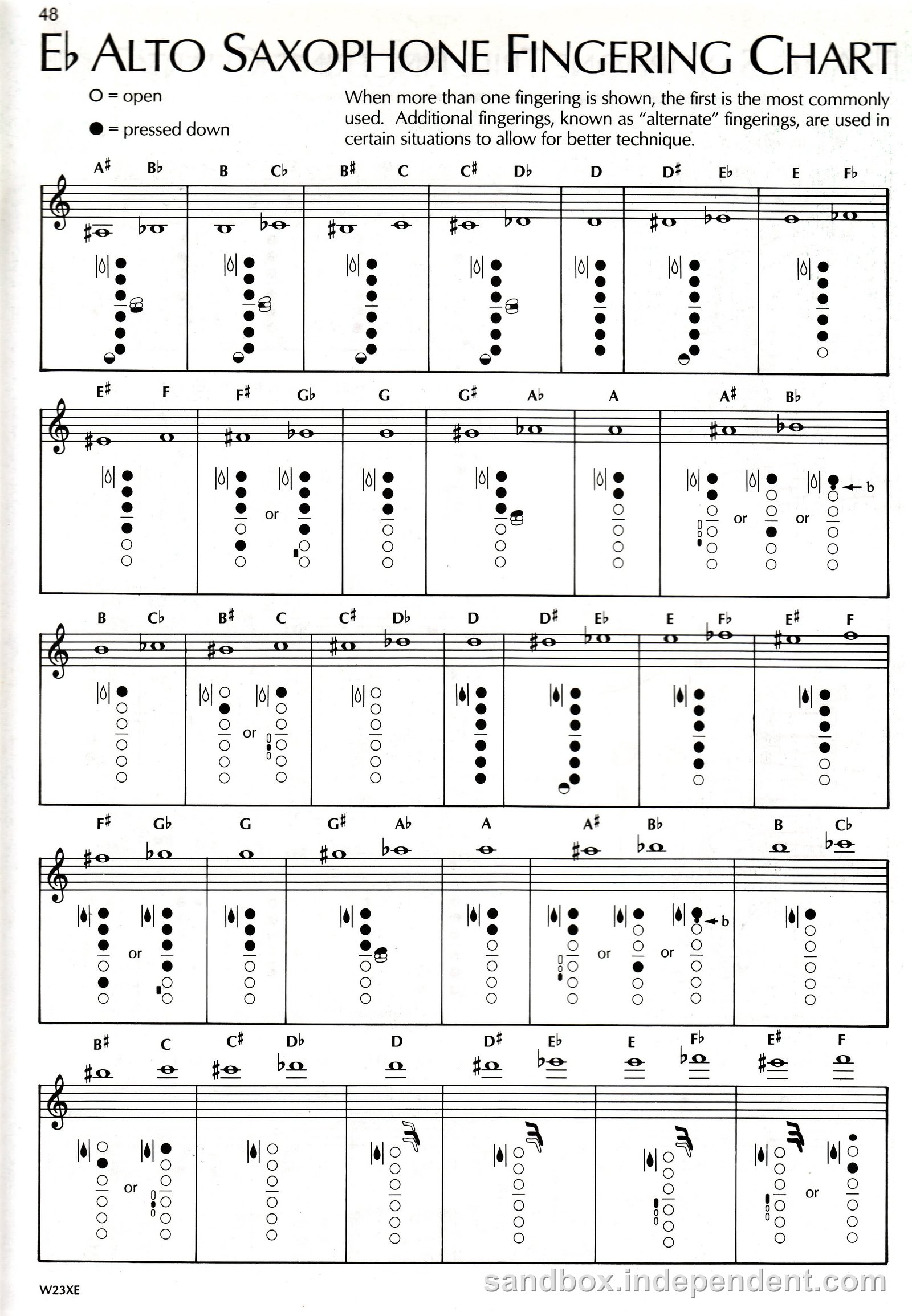
A trumpet note chart is a handy tool for any trumpeter, offering a quick glance at the notes and their corresponding fingerings. This guide will take you through the basics, ensuring you can read and use the chart with ease.
It's a simple reference, but an essential one, as it covers the standard range and common scales. While the exact values may vary slightly, the chart provides a solid foundation for understanding note names and their pitch frequencies.
Understanding the Trumpet Note Chart
The trumpet note chart is a valuable tool for any trumpeter, offering a visual representation of the notes and their corresponding fingerings. It's like a map, guiding you through the world of trumpet playing. This chart simplifies the process of learning and mastering different notes, making it an essential resource for beginners and experienced players alike.
Key Details and Categories
Before diving into the chart, it's crucial to understand some basics. The chart typically covers the standard range of a trumpet, which includes both the natural notes and those produced using valve combinations. You'll find notes organized by their pitch frequency, from low to high. Each note is represented by a specific fingering, often shown as a combination of valve positions. Additionally, some charts may include alternate fingerings, offering options for different playing styles or instruments.
Reading the Notation and Applying It
Using the trumpet note chart is straightforward. Start by identifying the note you want to play. Then, locate it on the chart, which will show you the correct fingering. For example, if you want to play a C note, you'll see a specific valve combination indicated. Follow this fingering, and you'll produce the desired note. It's as simple as that! Practice reading the chart and applying the fingerings to become more comfortable with it. Over time, you'll develop muscle memory, making note transitions seamless.
Variations and Differences
While the trumpet note chart provides a solid foundation, it's important to note that variations exist. Different standards, such as US or international, may have slight differences in note names or fingerings. Additionally, some charts might focus on specific scales or playing techniques. Always double-check the exact specifications for your instrument and playing style. Here are some common factors that can cause variations:
- Standard range variations: Some charts may extend beyond the standard range, offering additional notes.
- Instrument type: Different trumpet models might have slight variations in fingering.
- Playing style: Certain charts cater to specific genres or techniques, like jazz or classical.
- Alternate fingerings: These provide options for achieving the same note with different finger combinations.
Remember, the trumpet note chart is a versatile tool, but it's essential to adapt it to your specific needs and context. With practice and familiarity, you'll navigate the chart with ease, unlocking the full potential of your trumpet playing.
Well, there you have it! A handy trumpet note chart can be a great tool to have in your musical arsenal. Remember, these charts provide a solid foundation, but exact values might differ slightly across different standards or resources.
So, before you put your new knowledge into practice, take a moment to ensure you're using the right chart for your specific needs. And don't forget to explore our other guides; there's plenty more musical magic to discover!