

Ammo Chart Tarkov Sheet Overview
You're here, searching for a tarkov ammo chart, a handy tool to help you make sense of the vast array of ammunition options in the game. It's a quick reference, a go-to guide, and a vital resource for any Tarkov player aiming to improve their performance. The chart offers a simple yet effective way to compare and understand the different ammo types, their stats, and their real-world applications. With values that can vary, this tarkov ammo chart provides a reliable starting point, allowing you to make informed choices and experiment with different calibers and their unique performances.
Understanding the Tarkov Ammo Chart
The Tarkov ammo chart is a valuable tool for players to understand the performance and characteristics of different ammunition types in the game. It provides a visual representation of ammo stats, offering insights into their effectiveness and suitability for various situations.
Key Metrics Explained
The chart typically displays ammo data across several categories. These include damage, penetration, accuracy, and other relevant stats. Each category is represented by a color-coded bar or a numerical value, making it easy to compare different ammo types at a glance.
Reading and Applying the Chart
To use the Tarkov ammo chart effectively, follow these steps:
- Identify the ammo type you want to analyze. Look for its name or caliber on the chart.
- Locate the relevant categories: damage, penetration, and accuracy. These are often color-coded for quick identification.
- Compare the values or bars for each category. Higher values or longer bars indicate better performance in that aspect.
- Consider your gameplay style and the specific situation. For example, if you prioritize stopping power, focus on damage and penetration. For long-range engagements, accuracy becomes crucial.
- Make informed decisions: Choose ammo that aligns with your playstyle and the challenges you face in-game.
Variations and Differences
It's important to note that ammo performance can vary based on several factors. Here are some key considerations:
- In-game vs. Reality: The Tarkov ammo chart represents in-game stats, which may differ from real-world ballistic data. While the game aims for realism, some adjustments are made for gameplay balance.
- Game Updates: Tarkov's developers regularly update and tweak ammo stats. Always refer to the latest chart to ensure accuracy.
- Weapon Compatibility: Different weapons may have varying performance with the same ammo type. Consider the weapon's stats and how they interact with the ammo.
Common Mistakes and How to Avoid Them
One common mistake is relying solely on the Tarkov ammo chart without considering your playstyle and the game's context. Here's how to avoid this:
- Understand your playstyle: Are you a close-quarters fighter or a long-range sniper? Choose ammo that complements your preferred tactics.
- Consider the enemy: Evaluate the armor and health of the opponents you typically face. Choose ammo that can penetrate their defenses effectively.
- Don't overlook other factors: Ammo price, availability, and reload speed are also crucial. Balance performance with practicality.
Practical Tips for Accurate Results
To make the most of the Tarkov ammo chart, keep these tips in mind:
- Stay updated: Regularly check for new chart releases or updates to ensure you have the latest ammo data.
- Experiment in-game: Test different ammo types in controlled environments to understand their real-world performance within Tarkov.
- Combine data: Use the chart as a starting point, but also refer to other resources, such as community guides and forums, for additional insights and experiences.
- Consider your loadout: Choose ammo that complements your weapon's strengths and weaknesses. For example, a high-damage ammo might be ideal for a powerful rifle but less effective for a lightweight, fast-firing pistol.
Well, that's a wrap on our tarkov ammo chart adventure! We've covered a lot of ground, from understanding the basics to navigating potential pitfalls. Remember, this guide provides a solid foundation, but it's always wise to double-check the specifics for your unique situation.
Ammo variations are a fact of life, so stay vigilant and adapt as needed. Feel free to explore our other guides for more practical insights. Happy hunting, and may your shots always find their mark!
Related: Learn Piano Scales: A Comprehensive Chart Guide
Many pianists, especially beginners, often overlook the power of a simple piano scales chart. It's a common misconception that these charts are only for advanced players or music theorists. However, a piano scales chart is an incredibly useful tool for all levels!
This chart is your quick guide to understanding and mastering scales. It provides a visual representation of scale patterns, intervals, and fingerings, making it easier to navigate and play scales with confidence. While there may be variations in format or notation, the essence remains the same: a practical guide to exploring major and minor scales.
Piano Scales Chart: Your Visual Guide to Musical Mastery
The piano scales chart is a powerful tool for musicians, offering a visual representation of the building blocks of music. It's like a map that helps you navigate the world of scales, providing a quick reference for understanding and playing different scale patterns. This chart is your secret weapon to mastering the piano keyboard and creating beautiful melodies.
Understanding Scale Structure: The Basics
Before diving into the chart, let's grasp some fundamental concepts. A scale is a sequence of notes that forms the foundation of music. There are two main types: major and minor scales, each with its unique sound and mood. The chart typically displays these scales in a standardized format, showing the notes and their intervals. You'll find scale degree names, like "tonic" or "dominant," which are essential for understanding the structure.
Reading Scale Charts: A Step-by-Step Guide
Using the piano scales chart is straightforward. Here's a simple guide:
- Identify the scale you want to learn. Let's say it's the C major scale.
- Locate the C major scale on the chart. It will show the notes in sequence, often with fingerings to guide your playing.
- Follow the notes and fingerings, playing each one on your piano.
- Practice the scale until you can play it smoothly and confidently.
- Repeat this process for other scales, exploring the various patterns and sounds.
Common Scale Variations: Navigating Differences
While the piano scales chart provides a standard reference, scales can vary depending on the musical context. Different styles, such as jazz or classical, may use unique scale variations. Additionally, some scales have multiple forms, like the harmonic minor scale, which has a distinct sound compared to its natural minor counterpart. It's essential to explore these variations and understand their applications to become a versatile musician.
Mistakes to Avoid: Common Pitfalls
When working with the piano scales chart, it's crucial to avoid common mistakes. One pitfall is rushing through the learning process. Take your time to understand each scale and its characteristics. Another mistake is neglecting to practice the scales in context. Apply them to real songs or exercises to reinforce your understanding and muscle memory.
Practical Tips for Accurate Results
To get the most out of your piano scales chart, consider these practical tips:
- Start with the basic major and minor scales. These are the foundation for many other scales and musical concepts.
- Practice regularly, even if it's just a few minutes each day. Consistency is key to mastering scales.
- Explore different piano scale patterns and intervals to expand your musical vocabulary.
- Use the chart as a reference, but also try to internalize the scales by playing them from memory.
- Challenge yourself with more complex scales once you've mastered the basics.
Remember, the piano scales chart is a valuable tool, but it's just the beginning. Practice, experimentation, and a deep understanding of music theory will take your piano skills to new heights. Happy practicing!
Well, there you have it! A piano scales chart is a handy tool to keep close by, offering a quick and easy reference for your musical adventures. Remember, while this guide provides a solid foundation, exact values might shift slightly based on the source or standard you follow.
So, before you dive in, ensure you're using the right chart for your specific needs. And hey, why not bookmark this page for future musical missions? It's always good to have a reliable resource at your fingertips!
Related: Demystifying the Dental Chart Dog: A Simple Guide
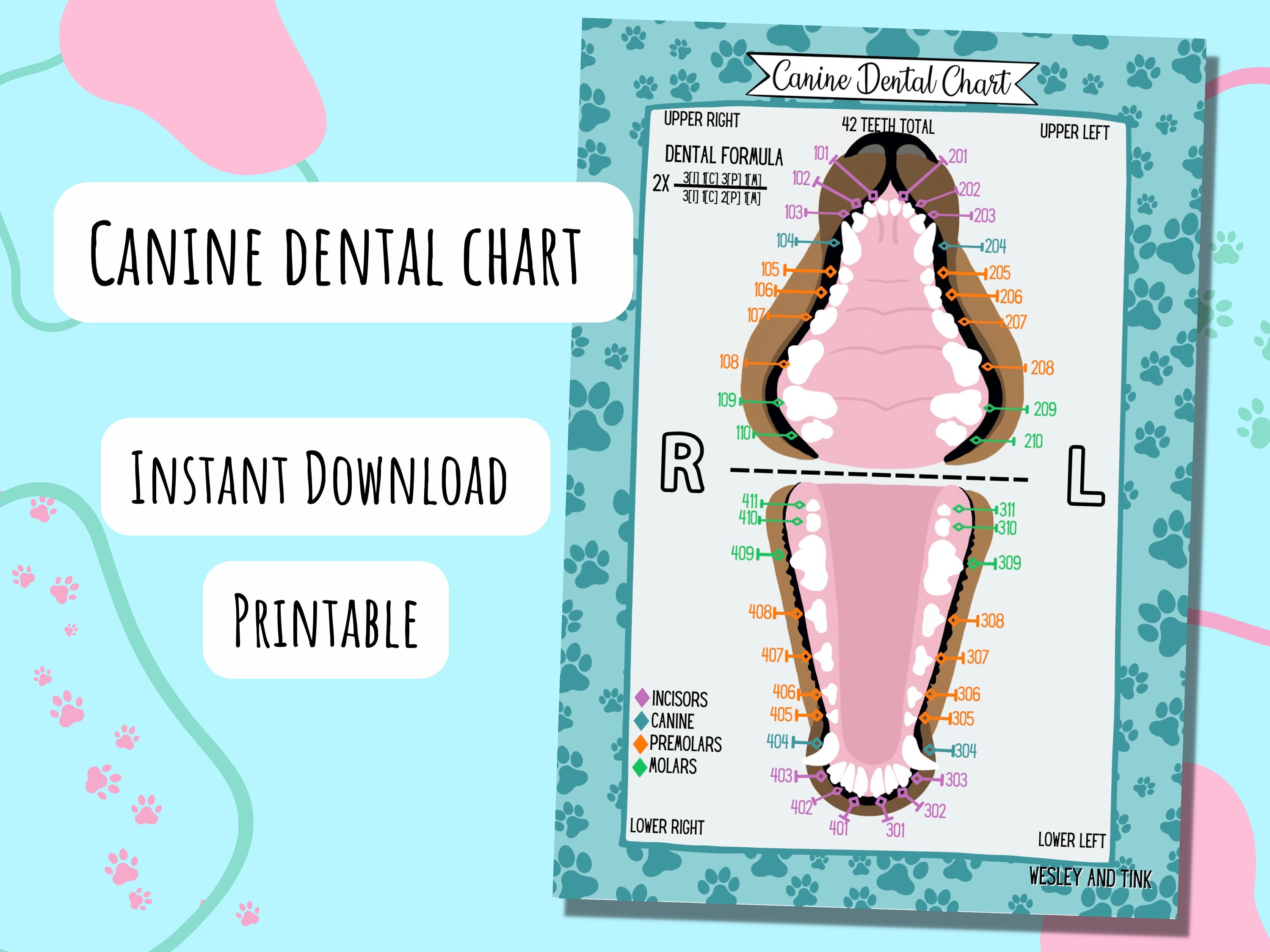
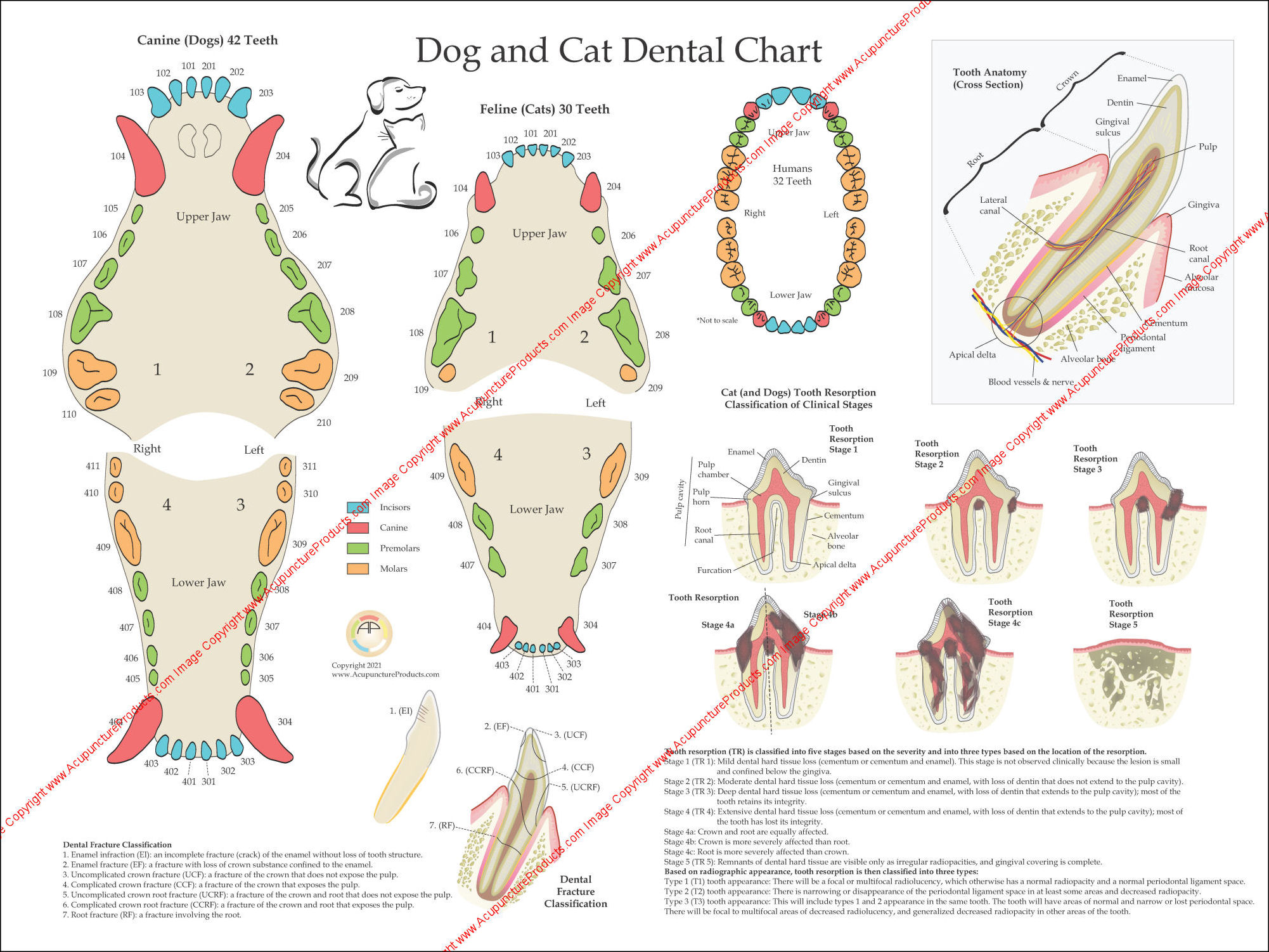
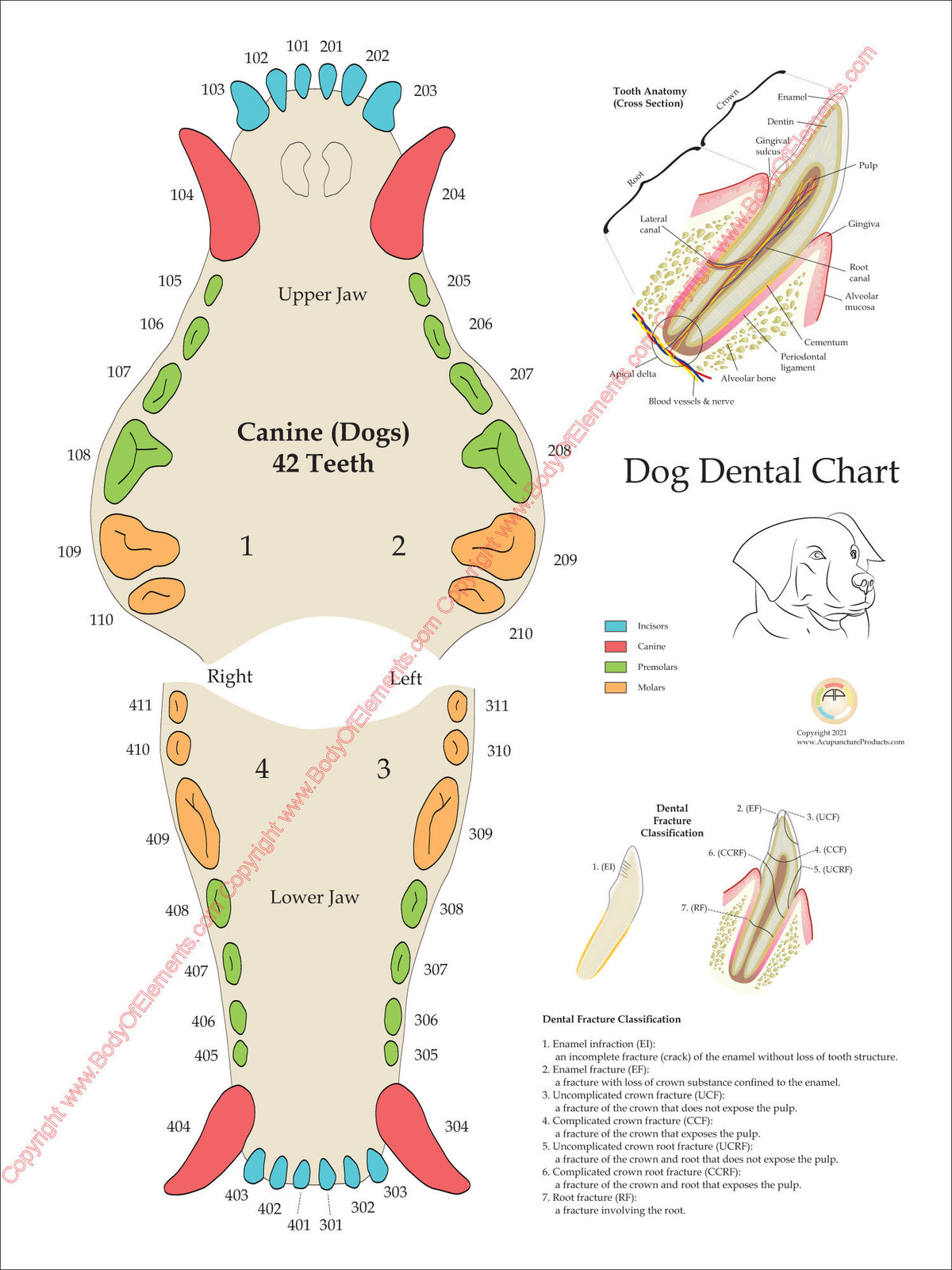
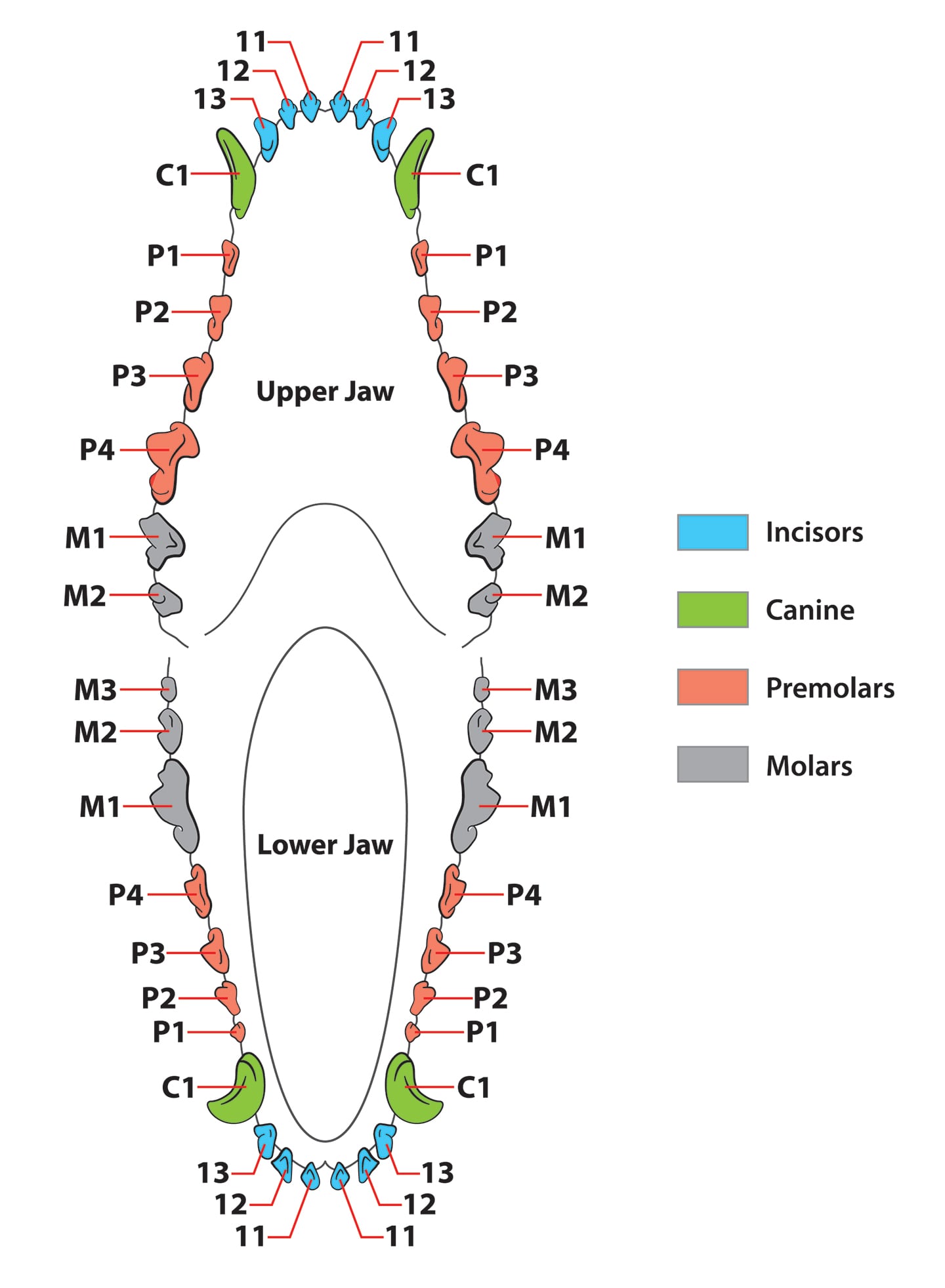
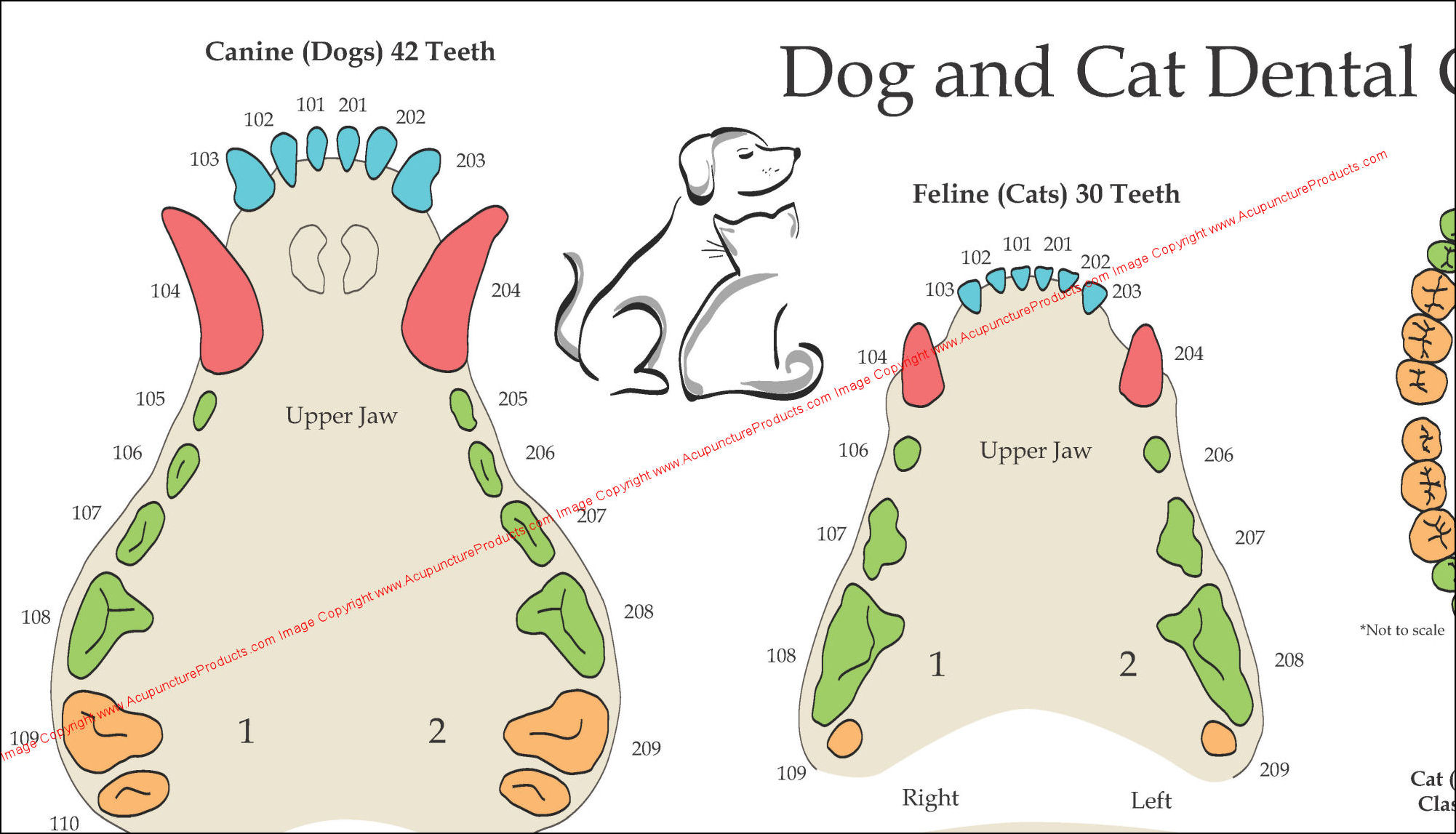
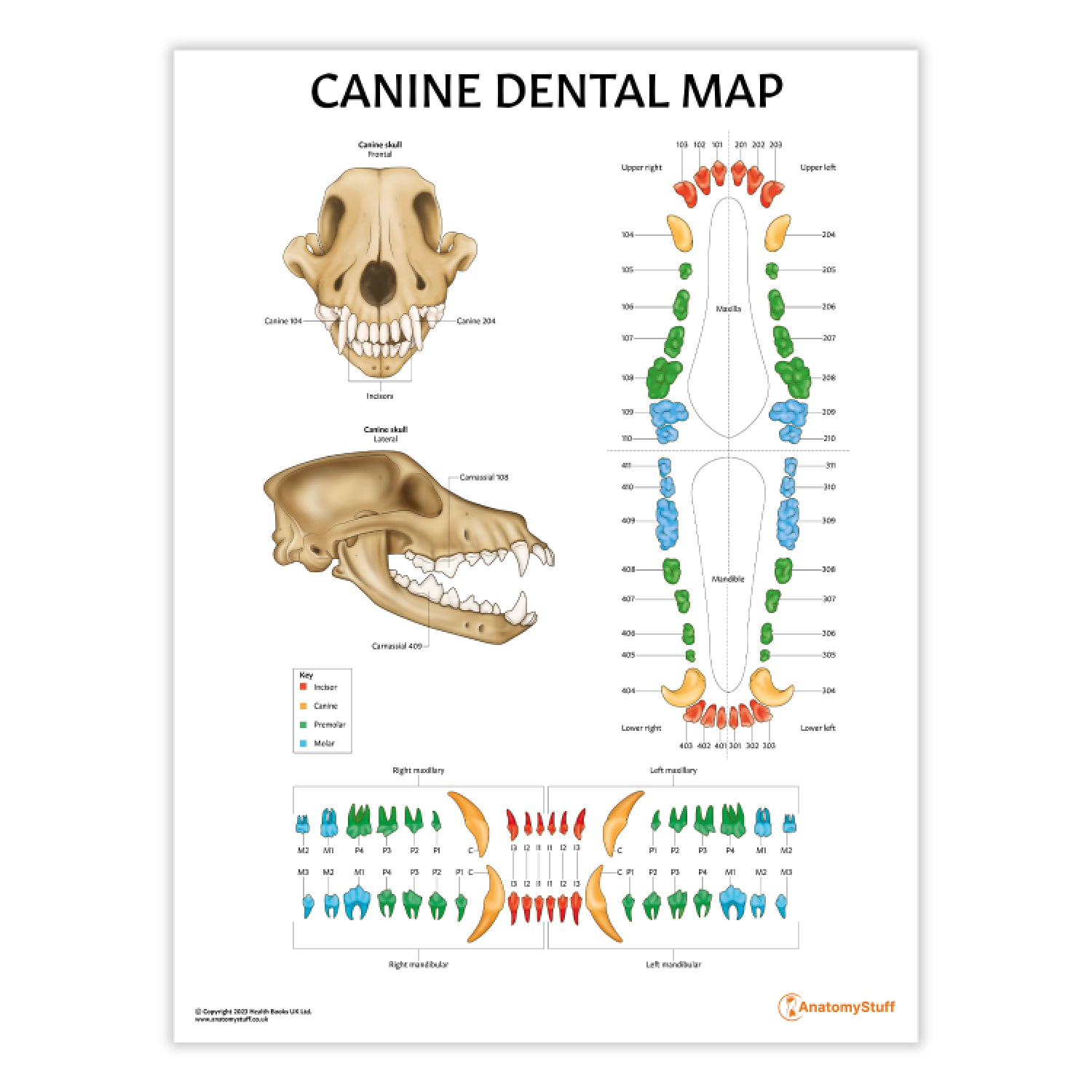
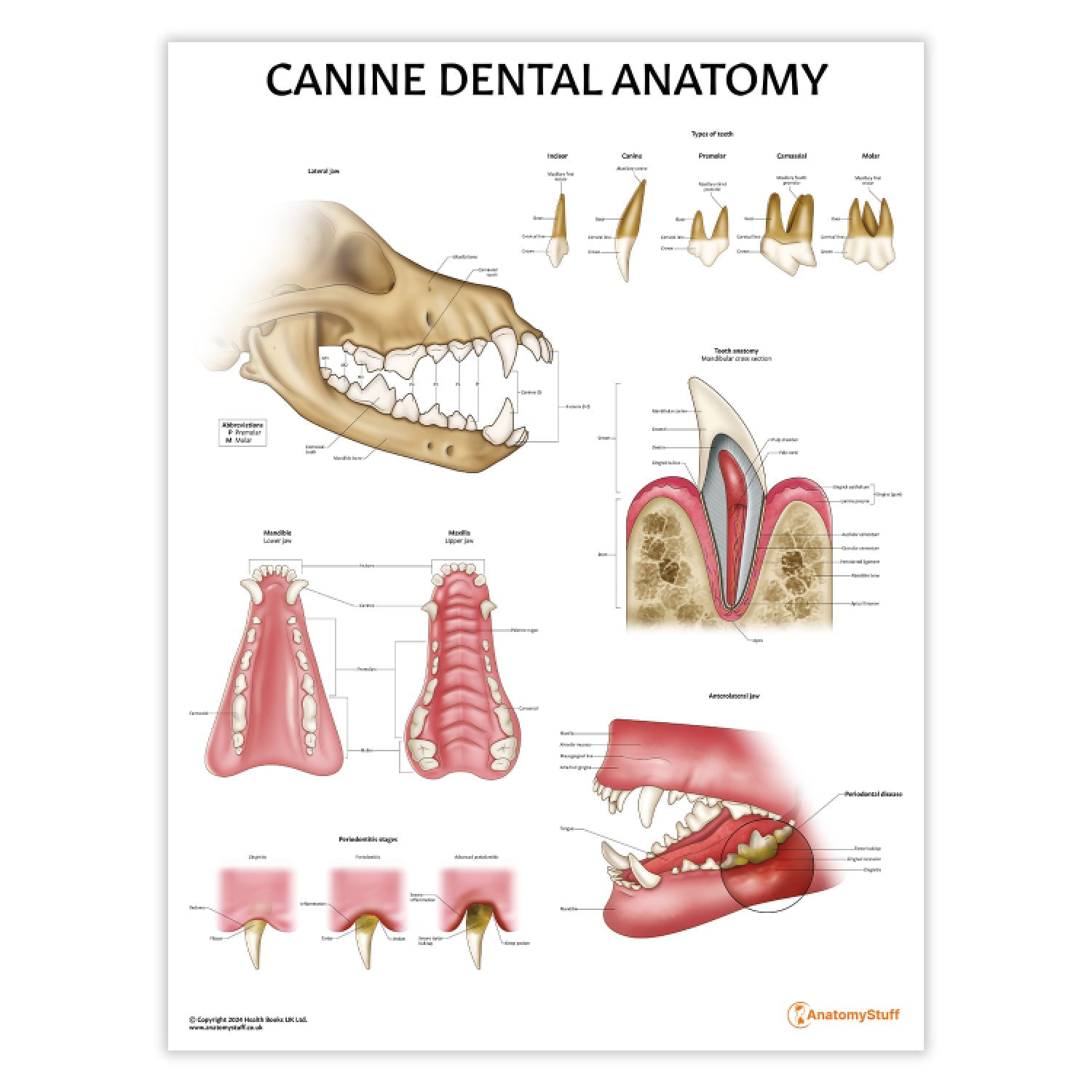
A dental chart dog is a handy tool for anyone dealing with canine dental health. It's a simple yet effective visual guide, offering a quick reference to understand a dog's teeth. This guide will walk you through the basics, covering what these charts reveal and how to interpret them accurately.
You'll find these charts useful for identifying teeth, understanding their development, and even getting insights into common dental issues. While the specifics may vary slightly depending on the source, the core information remains consistent, providing a reliable framework for dog owners and professionals alike.
What is a Dental Chart Dog?
A dental chart dog is a reference tool used by veterinarians and dog owners to understand and identify a dog's teeth. It provides a visual representation, often in the form of a diagram or table, that helps locate and name each tooth in a dog's mouth. This chart is an essential guide for anyone involved in canine dental care, offering a quick and easy way to identify teeth and their positions.
Key Details and Categories
The dental chart dog typically displays a comprehensive layout of a dog's dentition, including both permanent and deciduous (baby) teeth. It often follows a standard tooth notation system, which uses specific symbols or letters to represent different teeth. For instance, 'I' might represent incisors, 'C' for canines, and 'PM' for premolars. Additionally, the chart may include information on the tooth's position in the mouth, its side (left or right), and sometimes even its specific quadrant. It's important to note that while there are international standards, slight variations in notation and layout may exist between different veterinary organizations or regions.
How to Read and Apply the Chart
Reading a dental chart dog is straightforward:
- Identify the tooth symbol or notation on the chart. For example, 'I' for incisors.
- Locate the corresponding tooth in your dog's mouth based on the chart's visual guide or written description.
- Note any issues or abnormalities, such as missing, damaged, or misaligned teeth, and compare them to the standard layout on the chart.
- Record the findings for future reference or to share with your veterinarian.
Variations and Differences
Variations in dental chart dog standards can occur due to several factors. Different veterinary associations or regions may have their own specific tooth notation systems and layouts. Additionally, the chart's design might vary depending on the breed of dog it is intended for, as tooth structure and positioning can differ between breeds. For instance, a chart designed for a small breed like a Chihuahua might have a different layout compared to one for a large breed like a Great Dane. It's crucial to ensure you are using the correct chart for your dog's breed and that you understand the specific notation system it employs.
Common Mistakes and How to Avoid Them
One common mistake is using the wrong dental chart dog for your dog's breed, which can lead to incorrect tooth identification. Always ensure you have the appropriate chart for your dog's breed and that you understand the specific notation system it uses. Another pitfall is failing to account for individual variations within a breed. While charts provide a standard layout, individual dogs may have slightly different tooth positions or structures. Regular dental check-ups with a veterinarian can help identify and address any abnormalities. Finally, remember that dental chart dogs are tools for identification and reference. They should not replace professional veterinary advice or treatment. If you notice any dental issues, consult a veterinarian for proper diagnosis and care.
Well, there you have it! A handy dental chart dog guide to keep things simple and clear. Remember, when it comes to these charts, it's important to ensure you're using the right one for your specific needs. Exact values and details can vary, so always double-check the relevant standards or guidelines for your context.
Consider bookmarking this page for future reference. It's a quick and easy way to ensure you have the right info at your fingertips when you need it most. Happy charting!