



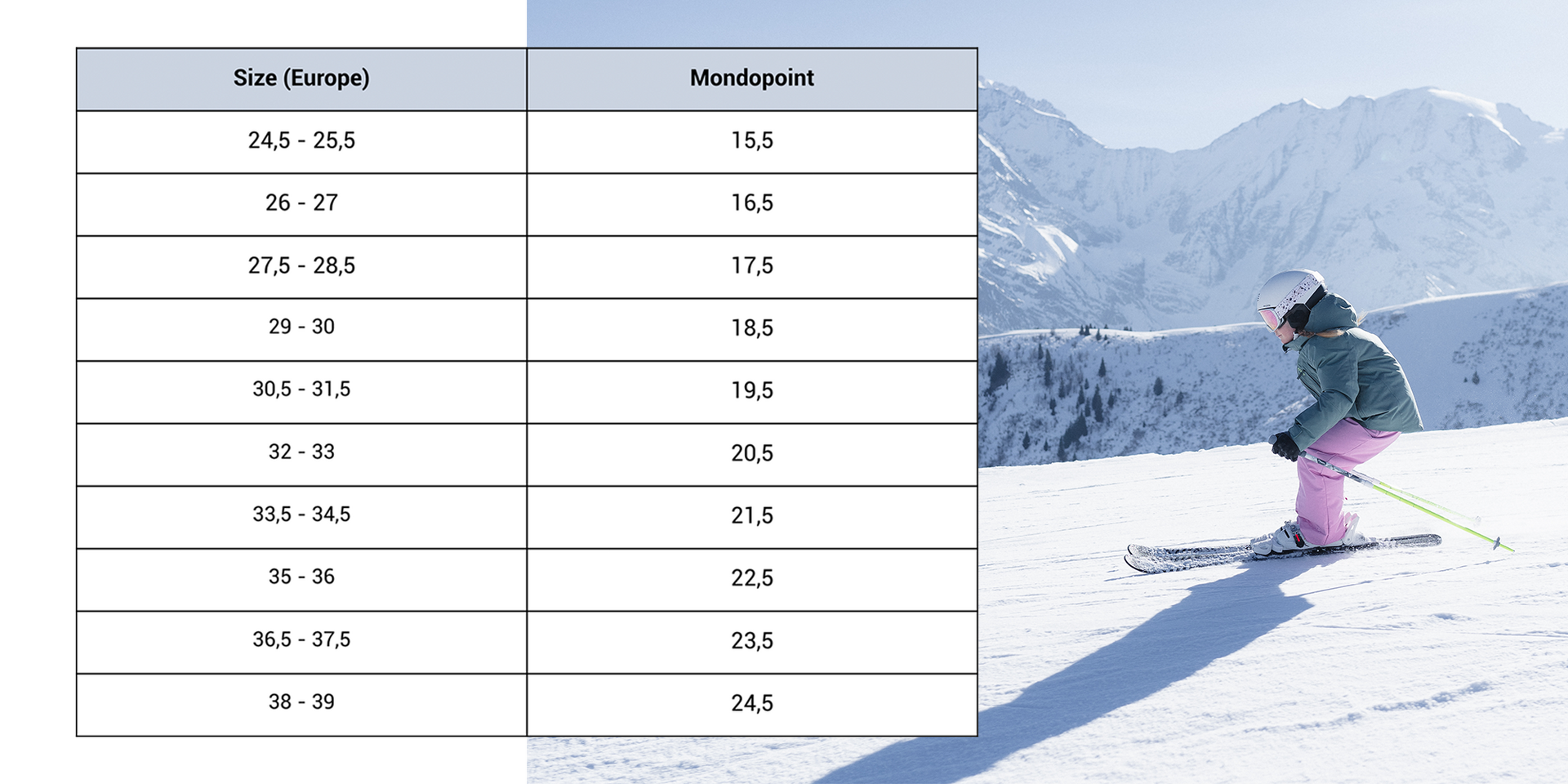
Coat Size Chart Template Overview
Many skiers assume that a ski length chart is a one-size-fits-all guide, but it's actually a flexible tool with some room for personal preference. While these charts provide a great starting point, they're not set in stone.
So, when you see a ski length chart, don't be afraid to experiment a little. Values can vary, and it's worth considering your skill level and the type of skiing you prefer. You might find a slightly longer or shorter ski suits your style better. It's all about finding the right fit for you!
Ski Length Chart: A Quick Guide
A ski length chart is a simple tool to help you choose the right skis for your height and skill level. It's a handy reference to ensure you get the optimal ski length for your needs, whether you're a beginner or an experienced skier.
Key Details and Categories
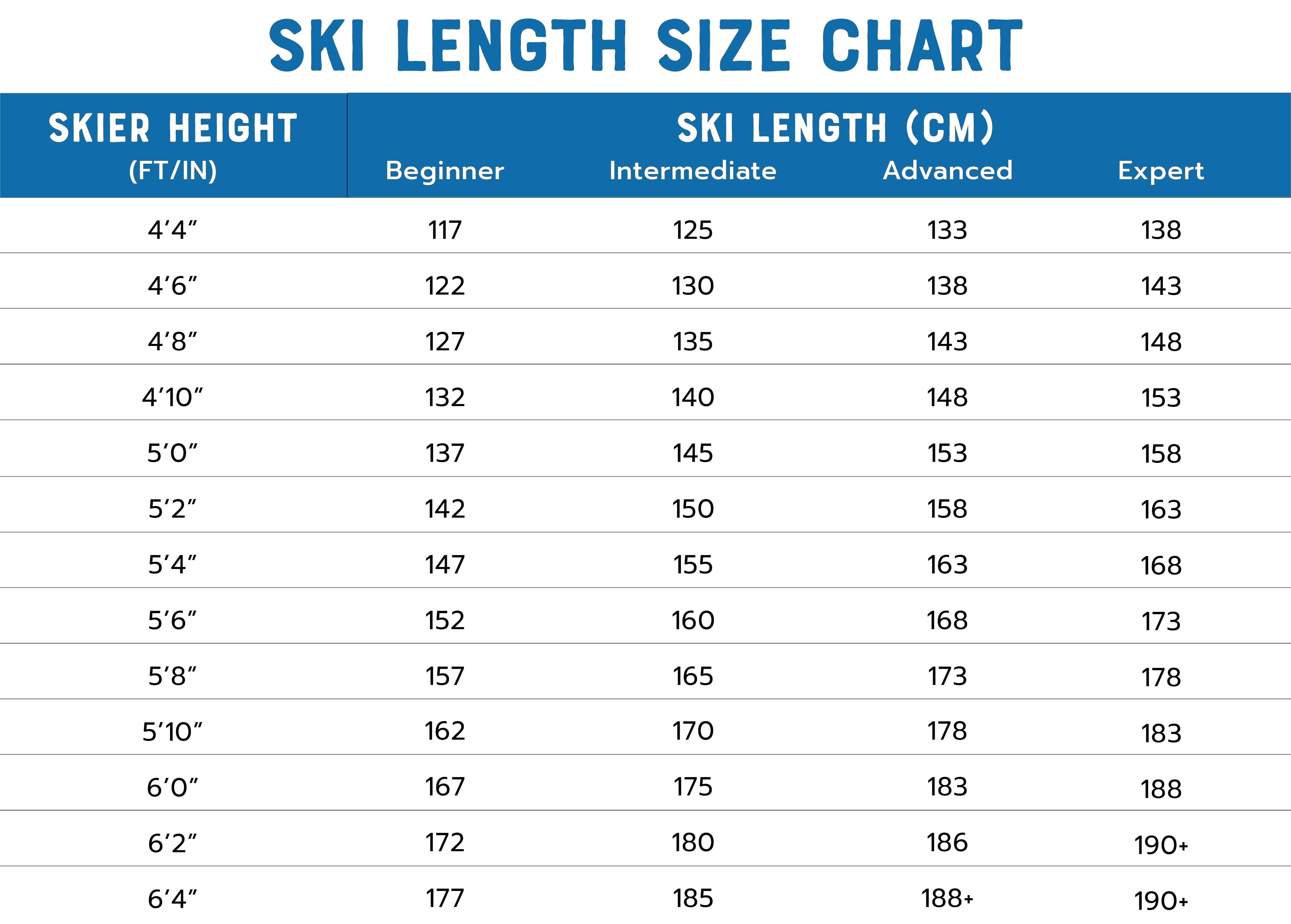
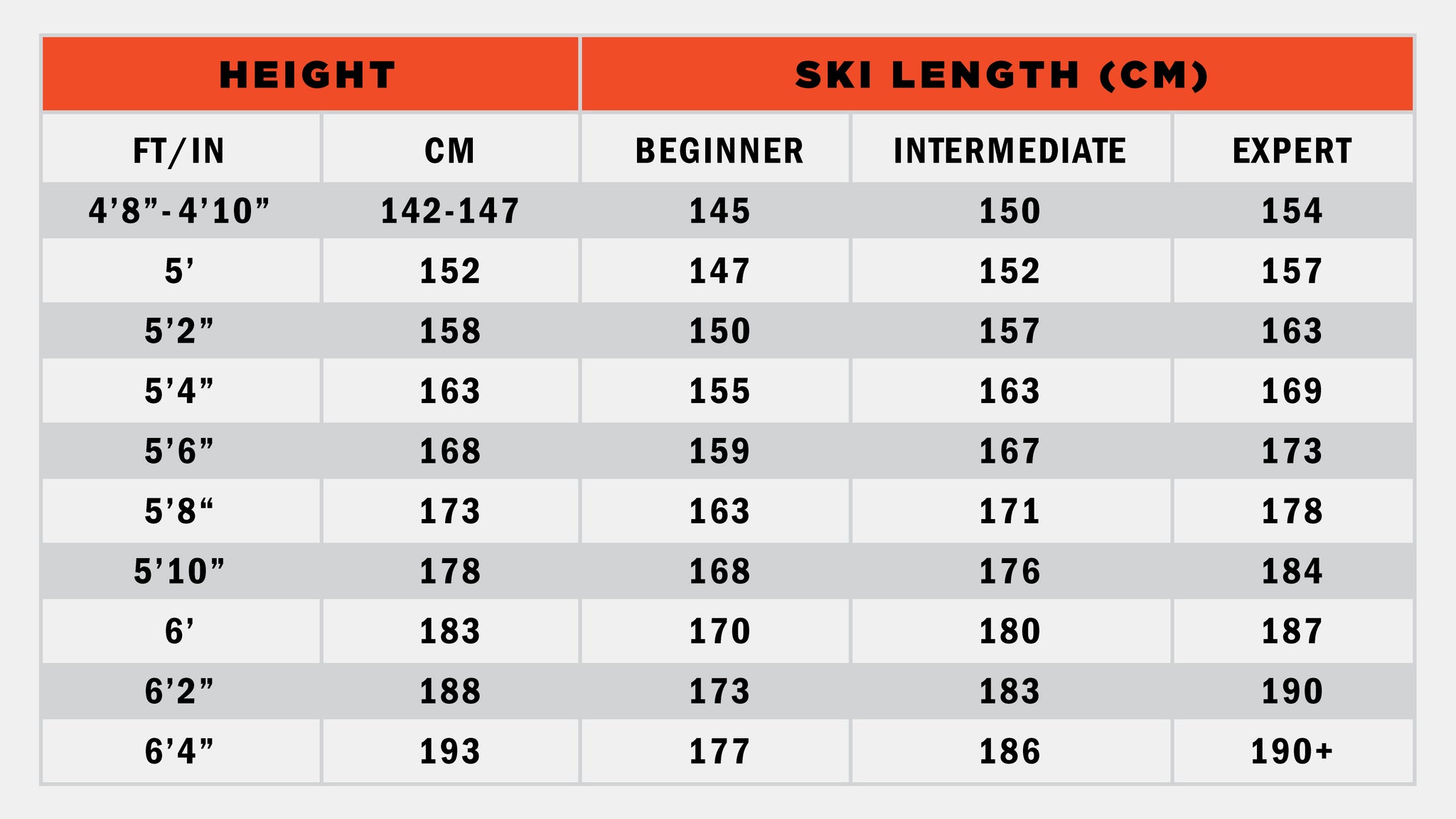
The chart typically displays a range of heights, usually in inches or centimeters, along with the corresponding recommended ski lengths. These lengths are often given in centimeters and are categorized by skill level: beginner, intermediate, and advanced. Some charts may also include additional factors like weight or specific ski types.
How to Read and Apply the Chart
Reading a ski length chart is straightforward. First, identify your height on the chart. Then, find the recommended ski length for your skill level. Here's a step-by-step guide:
- Locate your height: Look for the column or row that matches your height. If your height falls between two values, you can estimate or choose the closest length.
- Determine your skill level: Identify whether you're a beginner, intermediate, or advanced skier. Most charts will provide recommendations based on these skill levels.
- Choose your ski length: Find the intersection of your height and skill level. This will give you the recommended ski length. For example, if you're 5'8" tall and an intermediate skier, the chart might suggest a ski length of 165 cm.
Variations and Differences
It's important to note that ski length charts can vary depending on the standard used. Different regions and manufacturers may have slightly different recommendations. Additionally, some charts may offer more detailed suggestions, considering factors like weight and ski type. These variations ensure a more personalized ski length recommendation.
Common Mistakes and How to Avoid Them
One common mistake is relying solely on height without considering skill level. Remember, the chart takes both into account. Another pitfall is ignoring specific ski types. If you're using a particular type of ski, like powder skis or racing skis, ensure the chart accounts for this or seek a specialized chart.
Practical Tips for Accurate Results
To ensure you get the best fit, consider these tips:
- If you're between two sizes, err on the side of shorter skis. Longer skis can be more challenging to control, especially for beginners.
- Don't be afraid to seek advice from ski shop experts. They can provide personalized recommendations and ensure a perfect fit.
- If you're an advanced skier, you may prefer a longer ski for more speed and stability. However, ensure you have the skills to handle them.
Double-Checking and Handling Exceptions
While ski length charts are a great starting point, it's always wise to double-check with a professional. They can assess your skiing style and preferences and ensure the recommended length suits your needs. Additionally, if you have specific requirements, like adaptive skiing equipment, consult a specialist to ensure the best fit.
Well, there you have it! A ski length chart is a handy tool, but remember, it's a guide, and exact values can differ. Always consider your personal preferences and the specific conditions you'll be skiing in.
Don't forget to take a moment and ensure you've covered all your bases before hitting the slopes. And hey, if you're keen to learn more, we've got a bunch of other guides on similar topics that might interest you. Happy reading and skiing!
Related: What's the lip piercing chart all about?
A common misconception about lip piercing charts is that they are solely for aesthetic purposes, but these charts are far more practical and informative than many realize. While they do showcase the various piercing placements and styles, their primary function is to guide and educate individuals on the different types of lip piercings and their specific details.
The lip piercing chart serves as a visual reference, offering insights into lip piercing placement, sizes, and even anatomy. It ensures that those interested in this body modification can make informed decisions and understand the unique characteristics of each piercing type. Whether it's the classic labret piercing or the iconic Monroe piercing, these charts provide a clear roadmap, ensuring an accurate and safe piercing experience.
Understanding the Lip Piercing Chart
The lip piercing chart is a valuable reference tool for anyone considering or already sporting a lip piercing. It provides a visual guide to the various types of lip piercings, their placements, and standard measurements. This chart simplifies the process of understanding lip piercings and helps individuals make informed decisions about their body modifications.
Key Details and Categories
The lip piercing chart typically includes a range of information. It showcases different lip piercing types, such as the popular monroe piercing, labret piercings, and more. Each piercing type is associated with specific anatomical placements on the lip, such as the center, corners, or above the lip. The chart also displays standard gauges or sizes for each piercing, usually measured in millimeters or fractions of an inch. These measurements indicate the thickness of the jewelry used for the piercing.
Reading the Chart: A Step-by-Step Guide
To utilize the lip piercing chart effectively, follow these steps:
- Identify the type of lip piercing you are interested in or already have.
- Locate the corresponding piercing type on the chart.
- Note the recommended gauge or size for that piercing, ensuring it aligns with your preferences or existing jewelry.
- If you are considering a new piercing, consult with a professional piercer to discuss the specific placement and size options suitable for your anatomy.
- For existing piercings, compare the chart's measurements with your current jewelry to ensure a proper fit and avoid discomfort.
Variations and Differences
It's important to note that lip piercing charts may vary depending on the standard being used. Different regions and piercing communities might have slightly different measurements or labels. Additionally, individual anatomy plays a significant role; what works for one person might not be ideal for another. Factors like lip thickness, skin elasticity, and personal comfort levels can influence the chosen gauge and placement.
Common Mistakes and How to Avoid Them
One common mistake is assuming that a single chart covers all piercing scenarios. While lip piercing charts provide valuable guidance, it's crucial to double-check exact specifications, especially when dealing with unique anatomy or specific piercing types. Another pitfall is ignoring aftercare instructions; proper care is essential for healing and maintaining a healthy piercing.
Practical Tips for Accurate Results
To ensure accurate results when using a lip piercing chart, consider the following:
- Consult with experienced piercers who can provide personalized advice based on your anatomy.
- Understand that the chart serves as a guide, and some adjustments might be necessary to suit your unique features.
- Stay informed about the latest piercing trends and techniques to make well-informed decisions.
- Prioritize your comfort and safety by choosing a reputable piercing studio and following aftercare guidelines diligently.
Well, there you have it! A comprehensive guide to lip piercing charts, covering all the essential information you need to know. Remember, these charts are a great tool, but it's always wise to ensure you're using the right one for your specific situation.
So, before you dive in, double-check your context and requirements to ensure you're getting the most accurate and relevant information. This chart is a handy reference, so feel free to bookmark this page for future use. It's a quick and easy way to refresh your memory whenever you need a piercing guide.
Related: How to Use the Helmet Size Chart
Many folks assume that a helmet size chart is a one-size-fits-all guide, but that's not always the case! While it's a handy tool, it's important to understand that these charts can vary and are tailored to specific standards and brands.
So, when you're measuring for a new helmet, whether it's for biking, skiing, or any other adventure, remember that the helmet size chart is your friend, but it's just one part of the sizing process. You'll want to ensure an accurate head circumference measurement and consult a helmet size guide or fitting guide for the best results.
Understanding Helmet Size Charts
Helmet size charts are your go-to guide for ensuring a perfect fit. They're like a map, showing you the different sizes and helping you find the right one for your head. These charts are essential for anyone looking to buy a helmet, be it for cycling, skiing, or any other activity.
Key Details and Categories
The helmet size chart typically includes two main measurements: head circumference and helmet size. Head circumference is the key measurement, often given in inches or centimeters, and it's a crucial factor in finding the right fit. Helmet sizes, on the other hand, can vary depending on the standard and the type of helmet. Some charts may use letters (e.g., S, M, L) or numerical ranges to represent sizes.
Reading and Applying the Chart
Using a helmet size chart is straightforward. Here's a step-by-step guide:
- Measure your head circumference. Wrap a flexible tape measure around the widest part of your head, just above your eyebrows and ears. Ensure it's not too tight or too loose.
- Refer to the chart and locate your head circumference measurement. This will give you a range of helmet sizes that should fit you.
- Try on helmets within this size range. Adjust the helmet's fit system (if available) to achieve a snug, comfortable fit.
- Ensure the helmet sits level on your head, covering your forehead and not tilting back. It should feel secure without excessive pressure.
Variations and Differences
Variations in helmet size charts can arise due to different standards and manufacturers. Here are some key factors to consider:
- Measurement Units: Some charts use inches, while others use centimeters. Always check the units to ensure accurate readings.
- International Standards: Different countries may have their own sizing standards. For example, the US and Europe might use different size ranges.
- Helmet Type: The chart may vary based on the helmet's purpose. A cycling helmet size chart might differ from a motorcycle helmet chart.
- Manufacturer Preferences: Some brands might have slightly different sizing guidelines, so always refer to their specific charts.
Common Mistakes and How to Avoid Them
When using a helmet size guide, avoid these common pitfalls:
- Wrong Measurement: Ensure you measure your head accurately. A slight difference can lead to an ill-fitting helmet.
- Assuming Sizes are Universal: Don't assume that all helmets of the same size will fit the same. Always refer to the specific chart for each helmet.
- Neglecting Comfort: A helmet should feel comfortable and secure. Don't sacrifice comfort for a "close enough" fit.
Practical Tips for Accurate Results
To ensure you get the perfect fit, consider these tips:
- Measure your head circumference multiple times to ensure consistency.
- If you're between sizes, opt for the larger size to allow for a comfortable fit.
- Try on helmets in-store if possible, as this gives you a better idea of the fit and comfort.
- Consider the shape of your head. Some helmets are designed for specific head shapes, so pay attention to this detail.
Double-Checking and Handling Exceptions
While helmet size charts are a great guide, there are some cases where you might need to double-check:
- If you have an unusually shaped head, consult an expert or a professional fitter.
- For custom-fit helmets, the manufacturer's guidelines should be followed precisely.
- In cases of extreme head sizes (very large or very small), specialized helmets might be required. Always check with experts or medical professionals in such cases.
Remember, a properly fitted helmet is crucial for your safety and comfort. Take the time to understand and utilize the helmet size chart effectively.
Well, there you have it! A helmet size chart is a handy tool to ensure a perfect fit, and it's important to understand the basics and know the potential variations.
Remember, while this guide offers a solid framework, every situation is unique. So, take a moment to consider your specific needs and requirements. Whether it's for cycling, skiing, or any other activity, ensure you're aware of any unique standards or guidelines that may apply. With that in mind, you're all set to measure and find the perfect helmet size!
Consider bookmarking this page for future reference; it's always good to have a quick and easy reminder when you need it. Happy measuring, and stay safe out there!