





Coloring Harry Potter Characters Overview
You're here because you need a straightforward answer, and the firewood btu chart is your go-to resource. It's a simple yet powerful tool, offering a quick glance at the energy content of different woods. This chart is a handy reference, providing values for the heating value of firewood, often measured in btu per cord or pound. With this information, you can make informed choices, ensuring your firewood stack is efficient and effective.
Understanding the Firewood BTU Chart: A Quick Overview
The firewood BTU chart is a valuable tool for anyone using wood as a heat source. It provides a reference guide to the energy content of various firewood types, helping you make informed choices for efficient heating. This chart offers a standardized way to compare the heating value of different woods.
Comparing Firewood Types and Their BTU Ratings
The chart categorizes firewood by species, offering a range of common and less-common woods. Each wood type has a BTU (British Thermal Unit) rating, which indicates the heat energy it can produce. BTUs measure the amount of heat needed to raise the temperature of water by one degree Fahrenheit. The higher the BTU rating, the more heat potential the wood has. For example, hardwoods like oak and maple tend to have higher BTU ratings compared to softwoods like pine.
Step-by-Step Guide to Reading the Firewood BTU Chart
When using the firewood BTU chart, follow these steps:
- Identify the wood species you are using or considering.
- Locate the corresponding BTU rating on the chart.
- Understand the rating in the context of your heating needs. A higher BTU rating means the wood will produce more heat, but it may also burn faster.
- Consider the efficiency of your fireplace or stove. Some appliances are more efficient at extracting heat from the wood, so the BTU rating can be a guide for optimal wood selection.
- If you're buying firewood, use the chart to estimate the energy content of a cord of wood. A cord is a standard measurement for firewood, typically 128 cubic feet.
Avoiding Misreadings and Pitfalls
It's important to note that the firewood BTU chart provides a general guide, and actual heat output can vary. Factors like wood moisture content, density, and the efficiency of your heating appliance can impact the results. Always ensure your wood is properly seasoned (dried) to achieve the best heat output. Additionally, be aware that the BTU ratings on the chart are for green (freshly cut) wood. As wood dries, its energy content can increase, so the actual BTUs may be higher than the chart indicates.
Factors Affecting Accuracy and Real-World Use
Several key factors influence the accuracy of the firewood BTU chart and its application:
- Wood Moisture Content: Freshly cut wood has a higher moisture content, which reduces its energy content. As wood dries, its BTU value increases.
- Wood Density: Denser woods, like oak, have higher BTU ratings due to their compact structure.
- Heating Appliance Efficiency: The efficiency of your fireplace or stove can significantly impact the heat output from the wood.
- Seasoning Time: Properly seasoned wood, typically dried for 6-12 months, burns more efficiently and produces more heat.
- Regional Variations: Different regions may have variations in wood species and growth conditions, which can affect the BTU ratings.
Adapting the Firewood BTU Chart for Specific Needs
The firewood BTU chart is a versatile tool, and you can adapt it to suit your specific heating requirements. If you have a high-efficiency fireplace or stove, you may want to focus on woods with higher BTU ratings for maximum heat output. For traditional fireplaces, a mix of hardwoods and softwoods can provide a balanced burn. If you're unsure about the BTU ratings of local wood species, consult with local firewood suppliers or forestry experts. They can provide valuable insights into the best wood choices for your region.
Well, that's a wrap on our firewood BTU adventure! We've covered a lot of ground, from understanding the chart's purpose to navigating its various components and potential pitfalls.
Remember, while this guide offers a comprehensive overview, your unique circumstances may require further consideration. Always refer to reliable sources and adapt the information to your specific needs. It's a simple step that can make a big difference in your firewood choices and overall experience.
Consider bookmarking this page for future reference. It's a handy tool to have at your fingertips when you need a quick reminder or a deeper dive into the world of firewood BTUs. Until next time, happy (and informed) burning!
Related: Find Your Seat: NRG Seating Chart Guide
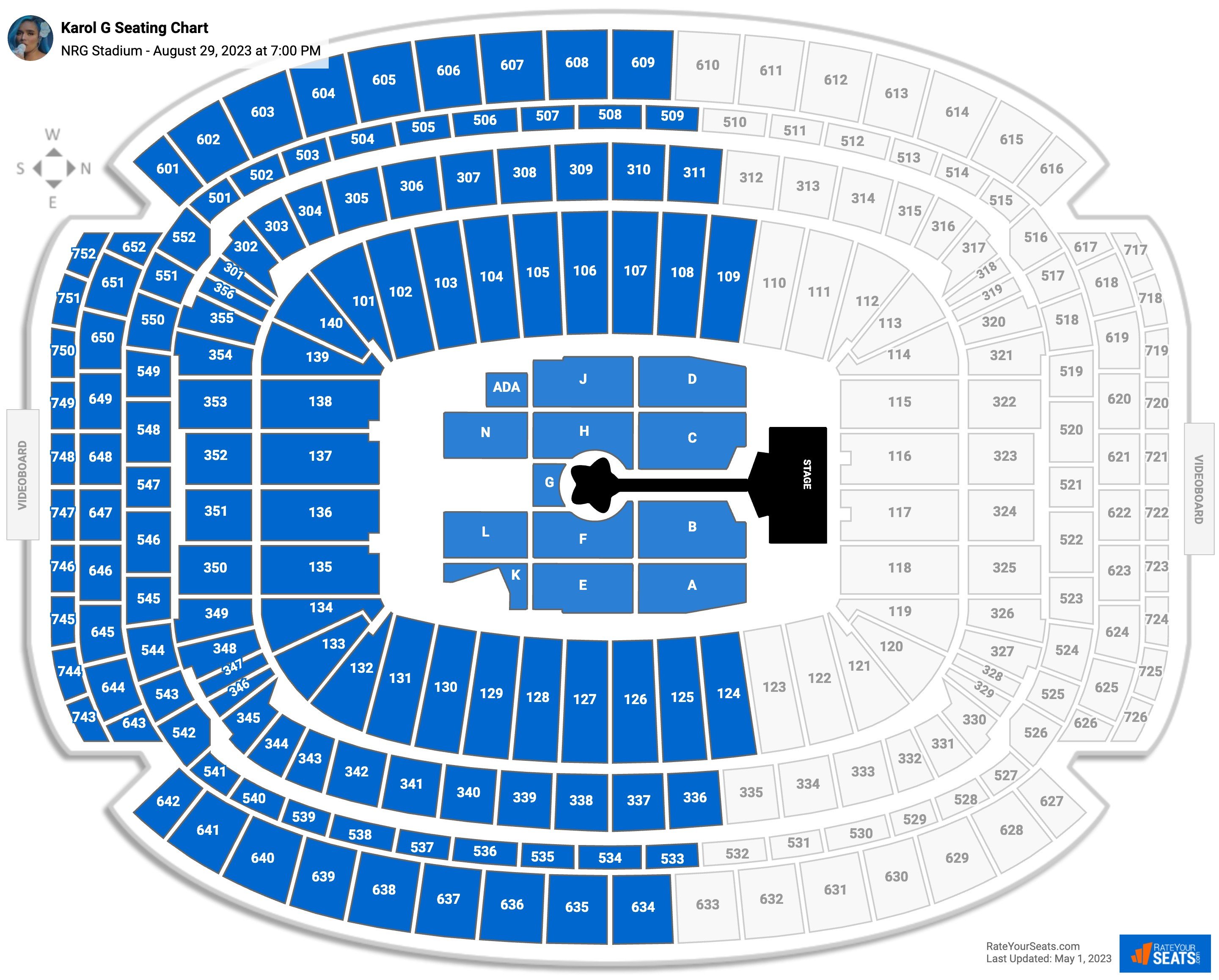
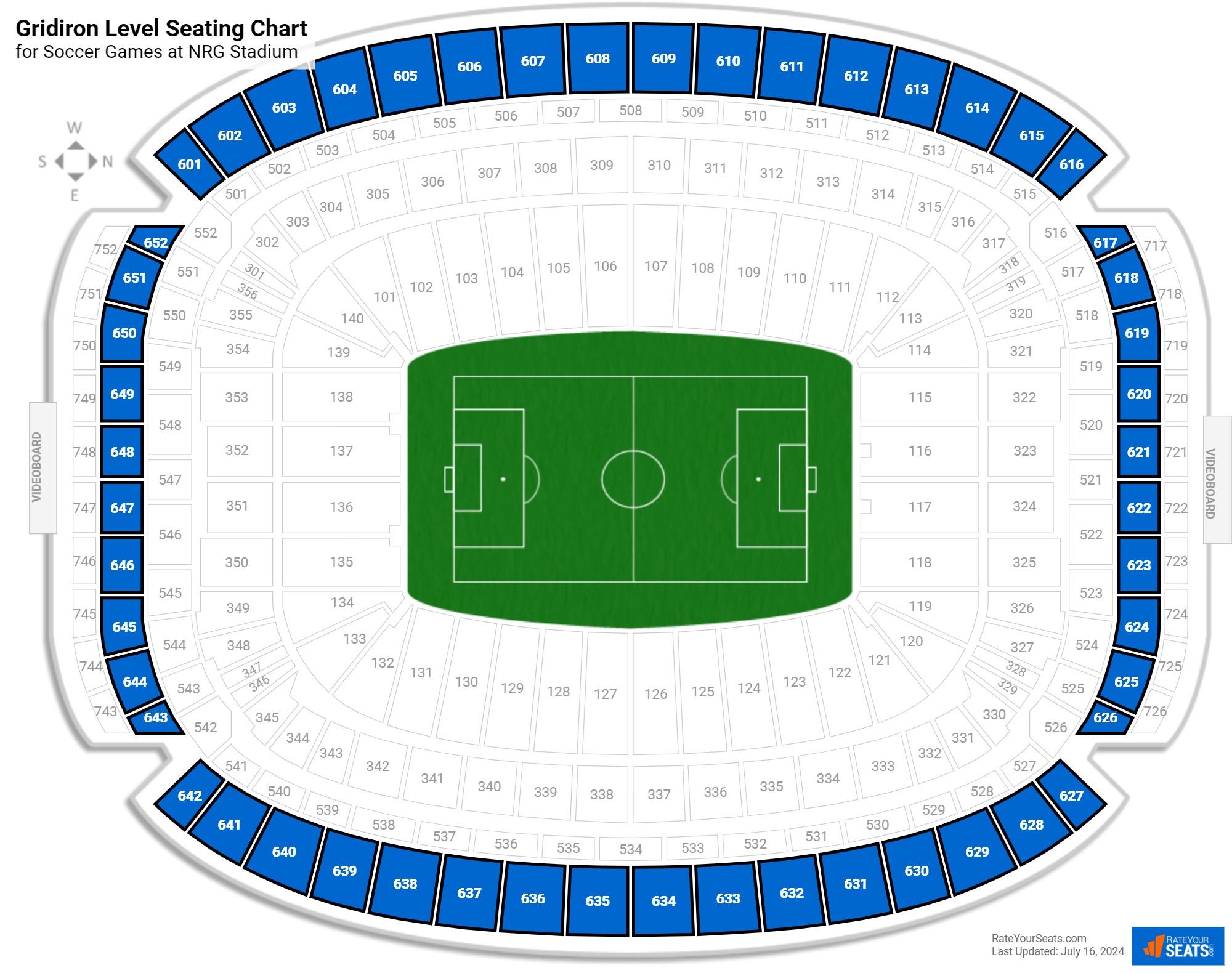
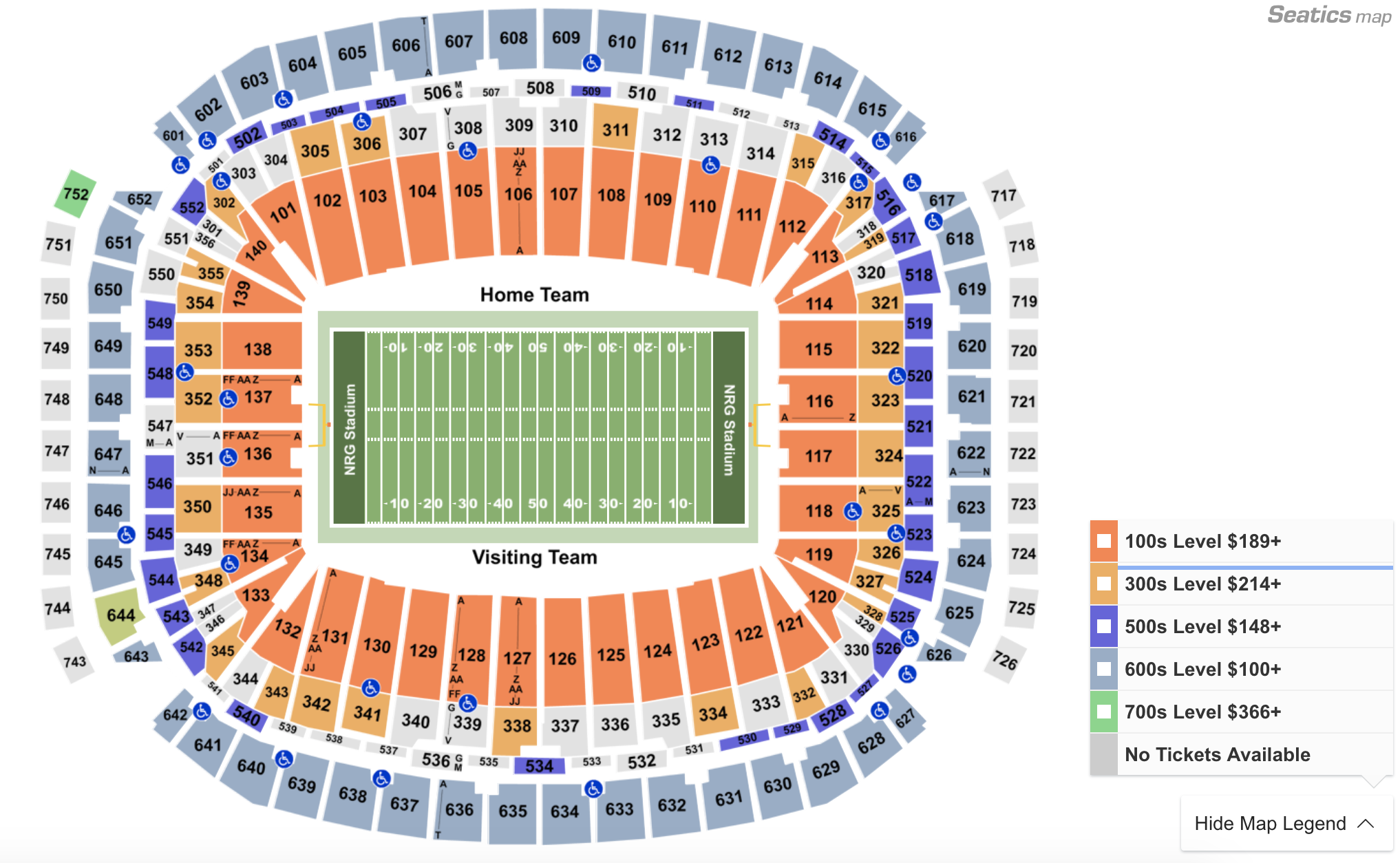
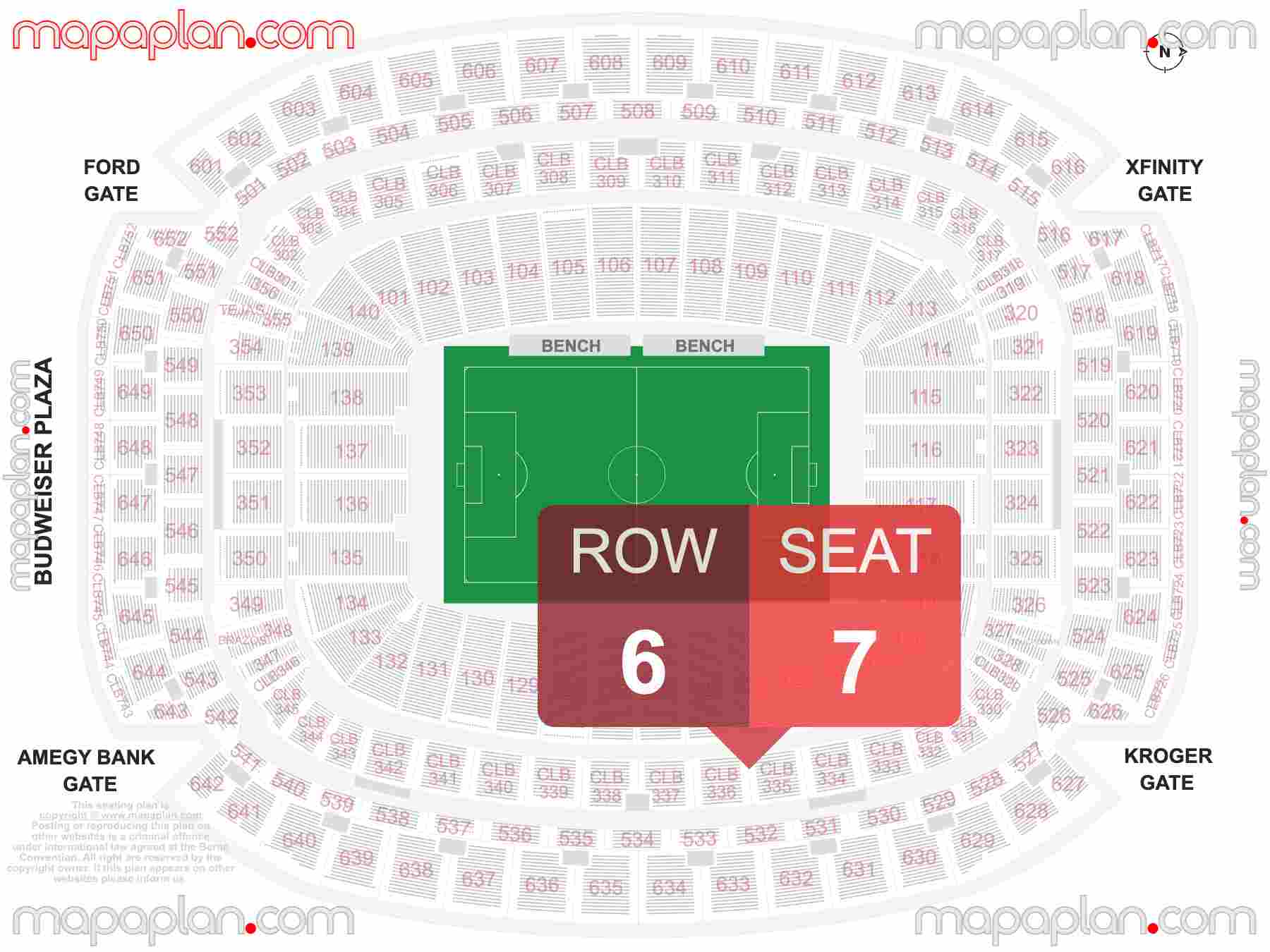
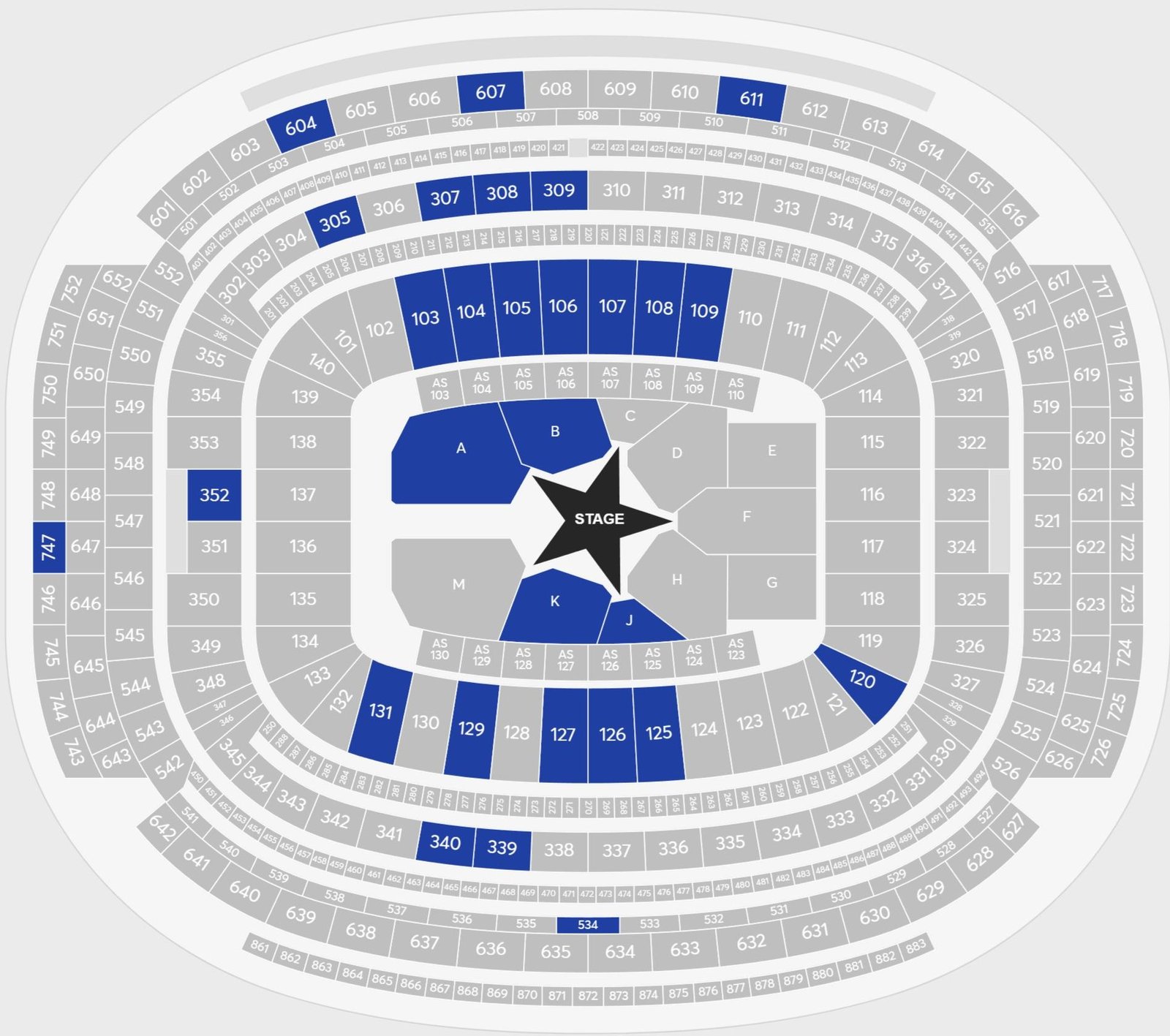
You're probably here because you need a quick fix, a simple solution to understand the nrg seating chart and make sense of those rows and sections. It's a common quest, and the good news is, it's an easy one to tackle. The chart is your key to navigating events at the NRG, whether it's a concert, sports game, or any other spectacle. While the specifics might vary slightly depending on the event, the basic layout and section names will guide you to your seat with ease.
Understanding the NRG Seating Chart
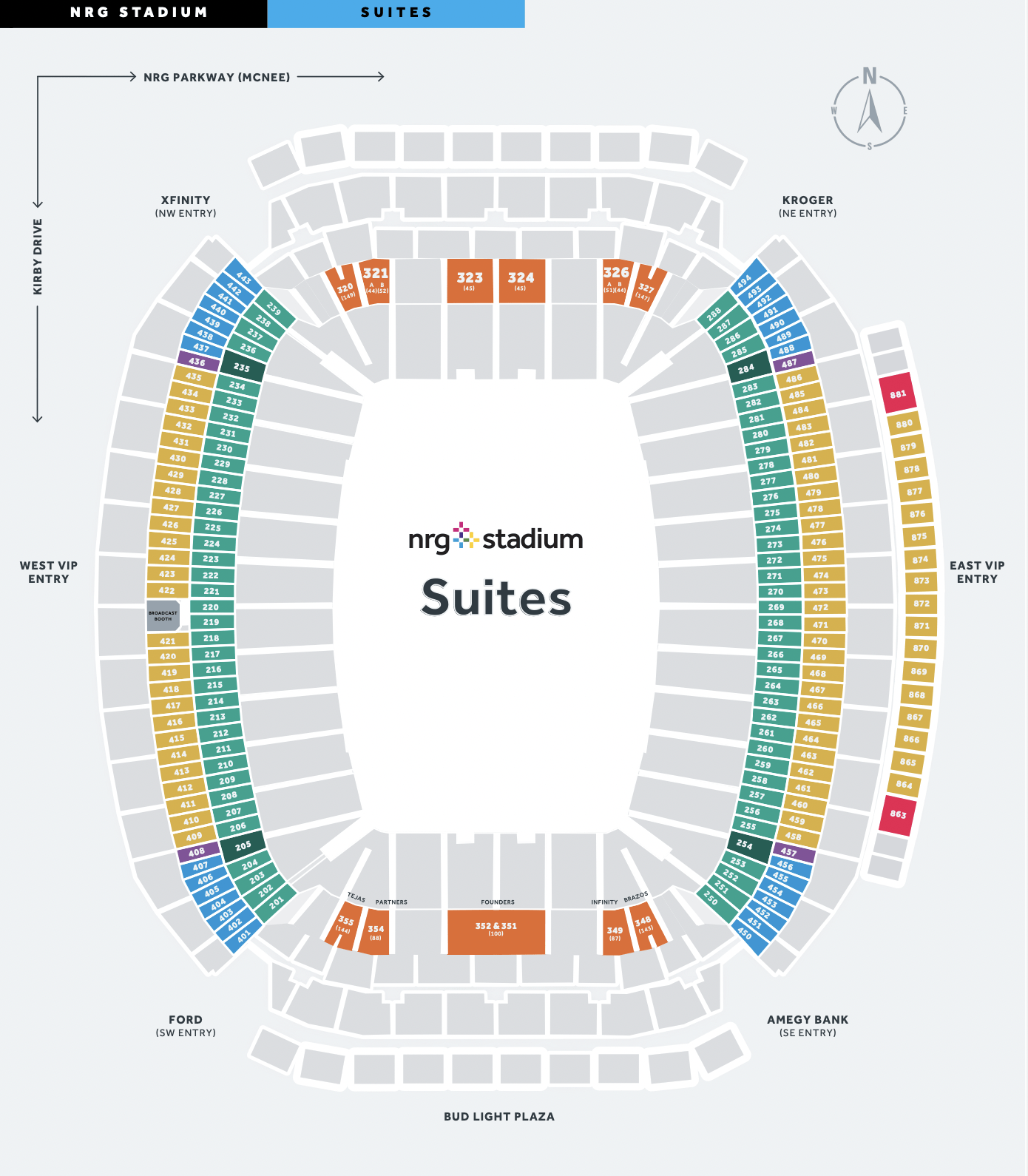
The NRG seating chart is a handy tool for anyone attending an event at the NRG Arena. It provides a visual representation of the venue's seating layout, helping you navigate and choose your preferred seats. This chart is a reference guide, offering a clear overview of the arena's seating options.
Standard Seat Dimensions and Arrangements
The NRG seating chart typically follows standard dimensions and arrangements. However, it's important to note that these can vary slightly depending on the event and the specific configuration of the arena. The chart will indicate the seat numbers, sections, and rows, providing a clear picture of the seating layout.
How to Use the NRG Seating Chart: A Step-by-Step Guide
- Identify the Event: First, ensure you have the correct seating chart for the event you're attending. NRG hosts various events, so the chart may differ slightly.
- Locate Your Section: Find the section number or letter indicated on your ticket. This will be your starting point on the seating chart.
- Navigate to Your Seat: Using the chart, follow the row numbers to locate your specific seat. The chart will guide you to your exact location within the section.
- Check Seat Views: Some charts may include a section view or a visual representation of the stage or field from different sections. This can help you assess the view from your seat.
Avoiding Misreadings and Pitfalls
While the NRG seating chart is a valuable tool, there are a few potential pitfalls to be aware of:
- Seat Numbers: Ensure you understand the seat numbering system. It may not always follow a straightforward pattern, especially in larger arenas.
- Section Views: While section views can be helpful, they are often simplified representations. The actual view may vary slightly due to factors like seat height or obstructions.
- Event-Specific Changes: Certain events may require unique seating arrangements. Always double-check the specific seating plan for your event to avoid surprises.
Remember, the NRG seating chart is a practical guide, but it's always a good idea to cross-reference with official sources and reviews to ensure an accurate understanding of your seat's location and view.
Hey there, I hope this guide has given you a clear picture of the NRG seating chart and its uses. Remember, while the basics remain the same, there might be slight variations depending on the specific event or venue.
So, keep this page bookmarked for a quick reference guide the next time you need it. It's a handy tool to have at your fingertips, and you never know when it might come in useful! Feel free to explore our other guides too; we've got plenty of practical tips and tricks to offer.
Related: A Guide to My WVU Chart Login
You've landed on this blog because you're seeking a quick solution, right? Well, you're in the right place. Let's talk about my WVU Chart login. This is your gateway to accessing important information and resources as a student. Think of it as your personal digital hub, where all your academic needs are met.
Your WVU Chart login is unique to you and provides a secure way to access various online services. From checking grades to resetting your password, it's a one-stop shop. While the specifics may vary slightly depending on your role and region, the process is straightforward and reliable.
A Quick Overview of Your WVU Chart Login
Your my wvu chart login is a secure gateway to your personal student account, offering a range of services and resources. This login system ensures you can access your academic records, financial information, and other essential tools with ease and peace of mind.
Comparing Login Options and Security Measures
When it comes to logging in, you have a few options to choose from, each with its own benefits and considerations. The standard login requires your unique username and password, which should be kept confidential. For added security, you can enable two-factor authentication, which provides an extra layer of protection by requiring a code sent to your device. This is especially useful for sensitive information.
Step-by-Step Guide to Logging In
Logging into your wvu chart student portal is straightforward. Here's a simple guide:
- Go to the WVU Chart Web page and locate the login button.
- Enter your username and password. Ensure you type these correctly, as case sensitivity matters.
- If you have enabled two-factor authentication, you will receive a code via text or email. Enter this code to complete the login process.
- You should now be logged in and able to access your student account and all its features.
Common Misreadings and How to Avoid Them
One common mistake is forgetting to enable case sensitivity when creating your password. Always ensure your password includes a mix of uppercase and lowercase letters, as well as numbers and special characters if allowed. Another pitfall is forgetting to check your spam folder for the two-factor authentication code. If you don't see the code in your inbox, check your spam or junk mail folder.
Factors Affecting Login Accuracy and Security
There are a few key factors that can impact the accuracy and security of your login:
- Password Strength: A strong password is essential. Avoid using personal information or common words. Instead, opt for a unique combination of characters.
- Account Security: Regularly review your security settings and ensure your contact information is up-to-date for two-factor authentication.
- Browser and Device: Using a secure browser and device is crucial. Ensure your browser is updated and has security features enabled.
- Public Wi-Fi: Avoid logging in on public networks, as they can be less secure. Use a private or trusted network whenever possible.
- Password Guidelines: Follow the password guidelines provided by WVU. These guidelines ensure your password is complex enough to protect your account.
By considering these factors and following the step-by-step guide, you can ensure a smooth and secure login process for your my wvu chart login.
Remember, every situation is unique, so be sure to review your specific needs and double-check the details. It's always a good idea to have a reliable reference guide like this one to avoid any potential pitfalls.
Feel free to bookmark this page for future use. It's a handy resource to have at your fingertips, and it's great to know you now have a clear understanding of the process and what to expect. Stay organized and keep those charts in check!