







Crayola Dry Erase Markers Overview
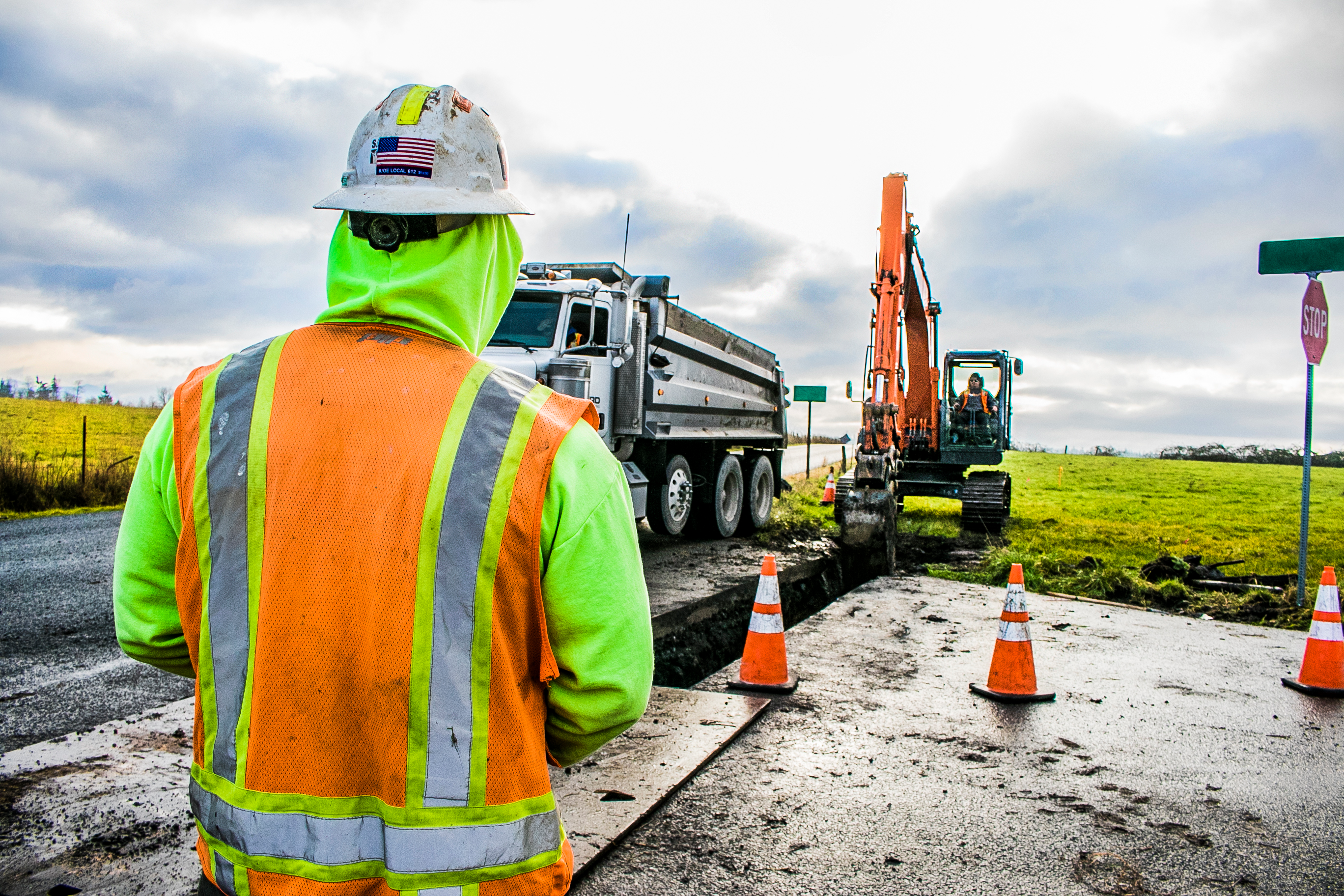
I was walking through my neighborhood the other day, and I couldn't help but notice all the construction going on. It got me thinking about the largest construction firms in the world and how they operate on such a massive scale. So, I decided to do some research and share my findings with you all!
The Big Picture
When we talk about the largest construction firms in the world, we're referring to the companies that take on some of the most ambitious and complex projects globally. These firms have the resources, expertise, and reach to handle everything from high-rise buildings to major infrastructure developments. They are the go-to for governments, corporations, and even other smaller construction companies when the project is too big to handle alone.
What Makes Them So Large?
The size and success of these firms often come down to a few key factors. Firstly, they have the financial muscle to take on large-scale projects and the ability to secure funding for these ventures. This financial strength allows them to invest in the latest technology and equipment, ensuring they stay at the forefront of the industry.
Secondly, they have a vast network of skilled professionals and subcontractors. This means they can assemble a team with the right expertise for any project, no matter how specialized the skills required.
Lastly, these firms have a proven track record and a reputation for delivering projects on time and within budget. This reliability is key to securing future work and expanding their portfolio.
Practical Considerations
If you're considering hiring one of these firms for a project, there are a few things to keep in mind. Firstly, ensure you get a detailed, written quote that outlines all costs and potential additional expenses. These firms are often dealing with large-scale projects, so the scope can change, and additional costs may arise.
It's also worth checking their past projects and client testimonials to ensure they have a good track record and a style that aligns with your vision. Don't be afraid to ask for references and speak to previous clients about their experience.
Naming and Branding
The names of these firms often reflect their size and scope. They tend to be straightforward and easy to remember, often incorporating the founder's name or a word that reflects their core business. For example, "Global Construction Co." or "Johnson Builders."
If you're thinking of starting your own construction firm, choosing a name that is unique, memorable, and reflects your business values is essential. Here are a few ideas to get you started:
- BuildTech Solutions
- SkyRise Construction
- Earthworks Group
- Constructo International
- HomeFront Builders
- Urban Development Corp.
Remember to check the availability of the name, domain, and local registration before finalizing your choice.
Wrapping Up
Exploring the world of the largest construction firms is fascinating, and it's a reminder of the scale and impact of the construction industry. These firms are the backbone of many major developments and play a crucial role in shaping our world.
If you're interested in learning more, I'd recommend checking out some of their past projects and the tools they use, like RSMeans, to get a better understanding of the industry. It's a vast and ever-evolving field, and there's always more to discover!
Related: Need a Tree Chart Maker? Find the Right Tool Here
Many individuals mistakenly believe that tree chart makers are solely for professionals or experts, but this couldn't be further from the truth. These tools are incredibly versatile and accessible, offering a simple way to create visual representations for various purposes.
While the specifics may vary depending on the context, a good tree chart maker empowers users to organize and present information clearly, making it an essential tool for efficient communication and decision-making.
Tree Chart Maker: A Visual Overview
The tree chart maker is a powerful tool for creating visual representations of hierarchical data. It allows users to organize and display information in a clear, structured manner, often resembling a branching tree. This type of chart is particularly useful for illustrating relationships, classifications, or decision-making processes.
Comparing Chart Formats and Standards
Tree charts come in various formats, each suited to different types of data and purposes. The most common formats include the dendrogram, which is ideal for biological or genetic data, and the hierarchical chart, which is versatile and can represent organizational structures or decision trees. Family tree software is another specialized form, designed to visualize genealogy. These charts may follow specific standards or conventions, such as the use of color-coding or symbol keys, to enhance clarity and consistency.
Step-by-Step Guide: Creating Tree Charts
To create an effective tree chart, follow these steps:
- Define your data: Identify the hierarchical relationships or classifications you want to represent.
- Choose your format: Select the most appropriate chart type based on your data and purpose.
- Organize your data: Arrange the information in a logical order, ensuring a clear hierarchy.
- Use a tree chart maker: Employ specialized software or tools to generate the visual representation.
- Customize and refine: Adjust the layout, colors, and labels to enhance clarity and meet your specific needs.
- Interpret the chart: Understand the relationships and patterns revealed by the tree structure.
Avoiding Misinterpretations and Pitfalls
Misreading tree charts can lead to incorrect conclusions. Ensure you understand the chart's symbols and labels. Be cautious with charts that use unconventional formats or symbols, as these may cause confusion. Always check the chart's key or legend to interpret the data accurately. If in doubt, refer to the original data source or consult an expert.
Factors Affecting Accuracy and Real-World Use
The accuracy of tree charts depends on several factors:
Data Quality: Inaccurate or incomplete data will lead to misleading charts.
Chart Complexity: Highly complex charts may be harder to interpret, especially for large datasets.
User Experience: The reader's familiarity with tree charts and their ability to interpret visual data can impact understanding.
Standardization: Adhering to recognized standards ensures consistency and clarity.
Data Variability: Some datasets may have unique characteristics or exceptions that require custom chart adaptations.
Customization Options and Choosing the Right Format
Tree chart maker tools offer a range of customization options to suit specific needs:
- Layout Adjustments: Modify the chart's layout to emphasize certain branches or relationships.
- Color Coding: Use colors to differentiate categories or highlight important nodes.
- Labeling: Add or edit labels to provide context and clarity.
- Symbol Selection: Choose symbols that best represent the data and its relationships.
When selecting a format, consider the nature of your data and the message you want to convey. For instance, a decision tree builder may be ideal for illustrating complex choices, while an organizational structure visualizer is perfect for displaying company hierarchies.
Tree charts are a versatile tool, and while we've covered the essentials, every situation is unique. The specific details may differ slightly, so it's always a good idea to refer back to this guide or explore other resources for a quick refresher.
Feel free to bookmark this page for future reference; it might just save you some time and effort the next time you need to create or interpret a tree chart. Happy charting!
Related: Field Construction Manager Essential Guide
I'm thinking of doing some home improvements, and I've been hearing a lot about field construction managers. Who are these people, and what do they do exactly? I want to know if I need one for my project and what to expect.
The Role of a Field Construction Manager
A field construction manager is a vital part of any construction project, big or small. They're the ones on the ground, overseeing the day-to-day operations and making sure everything runs smoothly. These managers ensure the job stays on track, on budget, and up to standard. They coordinate with contractors, workers, and suppliers to keep the project moving forward.
The field construction manager's role is critical, especially for larger projects or those with tight deadlines. They're the go-to person for any issues that arise, from material delays to unexpected structural challenges. Their job is to find solutions and keep the project from derailing.
Hiring a Field Construction Manager
When it comes to hiring a field construction manager, it's important to do your research. Check their qualifications, experience, and references. You want someone with a proven track record of successful project management. Ask about their approach to problem-solving and how they handle unexpected issues.
Get a few quotes and compare them. While price is a factor, it's not the only one. Look at the overall value they offer. A good field construction manager should provide a detailed proposal outlining their services, timeline, and any potential risks or challenges they foresee.
Company Names and the Industry
Naming a construction company can be tricky. You want something memorable and unique, but it also needs to reflect your business and services. Some successful construction company names combine a personal touch with a nod to the industry, like "Build-It-Right" or "Hammer and Nail Pros."
Other companies opt for a more creative approach, like "Renovation Revolution" or "Constructive Solutions." The key is to ensure the name is available for use and to check domain and local registration before committing.
Jobs and the Construction Industry
The construction industry offers a range of roles, from field construction managers to estimators, project coordinators, and skilled tradespeople. Each role has its own set of challenges and rewards.
Field construction managers, for example, often work long hours and need to be on-site regularly. They need strong organizational skills, the ability to think on their feet, and excellent communication. It's a demanding but rewarding career, and many find the satisfaction of seeing a project through from start to finish a huge motivator.
Tools of the Trade
In the construction industry, tools like RSMeans can be a huge help. RSMeans is a cost database and estimating tool used by many in the industry. It provides valuable data on construction costs, helping managers and estimators create accurate budgets and quotes.
While tools like RSMeans are great resources, they're just one part of the picture. The construction industry is constantly evolving, and staying up-to-date with the latest tools, techniques, and trends is key to success.
The Big Picture
The construction industry is diverse, with companies of all sizes. Larger firms often have the resources to take on bigger, more complex projects, but that doesn't mean smaller companies can't compete.
Smaller construction companies may have a more personal, hands-on approach, which can be appealing to certain clients. It's all about finding the right fit for your project and your needs.
Wrapping Up
So, there you have it. A field construction manager is a vital role in any construction project. They keep things running smoothly and ensure the job is done right. If you're considering a construction project, it's worth considering hiring one. Do your research, get quotes, and find the right fit for your needs. It could make all the difference in the success of your project.