


Different Categories Of Photography Overview
Many people approach the nail length chart with some confusion, assuming it's a complex tool when it's actually a simple, handy reference. Rest assured, it's an easy-to-use guide!
The chart provides a clear visual representation of nail lengths, offering a quick way to measure and compare. While values may vary slightly depending on your region or the brand you use, the nail length chart remains a reliable tool for anyone seeking precision and consistency. Think of it as your go-to nail size chart or fingernail measurement guide!
Nail Length Chart: A Practical Guide
A nail length chart is a handy tool that provides a reference for various nail lengths, typically used in the beauty and fashion industries. It offers a visual representation of different nail sizes, helping you understand and communicate nail lengths effectively.
Understanding the Key Details
The chart usually displays nail lengths in two common units: inches and millimeters. You'll find categories like "Short," "Medium," and "Long," each with a range of values. For example, short nails might be 0.5 to 1 inch (or 12 to 25 mm), while long nails could be 1.5 to 2 inches (38 to 51 mm).
Reading the Chart and Measuring Nails
Here's a step-by-step guide to using the nail length chart:
- Identify the unit you prefer, whether it's inches or millimeters.
- Locate the category that best describes the nail length you want to measure or achieve.
- Within that category, find the specific length you need. For instance, if you want medium-length nails, you might aim for 1 inch (25 mm).
- Use a nail length gauge or a simple ruler to measure your nails against the chart's values.
Variations and Differences
It's important to note that nail length charts may vary depending on the standard or context. Different regions and industries might have slightly different measurements or categories. For instance, the US and international standards might have slight variations in the exact ranges for each category. Additionally, specific nail art or design trends can influence the definitions of nail lengths.
To ensure accuracy, always refer to the appropriate standard for your industry or region. If you're unsure, it's best to double-check the exact specifications or consult a professional. Remember, the chart provides a general guide, but precise measurements might require additional tools or expertise.
Hey there! I hope this nail length chart guide has been helpful. Remember, these measurements are a great starting point, but they can vary slightly depending on the context and your personal preferences.
It's always good to have a reference guide like this handy, so feel free to bookmark this page for future nail adventures! You'll find other practical guides on our blog too, so make sure to check them out for more tips and tricks. Happy measuring!
Related: Understand the 100 Number Chart Easily
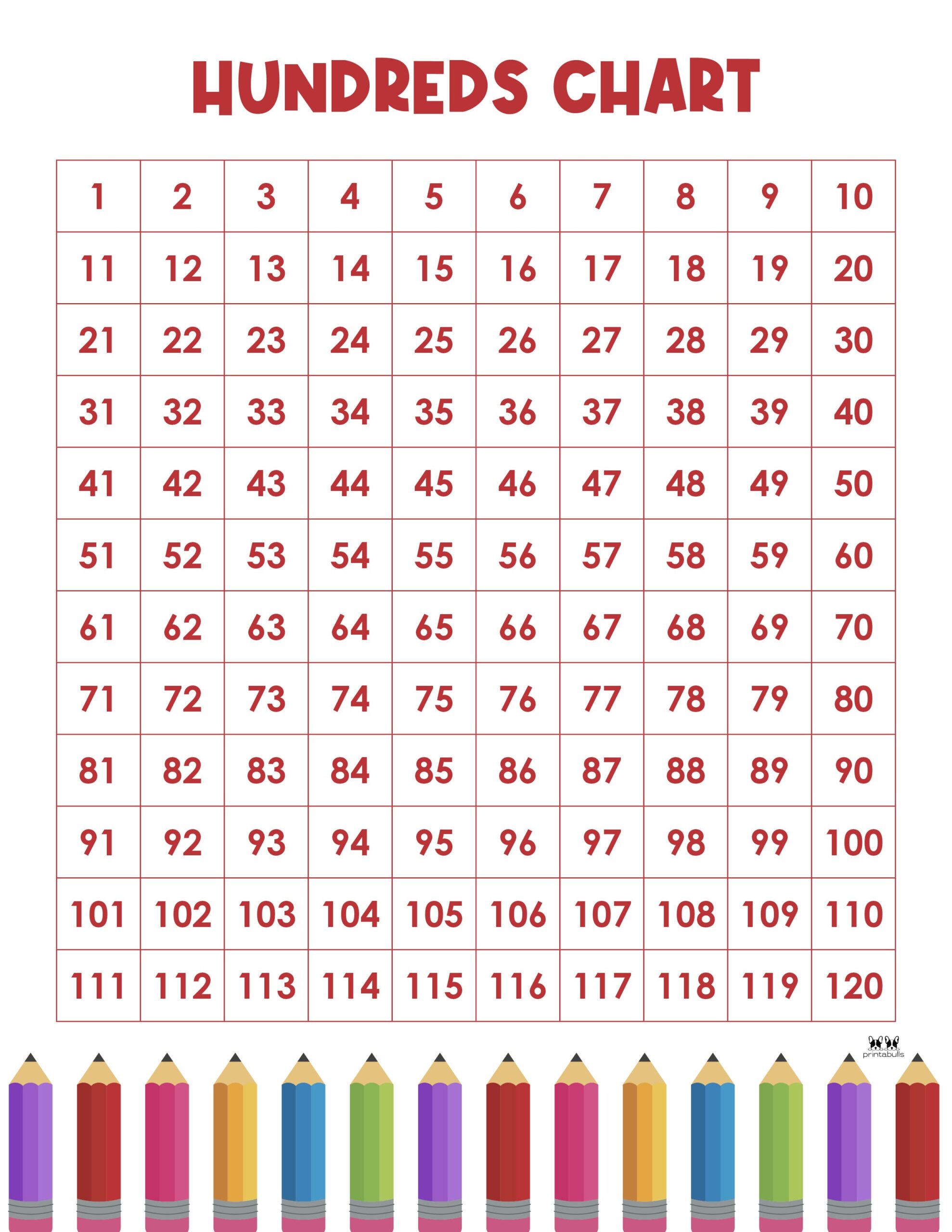
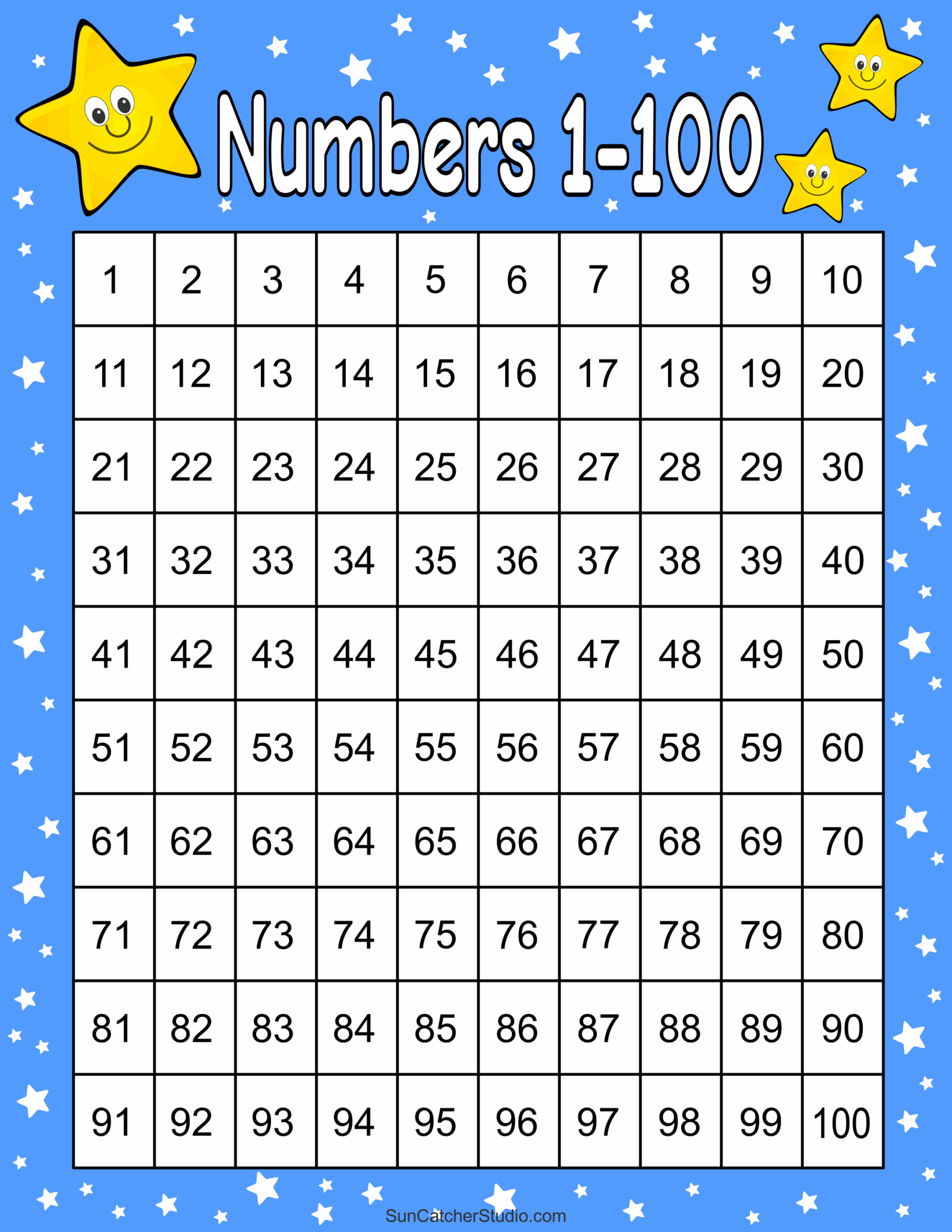
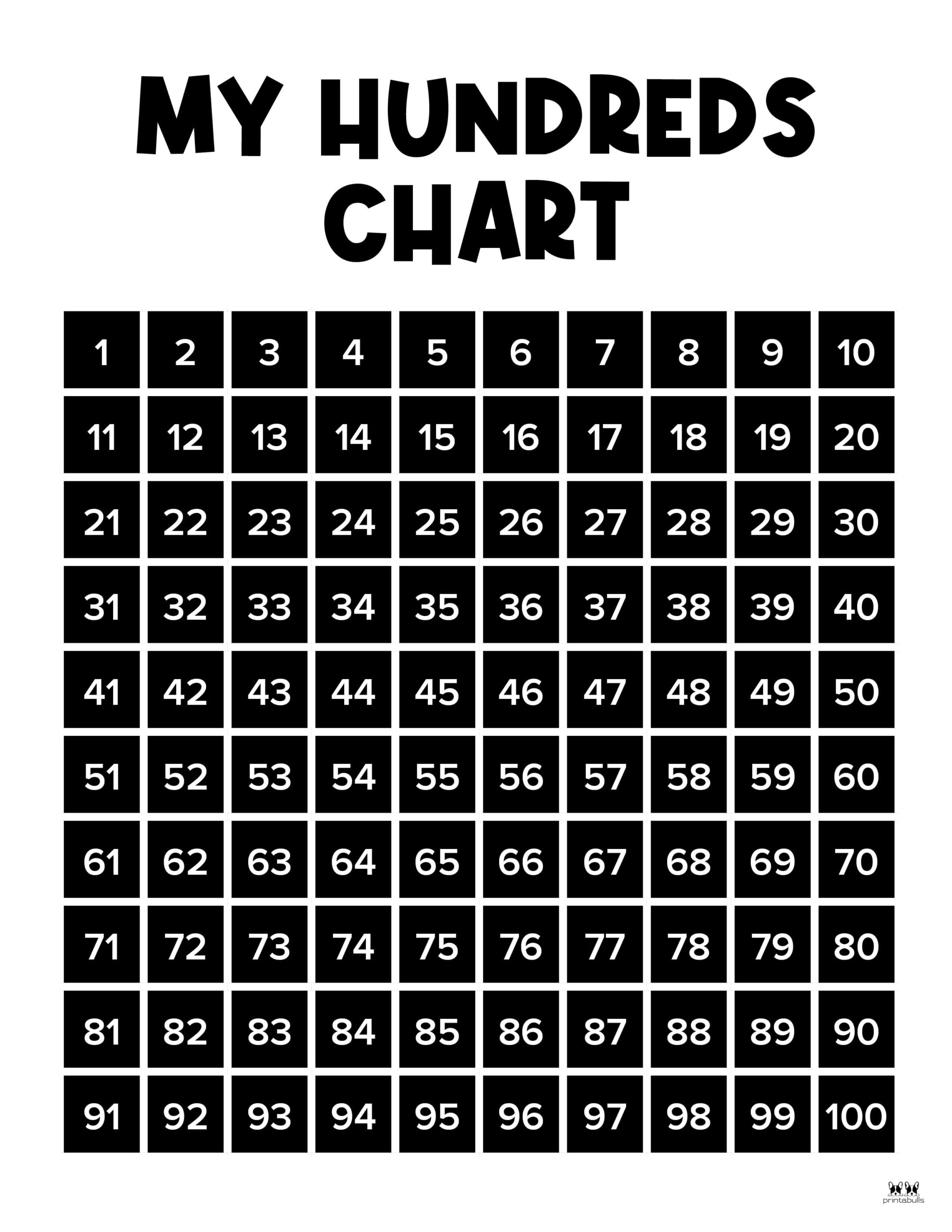
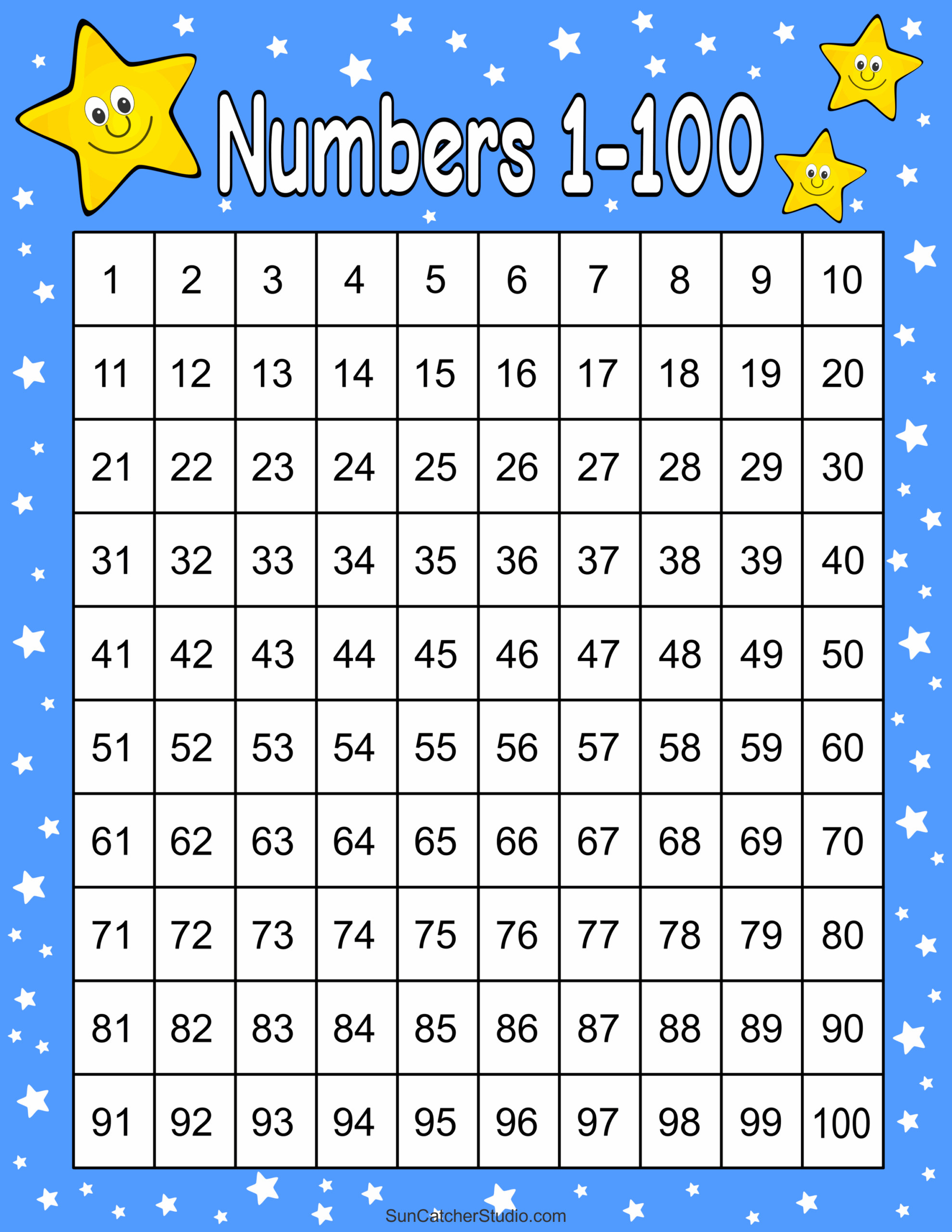
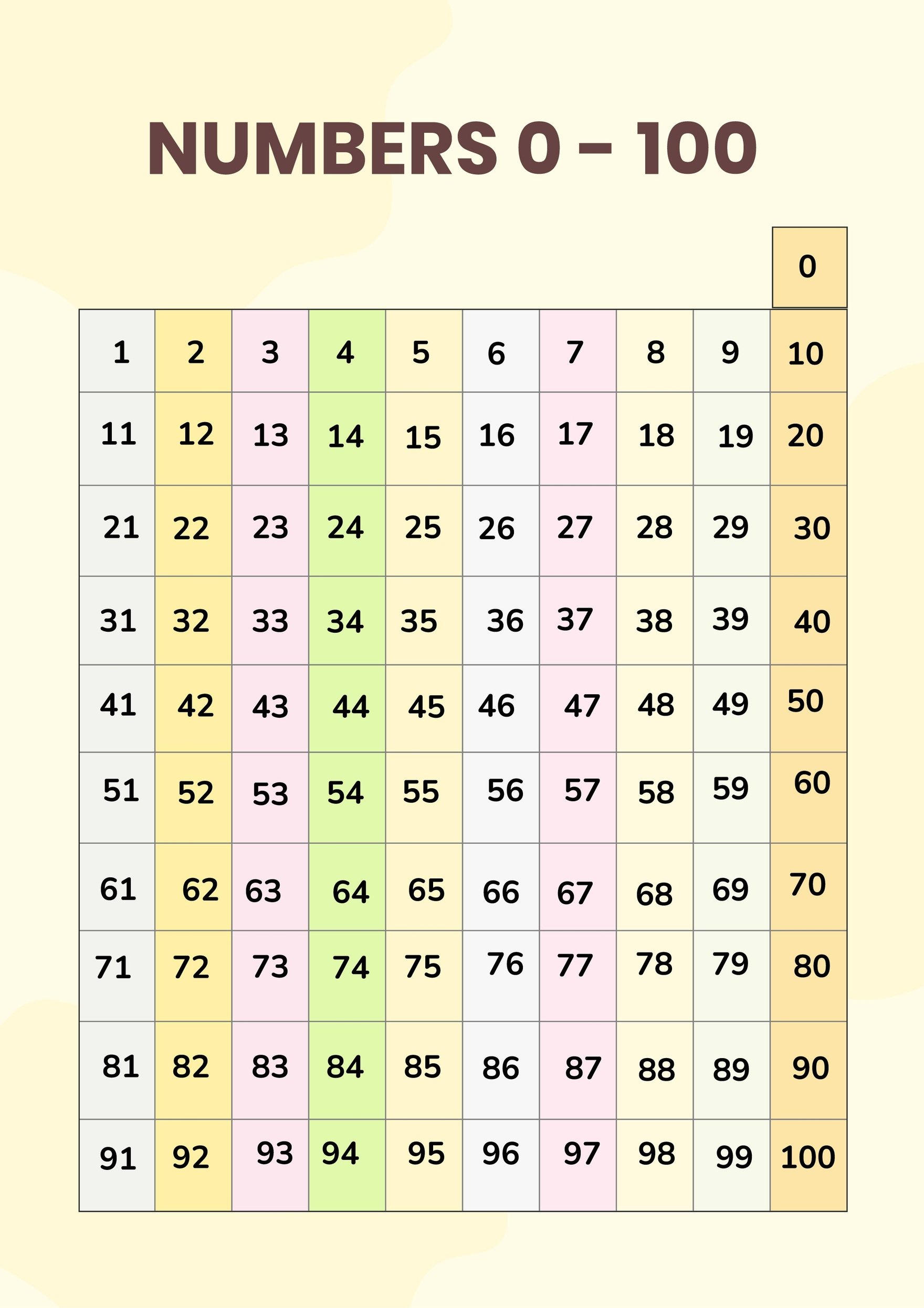
Many folks get tripped up by the 100 number chart's simplicity, but it's a powerful tool when you grasp its potential. This chart, a basic number line or grid, is often overlooked yet incredibly useful for various tasks. It's not just for counting; it's a versatile reference, and understanding its layout is key to unlocking its benefits.
Understanding the 100 Number Chart
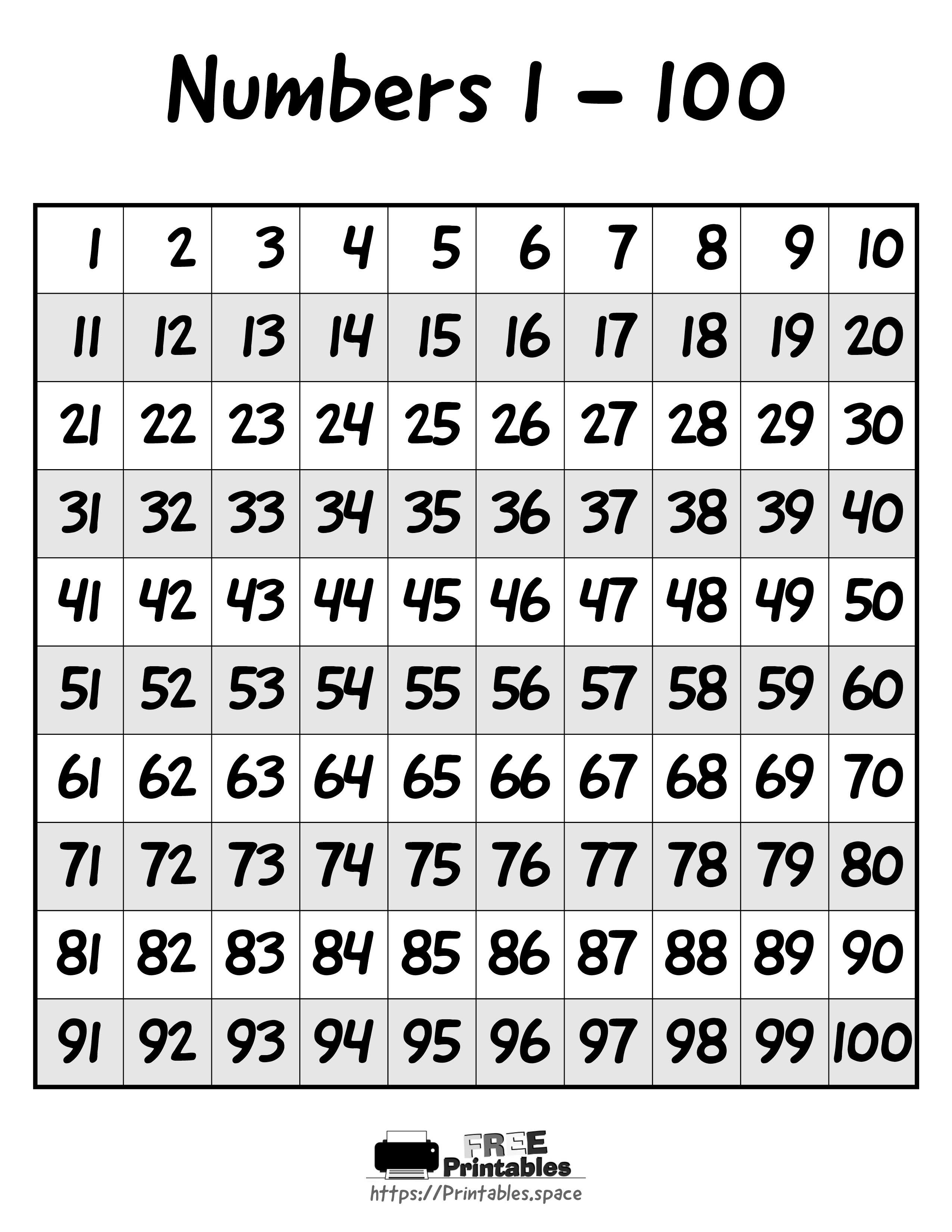
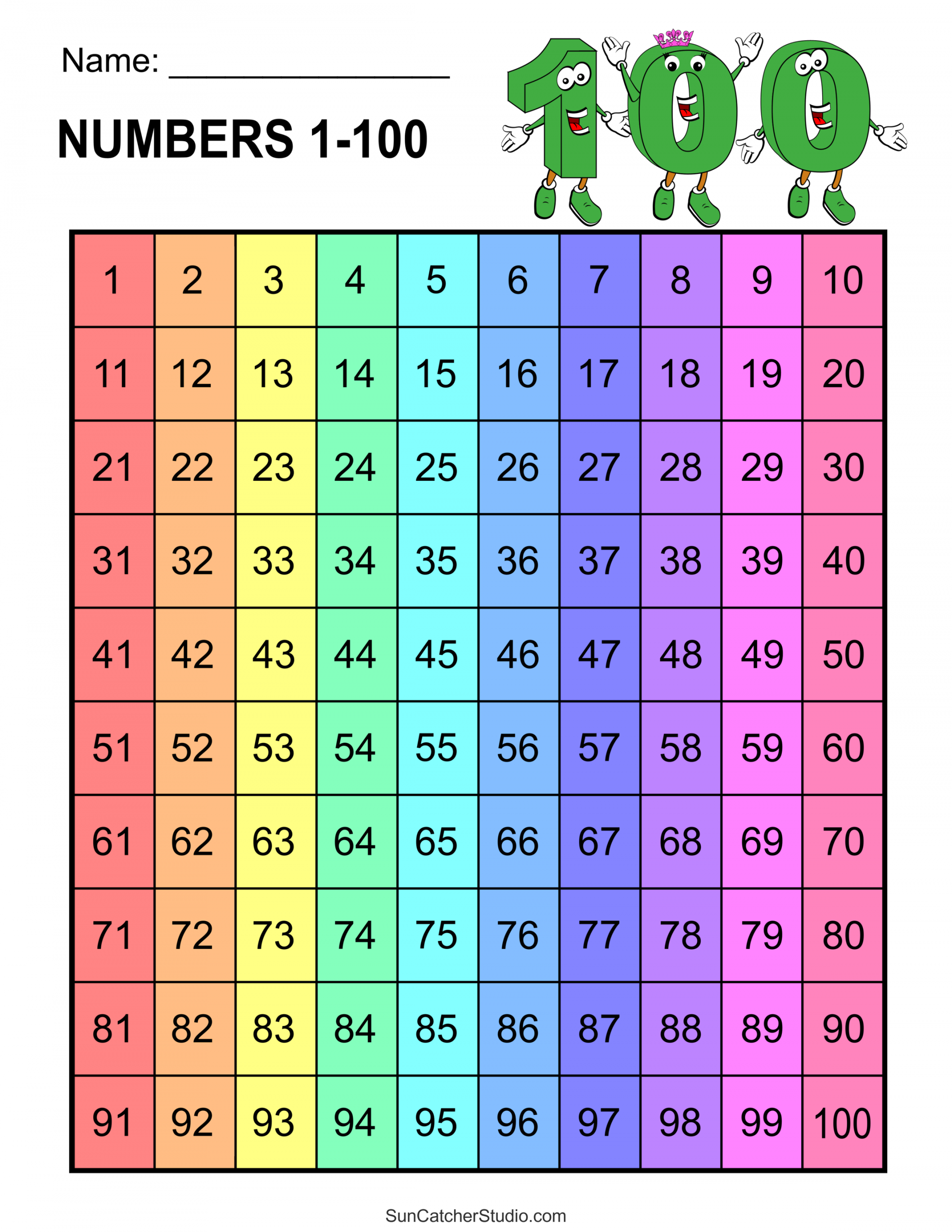
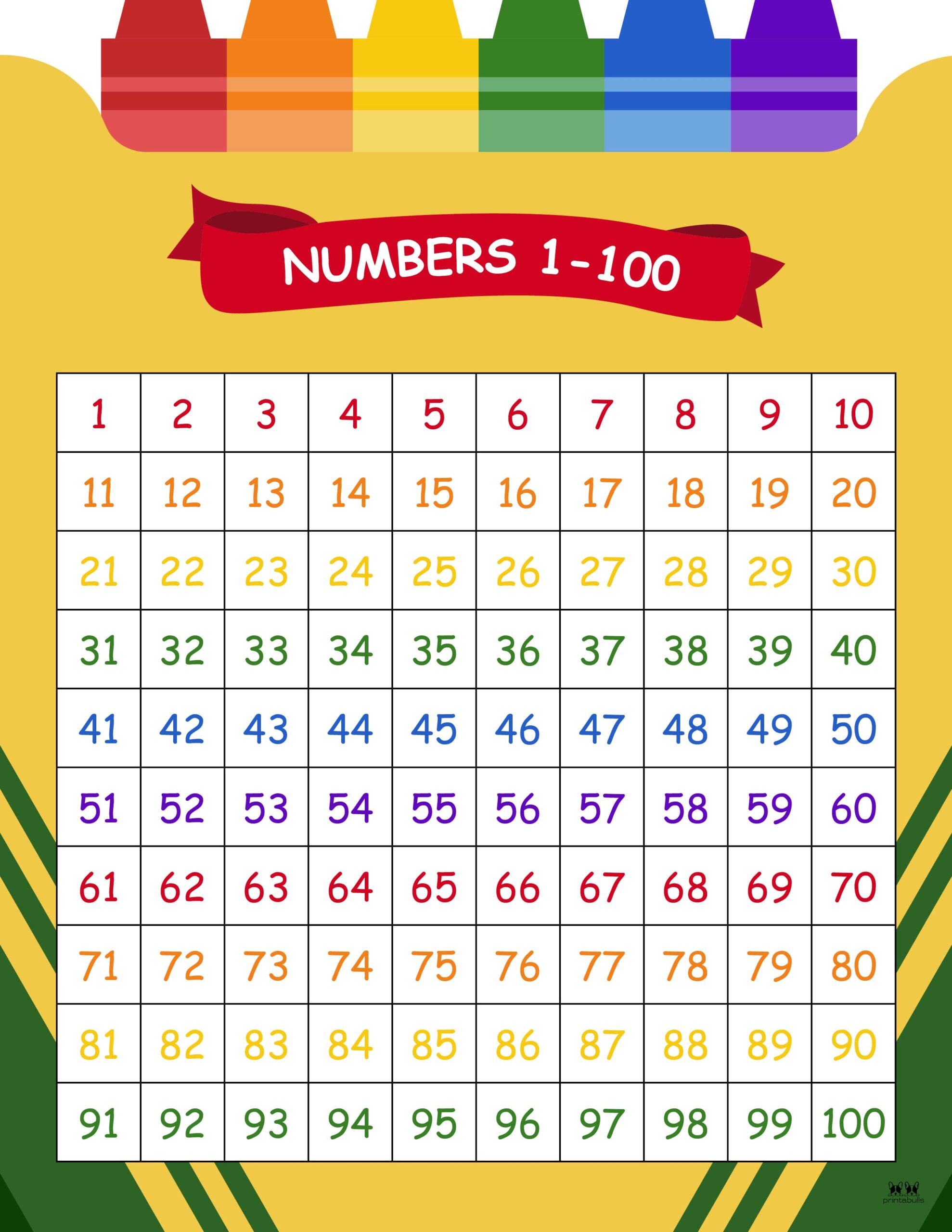
The 100 number chart is a simple yet powerful tool for visualizing and understanding numbers from 1 to 100. It's like a map that helps you navigate the world of numbers, showing you how they relate to each other and providing a quick reference for counting, calculating, and identifying patterns.
Key Details and Categories
This chart is typically a grid with 10 rows and 10 columns, creating a hundred squares. Each square contains a number, starting from 1 in the top left and increasing sequentially to 100 in the bottom right. The numbers are arranged in a logical, ascending order, with each row representing a multiple of 10. So, the first row has numbers 1 to 10, the second row has 11 to 20, and so on.
Reading and Applying the Chart
To use the 100 number chart, you simply read the numbers as you would on a regular number line. Start at the top left and move across and down, following the natural flow of the grid. This method is particularly useful for young learners who are just starting to grasp the concept of numbers and their relationships. It helps them count, identify patterns, and understand place value. For example, they can see that the number 23 is in the same row as 13 and 33, which helps reinforce the concept of 'tens' and 'ones'.
Variations and Differences
While the basic structure of the 100 number chart remains consistent, there can be variations in how it's presented or used. Some charts might include additional features like color-coding to highlight patterns or groups of numbers. Others might have certain sections emphasized to focus on specific mathematical concepts, like prime numbers or square numbers. Additionally, the chart's size and format can vary depending on its intended use and the preferences of the user or educator. It's important to note that while the 100 number chart is a great tool for understanding numbers, it's not an exhaustive resource. For more complex calculations or specific mathematical tasks, other charts or reference tables might be more suitable. Always double-check the exact specifications and tolerances for your particular use case.
Well, there you have it! A simple and handy guide to navigating the 100 number chart. Remember, these charts are versatile tools, so always check your specific needs and ensure you're using the right one for your context.
Consider bookmarking this page for future reference. It's a quick and easy way to refresh your memory and ensure you're using the chart correctly. Happy charting!
Related: Understand Your Hair Level Chart Easily
You're probably here because you need a quick solution, right? Well, if you're looking for a simple guide to understanding hair length, the hair level chart is a handy tool. It's like having a secret code to deciphering those tricky hair measurements. This chart, a simple yet effective reference, can help you determine your hair's growth and length accurately. From there, you can explore various hair growth charts, length guides, and even styling tips tailored to your hair's level.
Understanding the Hair Level Chart: A Quick Overview
The hair level chart is a useful tool for anyone interested in hair care and styling. It provides a visual representation of hair length, offering a standardized way to measure and communicate hair length. This chart is especially handy for professionals in the hair industry, ensuring consistency in haircuts and styles.
Comparing Hair Level Chart Standards and Formats
There are a few different standards and formats for hair level charts. The most common one is based on the hair growth chart, which typically uses a numerical scale. This scale ranges from 1 to 10, with each number representing a specific hair length. For example, level 1 might indicate very short hair, while level 10 represents extremely long hair.
Another format uses descriptive terms, such as "short," "medium," and "long," to categorize hair lengths. This method is often used in everyday conversations and provides a more general idea of hair length. However, it lacks the precision of numerical scales.
Measuring Hair Accurately: A Step-by-Step Guide
To use the hair level chart accurately, follow these simple steps:
- Start by determining your current hair length. You can do this by measuring your hair from the scalp to the tip.
- Compare your measurement to the chart. Look for the closest match on the numerical scale or find the descriptive term that best describes your hair length.
- If you're using a numerical scale, you might find your hair length falls between two levels. In such cases, you can estimate or round up to the nearest level.
- Once you've identified your hair level, you can communicate it to your hairstylist or use it as a reference for styling and product choices.
Common Misconceptions and Pitfalls to Avoid
While the hair level chart is a practical tool, there are a few things to keep in mind:
- Hair length can vary depending on factors like hair type, texture, and individual growth rates. So, while the chart provides a standard, your personal hair characteristics may influence the accuracy of the measurement.
- The chart might not cover all hair types and styles. For instance, some hairstyles, like dreadlocks or extensions, may require additional considerations.
- It's essential to measure your hair accurately. Ensure you measure from the scalp and consider the natural fall of your hair.
- Remember, the chart is a guide, and individual preferences may vary. Feel free to adjust the level based on your desired style and comfort.
By understanding these factors, you can use the hair level chart effectively and make informed decisions about your hair care and styling.
Well, there you have it! A handy hair level chart can be a great tool to ensure you're getting the right products and services for your hair type. It's always a good idea to refer to these charts and guides, but remember, every head of hair is unique, so make sure to consider your specific needs and goals.
Feel free to explore our other guides and resources; we've got plenty of practical tips and tricks to help you navigate the world of hair care and styling. Happy hair adventures!