








Digital Daily Planner For Goodnotes Overview
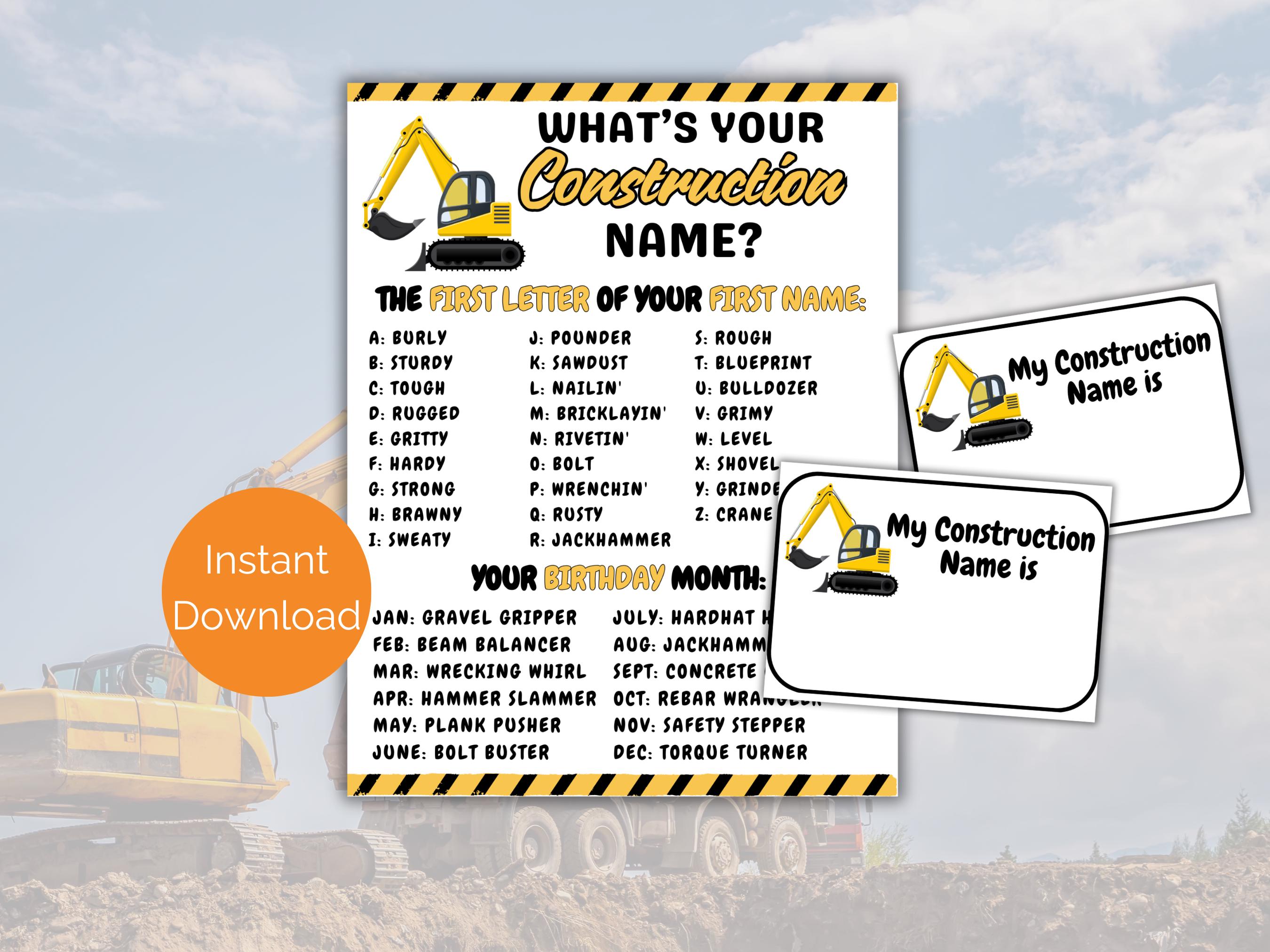
I was chatting with a friend the other day about their new business venture, and the topic of construction name ideas came up. It got me thinking about how important a good name is for any company, especially in the construction industry. So, let's explore this topic and uncover some insights!
Choosing a Name for Your Construction Business
When it comes to construction name ideas, it's all about finding something unique and memorable. Your business name is often the first impression you make on potential clients, so it's crucial to get it right. Think about what sets your company apart and try to capture that essence in a name. It could be a play on words, a nod to your expertise, or a simple, catchy phrase.
Consider the following factors:
- Simplicity: Keep it easy to remember and spell. Avoid long, complicated names that might be a mouthful.
- Relevance: Make sure your name reflects your construction services. It should give an idea of what you do.
- Uniqueness: Aim for something original. You don't want to be confused with another company, especially a competitor.
- Availability: Check if your desired name is available for registration and domain purchase. You don't want legal issues down the line.
Here are a few original name suggestions to get your creative juices flowing:
- Build-it-Right
- Hammer & Saw
- Constructive Solutions
- HomeCrafters
- BuildPro
- Skyrise Builders
Hiring a Contractor: What to Look For
When you're ready to hire a contractor for your construction project, the name of the company is just one piece of the puzzle. Here are some tips to help you find the right fit:
- Research: Look for companies with a solid reputation and positive reviews. Check online platforms and ask for referrals.
- Experience: Ensure the contractor has experience with projects similar to yours. Ask about their portfolio and previous work.
- Licensing and Insurance: Verify that the contractor is licensed and insured. This protects you and ensures they are legitimate.
- Quotes and Estimates: Get multiple quotes to compare pricing and services. Be cautious of extremely low bids, as they might indicate hidden costs or poor quality.
- Communication: Choose a contractor who communicates clearly and keeps you informed throughout the project.
Industry Tools and Resources
In the construction industry, tools like RSMeans can be incredibly valuable. RSMeans provides cost databases and estimating tools, helping contractors and businesses accurately estimate project costs. It's a useful resource for both large and small-scale projects.
Additionally, staying updated on industry trends and outlooks is essential. Construction companies often rely on cost indexes and escalation data to make informed decisions and provide accurate quotes to clients.
Final Thoughts
So, there you have it! Choosing a name for your construction business is an important step, but it's just one aspect of running a successful company. Remember to focus on the quality of your work, build a solid reputation, and provide excellent customer service.
If you're still brainstorming construction name ideas, take your time and consider the tips we've discussed. A great name can be a powerful asset, but it's just the beginning of your construction journey.
Related: Understand the AU Periodic Chart Easily
Many people mistakenly believe that the au periodic chart is solely for scientists and chemists, but this couldn't be further from the truth! It's a handy tool for anyone seeking precise information about gold and its various forms.
The chart offers a straightforward way to understand gold's atomic weight, purity levels, and even its role in alloy creation. While the values may differ slightly depending on the standard or region, the au periodic chart remains a reliable and accessible reference for all things gold-related, from the atomic weight chart to the karat purity scale.
Understanding the AU Periodic Chart: An Overview
The AU periodic chart is a handy reference tool for anyone working with gold and its alloys. It provides a quick and easy way to understand the composition and purity of gold-based materials. This chart is especially useful for jewelry makers, metalworkers, and anyone dealing with precious metals.
Comparing Standards and Formats
The AU periodic chart comes in various formats and standards, depending on your region and specific needs. The most common standards are the US and international (metric) systems, each with its own set of measurements and categories. For instance, the US standard uses the karat scale to indicate gold purity, while the international standard often refers to fineness or parts per thousand.
Using the AU Periodic Chart: A Step-by-Step Guide
Here's a simple guide on how to use the AU periodic chart:
Identify the Standard: First, determine which standard your chart follows. Is it the US or international standard? This information is usually indicated on the chart itself.
Read the Karat Scale: If you're using a US-standard chart, the karat scale will be your primary guide. It shows the percentage of pure gold in an alloy. For example, 24 karat gold is pure gold, while 18 karat gold contains 75% pure gold and 25% other metals.
Understand Fineness: In the international standard, fineness indicates the parts per thousand of pure gold. So, 999 fineness means 99.9% pure gold.
Common Alloy Blends: The chart often includes common alloy blends and their compositions. These blends can vary, but typical alloys include copper, silver, and other metals to enhance durability and color.
Convert and Calculate: If you need to convert between standards or calculate specific alloy compositions, the chart may provide conversion factors or formulas. These can be useful for precise measurements.
Avoiding Misreadings and Pitfalls
It's important to avoid common misreadings when using the AU periodic chart. Here are some tips:
Pay attention to the standard: Ensure you're using the right standard for your region or project. Mixing up US and international standards can lead to significant errors.
Understand the scale: Whether it's the karat scale or fineness, make sure you know how to interpret the values correctly. Misreading these scales can result in inaccurate alloy compositions.
Check for updates: AU periodic charts may get updated periodically to reflect new industry standards or discoveries. Always double-check if you're using an outdated chart to avoid inaccurate information.
Key Factors Affecting Accuracy
Several factors can impact the accuracy of the AU periodic chart and its real-world application:
Precious metal measurements: The purity and composition of gold alloys can vary slightly depending on the source and manufacturing process. Always refer to the specific tolerances and specifications provided by the manufacturer or supplier.
Alloy composition: While the chart provides common alloy blends, actual compositions can vary. Some alloys may contain trace elements not listed on the chart, especially in specialty or custom blends.
Environmental factors: Over time, gold alloys can undergo changes due to exposure to certain chemicals or extreme conditions. These factors can alter the alloy's composition and, consequently, its properties.
Manufacturing processes: Different manufacturing techniques can impact the final composition of the alloy. For instance, casting and rolling processes may introduce variations in the alloy's structure and purity.
Adapting the AU Periodic Chart for Specific Needs
While the AU periodic chart offers a comprehensive guide, it may not cover every specific need or exception. In such cases, you might need to adapt or customize the chart:
Industry-specific charts: Certain industries, like dentistry or electronics, may have their own gold standard references with unique composition requirements. Ensure you're using the right chart for your industry.
Custom blends: If you're working with custom alloy blends, you may need to create your own reference chart or consult with a metallurgist to determine the exact composition and properties of your alloy.
Regional variations: Some regions may have unique standards or traditions when it comes to gold alloys. Always consider local practices and regulations when adapting the chart for your specific needs.
So, there you have it! A comprehensive guide to navigating the au periodic chart. Remember, this chart is a handy tool, but it's always wise to double-check the specifics for your unique situation. No two projects are the same, and while this chart offers a great starting point, your context might require some tweaks.
Feel free to bookmark this page for future reference. It's a simple yet effective resource to have at your fingertips, and you never know when it might come in handy!
Related: Oahu Tide Chart: A Clear and Simple Guide
Many people overlook the power of a simple Oahu tide chart and its ability to provide essential insights. It's not just a pretty visual; it's a practical tool with a specific purpose. The chart is your reliable guide to understanding the ocean's rhythm, offering a clear view of tide times and heights. With this knowledge, you can plan your beach days, water sports, or even fishing trips with confidence.
Understanding Tide Patterns on Oahu
The Oahu tide chart is your go-to guide for navigating the island's coastal adventures. It provides a snapshot of the ocean's rhythm, helping you plan your activities around the tides. This chart is a handy tool, especially for surfers, swimmers, and beachgoers, as it offers a glimpse into the ocean's movements.
Reading the Chart: Formats and Categories
The Oahu tide chart typically displays tide information in a clear, tabular format. You'll find columns indicating the date and time, followed by the tide height and its status, such as high or low tide. The height is often measured in feet or meters, depending on the standard used. It's essential to check which unit of measurement is employed to ensure accuracy.
Practical Tide Tips: Step-by-Step Guide
To make the most of your time on Oahu, follow these simple steps:
- Locate the current date and time on the tide chart.
- Identify the corresponding tide height and its status (high or low).
- Consider the activity you have planned. For instance, low tide might be ideal for beachcombing or exploring tide pools, while high tide is perfect for surfing or swimming.
- Adjust your plans accordingly, ensuring you make the most of the tide's influence.
Common Tide Variations and Misreadings
While the Oahu tide chart is a valuable tool, it's important to note that tides can vary due to several factors. Here are some common variations and how to account for them:
- Weather conditions: Strong winds and storms can influence tide heights and timings. Always check the weather forecast to anticipate any changes.
- Moon phases: The moon's gravitational pull affects tides. Full and new moon phases often bring higher high tides and lower low tides.
- Seasonal changes: Tides can vary throughout the year, with some seasons experiencing more extreme variations.
To ensure accuracy, double-check the specific standards and measurements used on your Oahu tide chart. While the chart provides a reliable guide, it's always beneficial to observe the ocean's behavior and adjust your plans accordingly. Remember, the ocean's rhythm is a fascinating dance, and understanding its patterns will enhance your coastal experiences on Oahu.
Well, there you have it! We've covered a lot of ground, from understanding the different tide chart formats to learning how to read them accurately. It's a simple yet powerful tool for any ocean-lover or adventurer.
Remember, while this guide provides a solid foundation, your specific needs may vary. So, take a moment to ensure you've considered all the unique aspects of your adventure before you set sail. And don't forget to explore our other guides for more practical tips and insights!