




Dot To Dot Sheets Overview
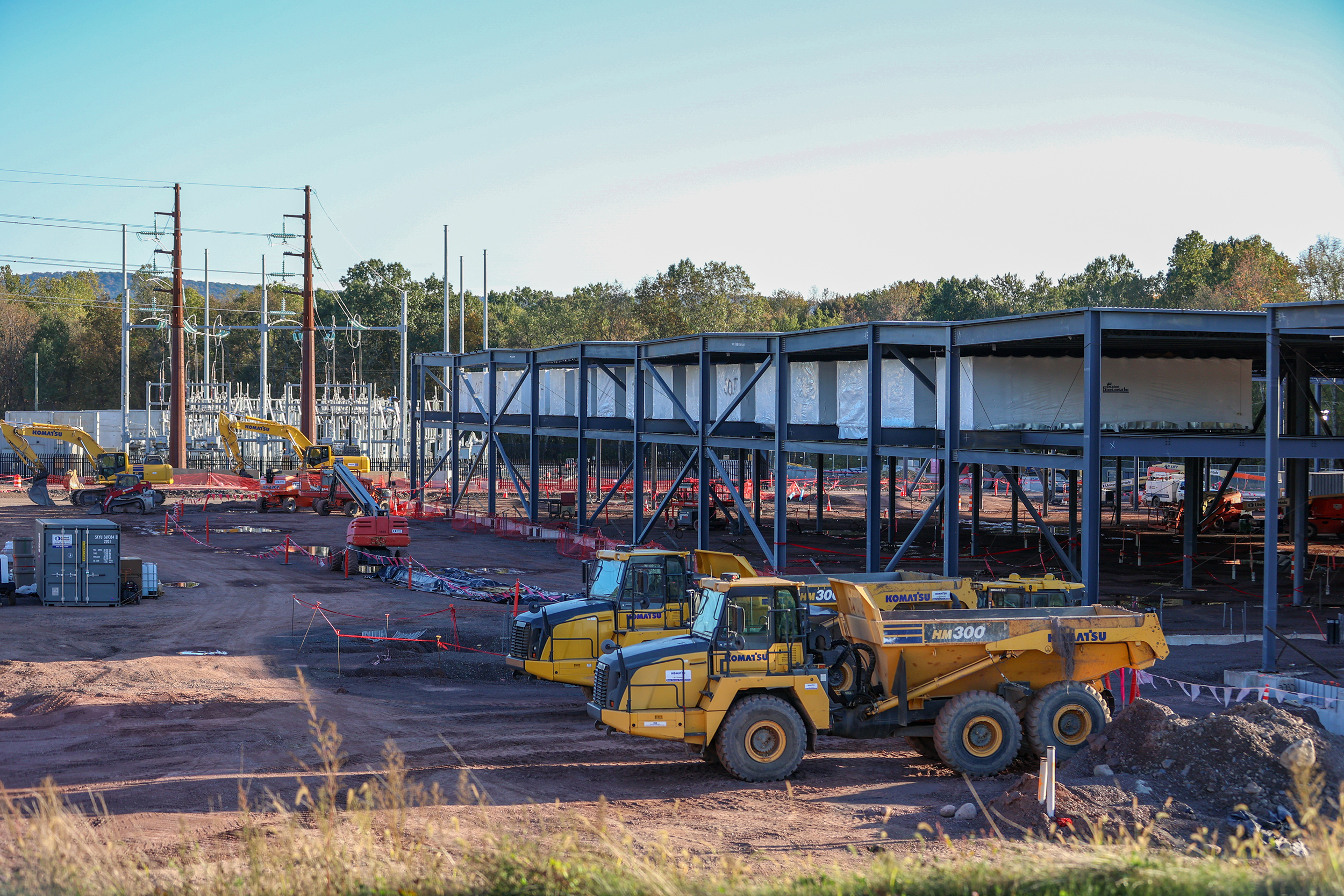
I was chatting with a friend the other day about the ever-growing need for reliable internet access, and the conversation led us to discuss Collen Construction Data Centers. I had heard the term before but never really delved into what it entailed. So, I decided to do some research and share my findings, as it's an interesting aspect of the construction and tech worlds.
What's the Deal with Collen Construction Data Centers?
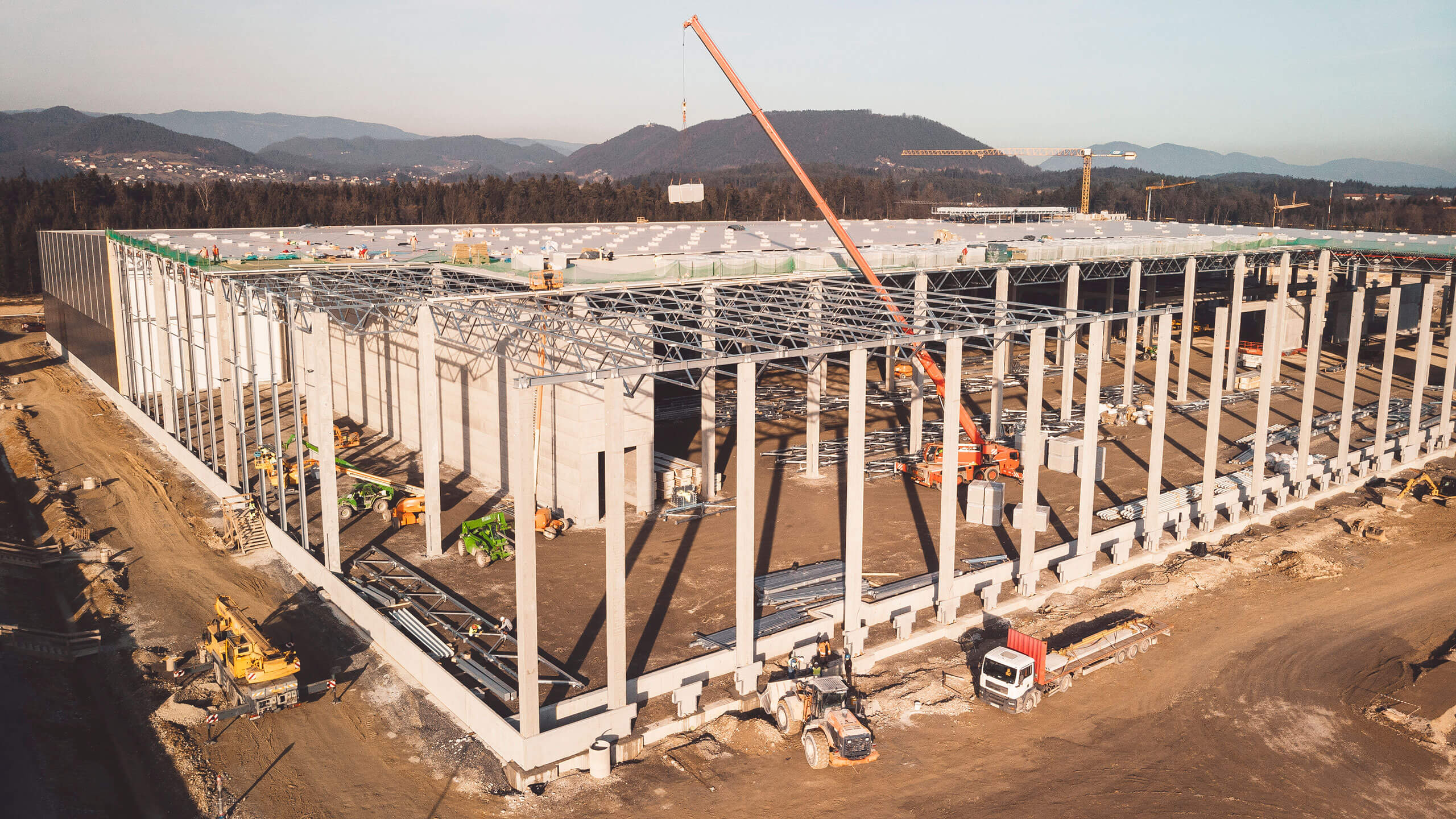
Collen Construction Data Centers refers to the specialized building and design of structures that house and support the vast amounts of data and servers required for modern digital infrastructure. These centers are like the backbones of the internet, ensuring our online world runs smoothly. They're not your typical office or residential builds; they're highly technical and require precise planning and execution.
The construction of these data centers involves a unique set of considerations. For instance, the design must accommodate the heat generated by the servers, so efficient cooling systems are crucial. Additionally, these centers often require redundant power supplies and backup generators to ensure uninterrupted operation. The structural integrity of the building is also vital, as these centers house extremely sensitive and valuable equipment.
Hiring the Right Team
Given the complexity of Collen Construction Data Centers, hiring the right team is essential. You'll want to find a construction company with experience in this specific field, as the skills and knowledge required differ from traditional builds. Ask potential contractors about their past projects and the challenges they've faced. Ensure they have the necessary certifications and licenses for such specialized work.
When comparing quotes, remember that the lowest price isn't always the best option. Consider the scope of the project, the proposed timeline, and the reputation of the company. It's a good idea to get several written quotes to compare and ensure you're getting a fair deal.
Company Names and the Industry
In the construction industry, company names often reflect the nature of the business. For Collen Construction Data Centers, a name that conveys reliability, precision, and innovation could be a good fit. Here are a few ideas:
- Precision Data Builders
- Digital Infrastructure Solutions
- Tech-Construct
- Cool Server Homes
- Redundant Power Builders
Remember to check the availability of these names and secure the relevant domains and local registrations before finalizing your choice.
A Growing Industry
The demand for Collen Construction Data Centers is on the rise, creating a growing market for specialized construction companies. These centers are essential for the smooth operation of our digital world, and their construction offers a unique and challenging career path. From project managers to estimators and skilled laborers, there are various roles within this industry.
If you're considering a career in this field, it's worth researching the different positions and the skills required. You'll likely find job openings through specialized construction industry platforms and local job boards.
Wrapping Up
I hope this exploration of Collen Construction Data Centers has been informative and given you a better understanding of this specialized field. It's a fascinating aspect of the construction world, and I, for one, am glad there are experts out there ensuring our digital lives run smoothly!
If you're considering a project in this realm, I'd recommend doing your research and finding the right team for the job. It's an exciting and challenging field, and I wish you all the best in your endeavors!
Related: How to Read an Ear Gauge Chart
Many folks assume the ear gauge chart is a rigid, one-size-fits-all guide, but it's actually a flexible tool with room for personal preference. While it provides a standard reference, the art of ear stretching is a unique journey for each individual.
The chart offers a starting point, with various sizes and measurements, but it's important to remember that body jewelry sizing and lobe piercing measurements can vary, and there are imperial and metric conversions to consider too. So, while the ear gauge chart is a valuable resource, it's an adaptable guide rather than a strict rulebook.
Understanding the Ear Gauge Chart
The ear gauge chart is a handy reference tool for anyone interested in ear stretching or body modification. It provides a clear visual guide to the different sizes of ear piercings, helping you understand the gauge size progression and choose the right jewelry. This chart is a great starting point for beginners and a useful resource for experienced stretchers too.
Comparing Gauge Standards and Formats
There are a few different standards and measurement systems used for ear gauge sizes. The most common are the imperial and metric systems, which use different units and scales. The imperial system, often used in the US, measures ear gauges in inches or fractions of an inch. The metric system, used internationally, measures in millimeters. It's important to know which standard you're dealing with to ensure accurate sizing.
Measuring Accurately: A Step-by-Step Guide
Here's a simple process to use the ear gauge chart effectively:
Identify the standard: First, determine whether you're using the imperial or metric system. This will ensure you're reading the right measurements.
Locate your current size: Find your current ear gauge size on the chart. This will give you a starting point for your stretching journey.
Choose your next size: The chart typically shows a progression of sizes, so you can easily see the next step in your stretching process. Choose the size you want to achieve and plan your stretching routine accordingly.
Double-check jewelry sizes: Always check the exact specifications of the jewelry you plan to use. While the chart provides a general guide, some jewelry may have slight variations or tolerances, so it's best to confirm the exact measurements.
Common Mistakes and How to Avoid Them
One common pitfall is misreading the chart due to the different standards. Always be clear on whether you're using imperial or metric measurements to avoid confusion. Another mistake is assuming the chart covers every possible size and variation. It's a general guide, so for very specific sizes or unique jewelry, you may need to double-check with the manufacturer or a trusted source.
Remember, safety is key when stretching your ears. Always follow proper stretching techniques and consult with professionals if you have any concerns or questions. The ear gauge chart is a great tool, but it's just one part of the ear stretching process.
Hey there! I hope this ear gauge chart has been a helpful resource for you. Remember, while the basics remain the same, the exact details might differ slightly depending on the standard or source you're following.
Feel free to bookmark this page for future reference. It's always good to have a handy guide like this, and we've got plenty more practical tips and guides on various topics, so make sure to check them out!
Related: Understanding the Chicken Poop Chart
You've likely heard the saying, "Don't count your chickens before they hatch." But when it comes to using chicken poop chart, you can count on accurate and reliable information. This handy reference tool is a valuable resource for anyone seeking a quick and easy way to understand chicken manure's nutrient content and its application rates. Whether you're an experienced gardener or new to organic farming, the chicken poop chart offers a straightforward guide to utilizing this natural resource effectively.
Understanding the Chicken Poop Chart: A Practical Guide
The chicken poop chart is an essential tool for anyone using chicken manure as a natural fertilizer or soil amendment. This chart provides valuable insights into the nutrient content of chicken manure, allowing you to determine the right application rates for your garden or farming needs. By understanding the values and categories on this chart, you can make informed decisions to enhance soil health and promote sustainable organic gardening.
Comparing Chart Formats and Standards
Chicken manure charts come in various formats, depending on the region and standard used. The most common charts provide nutrient content values in either US customary units or metric units. It's crucial to ensure you are using the correct chart for your location and preferences. The chart typically displays the nutrient content as a percentage, with columns for nitrogen (N), phosphorus (P), and potassium (K), which are the primary macronutrients essential for plant growth.
Step-by-Step Guide to Using the Chicken Poop Chart
To utilize the chicken poop chart effectively, follow these steps:
- Identify the nutrient content of your chicken manure. This information is usually available from the source or can be tested by sending a sample to a laboratory.
- Refer to the chart and locate the corresponding nutrient percentages for your manure. For instance, if your manure has 1.5% nitrogen, 1.2% phosphorus, and 0.8% potassium, you would find these values on the chart.
- Determine the desired nutrient levels for your soil or plants. This information can be found in gardening guides or by consulting with agricultural experts.
- Calculate the application rate by comparing the nutrient content of your manure with the desired levels. The chart often provides a recommended range of application rates based on the nutrient content.
- Adjust the application rate based on factors such as soil type, plant needs, and environmental conditions. For example, sandy soils may require higher application rates compared to clay soils.
- Apply the calculated amount of chicken manure to your garden or farming area, following safe handling practices.
Avoiding Common Misinterpretations
While the chicken poop chart is a valuable resource, it's essential to avoid common misreadings and misinterpretations:
- Chicken poop chart values are averages and may vary based on factors like the chicken's diet and management practices. Always consider these variations when interpreting the chart.
- The chart provides a general guide, and specific conditions may require adjustments. For instance, if you have nutrient-rich soil, you may need to apply less manure to avoid over-fertilization.
- Ensure you are using the correct chart for your region and units of measurement. Using an incorrect chart can lead to inaccurate application rates.
Factors Affecting Accuracy and Real-World Application
Several key factors can influence the accuracy of the chicken poop chart and its real-world application:
- Chicken diet: The nutrient content of manure can vary depending on the chickens' diet. A diet rich in protein and minerals will result in manure with higher nutrient concentrations.
- Management practices: How chickens are raised and managed can impact manure quality. Clean and well-managed poultry houses produce better-quality manure.
- Age of manure: Fresh manure has higher nutrient content, but it is also more likely to burn plants due to its high nitrogen levels. Aging or composting manure reduces this risk.
- Soil type: Different soil types have varying nutrient-holding capacities. Sandy soils may require higher application rates compared to loamy or clay soils.
- Environmental conditions: Factors like temperature, rainfall, and sunlight can affect nutrient availability and plant growth, influencing the effectiveness of manure application.
By considering these factors and using the chicken poop chart as a guide, you can accurately determine the appropriate application rates for your specific needs, promoting healthy soil and thriving plants while practicing sustainable organic gardening.
Remember, when working with the chicken poop chart, it's essential to consider your unique circumstances. While this guide offers a solid foundation, exact values can vary, so always double-check the specific standards and sources relevant to your situation.
Feel free to bookmark this page for future reference. It's a handy tool to have at your fingertips, ensuring you're always prepared when navigating the world of chicken poop analysis. Until next time, happy charting!