



Dwarf Scrolls Stardew Overview
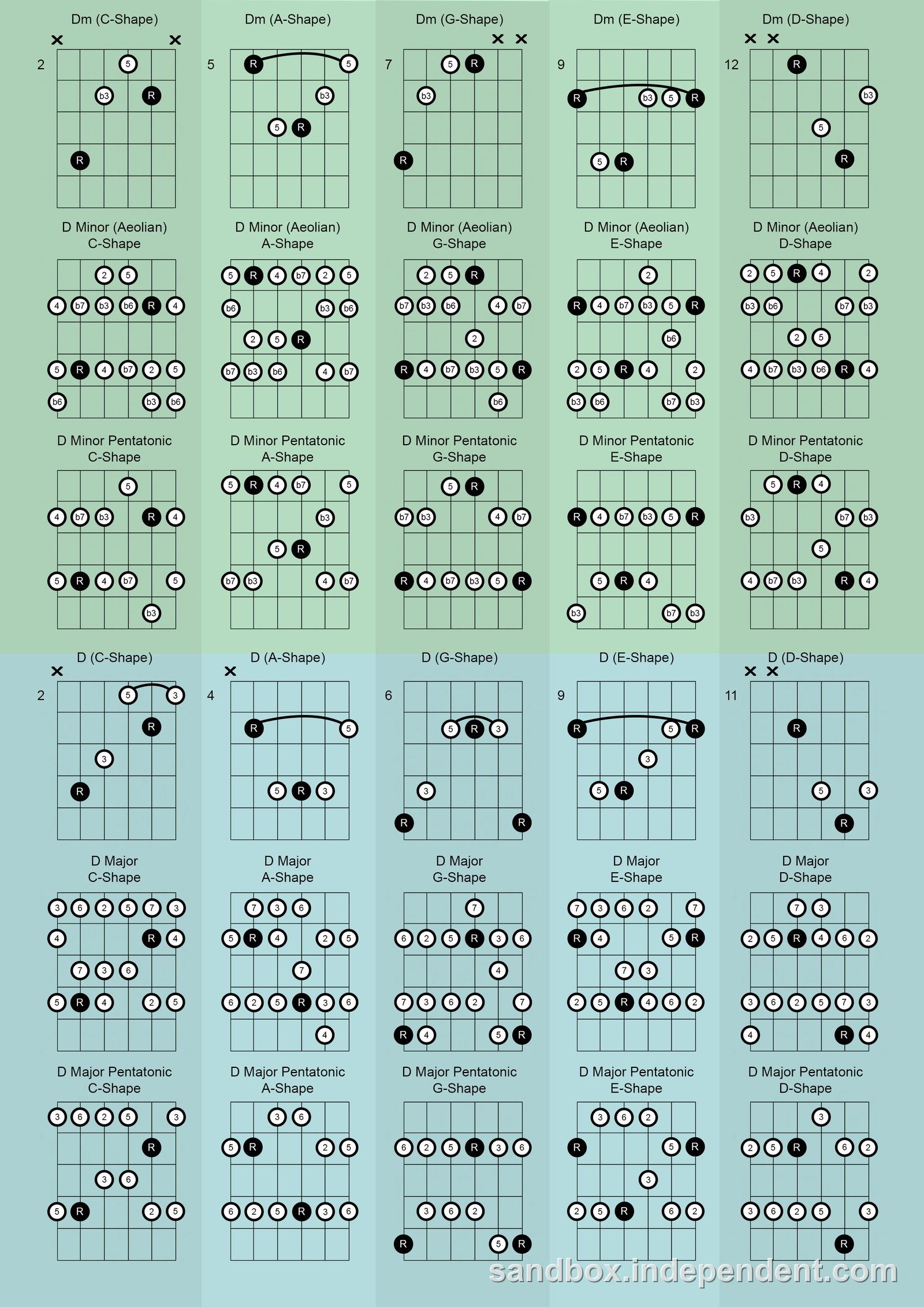
A common misconception about chord chart piano is that it's a complex and daunting tool, but in reality, it's a simple and incredibly useful resource for any pianist. This chart, often a pianist's best friend, is a straightforward guide, offering a visual representation of chords and their formations. While the format may vary, the essence remains the same: a quick reference for pianists to navigate and understand chord progressions and music notation with ease.
Understanding Chord Chart Piano: A Quick Overview
A chord chart piano is a valuable tool for musicians, offering a visual representation of chord structures and their corresponding finger positions on the piano. This chart acts as a quick reference guide, aiding pianists in playing various chords efficiently. It displays the piano keys and indicates where your fingers should be placed to form specific chords.
Comparing Common Chord Chart Formats
There are several formats for chord chart piano, each with its own advantages. The most common formats include:
Standard Notation: This traditional method uses symbols and notes to represent chords. It provides a comprehensive view of chord structure but can be complex for beginners.
Piano Chord Diagram: A simpler approach, often used for beginners, shows the piano keys and finger positions for each chord. It's an easy-to-read visual guide.
Chord Symbol Notation: A concise format using letters, numbers, and symbols to represent chords. While quick to read, it may require some familiarity to interpret accurately.
Step-by-Step Guide: Reading and Using a Chord Chart Piano
Follow these steps to effectively read and utilize a chord chart piano:
Identify the Chord: Start by locating the chord you want to play. Chord charts often list chords alphabetically or by their function in a song.
Find the Diagram: Look for the corresponding diagram or symbol representing the chord. This will show the finger positions and keys involved.
Place Your Fingers: Position your fingers according to the diagram. Ensure your fingers are correctly placed on the indicated keys.
Strum or Play: Once your fingers are in position, strum or play the chord. Adjust your fingers slightly if needed to achieve a clear, harmonious sound.
Practice and Memorize: Repeat this process for different chords. With practice, you'll memorize common chord shapes and positions, making playing smoother and faster.
Avoiding Common Misreadings and Pitfalls
To ensure accurate interpretation, watch out for these common misreadings:
Chord Chart Piano Variations: Different charts may use slightly different symbols or notations. Always refer to the legend or key provided with the chart to understand the specific symbols used.
Major and Minor Chords: Distinguish between major and minor chords, as their finger positions can be similar but result in different sounds. Pay attention to the chord symbol or diagram to ensure you're playing the correct type.
Finger Positioning: Ensure your fingers are correctly placed on the keys. Misplaced fingers can result in an incorrect chord or a dissonant sound.
Factors Affecting Accuracy and Real-World Use
Several factors can influence the accuracy and practicality of using a chord chart piano:
Instrument Type: While these charts are designed for pianos, they can also be adapted for other keyboard instruments. However, the finger positions may vary slightly due to differences in key sizes and layouts.
Chord Progressions: In real-world playing, you'll often encounter chord progressions, where chords change rapidly. Practicing and memorizing common progressions will help you transition smoothly between chords.
Advanced Chord Techniques: As you advance, you may encounter more complex chords and techniques. Some charts may not cover these, so you might need to refer to more specialized resources.
Choosing the Right Chord Chart Format for Your Needs
Select the most suitable chord chart piano format based on your skill level and goals:
Beginners: Opt for a piano chord diagram or a chart with simple, easy-to-understand symbols. These provide a clear visual guide without overwhelming complexity.
Intermediate Players: Consider a chart that offers a balance between simplicity and detail. Look for charts that include both chord symbols and diagrams, providing a quick reference for common chords.
Advanced Musicians: Choose a comprehensive chart with a wide range of chords and variations. These charts often include advanced techniques and less common chord structures.
Keeping Your Reference Reliable for Future Use
To ensure your chord chart piano remains a reliable reference:
Regular Practice: Consistent practice is key. The more you use the chart, the more familiar you'll become with chord shapes and positions, reducing the need for constant reference.
Update and Expand: As your skills progress, consider updating your chart or adding new sections for advanced chords and techniques. This keeps your reference relevant and useful.
Digital vs. Physical: Digital charts offer convenience, but physical charts can be more durable and easier to reference quickly during live performances. Consider having both for different scenarios.
Chord charts are a fantastic tool, and it's great to have a solid understanding of how to use them effectively. Remember, the exact details may differ slightly based on your specific needs and the resources you're working with, so adapt and customize as you see fit.
There's a wealth of knowledge to explore in the world of music, and we've got plenty of guides to help you along the way. Feel free to browse our other resources; you might find some hidden gems to enhance your musical journey!
Related: How to read a willy size chart?
A willy size chart is a handy tool, offering a simple visual guide to understanding penis measurements. This guide aims to demystify these charts, ensuring you can navigate and utilize them effectively.
Whether you're curious about average penis length, girth measurements, or simply need a cm to inches conversion, these charts provide a quick reference. While values may vary depending on standards and regions, the willy size chart offers a reliable starting point for understanding and comparing sizes.
Understanding the Willy Size Chart
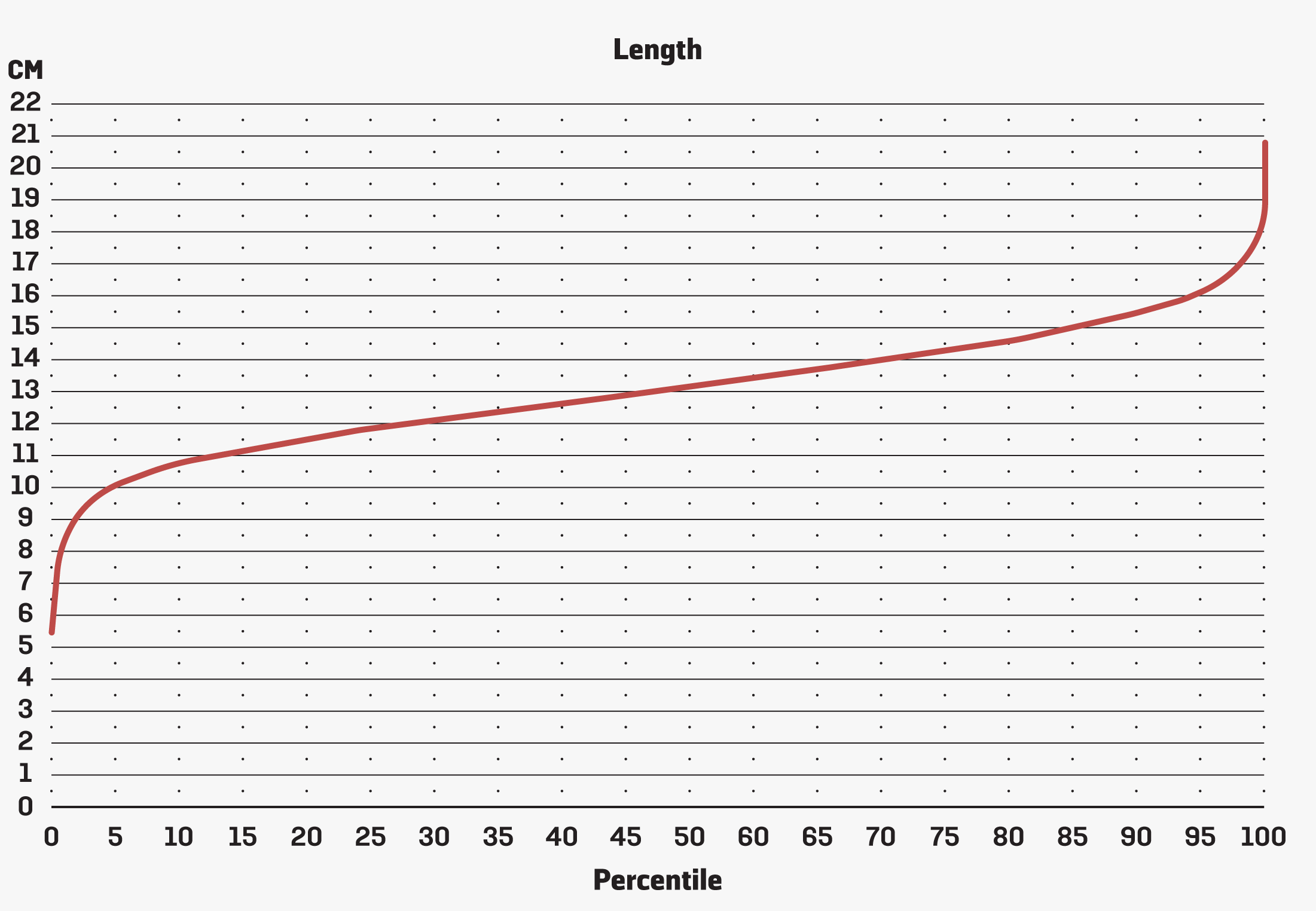
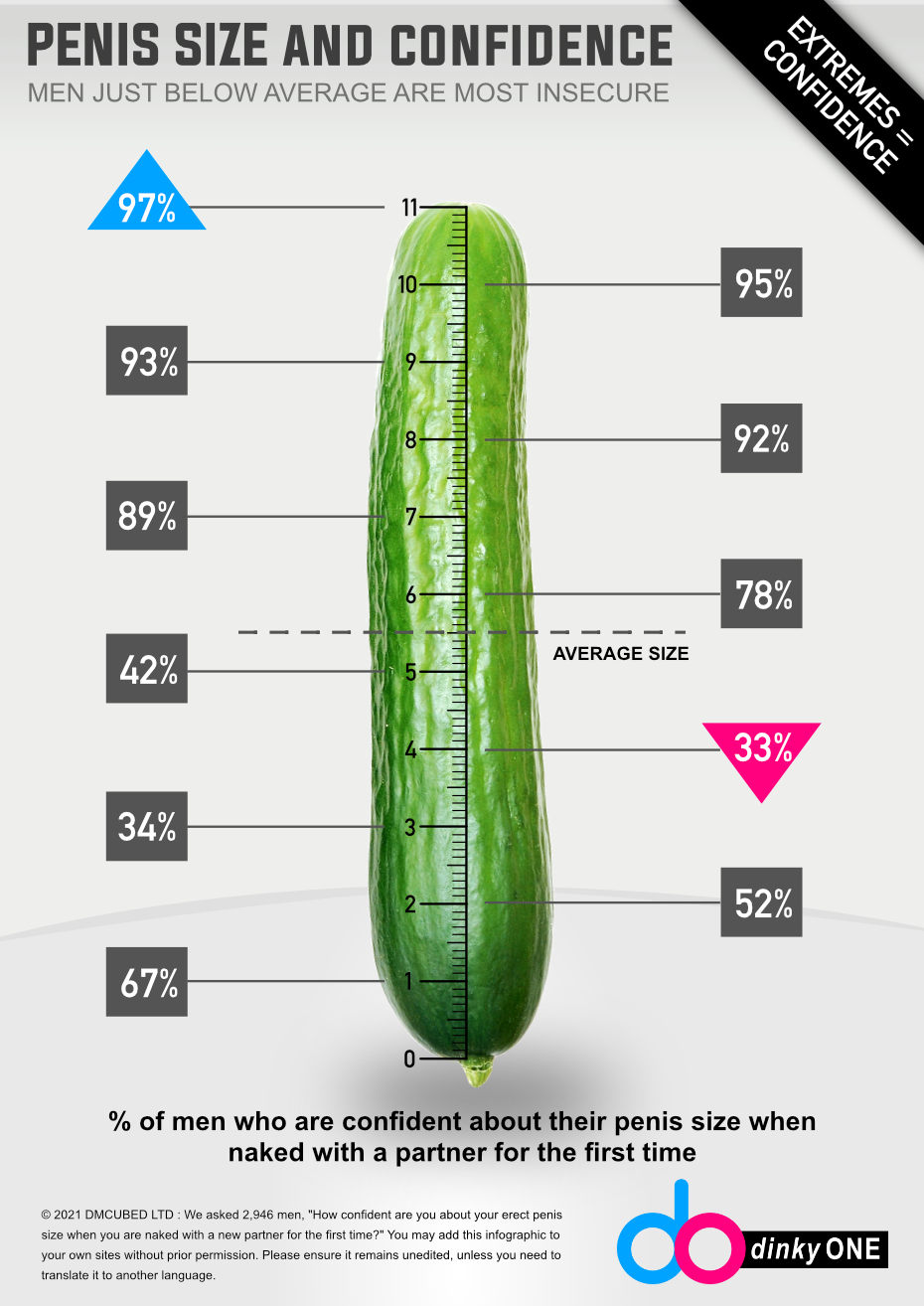
The willy size chart is a reference guide that provides a visual representation of penis dimensions, offering a standardized way to understand and compare sizes. This chart is a valuable tool for educational purposes and can be particularly useful for those seeking information on average sizes or wanting to understand the range of variations.
Comparing Standards and Categories
When referring to a willy size chart, it's important to note that different standards and measurement systems exist. The most common standards are the US and international (metric) systems, which use different units of measurement. The chart typically displays length and girth measurements, often in both centimeters and inches, to cater to various regions and preferences.
Step-by-Step Guide to Using the Chart
To utilize the willy size chart accurately, follow these steps:
Identify the standard: Determine whether you are using the US or international standard. This information is usually indicated on the chart itself or in the accompanying documentation.
Measure accurately: Take precise measurements of your penis. For length, measure from the base to the tip when erect. Girth is measured at the widest point, usually just below the head.
Convert if needed: If your measurements are in a different unit than the chart, convert them. For example, if you measured in centimeters but the chart uses inches, use the cm to inches conversion factor (1 inch = 2.54 cm) to ensure accuracy.
Compare and understand: Place your measurements on the chart and compare them to the various categories or percentiles. This will give you an idea of how your size compares to the general population.
Common Misconceptions and Pitfalls
Willy size chart is not an exact science: While the chart provides a standardized reference, it's important to remember that penis sizes can vary greatly, and individual differences are normal.
Personal experience vs. statistics: Your personal experience may not align with the chart, especially if you have a unique size or if the chart is based on a different population.
Age and growth: Penis size can change with age, especially during puberty and early adulthood. The chart may not account for these growth stages, so it's important to consider your age when interpreting the results.
Measurement techniques: Inaccurate measurements can lead to incorrect placements on the chart. Ensure you follow proper measuring techniques to get the most accurate representation.
Remember, the willy size chart is a guide, and individual variations are normal and healthy. If you have specific concerns or questions about your sexual health, it's always best to consult a healthcare professional.
So, there you have it, a handy willy size chart to guide you through the various measurements and standards. Remember, these charts provide a general overview, and exact values may differ slightly across sources.
It's always a good idea to cross-reference and ensure you're using the right measurements for your specific needs. Feel free to explore our other guides; we've got a range of interesting topics that might pique your curiosity and provide practical insights. Happy reading!
Related: Unraveling the Goku Family Chart
As you embark on your quest for a clear and concise Goku family chart, a visual guide to the intricate relationships within the Dragon Ball universe, you'll find a wealth of information at your fingertips. This chart, a comprehensive tool for fans and enthusiasts, offers a structured glimpse into the complex web of connections, providing a quick and reliable reference for those seeking to navigate the Saiyan genealogy. While the format may vary, with different versions offering unique insights, the core purpose remains: to unravel the warrior family history and present it in an accessible manner.
Understanding the Goku Family Chart
The Goku family chart is a visual representation of the intricate relationships and lineage within the iconic Dragon Ball franchise. It serves as a comprehensive guide, offering a clear overview of the extensive family tree of the Goku lineage. This chart is an essential tool for fans and enthusiasts, providing a structured way to navigate and understand the complex web of connections between characters.
Key Family Members and Notable Relations
When examining the Goku family chart, you'll encounter various categories and branches. The chart typically begins with the original saiyan warrior, Goku's grandfather, and then branches out to include his immediate family, such as his wife, Chi-Chi, and their children, Gohan and Goten. As you explore further, you'll discover extended family members, including Goku's father, Bardock, and his brother, Raditz. Each category represents a generation, with unique abilities and power levels that define the characters.
Power Levels Explained: A Step-by-Step Guide
Understanding the power dynamics within the Goku family chart is crucial. Here's a simple guide:
- Start by identifying the generation or category of the character you're interested in. This will give you a baseline understanding of their power level.
- Within each generation, characters may possess unique abilities or transformations that enhance their power. Take note of these, as they can significantly impact their overall strength.
- Compare characters across generations to grasp the evolutionary growth of power within the Goku lineage. This will help you appreciate the progression of strength and abilities over time.
- Remember, power levels can vary depending on the specific standards or formats used in the Dragon Ball universe. Always refer to the relevant sources or episodes for accurate representations.
Common Misreadings and How to Avoid Them
One common pitfall when interpreting the Goku family chart is assuming a direct correlation between power levels and family ties. While family members may share similar abilities, their individual power levels can vary significantly. It's essential to consider each character's unique journey and training to understand their true strength. Additionally, be cautious of generalizations; each character's power level may fluctuate based on various factors, including training, transformations, and even plot-specific enhancements.
Factors Affecting Accuracy and Real-World Application
The accuracy of the Goku family chart relies on several key factors. Firstly, it's important to note that the Dragon Ball franchise has evolved over time, with new characters, transformations, and power-ups introduced in different series and movies. Therefore, the chart must be regularly updated to reflect these changes accurately. Secondly, the chart's effectiveness depends on the reader's familiarity with the Dragon Ball universe. A basic understanding of the characters, their abilities, and the overall narrative is essential for a comprehensive interpretation. Finally, while the chart provides a structured overview, it's always beneficial to cross-reference with other sources, such as official guides or fan-curated databases, to ensure the most accurate and up-to-date information.
Remember, when working with the Goku family chart, it's essential to consider your unique situation and any specific requirements you may have. While this guide provides a solid foundation, variations can occur, so double-check the details that matter most to you.
Feel free to explore our other resources and guides; we've got plenty of practical information to help you navigate various topics. Take a look around and find the tools you need to stay organized and informed!