



Edisto Tide Chart Free Printable Overview
Many folks new to sports or the Mizzou scene might glance at a Mizzou depth chart and feel a bit lost, assuming it's some complex, secret code. But fear not! It's a simple, visual tool to understand team dynamics. Think of it as a clear, organized map, guiding you through the Mizzou football roster and player positions.
Understanding the Mizzou Depth Chart
The Mizzou depth chart is a valuable tool for football fans and analysts, offering a clear glimpse into the team's player lineup and their positions. It's a reference guide that helps you quickly grasp who's playing where and who's next in line.
Key Player Positions and Categories
This chart is divided into columns, each representing a specific position on the field. Common positions include quarterback (QB), running back (RB), wide receiver (WR), tight end (TE), offensive line (OL), defensive line (DL), linebacker (LB), defensive back (DB), and special teams (ST). These positions are further categorized into starters and backups, indicating the team's primary and secondary choices for each role.
How to Read and Apply the Depth Chart
Start by identifying the position you're interested in. Then, look for the player's name listed under that position. The player listed first is typically the starter, and the ones below are the backups, ordered by their position on the team's depth chart. For instance, if you're curious about the wide receivers, you'll see the starting WRs listed first, followed by the backups.
Here's a step-by-step guide:
- Choose the position you want to analyze.
- Identify the starter(s) listed first under that position.
- Note the backup players listed below, typically in order of their experience or skill level.
- Repeat this process for other positions to gain a comprehensive understanding of the team's lineup.
Variations and Differences
It's important to note that depth charts can change frequently due to various factors. Injuries, performance, and strategic decisions can all impact a player's position on the chart. For instance, an injury to a starting quarterback might promote a backup to the starting role, shifting the entire depth chart. Additionally, coaching staff changes or player trades can also influence the lineup.
Common Mistakes and How to Avoid Them
One common mistake is assuming the depth chart is set in stone. Remember, it's a fluid document that can change rapidly. Always stay updated with the latest news and announcements to ensure you're working with the most current information. Another pitfall is overlooking the backups. While starters often get the most attention, backups can be just as crucial, especially if injuries occur. Keep an eye on their performance and development, as they might become starters in the future.
Practical Tips for Accurate Results
To make the most of the Mizzou depth chart, consider these tips:
- Regularly check for updates, especially before game days, as last-minute changes can occur.
- Pay attention to injury reports and player availability, as these can significantly impact the depth chart.
- Research and familiarize yourself with the players' strengths and weaknesses. This knowledge can help you predict potential lineup changes and understand the team's strategy.
- Compare the depth chart with the actual game-time lineup to identify any surprises or last-minute adjustments.
- Stay informed about coaching staff decisions and their preferred playing styles, as this can influence the depth chart and the team's overall performance.
Well, there you have it! A simple guide to understanding the Mizzou depth chart. It's a handy tool, but remember, these charts can vary, so always double-check the specific requirements and context for your needs.
Don't forget to explore other guides on our site; we've got a bunch of helpful resources to keep you informed and on track. Happy reading and stay tuned for more!
Related: What's the best way to use a slacks size chart?
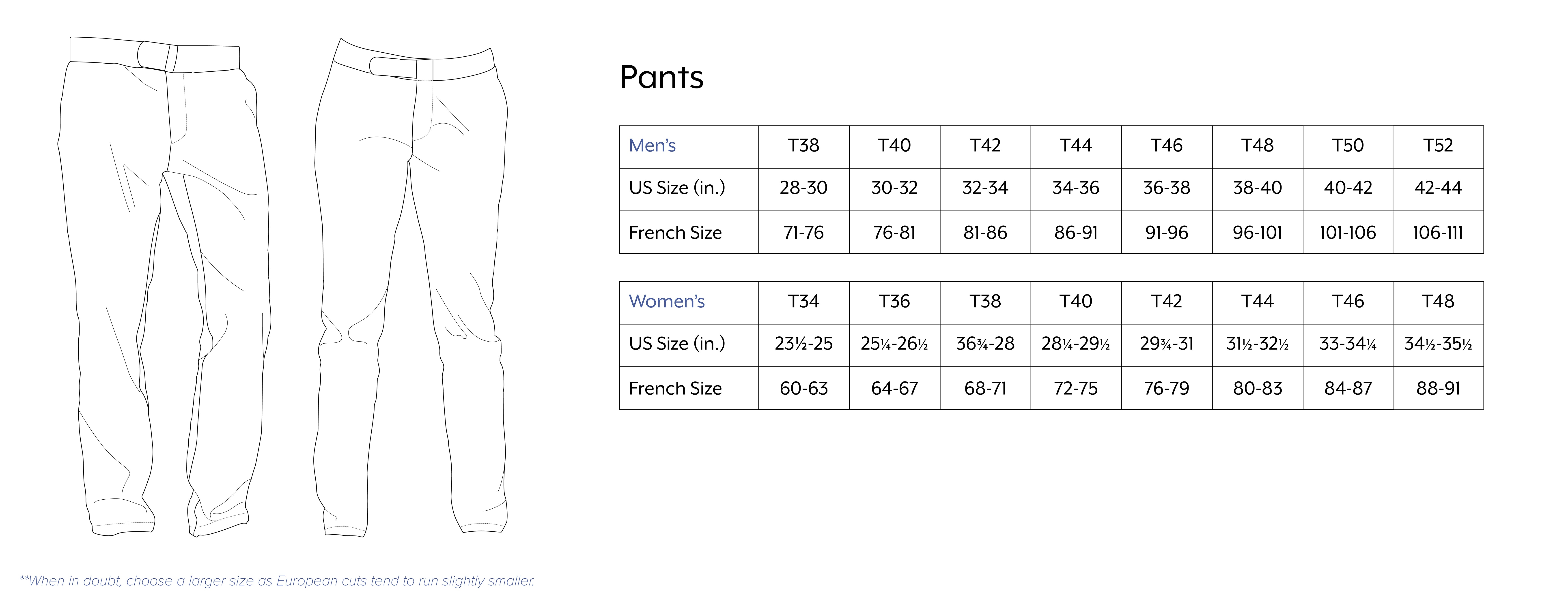
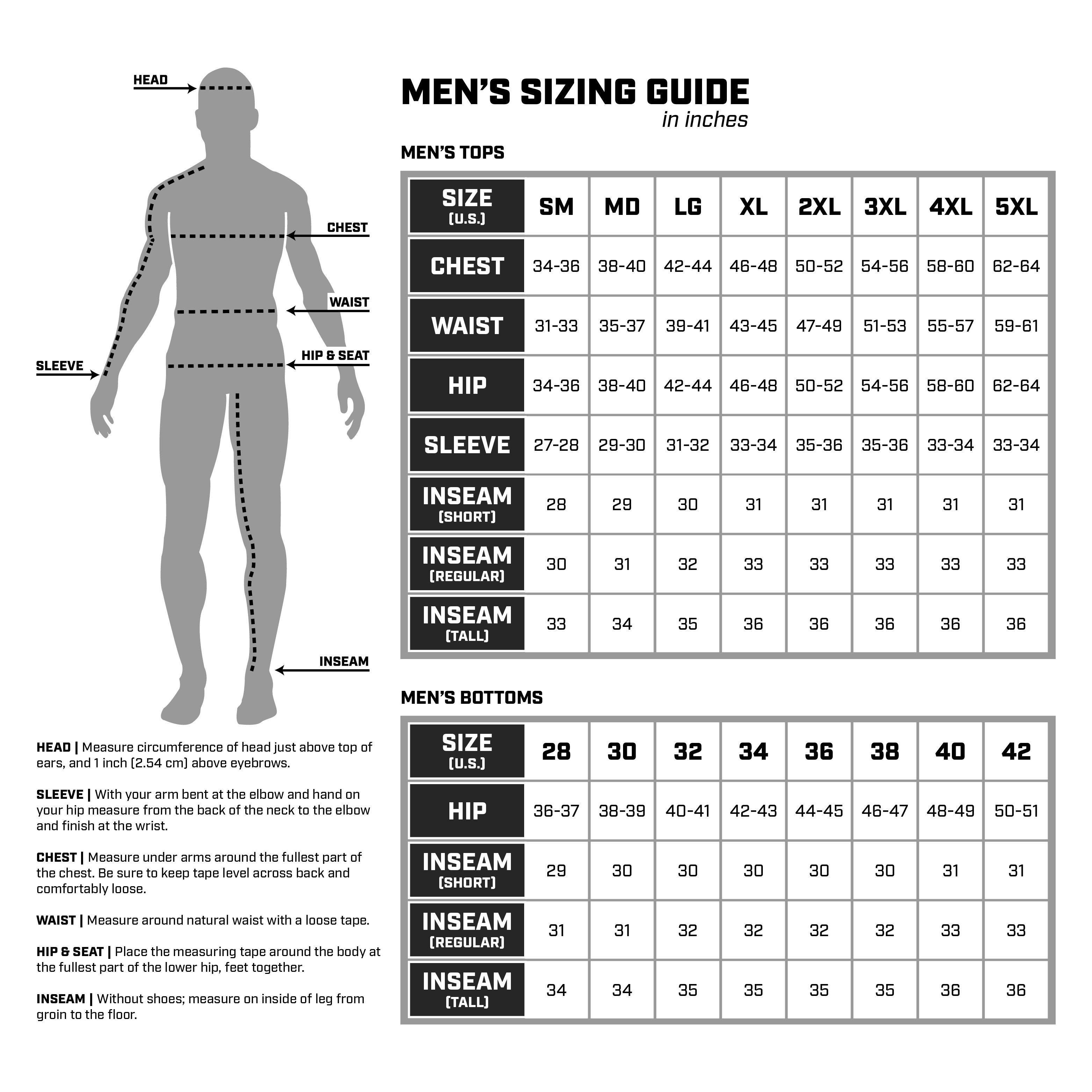
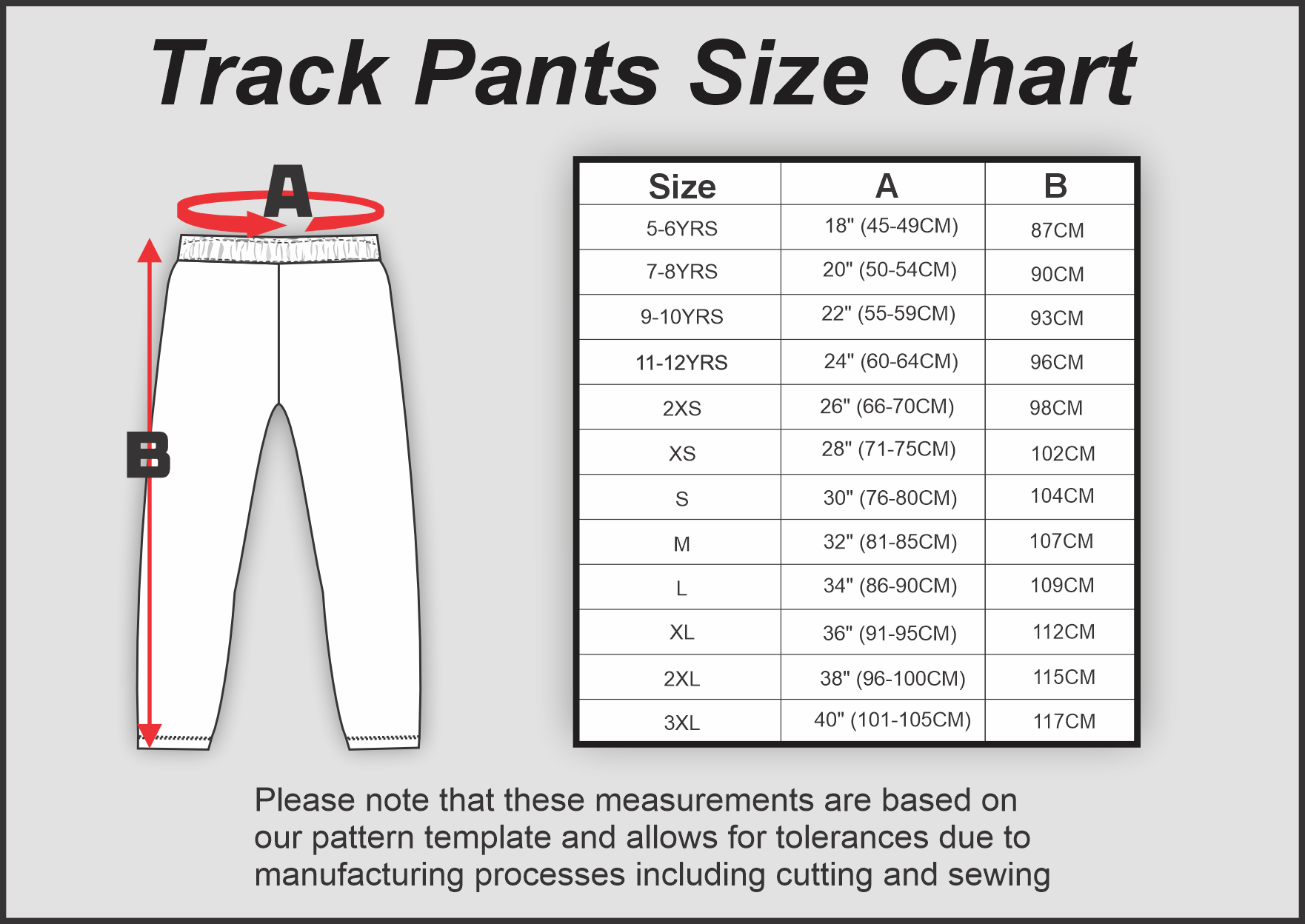
A slacks size chart is your handy tool for ensuring a perfect fit every time. This guide will walk you through the ins and outs, offering a simple approach to understanding those charts and ensuring you get the right size.
You'll find these charts are a great reference, offering waist size charts, pant guides, and even international size standards. While the values may vary slightly depending on the brand and region, they provide a reliable starting point for your measurements.
Understanding Slack's Size Chart
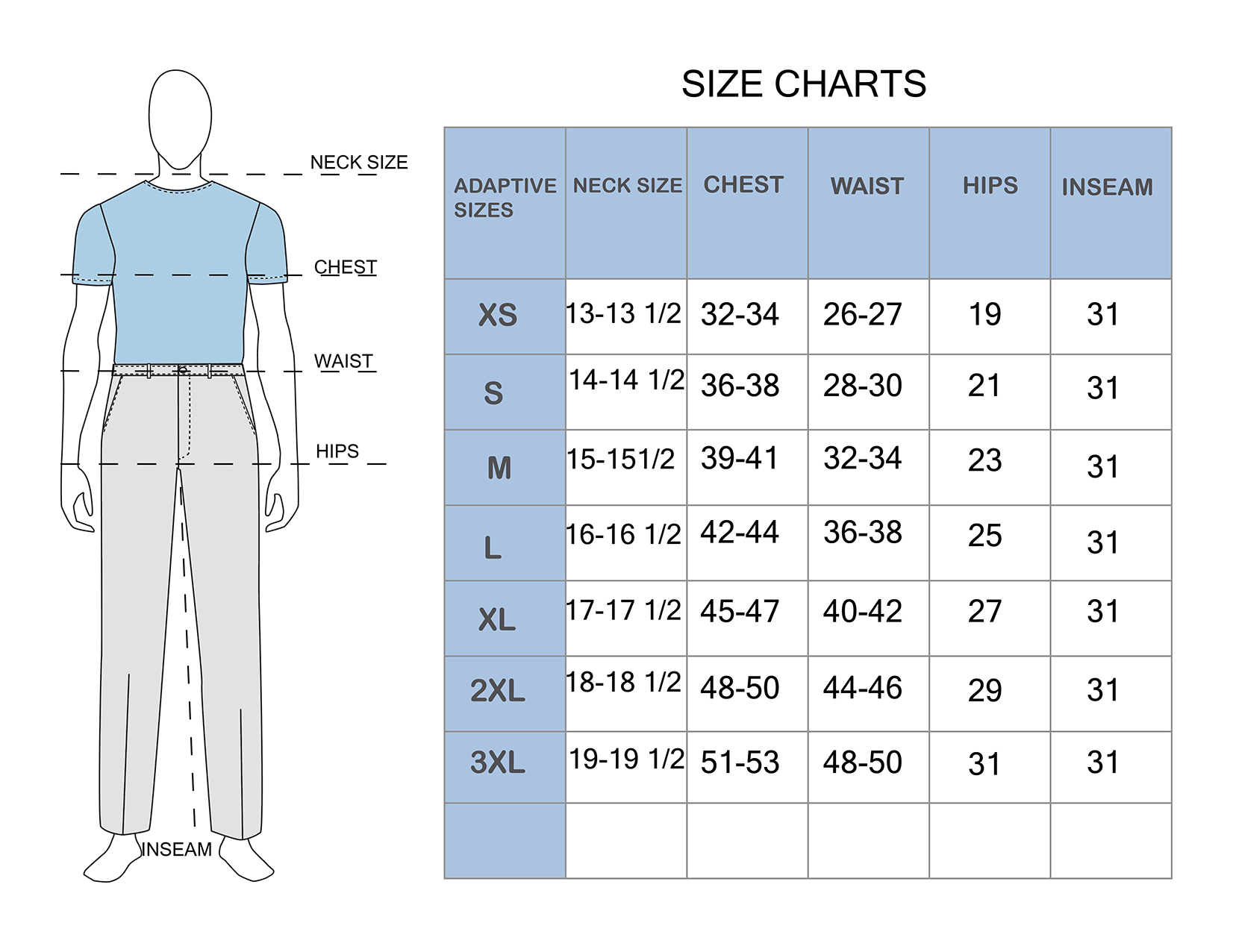
A waist size chart is a handy tool to help you find your perfect fit when shopping for slacks. It's a reference guide that translates your body measurements into the right size label, making it easier to choose the correct pair of pants.
Comparing Size Chart Standards
Size charts can vary depending on the brand and region. For example, a pant size guide from a US brand might use different measurements or labels compared to an international brand. It's important to check which standard the chart follows to ensure an accurate fit.
Step-by-Step Guide to Using the Size Chart
Using a slacks size chart is simple. Here's a quick guide:
Measure your waist: Use a tape measure to find your natural waist, which is usually the smallest part of your waist. Make sure the tape is snug but not too tight.
Find your waist size: Look for the waist measurement column on the chart. It will typically list a range of sizes, often in inches or centimeters. Find the number that matches or is closest to your waist measurement.
Check the hip measurement: Some charts also include hip measurements. If your hips are wider than your waist, ensure the hip measurement on the chart accommodates your body shape.
Consider the inseam: The inseam length determines how long your pants will be. Choose the length that suits your preference and height.
Avoiding Common Misreadings
It's easy to misinterpret a size chart if you're not familiar with it. Here are some tips to avoid common mistakes:
Always double-check the units of measurement. Some charts use inches, while others use centimeters.
Pay attention to the size labels. Brands might use different terminology, so ensure you understand their specific size categories.
If you're between sizes, it's often better to size up for comfort. Most charts provide a range, so choose the larger size if you're unsure.
Factors Affecting Accuracy
Several factors can influence the accuracy of a slacks size chart:
Body shape: The chart provides a general guide, but everyone's body is unique. Factors like muscle mass, bone structure, and body fat distribution can affect how clothes fit.
Fabric and design: The material and cut of the pants can impact the fit. Stretch fabrics might offer more flexibility, while structured fabrics may require a more precise fit.
Personal preference: Comfort and style are subjective. Some people prefer a looser fit, while others like their pants more tailored. Consider your personal style and comfort level when choosing a size.
Adapting the Chart for Your Needs
The beauty of a slacks size chart is its adaptability. You can use it as a starting point and make adjustments based on your preferences:
If you prefer a more relaxed fit, choose a size larger than your measured waist size.
For a more tailored look, opt for a size that matches your waist measurement precisely.
Consider the rise of the pants (high, medium, or low) and choose a size that aligns with your preference.
Keeping Your Reference Reliable
To ensure a consistent and reliable experience, it's beneficial to keep your slacks size chart updated:
Measure yourself regularly, especially if you've gained or lost weight. Body measurements can change over time, so it's essential to have an accurate reference.
Take note of the brand and style of pants you usually wear. This information can help you quickly identify your size when shopping online or in-store.
Share your measurements with trusted friends or family members. This way, they can assist you in finding the right size when shopping together.
Well, there you have it! A comprehensive guide to slacks size charts, covering all the bases. We've explored the different options, learned the steps to get an accurate fit, and even discussed some common pitfalls to avoid.
Remember, when it comes to size charts, there can be slight variations, so always double-check the specific requirements for your chosen brand or style. It's a good idea to keep this page bookmarked for future reference, so you can quickly refer back to it when needed. Stay stylish, and happy sizing!
Related: Need a Lacoste Size Chart?
When it comes to shopping for Lacoste clothing, having a reliable Lacoste size chart at hand is essential. This guide will provide you with the tools to navigate and understand the size charts accurately, ensuring a perfect fit every time. Whether you're after a men's polo shirt or a women's dress, knowing how to interpret size guides is key.
Understanding the Lacoste Size Chart
The Lacoste size chart is a valuable tool for anyone looking to purchase clothing from this iconic brand. It provides a clear guide to help you find your perfect fit, ensuring a comfortable and stylish experience. This chart offers a standardized sizing system, making it easy to navigate and understand.
Comparing Size Standards and Formats
Lacoste's size chart follows a straightforward format, typically featuring columns for different clothing categories, such as tops, bottoms, and dresses. Each category further breaks down into specific garment types, like polo shirts or jeans. The chart provides measurements in both centimeters (cm) and inches, catering to international customers.
Measuring Yourself Accurately: A Step-by-Step Guide
- Start by identifying the clothing category you're interested in, whether it's a men's polo shirt or a women's dress.
- Locate the corresponding section on the Lacoste size chart.
- Measure your body accurately using a flexible tape measure. For tops, measure your chest circumference at the fullest part. For bottoms, measure your waist and hip circumference.
- Compare your measurements to the size chart. Find the row that most closely matches your measurements.
- Consider the fit you prefer. If you like a looser fit, choose a size slightly larger than your exact measurements. For a more tailored look, go for a size that aligns with your measurements.
Common Size Discrepancies and How to Avoid Them
It's important to note that size charts can vary slightly between brands and even within a brand's different collections. While Lacoste's size chart is a reliable guide, there might be minor variations. To ensure an accurate fit, always double-check the specific size guide for the item you're interested in. Additionally, be aware of the standard being used. Lacoste, like many brands, provides measurements in both cm and inches, so ensure you're referencing the correct column. Remember, accurate measuring is key to achieving the perfect fit.
Remember, when it comes to sizing, a little extra care goes a long way. While our guide provides a solid framework, it's always wise to consider your unique needs and preferences. The exact values can vary, so take a moment to ensure you've accounted for any specific requirements you may have.
Feel free to explore our other resources and guides; we've got plenty of practical tips and tools to help you navigate the world of fashion and sizing with ease. Happy browsing!