





Egg Candling Chart Blank Overview
A teeth color chart is a handy tool for anyone seeking a quick and accurate way to assess and match tooth shades. This guide will walk you through the basics, covering what these charts are and how to use them effectively.
These charts, often in the form of a simple table or visual guide, provide a reference for tooth shade comparison. While the specific values and formats may vary, the concept remains the same: an easy-to-read resource for dental shade matching.
What is a Teeth Color Chart?
A teeth color chart is a visual guide that helps dental professionals and patients understand and communicate tooth shade accurately. It provides a standardized reference for comparing and matching tooth colors, ensuring consistency in dental procedures and treatments.
Key Details and Categories
The chart typically consists of a range of tooth shades, often organized in a grid or tabulated format. Each shade is represented by a unique code or label, making it easy to identify and communicate. The shades are usually based on a recognized standard, such as the Vitapan Classical Shade Guide, which is widely used in dentistry. This guide categorizes tooth colors into various groups, with each group further divided into sub-shades, providing a comprehensive and precise color reference.
Reading and Applying the Teeth Color Chart
To use the teeth color chart effectively, follow these steps:
- Prepare the teeth for shade matching by cleaning and drying them thoroughly. Natural light or specialized lighting can enhance color accuracy.
- Compare the patient's teeth with the shades on the chart. Hold the chart close to the teeth and observe the color match.
- Identify the closest shade match. Consider the overall color and any subtle variations.
- Confirm the shade with the patient and document it for future reference.
- Repeat the process for multiple teeth if needed, ensuring consistency across the dental arch.
Understanding Shade Variations
Shade variations can occur due to several factors. Natural tooth color can differ based on genetics, age, and lifestyle factors like diet and oral hygiene. External factors like staining from food, drinks, or tobacco can also impact tooth color. Additionally, lighting conditions and the observer's perception can influence shade matching. It's essential to consider these variables when using a teeth color chart to ensure accurate results.
Common Mistakes and How to Avoid Them
When working with a teeth color chart, it's crucial to avoid these common pitfalls:
- Relying solely on memory: Always refer to the chart for an accurate shade match. Avoid guessing or relying on past experiences.
- Inconsistent lighting: Ensure consistent lighting conditions to minimize errors. Natural daylight or specialized dental lighting is recommended.
- Neglecting patient feedback: Involve the patient in the shade selection process. Their perception and feedback are valuable for an accurate match.
- Overlooking oral health: Ensure the teeth are clean and free from debris or stains before shade matching.
- Using outdated charts: Keep your teeth color chart up-to-date to reflect the latest standards and shades. Regularly check for new versions or updates.
Well, there you have it! A teeth color chart is a handy tool, and now you know how to navigate it like a pro. Remember, the exact shades and values might differ slightly depending on the source or standard, so always double-check.
Feel free to explore other guides on our site for more practical tips and tricks. We've got you covered with a range of topics, so take a look and discover something new!
Related: A Quick Guide to Lyon Charter Twp: Reference Values
Frustrated by the endless scrolling and unclear charts? You're not alone. Many people seek a quick, reliable reference when dealing with Lyon Charter Twp and its various charts and diagrams. It's a common challenge, and understanding these visuals is crucial for getting things done efficiently.
Whether you're a resident of Lyon Township or just need to navigate the local government's systems, the charts and references can be a real headache. Rest assured, you're not alone in this, and there are ways to simplify the process.
Understanding Lyon Charter Twp: A Practical Guide
Lyon Charter Twp is a unique form of local government, offering a specific set of services and benefits to its residents. This guide will help you navigate the charter township's structure and operations.
Key Details and Categories
The charter township of Lyon operates under a unique legal status, providing a range of services and powers not typically found in standard townships. It's important to understand the key personnel and their roles, as well as the various departments and their functions. The township's administration is headed by a supervisor, who oversees the daily operations and acts as the chief executive. Other key personnel include the clerk, treasurer, and trustees, each with specific responsibilities.
Reading and Applying the Township Chart
The township chart is a visual representation of the Lyon Charter Twp's organizational structure. It outlines the various departments, their functions, and the reporting hierarchy. To read the chart effectively, start by identifying the supervisor at the top, who has overall authority. Below them, you'll find the clerk, treasurer, and trustees, each with their own areas of responsibility. The chart also shows the various departments and their interconnections, helping you understand the flow of information and decision-making.
Variations and Differences
While the charter township of Lyon follows a standard structure, variations can occur due to specific local needs and preferences. Different townships may have slightly different department names or functions, depending on the community's requirements. Additionally, the size and population of a township can influence its organizational structure. Larger townships may have more specialized departments, while smaller ones might combine certain functions. It's important to be aware of these variations when comparing different townships.
Common Mistakes and How to Avoid Them
One common mistake is assuming that all townships operate identically. While there are standard practices, each township has its own unique characteristics. Another pitfall is overlooking the specific roles and responsibilities of key personnel. It's crucial to understand who does what within the township administration to ensure effective engagement and communication. Finally, failing to consider the township's unique services and benefits can lead to missed opportunities for residents.
Practical Tips for Accurate Understanding
When navigating Lyon Charter Twp, take the time to familiarize yourself with the township's website and official documents. These resources provide valuable insights into the township's structure, services, and contact information. Attend township meetings or events to gain a deeper understanding of local issues and engage with community leaders. Building relationships with township staff and officials can also provide valuable insights and assistance.
Double-Checking and Handling Exceptions
While the township chart provides a useful overview, it's important to double-check specific details and exceptions. Certain services or functions may vary depending on the township's unique circumstances. For example, the availability of certain recreational facilities or specialized programs might differ. It's always a good idea to confirm these details with the relevant department or township office to ensure accurate information.
Hey there, we hope this guide has given you a clear understanding of Lyon Charter Twp and its practical applications. Remember, while we've covered the basics, exact details can vary, so always refer to the most relevant and up-to-date sources for your specific needs.
Feel free to explore our other guides; we've got a whole range of topics to help you navigate various concepts and standards. Happy learning, and stay curious!
Related: Understand TSP Live Charts: A Simple Guide
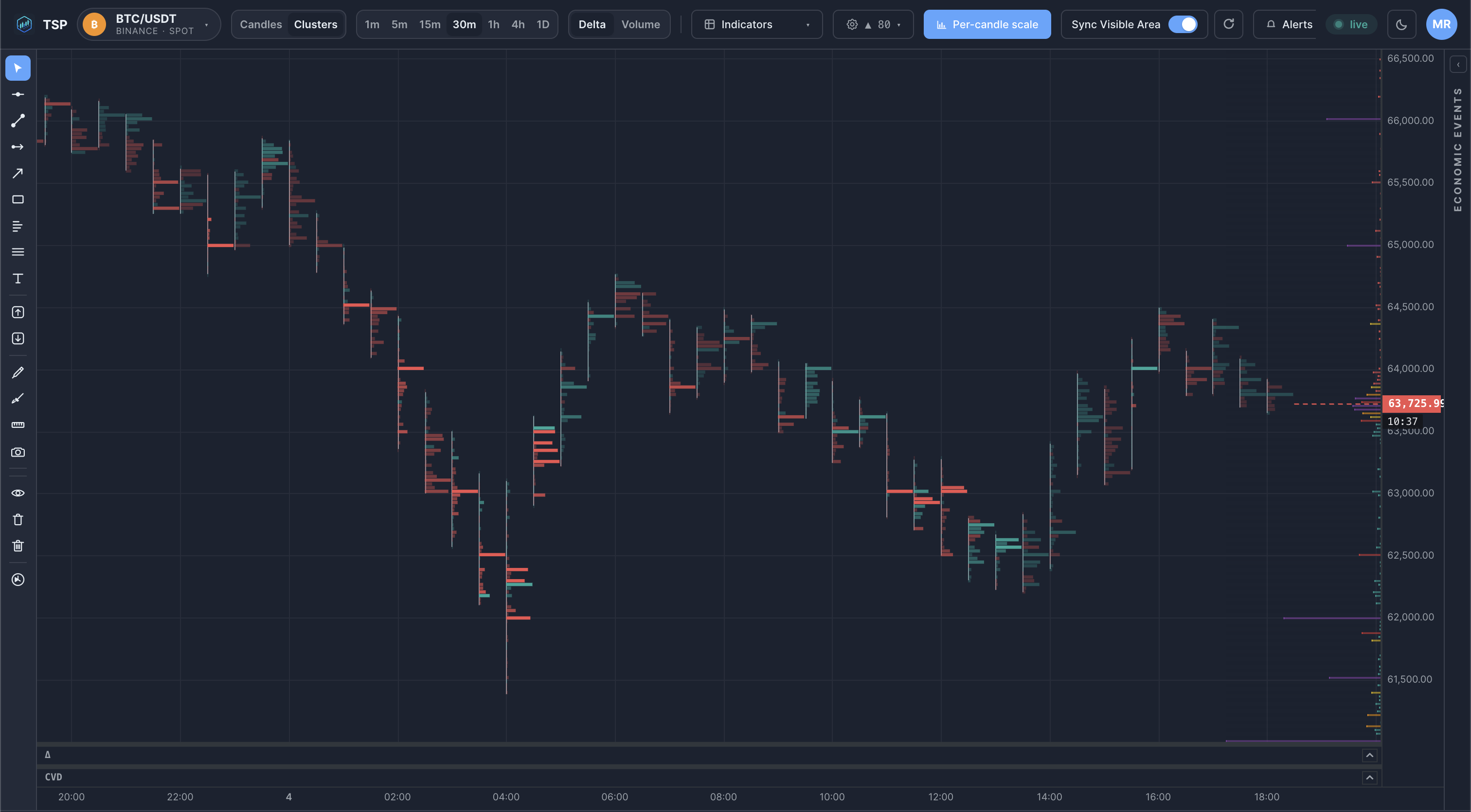
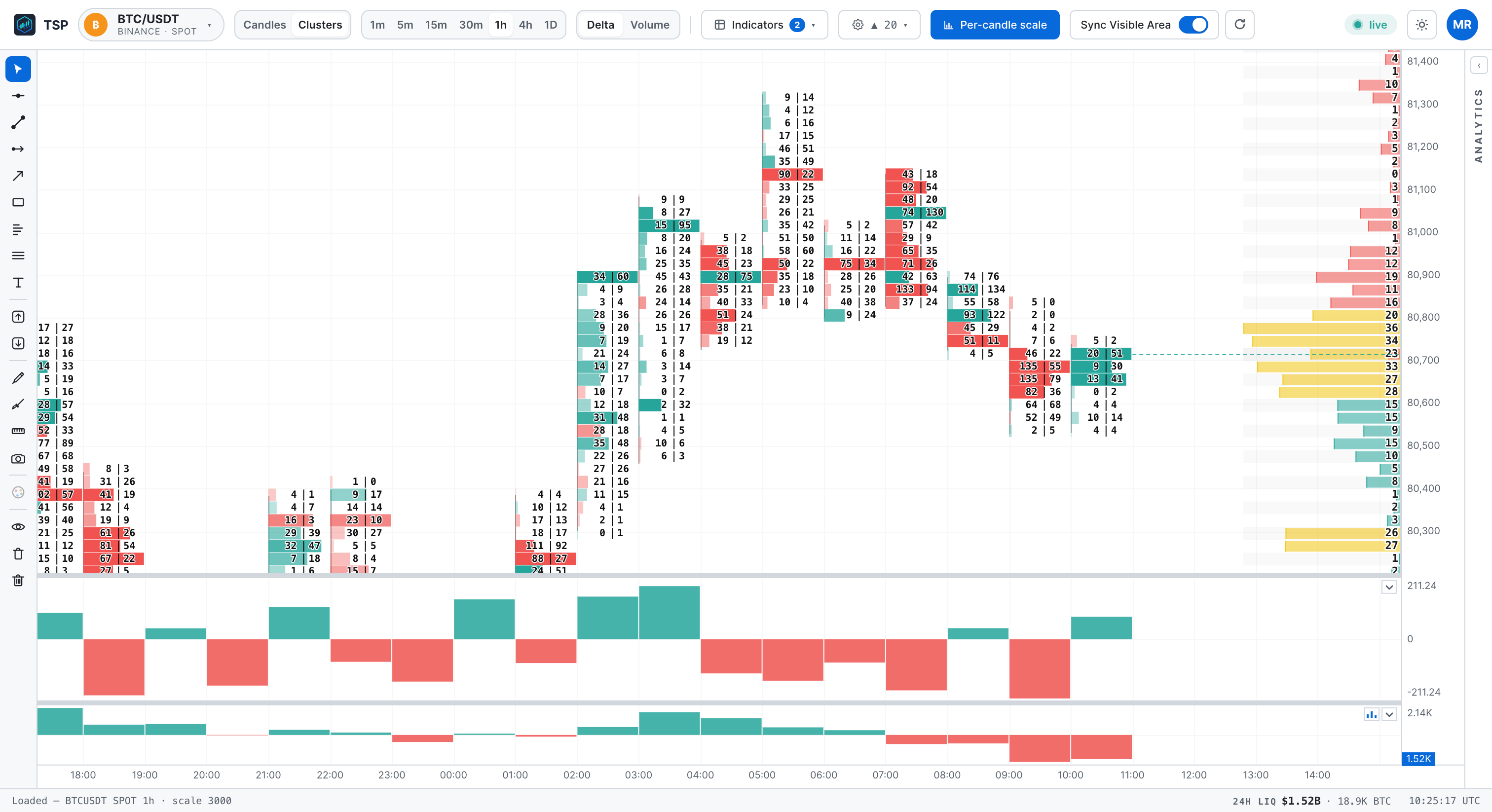
"Tsp live charts" provide a quick and accessible way to visualize and understand measurements, especially in cooking and dosage scenarios. This guide will cover the basics of reading and utilizing these charts effectively, offering a simple yet powerful tool for accurate conversions.
The beauty of tsp live charts lies in their ability to present live data in a clear, visual format. Whether you're converting teaspoon measurements to milliliters or determining precise dosages, these charts offer a reliable reference, ensuring your calculations are spot on. Keep in mind that while the values and formats may vary depending on your region or specific needs, the core principle remains the same: an easy, accurate conversion guide.
Understanding TSP Live Charts
TSP live charts are an essential tool for anyone who needs precise measurements, especially in cooking and medicine. These charts provide a visual representation of teaspoon conversions, offering a quick and accurate way to understand and apply different measurements.
Key Details and Units
The primary unit of measurement on these charts is the teaspoon, often abbreviated as "tsp." However, it's important to note that the chart also includes conversions to other units, such as milliliters (ml) and cubic centimeters (cc). These charts typically cover a range of values, from small doses like 1/4 tsp to larger quantities like 2 tsp or more.
Reading and Applying the Chart
To use a TSP live chart, follow these steps:
Identify the measurement you need to convert. Let's say you have a recipe that calls for 1/2 tsp of an ingredient, and you want to know the equivalent in milliliters.
Locate the relevant column or row on the chart. In this case, find the column labeled "1/2 tsp."
Read the corresponding value in the desired unit. Under the "ml" column, you might find the value "2.5 ml." This means that 1/2 tsp is equivalent to approximately 2.5 milliliters.
Apply the conversion in your recipe or dosage. So, if your recipe requires 1/2 tsp, you can use 2.5 ml instead.
Variations and Differences
TSP live charts may vary depending on the standard or region they are designed for. For instance, some charts might use the US customary system, while others might follow the metric system. This means that the exact conversions and labels can differ. Always ensure you are using a chart that aligns with your specific needs and measurement system.
Common Mistakes and How to Avoid Them
One common mistake is assuming that all TSP charts are universal. Always check the units and labels on the chart to ensure they match your requirements. Another pitfall is rounding off values too aggressively. While charts provide quick references, it's best to use the exact conversions, especially for critical applications like medicine.
Practical Tips for Accurate Results
When working with TSP live charts, consider these tips:
- Always double-check the units and ensure they match your needs.
- If you require precise measurements, consider using a digital scale or measuring spoons for the best accuracy.
- Keep in mind that some ingredients, especially powders, can vary in density, which might affect the volume-to-weight ratio.
- For critical applications like medication, always consult a healthcare professional for the most accurate dosage information.
Double-Checking and Handling Exceptions
While TSP live charts are a valuable tool, they might not cover every possible exception or specialized measurement. In such cases, it's best to refer to the original source or consult a professional. For instance, if you're dealing with highly technical or scientific measurements, you might need to consult more specialized charts or formulas. Always err on the side of caution and double-check critical measurements.
Well, there you have it! You should now feel equipped with the knowledge to navigate tsp live charts and make the most of this practical tool. Remember, while this guide offers a solid foundation, always consider your unique context and requirements. Exact values and standards may vary, so a quick double-check ensures you're on the right track.
Feel free to bookmark this page for future reference. It's always handy to have a reliable guide at your fingertips, ready to assist when needed.