



Esl Worksheets Travel Overview
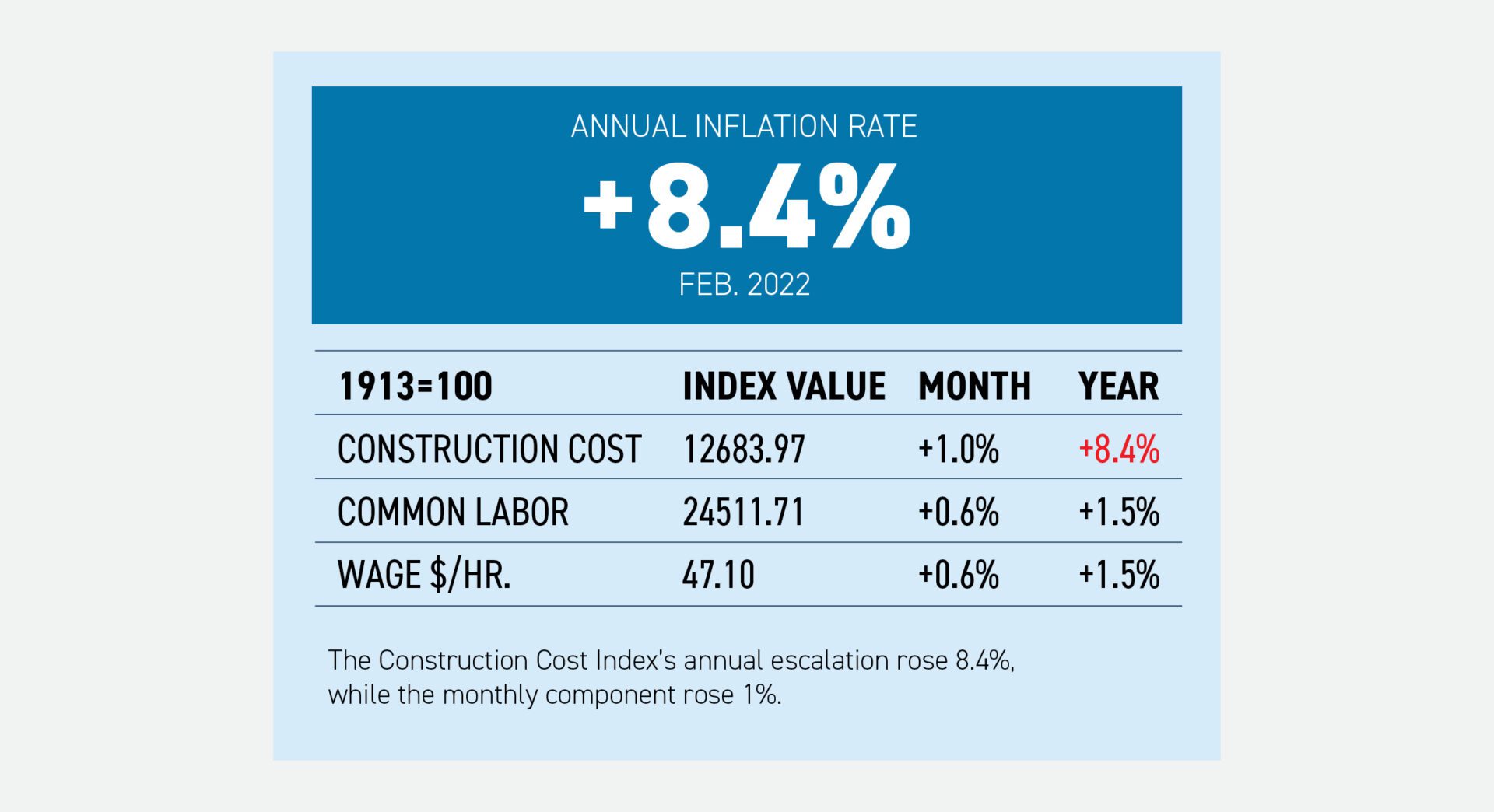
So, I was browsing the web the other day, curious about the ENR Construction Cost Index 2026, and I realized it's not as straightforward as it seems. I mean, it's an important indicator, but what does it really tell us? Let's break it down and see how it affects us regular folks.
Understanding the ENR Construction Cost Index
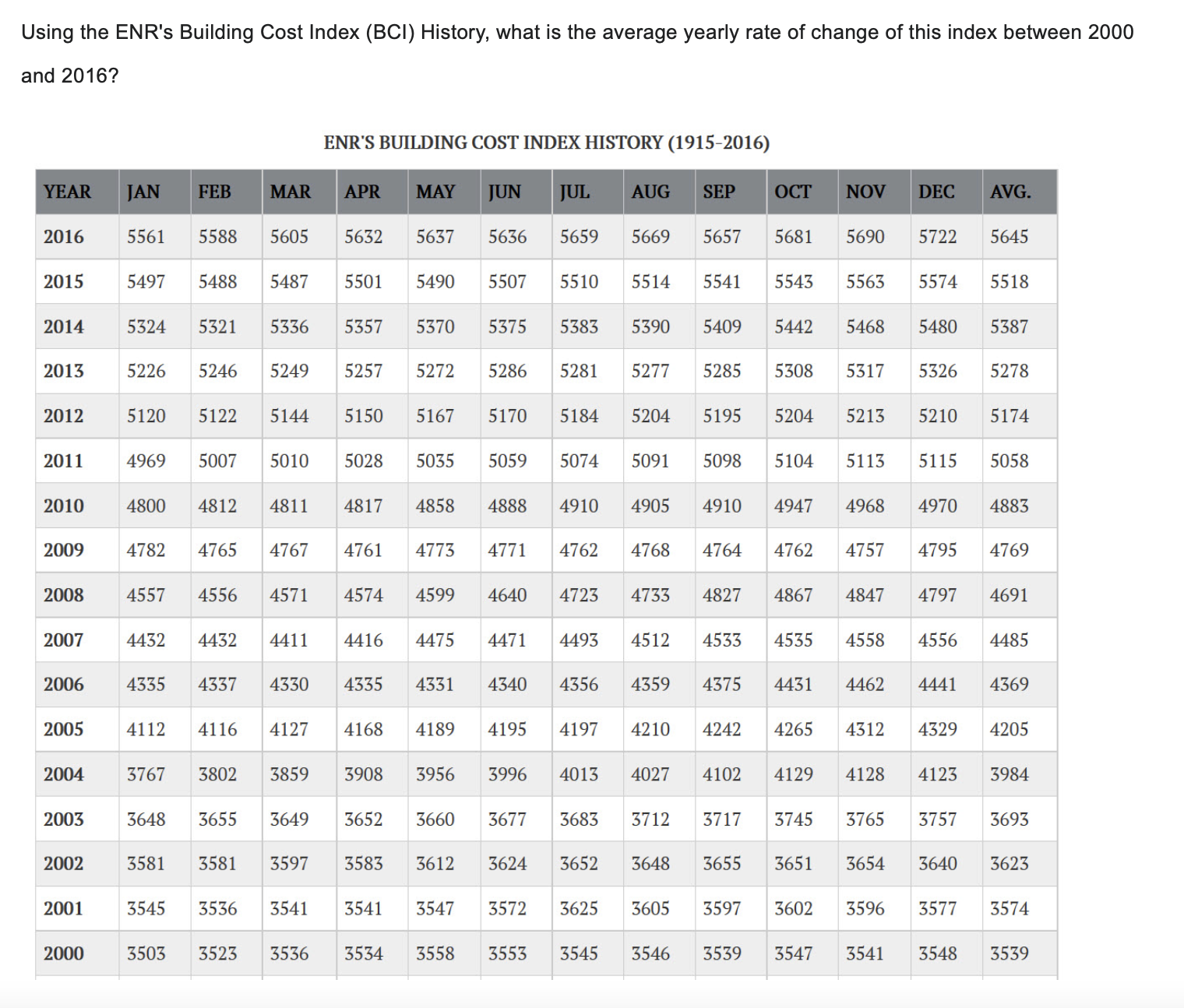
The ENR Construction Cost Index is a tool that keeps an eye on construction costs over time. It's like a thermometer for the industry, giving us a sense of how prices are moving. This index is super helpful for folks in construction, whether they're building companies, contractors, or even homeowners planning a remodel.
It covers a bunch of stuff, from materials to labor, and it's updated regularly. So, if you're thinking of starting a project, it's a good idea to check the index to get a feel for the market. It might just save you some headaches down the line!
How Does It Work, and Why Should I Care?
The index is all about tracking the costs of construction, which is crucial for anyone in the industry. It helps builders and contractors plan their projects and stay on budget. For homeowners, it's a way to understand the bigger picture of construction costs and how they might affect your renovation or new build.
Say you're planning a kitchen remodel. Checking the ENR Construction Cost Index can give you a sense of whether now is a good time to start, or if costs are likely to drop in the near future. It's a bit like timing the stock market, but for construction!
Practical Tips for Using the Index
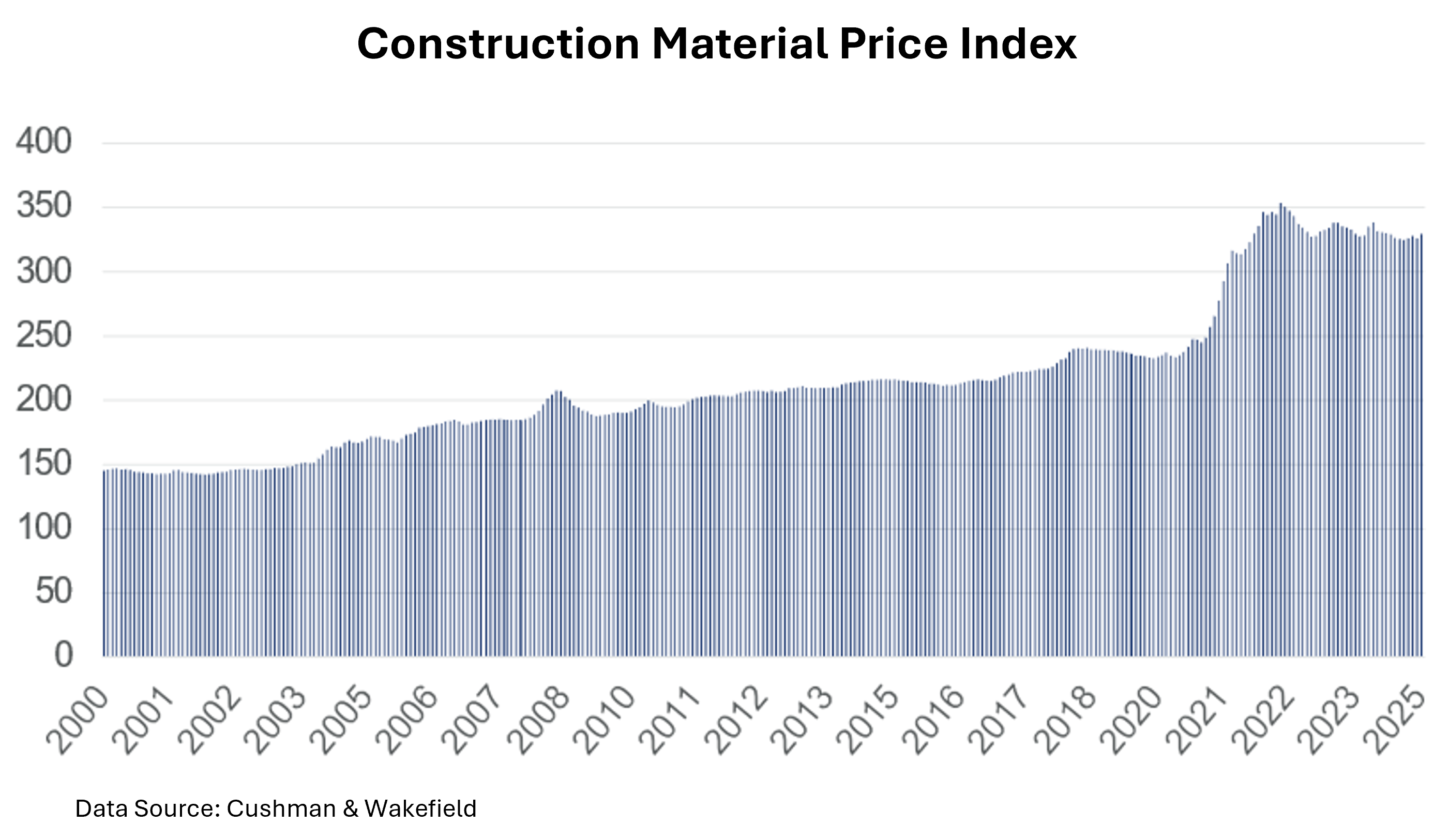
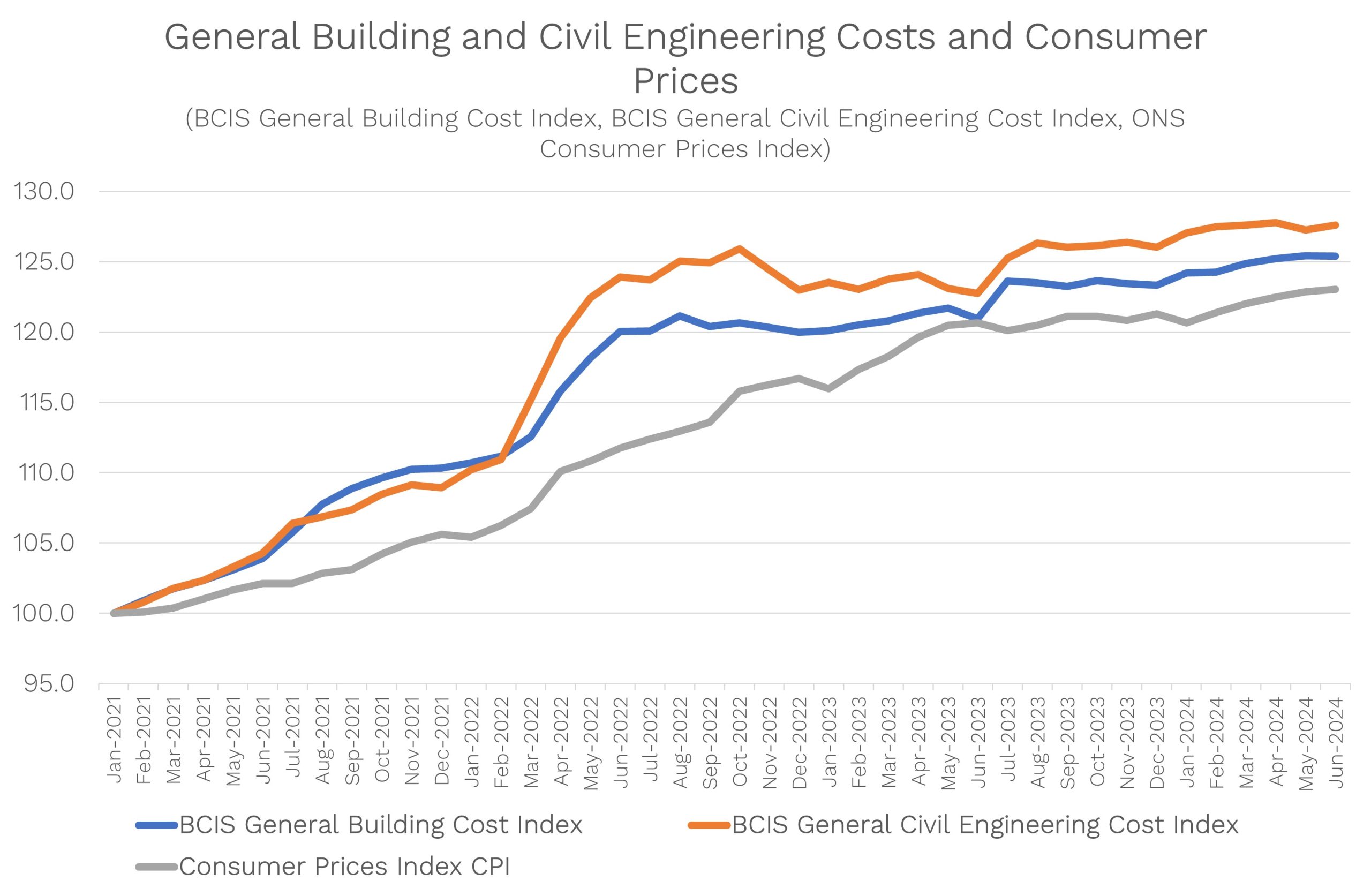
So, how do you use this index in your daily life? Well, it's simple. Just head over to the ENR website (or your favorite construction data source) and take a look. You'll see the index value and maybe some charts or graphs to give you a visual idea of the trends.
If you're a builder or contractor, you can use this info to bid on projects and set your prices. For homeowners, it's a way to get a sense of the market and compare quotes from different companies. Remember, construction costs can vary a lot, so getting a few quotes is always a good idea.
Naming Your Construction Business
If you're starting a construction company, one of the first things you'll need to do is come up with a name. It's not just about being creative; the name should reflect your business and its values. Keep it simple and memorable, and make sure it's unique.
Here are a few ideas to get you started:
- Build-It-Right Construction
- Solid Foundations
- Skyward Builders
- HomeCrafters
- Earthworks
- Constructive Solutions
Don't forget to check name availability and secure your domain and local registration before you get too attached to a name!
Construction Jobs and the Industry
The construction industry offers a wide range of jobs, from general contractors to estimators and project managers. These roles involve everything from planning and managing projects to actually building and remodeling.
If you're looking for construction jobs, check out local job boards and industry-specific websites. You might also want to reach out to construction companies directly or consider joining a union. It's a great industry to be in, with lots of opportunities for growth and development.
Wrapping Up
So, there you have it! The ENR Construction Cost Index 2026 is a handy tool for anyone in the construction game. It's a simple way to stay informed and make smarter decisions, whether you're a builder, contractor, or just a homeowner with a project in mind.
Why not take a look at the index today and see what it can tell you about the construction world? It might just give you a new perspective on your next project.
Related: Find the Perfect Fit: Violin Size Chart Guide
You're likely here because you need a quick solution, and that's exactly what the violin size chart offers. It's a simple yet effective tool, providing an at-a-glance guide to violin sizing. Whether you're a parent seeking the right violin for your child or a musician looking for a new instrument, this chart is your reliable companion.
While it may seem straightforward, there are a few things to note. Sizing can vary slightly depending on the brand and region, so it's always good to cross-reference. The chart includes standard violin dimensions, but it's always wise to check specific violin measurements too.
Understanding Violin Size Charts
Violin size charts are your guide to choosing the perfect-sized violin, especially for beginners and kids. These charts provide a clear, visual reference to help you match your body size to the ideal violin dimensions. It's an essential tool to ensure comfort, playability, and a positive learning experience.
Key Details and Categories
A violin size chart typically includes two main categories: body length and violin size. Body length refers to the measurement from your neck to the palm of your hand when your arm is extended. This measurement helps determine the appropriate violin size. Violin sizes are usually given as fractions, such as 1/8, 1/4, 1/2, and so on, indicating the instrument's overall length. These fractional sizes are especially useful for children, as they grow and progress in their violin journey.
How to Read and Apply the Chart
Using a violin size chart is straightforward. First, measure your body length as described earlier. Then, locate your measurement on the chart's body length scale. The chart will guide you to the corresponding violin size, ensuring a comfortable fit. For example, if your body length measurement falls within the range for a 1/4 violin, that's the size you should choose. It's as simple as that!
- Measure your body length.
- Find your measurement on the chart.
- Follow the chart's guidance to the recommended violin size.
- Select the violin with the indicated size.
Variations and Differences
While violin size charts provide a great starting point, it's important to note that individual preferences and playing styles can influence the ideal violin size. Some players may prefer a slightly larger or smaller violin for comfort or sound reasons. Additionally, the type of music played and the player's physical attributes can also impact the choice. It's always a good idea to consult with a violin teacher or specialist to fine-tune your selection.
Common Mistakes and How to Avoid Them
One common mistake is relying solely on age to determine violin size. While age can be a rough guide, it's not an accurate indicator of body size or playing ability. Always measure your body length and use the violin size chart as the primary reference. Another mistake is assuming all charts are the same. Different charts may use varying units or have slight differences in recommendations. Always double-check the chart's units and compare it to a trusted source or expert advice. Lastly, don't rush the process. Taking the time to choose the right violin size will ensure a comfortable and enjoyable playing experience.
Hey there! I hope this violin size chart has been helpful and easy to understand. Remember, while we've covered the basics, exact details can differ slightly, so always double-check your sources.
This guide is a handy reference, but we've got plenty more where that came from! Feel free to explore our other practical guides; we've got something for everyone. And when you need a quick reminder, just bookmark this page for future use. Happy violin adventures!
Related: Best Construction Company in San Francisco
I'm moving to San Fran soon and need to find a place to live. I'm not sure if I should rent or buy, but either way, I'll probably need some work done on the property. I've heard good things about best construction company in san francisco, but I want to know more before I make any decisions.
Unpacking "Best Construction Company in San Francisco"
When people talk about the "best construction company" in a place like San Francisco, they're usually referring to a reputable, reliable business that handles a range of building and remodeling projects. It's a big claim, and it can mean different things to different people, but at its core, it's about finding a company that does great work and has a solid reputation.
So, what makes a construction company "the best"? Well, it's a combination of factors. Firstly, they should have a good track record of successful projects, with happy clients who are willing to recommend them. Secondly, they should offer a range of services, from new builds to remodeling and renovations. This versatility is key, as it means they can handle most projects you throw at them. Thirdly, and perhaps most importantly, they should have a team of skilled, experienced professionals who take pride in their work.
Finding and Hiring the Best
So, how do you find this mythical "best construction company"? Well, it's not as simple as just Googling it. You need to do some research and ask around. Check online reviews and ask friends or colleagues for recommendations. Once you've got a few names, it's time to start comparing. Get quotes from a few different companies, and make sure they're detailed and itemized. This will help you understand the costs and what you're paying for.
When comparing quotes, look beyond just the price. Consider the scope of the project, the materials and labor involved, and the company's reputation and experience. It's also worth checking if they're licensed and insured, and whether they offer any guarantees or warranties on their work.
Naming Ideas and Industry Insights
Naming a construction company is an important step, and it can be tricky to get right. You want a name that's memorable, professional, and reflects the nature of your business. Some examples of successful construction company names include:
- BuildRight
- Constructive Solutions
- Hammer & Nail
- Renaissance Builders
- Solid Foundations
- The Building Blocks
Remember, when choosing a name, you'll need to check its availability for domains and local business registration.
The Industry and Its Tools
The construction industry is a complex beast, with a lot of moving parts. One tool often used by professionals is RSMeans, a cost database that provides accurate estimates for construction projects. It's a valuable resource for contractors, helping them price jobs accurately and competitively.
Big vs. Small: The Construction Company Divide
When it comes to construction companies, size often matters. Larger companies tend to have more resources, allowing them to take on bigger projects and offering a wider range of services. They may also have more specialized teams, like dedicated estimators and project managers.
Smaller companies, on the other hand, often provide a more personalized service. They may be more flexible and able to offer quicker turnarounds on projects. It's a trade-off between scale and specialization.
Final Thoughts
So, there you have it, a quick guide to understanding and finding the "best construction company in san francisco". It's a complex topic, but with a bit of research and some careful consideration, you should be able to find a great company to work with. Remember, it's not just about the name or the size, it's about finding a company that aligns with your needs and offers a high standard of work. Good luck with your search!