








Esl Worksheets Wh Questions Overview
You're probably here because you need a reliable, quick reference for your OIB tide chart. It's a handy tool, offering a simple visual guide to the tides and their times. With OIB, you get an at-a-glance view of water levels and can plan your day accordingly. The chart provides a clear snapshot of the tidal range and predictions, making it an essential aid for various activities.
Understanding the OIB Tide Chart
The OIB tide chart is a valuable tool for anyone interested in coastal activities, offering a visual representation of tidal patterns. It provides a simple yet effective way to predict and understand the rise and fall of tides over a specific period. By reading this chart, you can plan your activities, from boating to beachcombing, with confidence.
Key Details and Categories
The OIB tide chart typically displays two main categories: tide height and time. Height is usually measured in feet or meters, depending on the standard used, and represents the vertical change in water level. Time is shown in 24-hour format, covering a full tidal cycle, which is approximately 25 hours. Each chart covers a specific location, so it's essential to use the right chart for your area.
Reading the Data: A Step-by-Step Guide
Here's a simple guide to reading an OIB tide chart:
- Identify the location: Ensure the chart represents the area you're interested in.
- Understand the scale: Note the height scale, usually on the side or bottom of the chart. This scale tells you how much the tide will rise or fall.
- Follow the timeline: The chart's timeline runs horizontally, with each mark representing a specific time.
- Connect the dots: The chart uses a line graph, so connect the dots to visualize the tide's movement.
- Read the values: The height of the line at each time mark indicates the tide height. A higher line means a higher tide.
- Plan your activities: With this information, you can now plan your coastal adventures, considering the best times for activities like kayaking or collecting shellfish.
Common Fluctuations and Variations
Tide predictions, as shown on the OIB tide chart, can vary due to several factors:
- Weather conditions: Storms and strong winds can cause significant deviations from predicted tides.
- Seasonal changes: Tides may behave differently during certain seasons, influenced by factors like solar and lunar cycles.
- Geographical features: The shape of the coastline and the depth of the water can affect tide behavior.
- Human activities: Dredging and construction near the coast can impact tidal patterns.
Practical Applications and Common Mistakes
When using an OIB tide chart, remember these practical tips:
- Always check the date and time: Tide charts are specific to a particular day and time.
- Consider the weather: Extreme weather conditions can make the actual tide differ from the chart's prediction.
- Be aware of your location: Different areas may have unique tidal patterns, so ensure you're using the right chart.
- Don't rely solely on the chart: It's a prediction, and nature can be unpredictable. Always exercise caution and stay informed about local conditions.
- Double-check for special events: During rare astronomical events, tides may behave unusually, so it's essential to stay updated.
Hey there, we hope this guide has given you a clear understanding of the OIB tide chart and its practical uses. Remember, while the core principles remain the same, the exact details can vary slightly depending on your specific context or the source you're using.
Feel free to explore our other guides for more insights and practical tips. We've got a range of topics covered, so you can continue your learning journey and stay prepared for your coastal adventures!
Related: How to Read the Eagles Depth Chart?
You've landed on this page, so you're likely seeking a quick glimpse at the eagles depth chart or wanting to understand its layout. It's a handy tool for eagle enthusiasts and bird watchers, offering a simple way to visualize the hierarchy and organization of these majestic birds. The chart provides a snapshot of eagle species, with potential variations depending on your region and the specific eagles you're studying. It's a great reference, especially when you're out spotting these birds of prey and need a quick reminder of their unique characteristics and rankings.
Understanding Rankings: Eagles Depth Chart 101
The eagles depth chart is a valuable tool for bird enthusiasts and observers, offering a structured overview of eagle species and their unique characteristics. It's like a roadmap to the world of eagles, helping you navigate and understand these magnificent birds better. This chart ranks and organizes eagles based on various factors, providing a quick reference guide.
Comparing Standards and Formats
When it comes to eagles depth charts, there can be variations in the standards and formats used. Different regions and organizations may have their own ways of categorizing and presenting eagle data. For instance, some charts might focus on size and wingspan, while others prioritize hunting techniques or breeding behaviors. It's important to be aware of these differences to interpret the charts accurately.
Step-by-Step Guide: Using the Eagles Depth Chart
Using the eagles depth chart is straightforward and practical. Here's a simple guide:
Start by identifying the purpose of your observation. Are you interested in eagle sizes, hunting strategies, or something else?
Locate the relevant section on the chart. It will typically have categories like size, hunting techniques, or breeding behaviors.
Within each category, you'll find a ranking or list of eagle species. Compare the values or descriptions to identify the eagles that match your interest.
Take note of any additional information provided on the chart, such as brief descriptions or fun facts.
Cross-reference with other resources if needed, especially for specific details or regional variations.
Common Misreadings and Pitfalls
One common mistake is assuming that all eagles depth charts are universal. While they provide a great overview, certain charts may have limitations or focus on specific aspects. Always double-check the chart's scope and purpose to ensure you're using it correctly. Additionally, be cautious of charts that claim to cover every detail; sometimes, more specialized resources are needed for specific information.
Factors Affecting Accuracy and Real-World Use
The accuracy of eagles depth charts can be influenced by various factors. Firstly, the data collection methods and sources play a crucial role. Charts based on extensive research and reliable data are more accurate. Secondly, regional variations and eagle behaviors can impact the rankings. Eagles in different parts of the world may exhibit unique characteristics, so it's important to consider the chart's geographical focus. Lastly, the chart's purpose and intended audience can affect its content and presentation.
Adapting the Format for Specific Needs
The beauty of eagles depth charts is their adaptability. If you have specific requirements or a unique focus, you can create or customize a chart to suit your needs. For instance, if you're interested in eagle breeding pairs, you can design a chart that highlights this aspect, including information on nesting behaviors and preferred habitats. This flexibility allows you to create a personalized tool for your bird-watching adventures.
Remember, while these depth charts offer a great starting point, the specifics can differ based on your unique circumstances. It's always a good idea to tailor them to your needs and keep an eye on any updates or changes.
Feel free to explore our other guides for more practical insights and tips. We've got a range of topics covered, so you can dive deeper into the world of sports analysis and strategy. Happy reading!
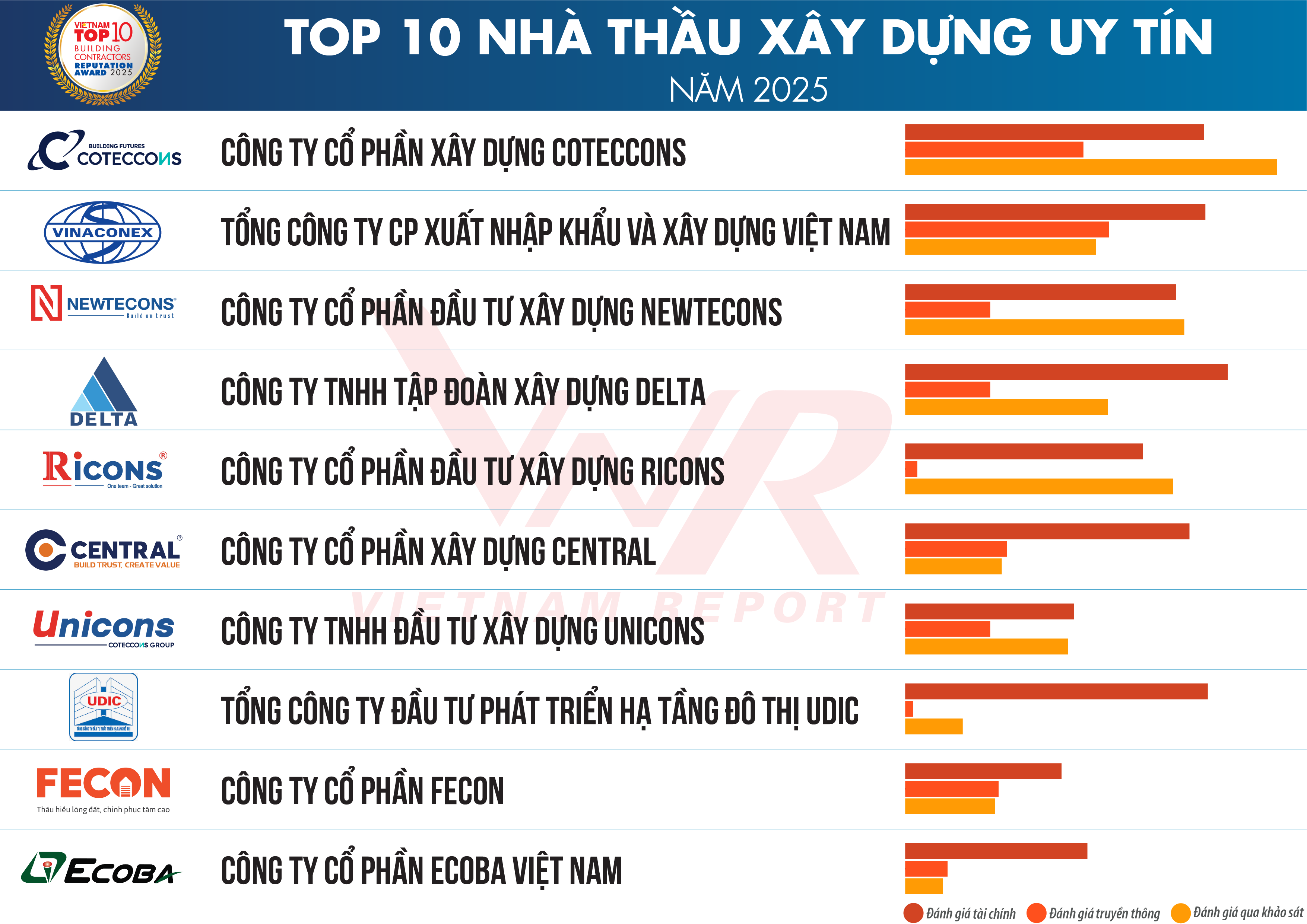
Related: Ten Construction Companies Essential Guide
I'm thinking of giving my kitchen a makeover, and it got me wondering about top ten construction companies. Who are the big players in the industry? What makes a construction company stand out? I decided to look into it and share some insights, so here's the lowdown on all things construction-related.
The Big Picture: Construction Industry Insights
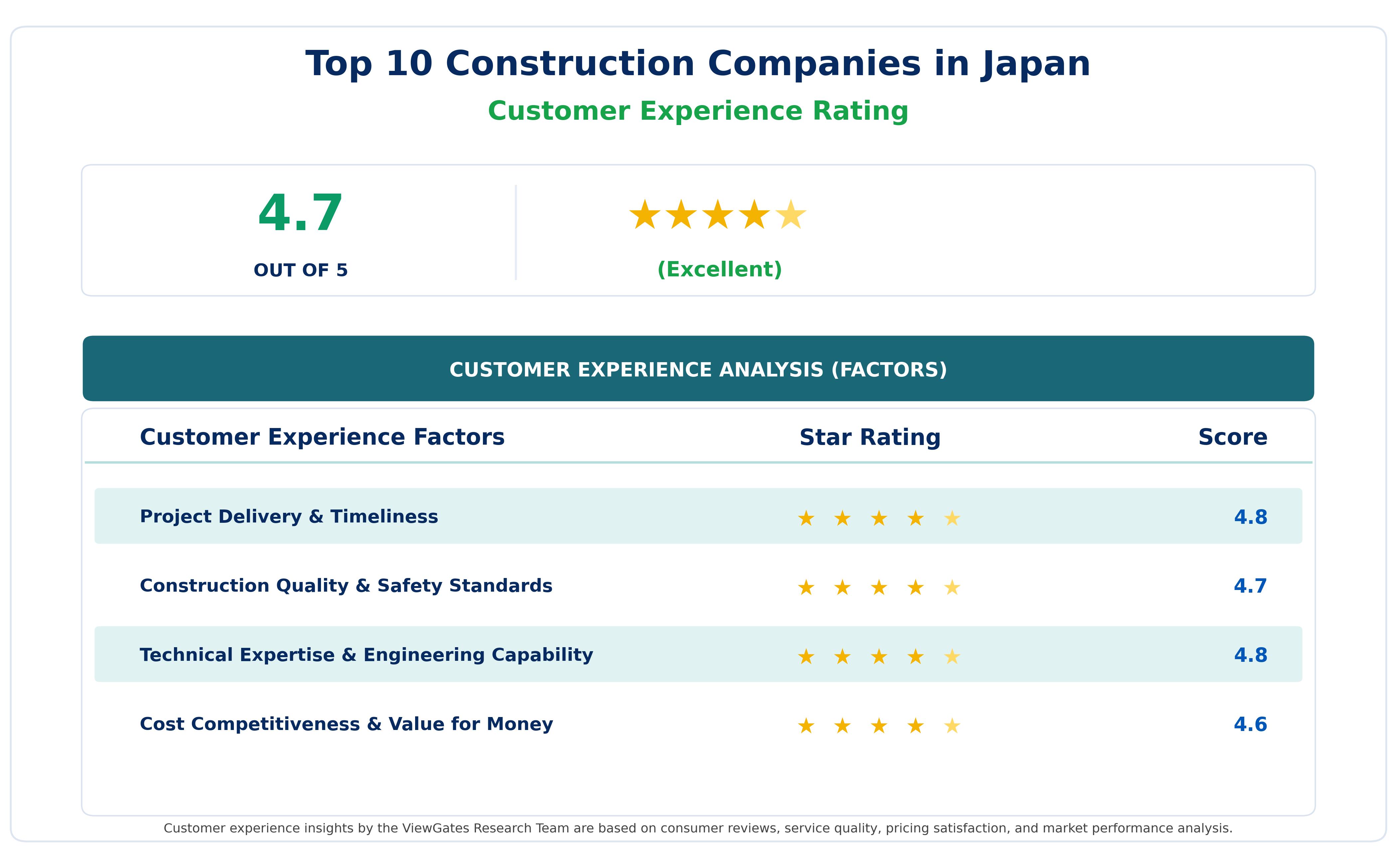
When we talk about the top ten construction companies, we're referring to the leading firms in the industry, those that have established a strong reputation and often work on large-scale projects. These companies have the resources, expertise, and experience to tackle a wide range of construction and remodeling jobs. They can handle everything from residential home renovations to commercial building projects.
So, what sets these companies apart? Well, it's a combination of factors. They often have a large, skilled workforce, which allows them to take on multiple projects simultaneously. They also tend to have strong relationships with suppliers, which can result in better deals on materials. Additionally, their size and reputation often mean they can attract and retain top talent, ensuring a consistent level of quality in their work.
Hiring a Top Construction Company: What to Consider
If you're in the market for a construction company, whether it's for a home remodel or a new build, there are a few key things to keep in mind. First, check their licensing and insurance. This is crucial to protect yourself and ensure they're legally allowed to operate. Next, look at their portfolio. Do they have experience with projects similar to yours? It's a good sign if they do.
Ask for references and check them. Speak to past clients about their experience. Were they happy with the work? Was the company responsive and professional? Also, get multiple quotes. Prices can vary, and it's a great way to compare services and find the best value.
Company Names: A Quick Tip
Choosing a name for your construction company is important. It should be memorable, reflect your business, and be unique. Avoid generic names; you want something that stands out. For example, "BuildStrong", "RenovateRight", or "Constructive Solutions" are all catchy and give a good indication of the services offered.
Before settling on a name, check its availability for registration and domain names. You don't want any legal issues or to miss out on an online presence because the name is taken.
The Construction Industry: A World of Opportunities
The construction industry offers a wide range of jobs, from skilled tradespeople to project managers and estimators. These roles can vary greatly in terms of responsibilities and salaries. For instance, an estimator's role involves calculating costs for projects, a crucial step in the construction process.
If you're looking for construction jobs, check online job boards and local classifieds. Many companies also advertise on their websites. It's a good idea to have a clear idea of the role you're interested in and the skills you can bring to the table.
Wrapping Up: Your Construction Journey
So, there you have it, a glimpse into the world of top ten construction companies and the construction industry as a whole. Whether you're hiring a company for a project or considering a career in construction, it's a fascinating and ever-evolving field. Remember, when it comes to construction, it's all about finding the right fit for your needs and ensuring a professional, skilled team is on board.