




Estimate Bid Template Overview
I've just moved into a new house, and I'm thinking about making some changes. It's an older place, and I want to put my stamp on it with a custom home renovation. I've heard that projects like these can be a real headache, so I'm doing my research first. Here's what I've found out.
What's Custom Home Renovation All About?
Custom home renovation is all about transforming your living space to fit your unique needs and style. It's not just about adding value to your home; it's about creating a space that feels truly yours. Whether you want to update your kitchen, add a new room, or completely overhaul your exterior, custom home renovation gives you the freedom to design and build something special.
The process involves a lot of planning and decision-making. You'll need to consider the scope of your project, choose the right professionals, and manage costs effectively. It's a big undertaking, but the results can be incredibly rewarding.
Finding the Right Professionals
One of the most important steps is hiring the right team. You'll want to work with reputable custom home renovation companies or general contractors who have experience in the type of project you're planning. Check their past work, ask for references, and make sure they have the necessary licenses and insurance.
When getting quotes, compare apples to apples. Make sure each contractor is providing a detailed breakdown of the work and materials, so you can easily see what's included. Don't be afraid to ask questions and clarify any uncertainties. A good contractor will be transparent and happy to explain their process.
Cost Considerations
Costs can vary widely depending on the scale and complexity of your project. Factors like the size of the renovation, the materials you choose, and the labor involved will all impact the final price. It's a good idea to get multiple written quotes to compare and ensure you're getting a fair deal.
To keep costs down, consider doing some of the simpler tasks yourself if you have the skills and time. You can also look for ways to save on materials by shopping around or opting for more affordable options without compromising quality.
Naming Your Business
If you're in the construction industry, choosing a business name is crucial. It should be memorable, reflect your services, and stand out from the competition. Some examples of catchy names could be "Build-It-Right Construction," "Renovate and Revive," or "Home Transformation Specialists."
Before settling on a name, check its availability for domains and local business registration. You want to ensure you can build a strong brand identity without legal issues.
Industry Tools and Data
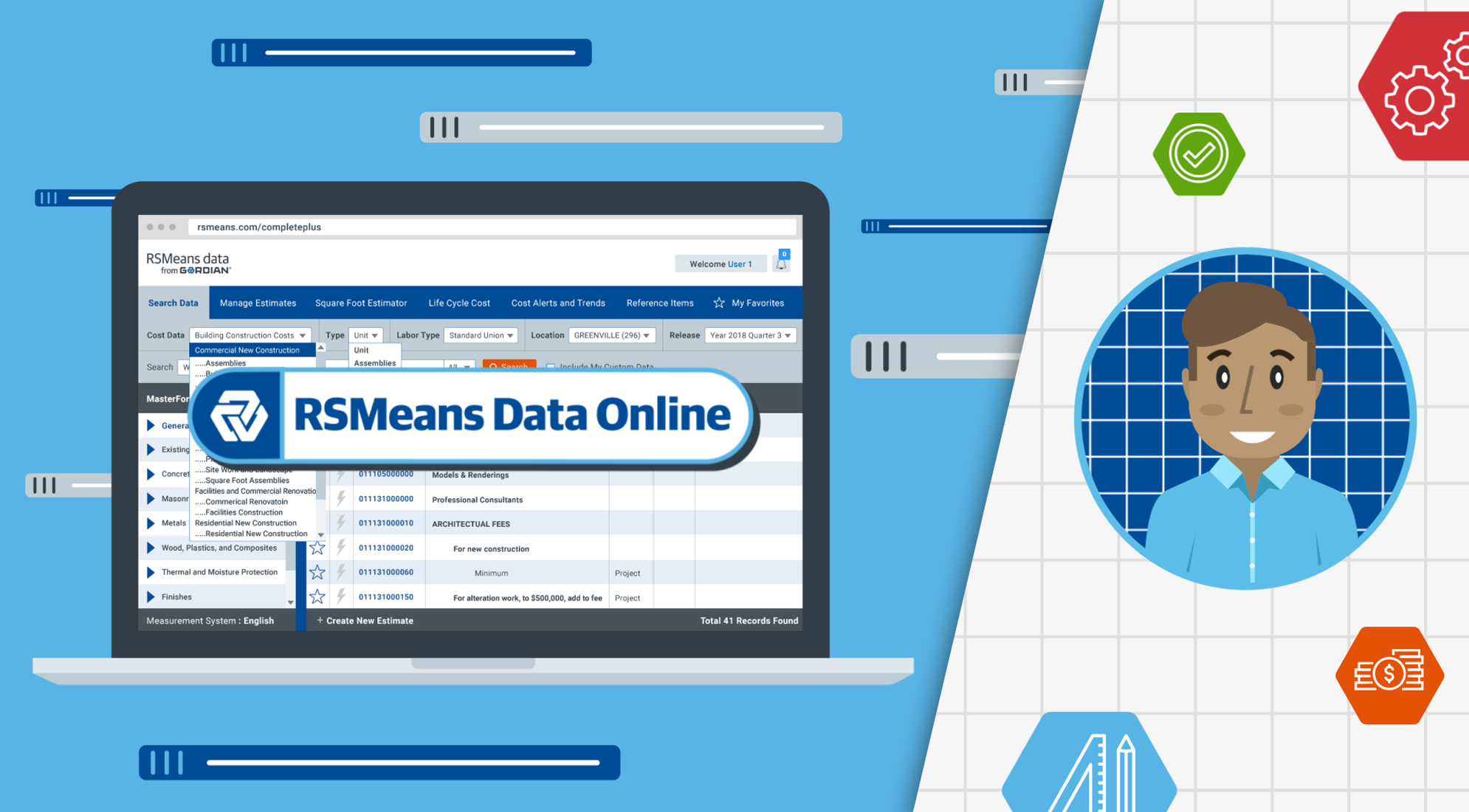
The construction industry uses various tools and resources to estimate costs and manage projects. One popular tool is RSMeans, which provides cost data and estimates for different construction projects. It's a valuable resource for professionals to ensure accurate pricing and stay competitive.
Large vs. Small Companies
The construction industry has a range of companies, from small local businesses to large national firms. Small companies often offer a more personalized service and can be more flexible with unique projects. They may have a tighter-knit team and a more hands-on approach.
Larger companies, on the other hand, often have more resources, specialized teams, and a broader range of services. They can handle more complex projects and have the infrastructure to manage larger-scale renovations.
Jobs and Opportunities
The custom home renovation industry offers a variety of job roles. From estimators who calculate costs to project managers who oversee the entire process, there are opportunities for skilled professionals. Salaries can vary depending on experience and the specific role.
If you're interested in working in this field, check job boards, construction company websites, and local industry networks. Building a network and gaining experience can open doors to great opportunities.
I hope this gives you a good overview of custom home renovation. It's an exciting process, and with the right knowledge and professionals, you can create your dream home. Happy renovating!
Related: Decoding the Firewood BTU Chart
You're here because you need a straightforward answer, and the firewood btu chart is your go-to resource. It's a simple yet powerful tool, offering a quick glance at the energy content of different woods. This chart is a handy reference, providing values for the heating value of firewood, often measured in btu per cord or pound. With this information, you can make informed choices, ensuring your firewood stack is efficient and effective.
Understanding the Firewood BTU Chart: A Quick Overview
The firewood BTU chart is a valuable tool for anyone using wood as a heat source. It provides a reference guide to the energy content of various firewood types, helping you make informed choices for efficient heating. This chart offers a standardized way to compare the heating value of different woods.
Comparing Firewood Types and Their BTU Ratings
The chart categorizes firewood by species, offering a range of common and less-common woods. Each wood type has a BTU (British Thermal Unit) rating, which indicates the heat energy it can produce. BTUs measure the amount of heat needed to raise the temperature of water by one degree Fahrenheit. The higher the BTU rating, the more heat potential the wood has. For example, hardwoods like oak and maple tend to have higher BTU ratings compared to softwoods like pine.
Step-by-Step Guide to Reading the Firewood BTU Chart
When using the firewood BTU chart, follow these steps:
- Identify the wood species you are using or considering.
- Locate the corresponding BTU rating on the chart.
- Understand the rating in the context of your heating needs. A higher BTU rating means the wood will produce more heat, but it may also burn faster.
- Consider the efficiency of your fireplace or stove. Some appliances are more efficient at extracting heat from the wood, so the BTU rating can be a guide for optimal wood selection.
- If you're buying firewood, use the chart to estimate the energy content of a cord of wood. A cord is a standard measurement for firewood, typically 128 cubic feet.
Avoiding Misreadings and Pitfalls
It's important to note that the firewood BTU chart provides a general guide, and actual heat output can vary. Factors like wood moisture content, density, and the efficiency of your heating appliance can impact the results. Always ensure your wood is properly seasoned (dried) to achieve the best heat output. Additionally, be aware that the BTU ratings on the chart are for green (freshly cut) wood. As wood dries, its energy content can increase, so the actual BTUs may be higher than the chart indicates.
Factors Affecting Accuracy and Real-World Use
Several key factors influence the accuracy of the firewood BTU chart and its application:
- Wood Moisture Content: Freshly cut wood has a higher moisture content, which reduces its energy content. As wood dries, its BTU value increases.
- Wood Density: Denser woods, like oak, have higher BTU ratings due to their compact structure.
- Heating Appliance Efficiency: The efficiency of your fireplace or stove can significantly impact the heat output from the wood.
- Seasoning Time: Properly seasoned wood, typically dried for 6-12 months, burns more efficiently and produces more heat.
- Regional Variations: Different regions may have variations in wood species and growth conditions, which can affect the BTU ratings.
Adapting the Firewood BTU Chart for Specific Needs
The firewood BTU chart is a versatile tool, and you can adapt it to suit your specific heating requirements. If you have a high-efficiency fireplace or stove, you may want to focus on woods with higher BTU ratings for maximum heat output. For traditional fireplaces, a mix of hardwoods and softwoods can provide a balanced burn. If you're unsure about the BTU ratings of local wood species, consult with local firewood suppliers or forestry experts. They can provide valuable insights into the best wood choices for your region.
Well, that's a wrap on our firewood BTU adventure! We've covered a lot of ground, from understanding the chart's purpose to navigating its various components and potential pitfalls.
Remember, while this guide offers a comprehensive overview, your unique circumstances may require further consideration. Always refer to reliable sources and adapt the information to your specific needs. It's a simple step that can make a big difference in your firewood choices and overall experience.
Consider bookmarking this page for future reference. It's a handy tool to have at your fingertips when you need a quick reminder or a deeper dive into the world of firewood BTUs. Until next time, happy (and informed) burning!
Related: RSMeans Cost Data Essential Guide for Builders
RS Means Cost Data has been on my mind lately as I plan a home renovation project. It's an important step to get the right info before you start, so I wanted to learn more.
I discovered that RS Means Cost Data is a valuable resource for anyone in the construction industry, whether you're a homeowner, a contractor, or a business owner. It's a comprehensive database that provides cost information for various construction projects, materials, and labor. This data is crucial for accurate estimating and budgeting, especially when you're considering a remodel or new build.
Understanding the Data
RS Means Cost Data offers a wealth of information, but it's not just a simple list of prices. The database includes detailed cost breakdowns for different construction tasks, materials, and equipment. It considers factors like location, labor rates, and material costs, which can vary significantly. For example, the cost of a bathroom renovation in Atlanta might be different from that in Helena due to regional variations in labor and material prices.
The data is also useful for comparing quotes from contractors. You can use RS Means Cost Data to ensure that the estimates you receive are fair and accurate. It's a great way to avoid overpaying or getting scammed. Just remember that the data is a guide, and actual costs can vary depending on the specifics of your project.
Hiring a Contractor
When it comes to hiring a contractor, RS Means Cost Data can be a valuable tool. It can help you understand the scope and cost of your project, so you know what to expect and can ask the right questions. Before hiring, check that the contractor has experience with similar projects and ask for references.
A good quote should include a detailed breakdown of costs, including materials, labor, and any additional fees. It's also a good idea to get multiple quotes to compare and ensure you're getting a competitive price. Remember, the cheapest quote might not always be the best option.
Company Names and Ideas
For those starting a construction business, choosing a name is an important step. A good name should be memorable, unique, and reflect your business values. Here are a few ideas:
- BuildRight Construction
- HomeCrafters
- Solid Foundations
- Modern Builders
- Eco-Friendly Renovations
Remember to check name availability and register your business locally to avoid any legal issues.
Jobs and Salaries
The construction industry offers a range of roles, from general contractors to estimators and project managers. Salaries can vary depending on experience, location, and the size of the company. For example, an estimator in a large firm in San Francisco might earn a different salary compared to one in a smaller town.
If you're looking for construction jobs, online job boards and local recruitment agencies are good places to start.
Data and Tools
RS Means Cost Data is just one of many tools available to the construction industry. Other resources include cost databases, escalation indexes, and outlook reports. These tools help businesses and homeowners plan and budget for construction projects, providing valuable insights into the industry.
Big Companies and the Industry
Large construction firms often have an advantage when it comes to resources and scale. They might have access to better materials, more specialized equipment, and a larger pool of skilled labor. However, smaller companies can offer personalized service and a more tailored approach.
The construction industry is diverse, and the size of the company doesn't always determine its success or quality of work. It's important to research and choose the right company for your specific needs, whether it's a large corporation or a local, family-run business.
So, whether you're a homeowner planning a renovation or a business owner looking to expand, RS Means Cost Data is a great resource to have in your toolkit. It's a simple yet powerful tool that can help you navigate the construction world with confidence.