

Evergy Power Outage Map Overview
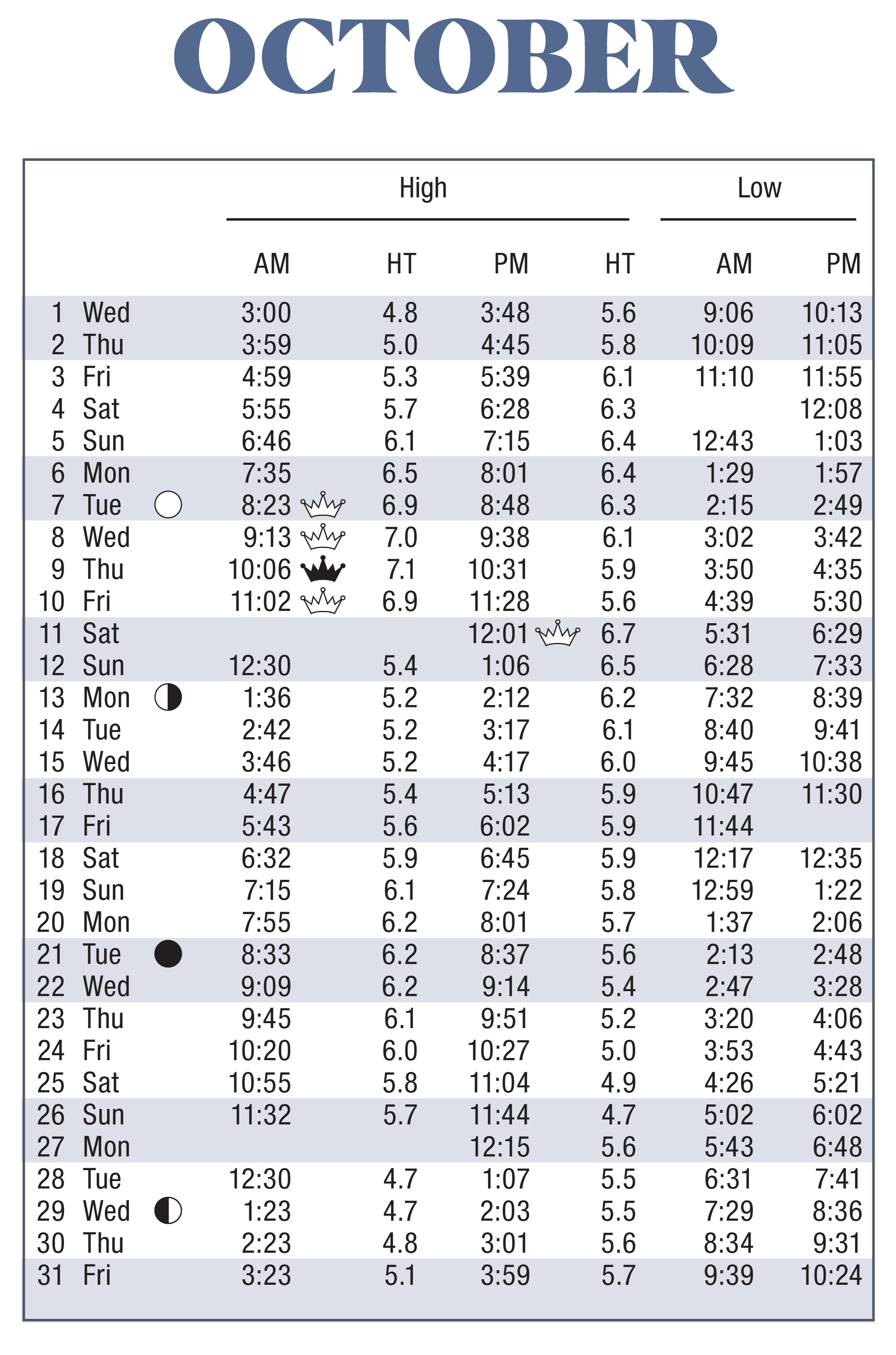
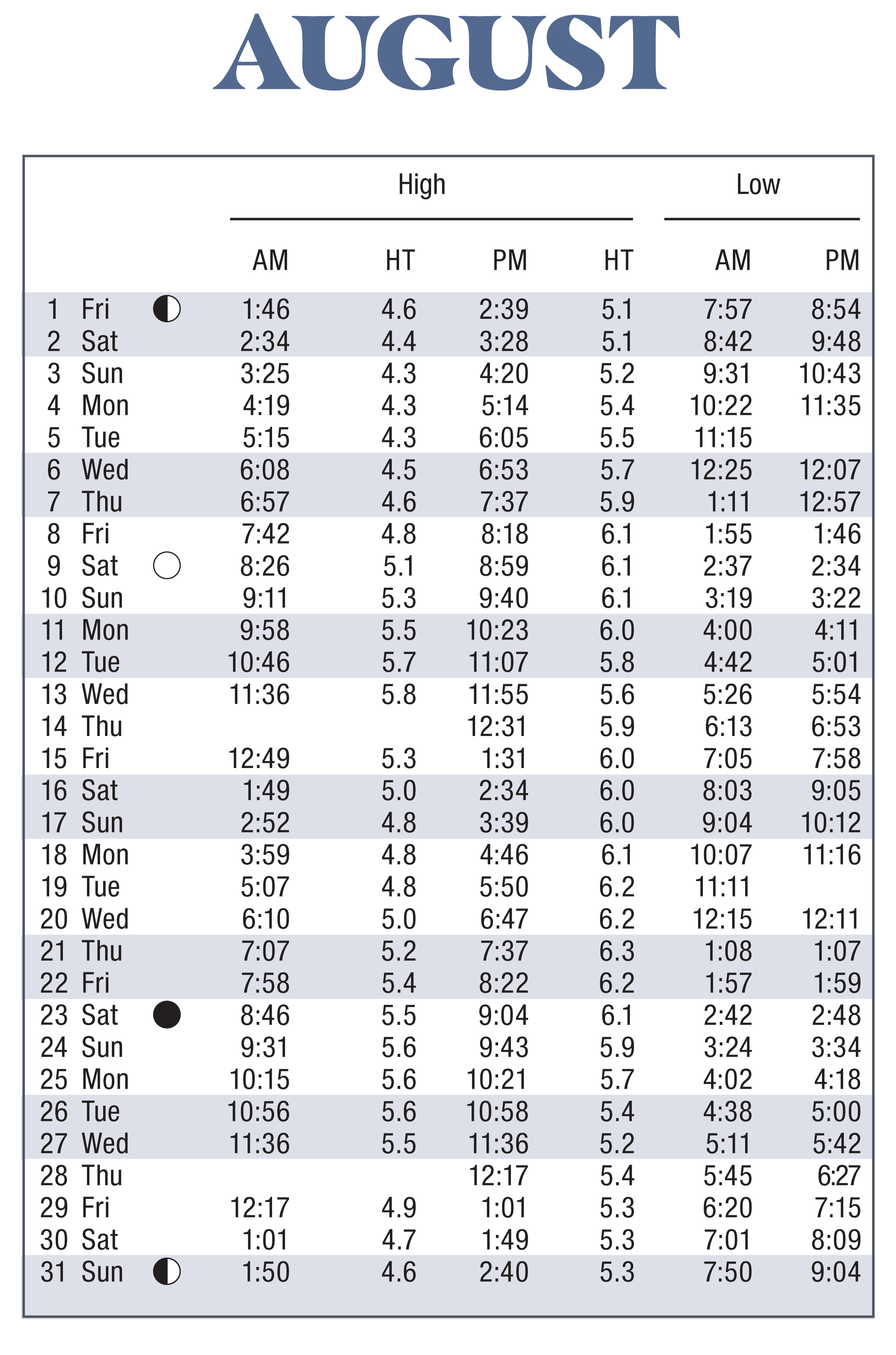
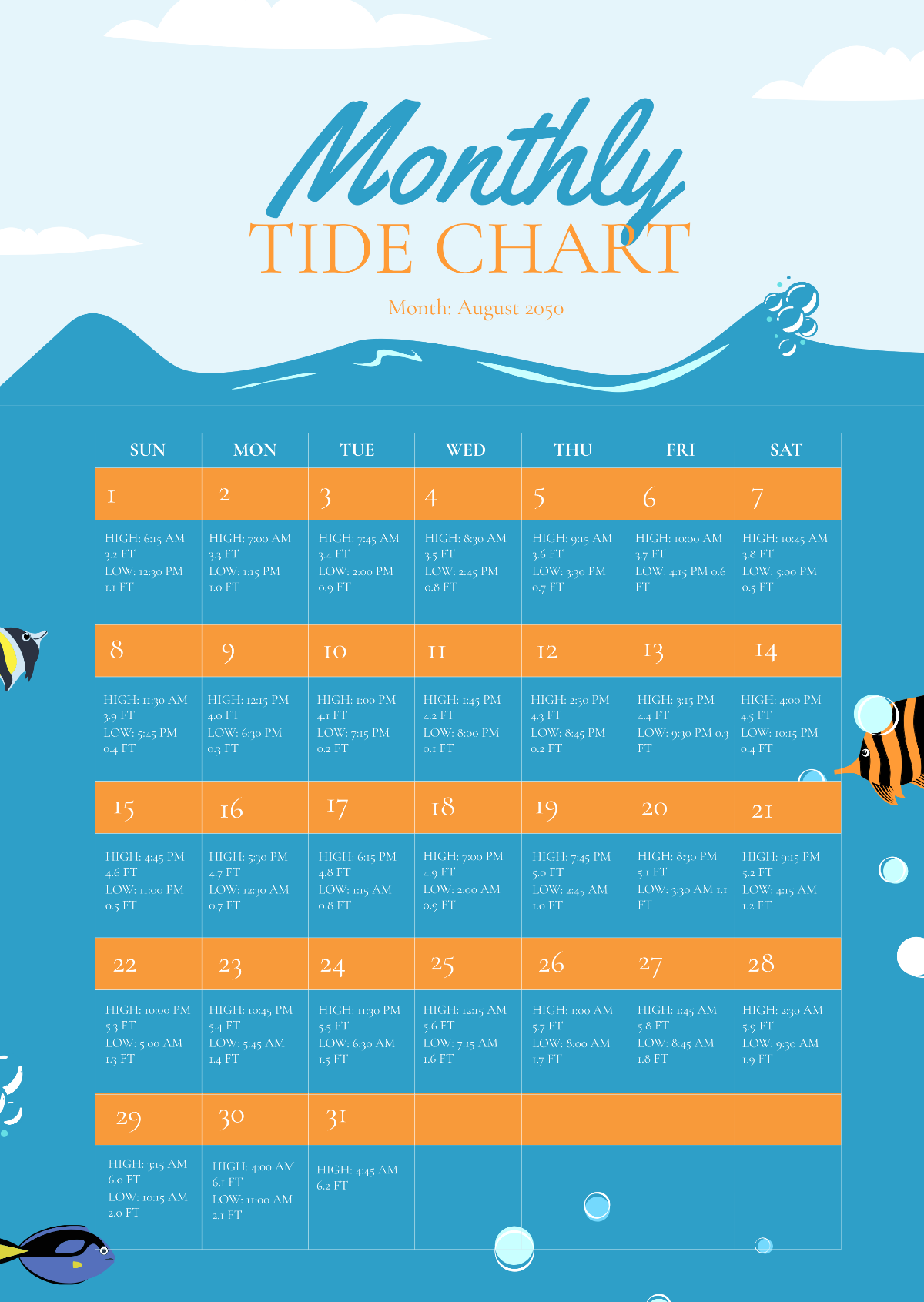
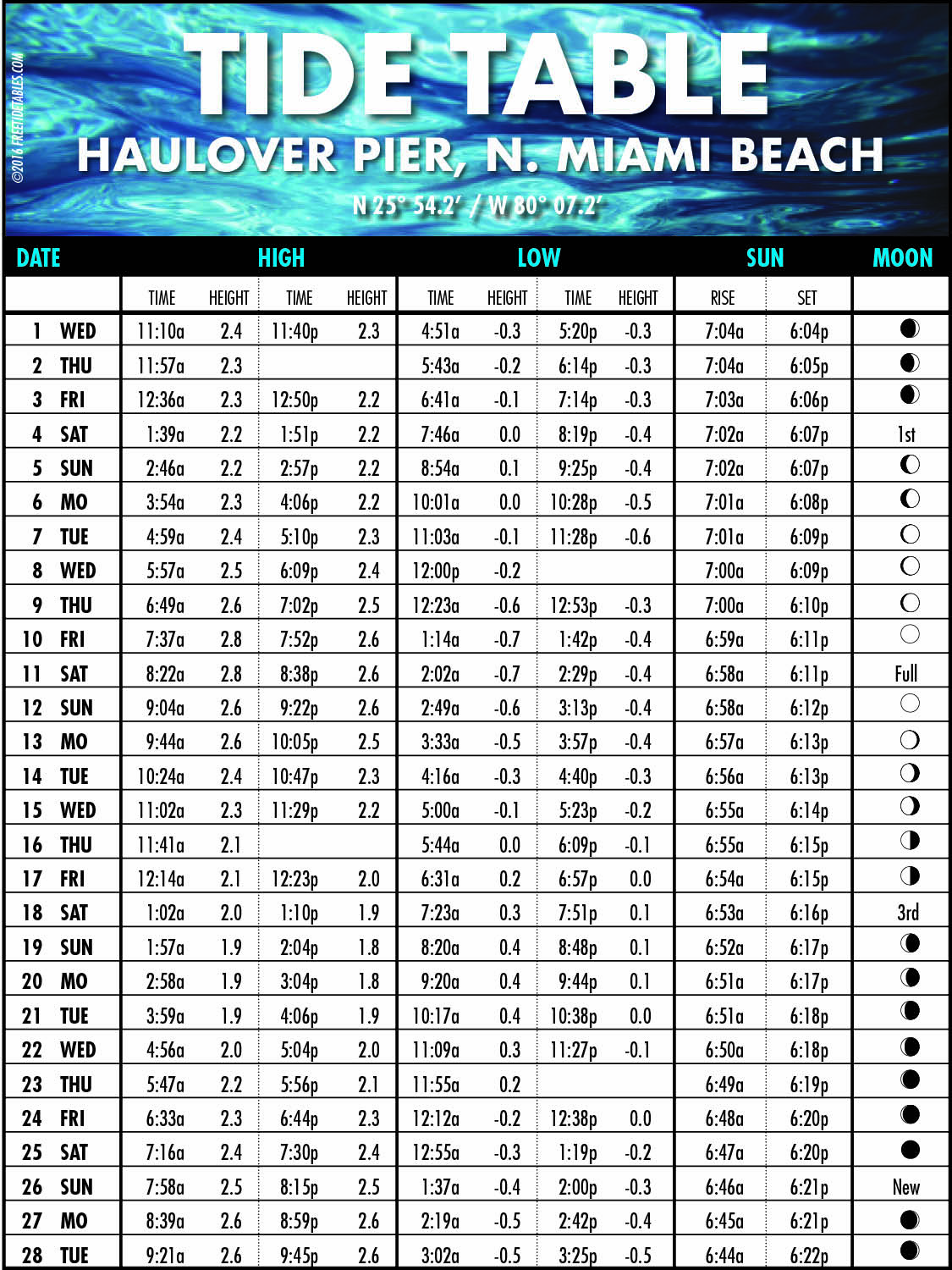
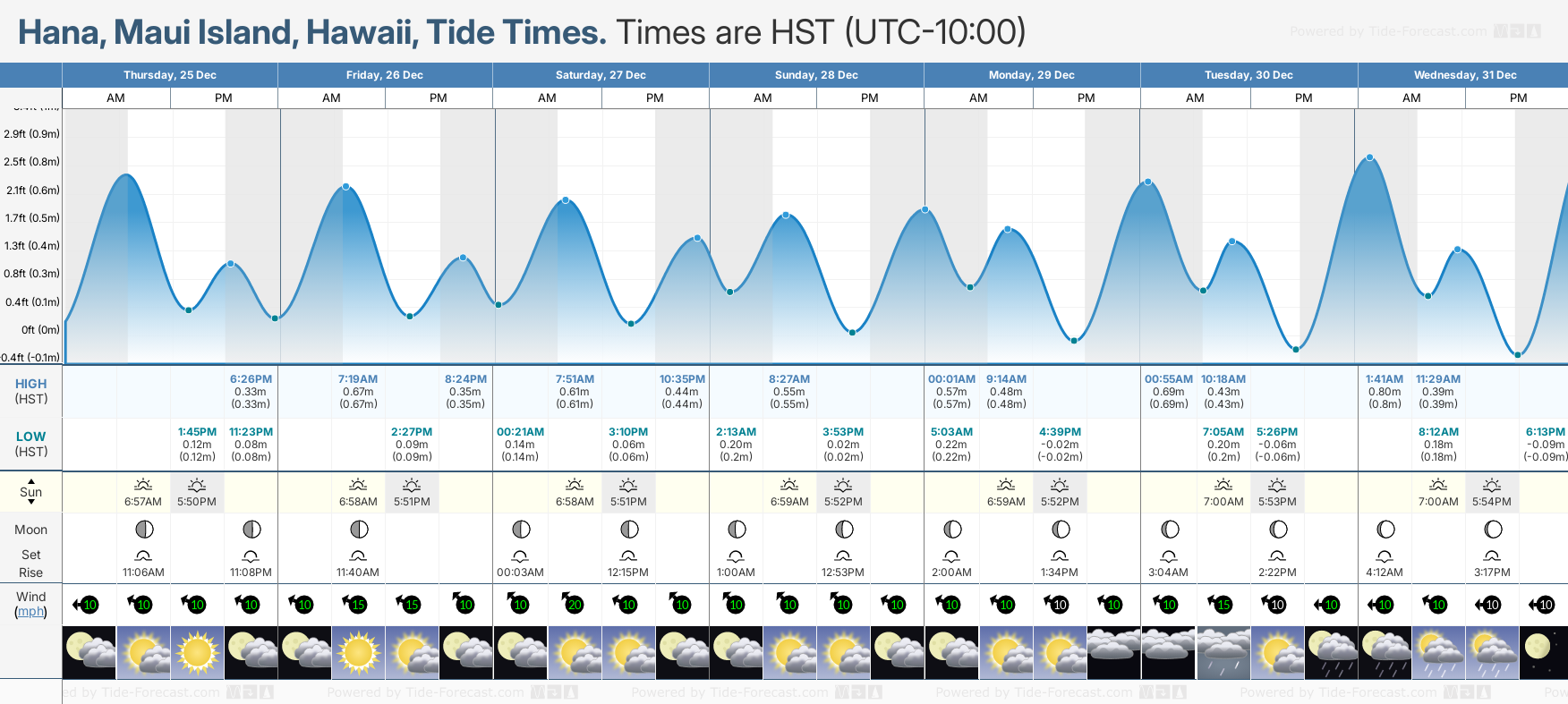
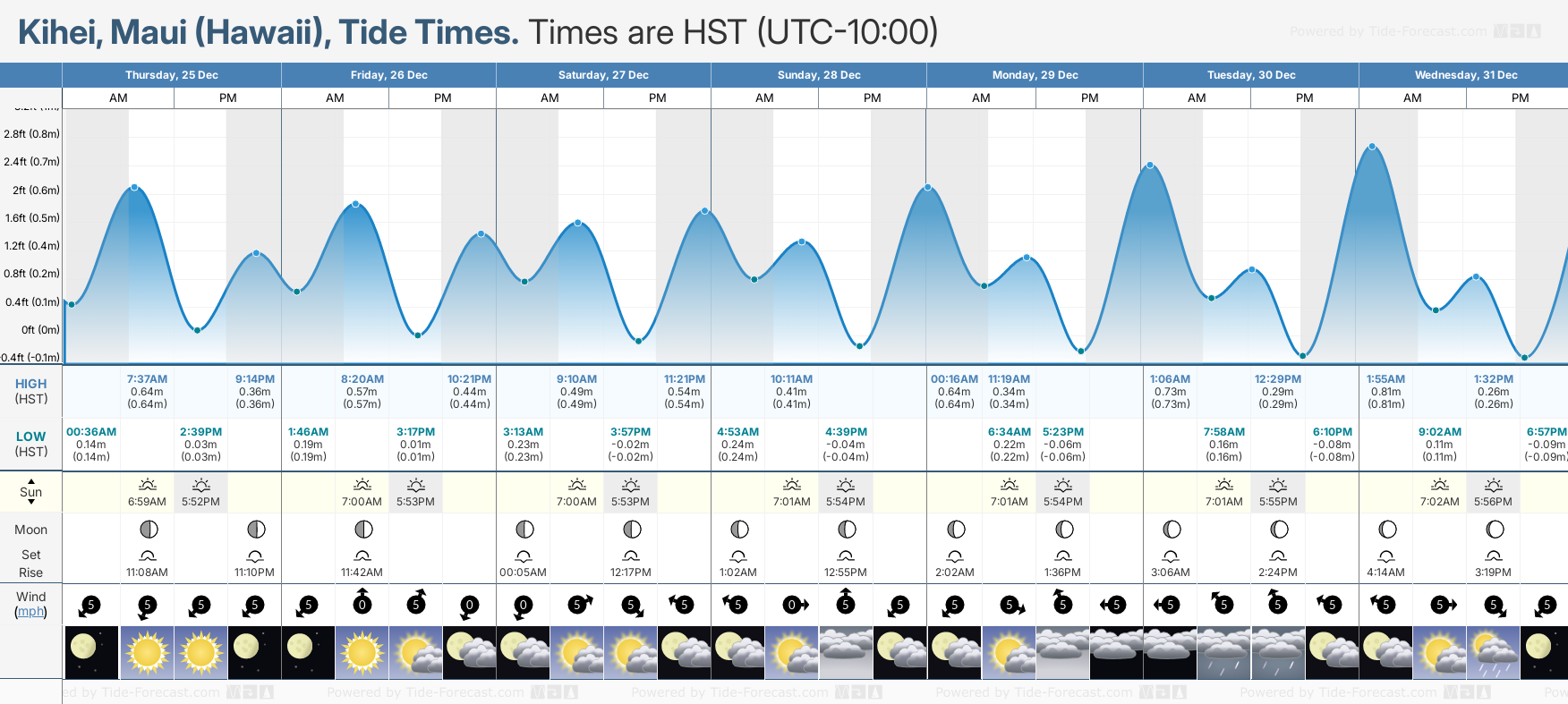
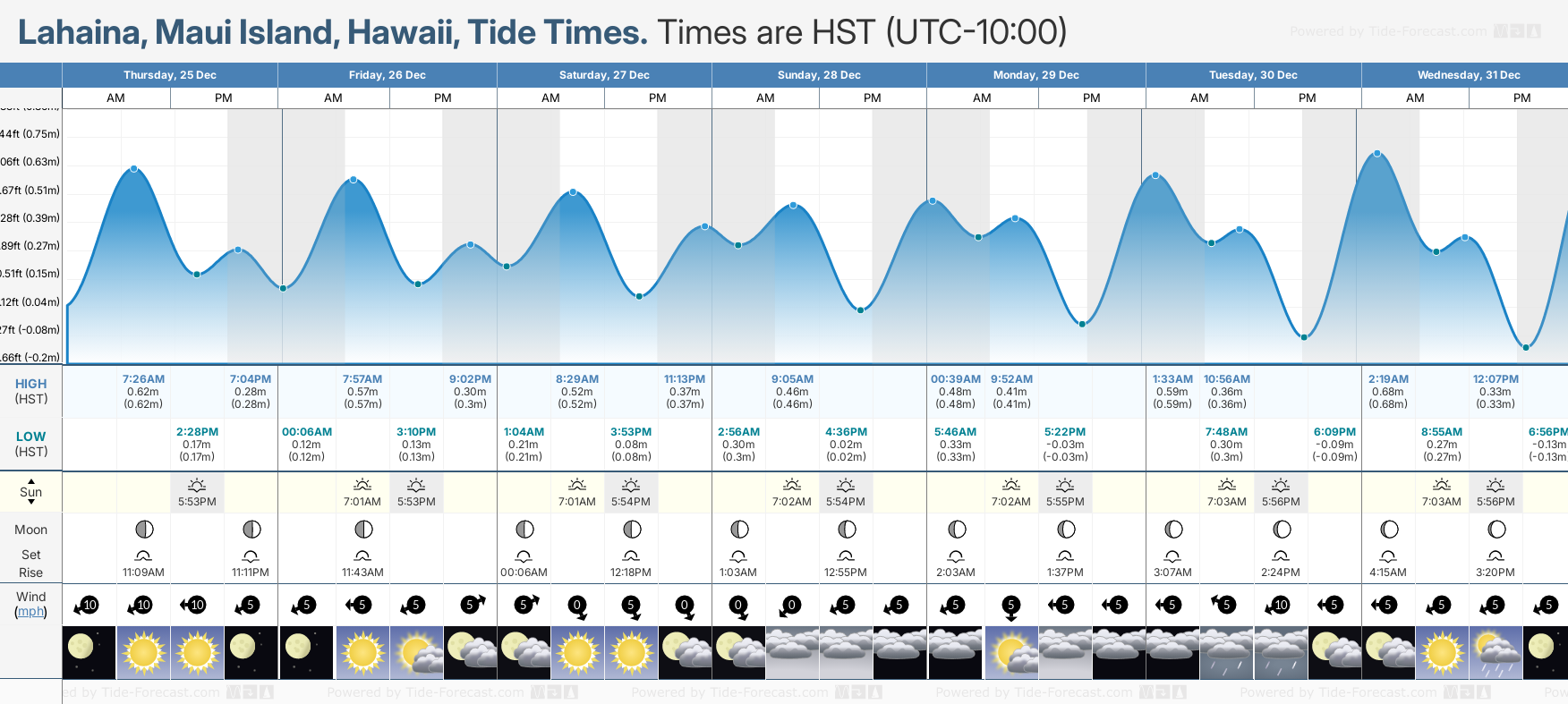
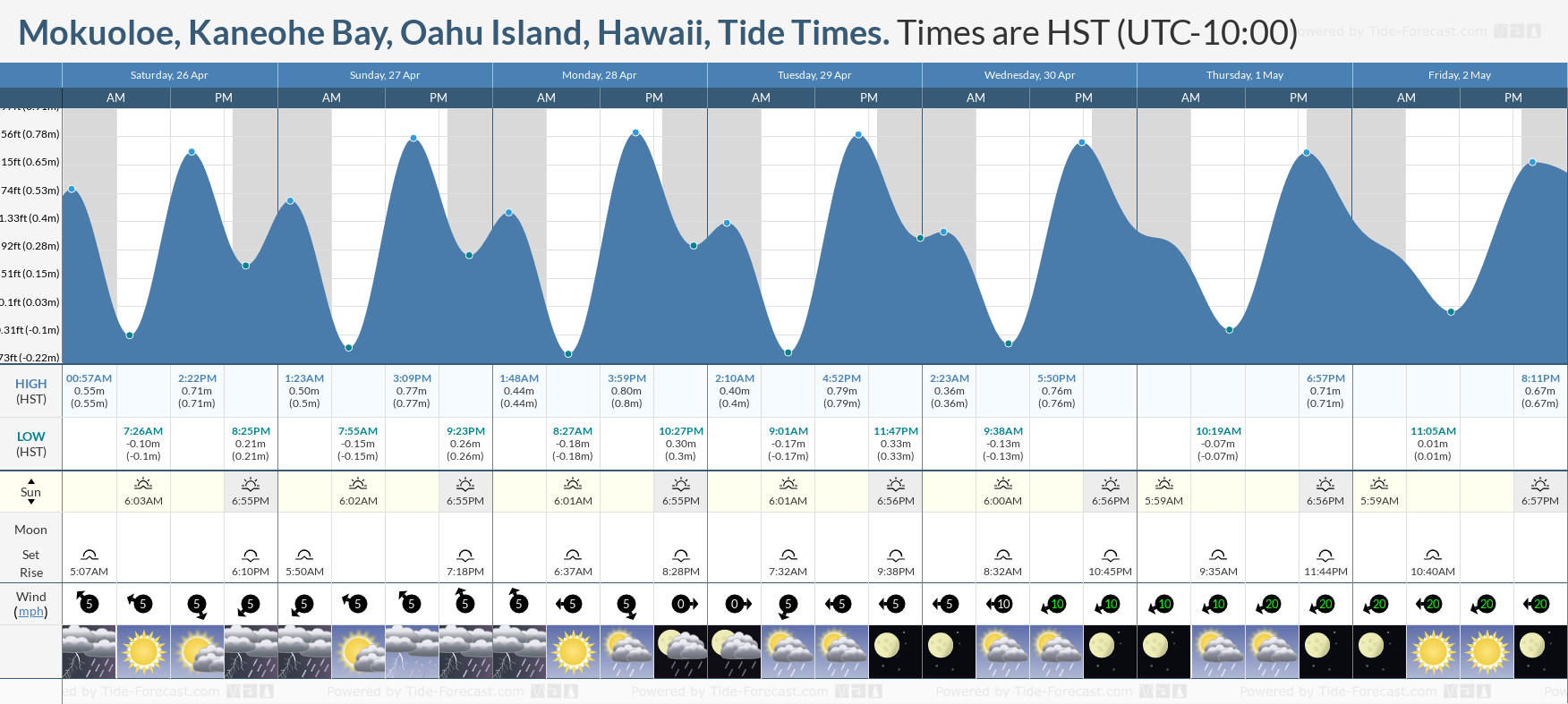
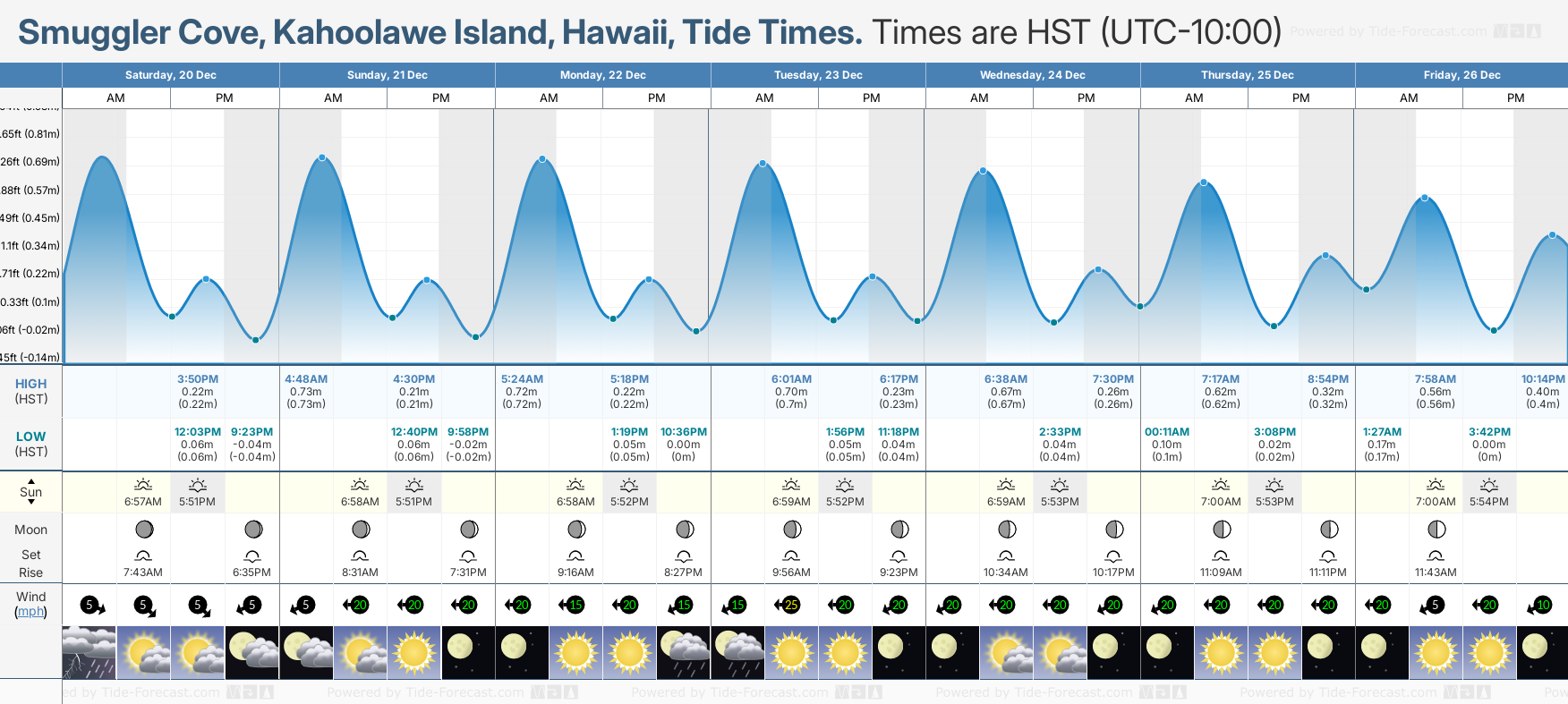
You've landed on this post because you're likely seeking a quick solution or some clarity on Maui's tide chart. It's a handy tool, a simple visual guide, that offers a snapshot of the ocean's tides and their timings. Whether you're planning a beach day, a fishing trip, or just need to know the tide heights, the Maui tide chart is your reliable companion. These charts can vary, offering different formats and details, but they all serve the same purpose: to provide an easy-to-read prediction of the ocean's tides.
Understanding Tide Patterns: A Guide to the Maui Tide Chart
The Maui tide chart is your go-to tool for predicting and understanding the ocean's movements around the Hawaiian island. It's like a secret code that reveals the rhythm of the tides, helping you plan your beach days, surfing adventures, or even fishing trips with precision.
Reading the Chart: Formats and Standards
Maui tide charts typically display two key pieces of information: the tide height and the time. The height is often shown in feet (ft) or meters (m), depending on the chart's standard. For example, a height of 2.5 ft indicates a relatively low tide, while 6 ft suggests a high tide. The time is usually in 24-hour format, so 14:00 is 2 pm. Some charts may also include additional info like the moon phase, which can influence tide patterns.
Step-by-Step: Using the Tide Chart Accurately
To make the most of your Maui tide chart, follow these simple steps:
- Identify the date and time you're interested in.
- Locate the corresponding time on the chart.
- Read the tide height for that time.
- Consider any additional info, like the moon phase, to get a fuller picture.
- Plan your activities accordingly!
For instance, if you're a surfer, you might prefer lower tides for certain breaks, while higher tides can create different wave conditions.
Common Misreadings and How to Avoid Them
It's easy to misinterpret a tide chart if you're not familiar with it. Here are some common mistakes and how to avoid them:
- Confusing tide height with water depth. Remember, the tide height is the vertical distance between the water's surface and a reference point, not the depth of the water.
- Assuming all charts are the same. Different charts may use different standards or units, so always check the labels and scales.
- Forgetting to account for time zones. If you're using a chart from a different region, ensure you convert the time to your local zone.
Key Factors Affecting Tide Variations
Several factors can cause variations in tide patterns, and understanding these can help you interpret your Maui tide chart more accurately:
- Ocean tides in Maui are influenced by the gravitational pull of the moon and sun.
- Local geography, such as bays, inlets, and reefs, can amplify or dampen tides.
- Weather conditions, especially strong winds, can affect water levels.
- Seasonal changes can lead to variations in tide heights and times.
- Human activities, like damming or dredging, can impact natural tide patterns.
By considering these factors and referring to your Maui tide chart, you'll be well-equipped to plan your activities around the island's dynamic tides.
Hey there, we hope you found this guide helpful and that it serves as a handy reference for your Maui adventures. Remember, the exact details of tide charts can vary slightly, so it's always a good idea to double-check and stay informed.
We've got more practical guides like this one, so feel free to explore and bookmark our site for future use. It's a great way to ensure you're prepared and can make the most of your time by the sea. Happy exploring!
Related: Find Your Perfect Club Length: A Simple Guide
A club length chart is a valuable tool for golfers, offering a simple yet effective way to navigate the world of golf club sizing. This guide aims to demystify the process, ensuring you can quickly and confidently understand and utilize these charts.
The charts provide a standardized reference for golf club lengths, typically covering various club types like drivers, irons, and more. While values may vary slightly depending on factors such as brand and region, these charts offer a reliable starting point for custom club fitting, ensuring an accurate and personalized golf experience.
Understanding the Club Length Chart
A club length chart is an essential tool for golfers and club fitters, providing a standardized reference for determining the optimal length of golf clubs. This chart ensures consistency and helps golfers find the right fit for their game.
Standard Measurements Explained
The club length chart typically displays a range of club lengths, usually in inches, for various types of clubs. It covers all the essential clubs, including drivers, fairway woods, hybrids, irons, and wedges. The chart provides a quick reference for golfers to identify the standard length of each club based on their height and playing style.
How to Read and Apply the Chart
To use the club length chart, follow these steps:
Identify your height. This is a critical factor in determining the right club length.
Refer to the chart and locate your height range. Most charts provide a height range with a recommended club length.
Consider your playing style and preferences. The chart offers a standard length, but you can adjust based on your comfort and swing.
Measure your existing clubs. If you already have a set, measure the length and compare it to the chart. This helps ensure consistency and allows for easy adjustments.
Make informed decisions. The chart provides a starting point, but custom club fitting can further refine the length to suit your unique swing and performance goals.
Common Adjustments and Variations
While the club length chart offers a standardized guide, several factors can influence the ideal club length:
Height and physical attributes: Taller golfers often require longer clubs, while shorter players may need shorter ones.
Swing speed and tempo: A faster swing may benefit from slightly longer clubs, while a slower swing might perform better with shorter ones.
Playing conditions: Different course conditions can impact club selection and length. For example, longer clubs might be preferred for windy conditions.
Personal preference: Ultimately, the golfer's comfort and confidence with the club's length are crucial.
Remember, while the club length chart provides a solid foundation, it's essential to consider individual factors and seek professional advice for a precise custom fitting.
As you navigate the world of club lengths, remember that precision is key. While this chart provides a solid foundation, it's essential to cross-reference with your specific requirements. Exact values can vary, so a quick double-check ensures you're on the right track.
Consider bookmarking this page for future reference; it's a handy tool to have at your fingertips when you need a quick reminder. Stay organized, and happy measuring!
Related: What is a bolt sizes chart and how to use it?
A bolt sizes chart is a handy tool for anyone seeking precise information about bolt dimensions. This guide aims to provide a clear overview, offering a quick reference for those who need to interpret and utilize such charts effectively.
The chart presents a visual representation of bolt sizes, typically including details like length, diameter, and thread pitch. While the values may vary depending on the standard or region, this guide will help you navigate and understand the key measurements, ensuring you can make accurate comparisons and selections.
Understanding the Bolt Sizes Chart
The bolt sizes chart is a comprehensive guide that provides a standardized overview of various bolt dimensions. It offers a quick reference for engineers, builders, and DIY enthusiasts to select the right bolt for their projects. This chart simplifies the process of identifying and specifying bolts, ensuring accurate and compatible fastening solutions.
Key Details and Units
The chart typically includes columns for bolt diameter, length, thread pitch, and sometimes head style. Diameter is measured across the threads, while length refers to the overall length of the bolt, excluding the head. Thread pitch represents the distance between threads and is crucial for compatibility with nuts and threaded holes. The units used in the chart depend on the standard followed, such as inches or millimeters.
Reading Bolt Specs: A Step-by-Step Guide
To use the bolt sizes chart, follow these steps:
- Identify the required bolt diameter. This is often determined by the size of the hole or the object being fastened.
- Determine the necessary bolt length. Consider the thickness of the materials being joined and any additional space needed for the nut.
- Select the appropriate thread pitch. This ensures compatibility with existing threads or the intended application.
- Cross-reference the chosen diameter, length, and thread pitch on the chart to find the corresponding bolt size.
- Verify the head style if needed. Some charts include this information, offering a complete specification.
Variations and Differences
While the bolt sizes chart provides a standardized reference, variations exist due to different standards and contexts. For instance, metric and imperial systems have distinct units and measurements. Additionally, specific industries or applications may require non-standard bolt sizes or unique head styles. It's essential to consult the relevant standard or specification for your project to ensure accuracy.
Common Mistakes and How to Avoid Them
- Failing to consider the thread pitch can lead to incompatible connections. Always check the thread pitch, especially when working with existing threads.
- Neglecting to account for head style may result in poor fit or functionality. Some bolts have unique head designs for specific purposes.
- Relying solely on the chart without considering the project's specific requirements can lead to oversights. Always double-check the exact specifications and tolerances for your application.
- Not verifying the standard being followed can cause confusion. Ensure you are using the correct chart for your region or industry.
Remember, while the bolt sizes chart is a valuable tool, it is essential to cross-reference and verify the information with the relevant standards and specifications for your project.
While the information provided in this guide offers a solid foundation, it's important to remember that bolt sizes and standards can vary slightly between different industries and applications. Exact values may differ based on the specific context and source you're working with.
Feel free to explore our other guides for more detailed insights and practical tips. We've got a range of resources to help you navigate various aspects of construction and engineering, so take a look and find what works best for your projects!