


Flange Size Chart Letter Size Overview
A common misconception about the horse colors chart is that it's solely for identifying a horse's color; however, it serves a more nuanced purpose. This chart is an essential tool, offering a comprehensive guide to understanding and categorizing equine coat colors and patterns. It provides a structured way to navigate the diverse world of horse colors, ensuring accuracy and consistency.
Horse Colors Chart: A Guide to Equine Coat Colors
The horse colors chart is a valuable tool for anyone interested in understanding and identifying the diverse range of coat colors found in horses. This reference guide provides a comprehensive overview of the various colors and patterns, helping you accurately describe and categorize equine coats.
Key Color Categories and Terminology
The chart organizes horse coat colors into several main categories, each with its own unique characteristics. These categories include:
- Base Colors: The foundation colors, such as bay, black, and chestnut, form the basis of many other variations.
- Dilute Colors: When a dilution gene is present, it modifies the base color, resulting in shades like palomino, buckskin, and cremello.
- Patterned Coats: These include distinctive patterns like pinto, which features large patches of white, and appaloosa, known for its unique spotted patterns.
- Markings and White Patterns: Separate from coat colors, these include facial markings like stars and blazes, as well as white leg markings.
Practical Color Identification: Step-by-Step
To use the horse colors chart effectively:
- Start by identifying the base color. Is it bay, black, or chestnut? This forms the foundation.
- Look for any dilution effects. Does the horse's coat appear lighter than the base color? This could indicate the presence of a dilution gene.
- Note any distinctive patterns. Are there large white patches, indicating a pinto, or unique spots, suggesting an appaloosa?
- Observe and record any facial or leg markings. These add further detail to your color description.
- Combine these observations to determine the horse's overall coat color and pattern.
Variations and Differences Across Standards
It's important to note that horse colors chart standards may vary slightly between different regions and organizations. While the basic categories remain consistent, specific definitions and terminology can differ. For example, some charts may include more detailed subcategories for certain colors or patterns. Always refer to the specific standard or association for precise definitions.
Common Mistakes and How to Avoid Them
- Misinterpreting Dilution: Mistaking a dilute color for a base color is common. Always look for signs of dilution, such as lighter eyes or a lighter mane and tail.
- Confusing Patterns: Pinto and appaloosa patterns can be similar at first glance. Take time to observe the size, shape, and distribution of white or spotted areas.
- Neglecting Markings: Facial and leg markings are unique identifiers. Don't overlook these when describing a horse's color.
- Relying on One Reference: While the horse colors chart is a great tool, it's beneficial to cross-reference with other resources or experts to ensure accuracy.
Tips for Accurate Color Description
- Lighting and Time of Day: Observe the horse's coat in various lighting conditions and times of day. Some colors may appear different under different lighting.
- Distance and Angle: View the horse from different angles and distances to get a comprehensive understanding of its coat.
- Compare and Contrast: Use reference images or consult with experienced horse owners or breeders to compare and confirm your observations.
- Document and Record: Keep a record of the horse's color and markings, especially if you're working with multiple horses. This helps with accurate identification and description.
By following these steps and tips, you can accurately utilize the horse colors chart and enhance your understanding of equine coat colors.
Remember, while this chart serves as a fantastic reference, it's always wise to cross-reference with other resources or experts in your field to ensure you're up-to-date with the latest standards and practices.
Take a moment to review the specific requirements of your project or context. Every situation is unique, and while this guide provides a solid foundation, it's important to tailor your approach accordingly. Consider bookmarking this page for future reference; it might just save you some time and effort down the line!
Related: How to Find Your Glove Size Chart?
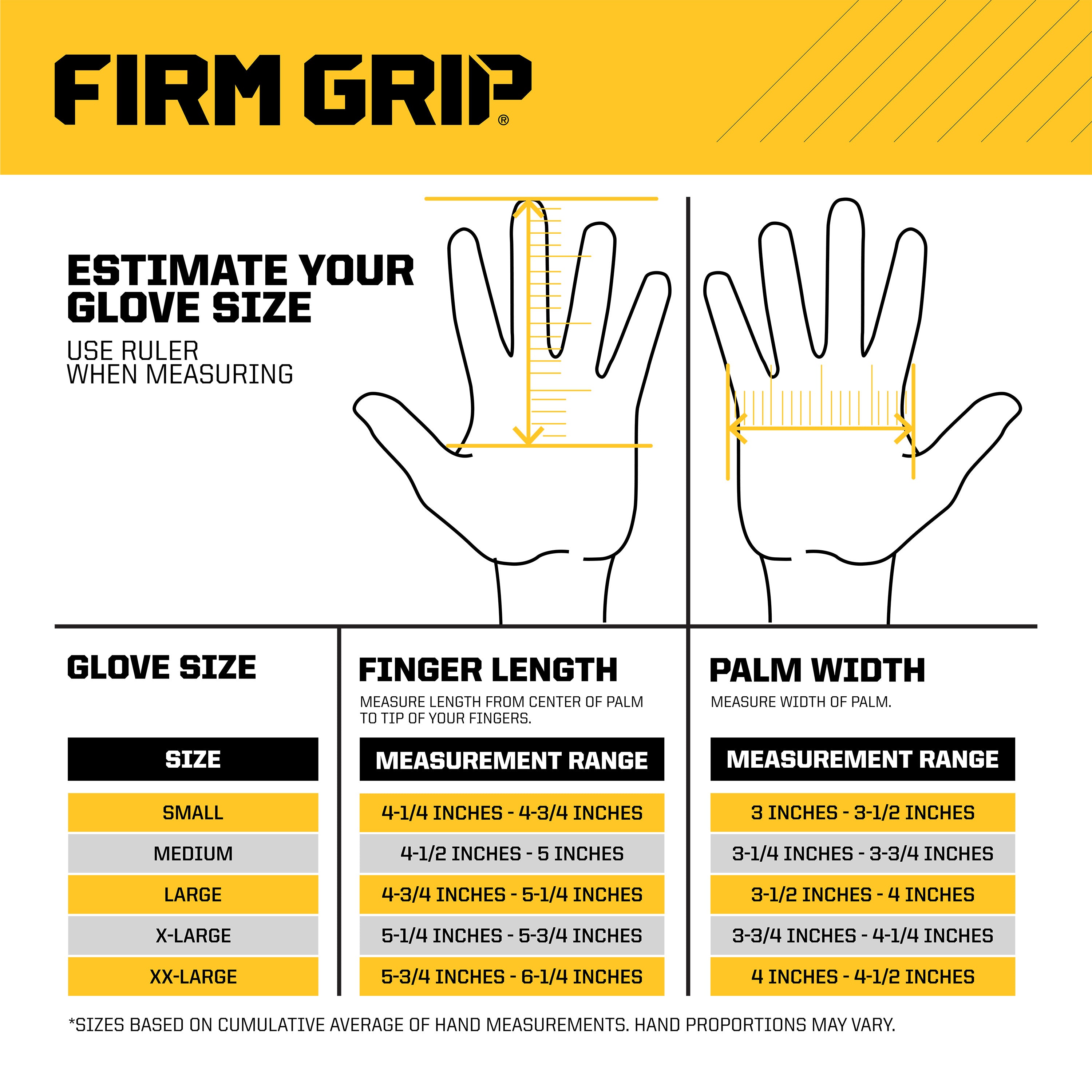
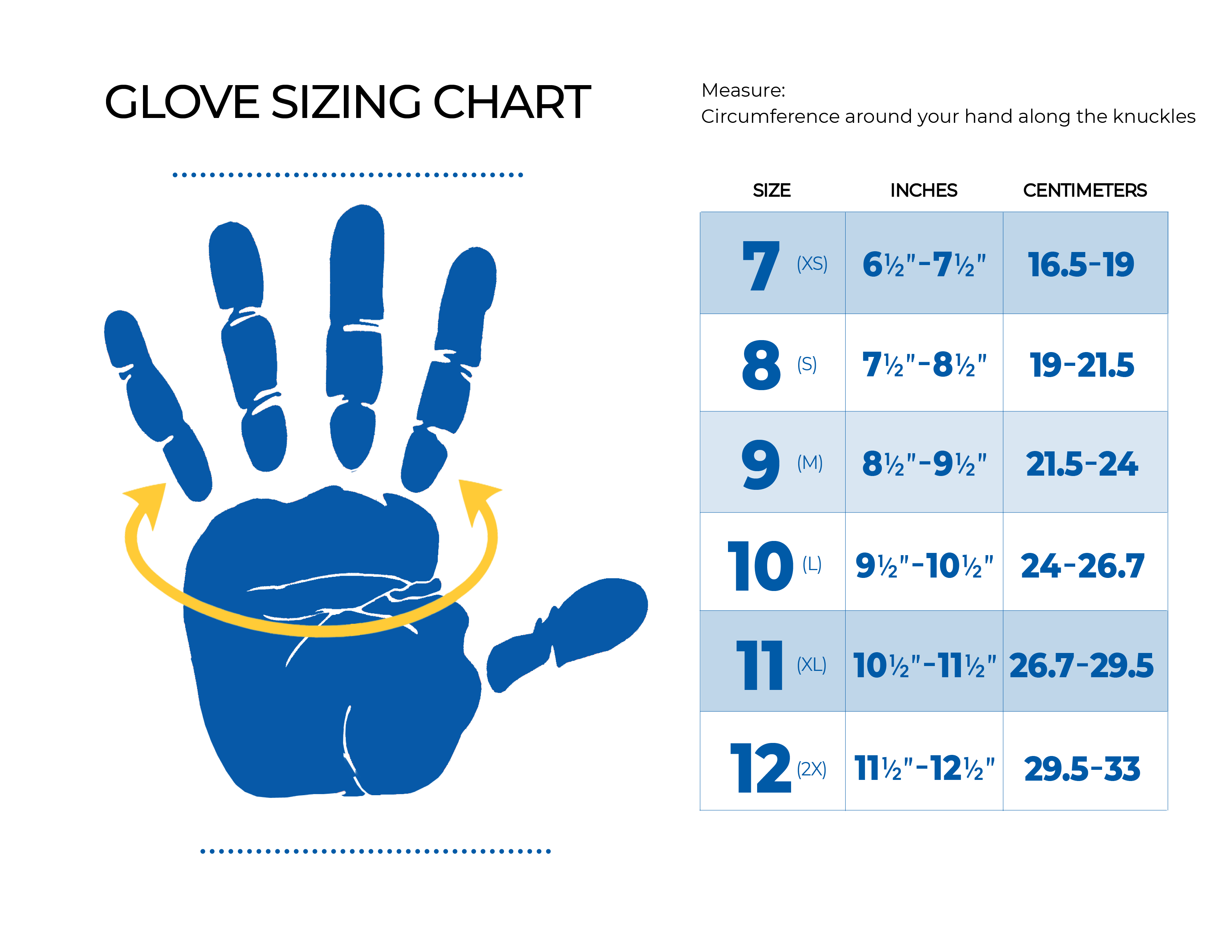
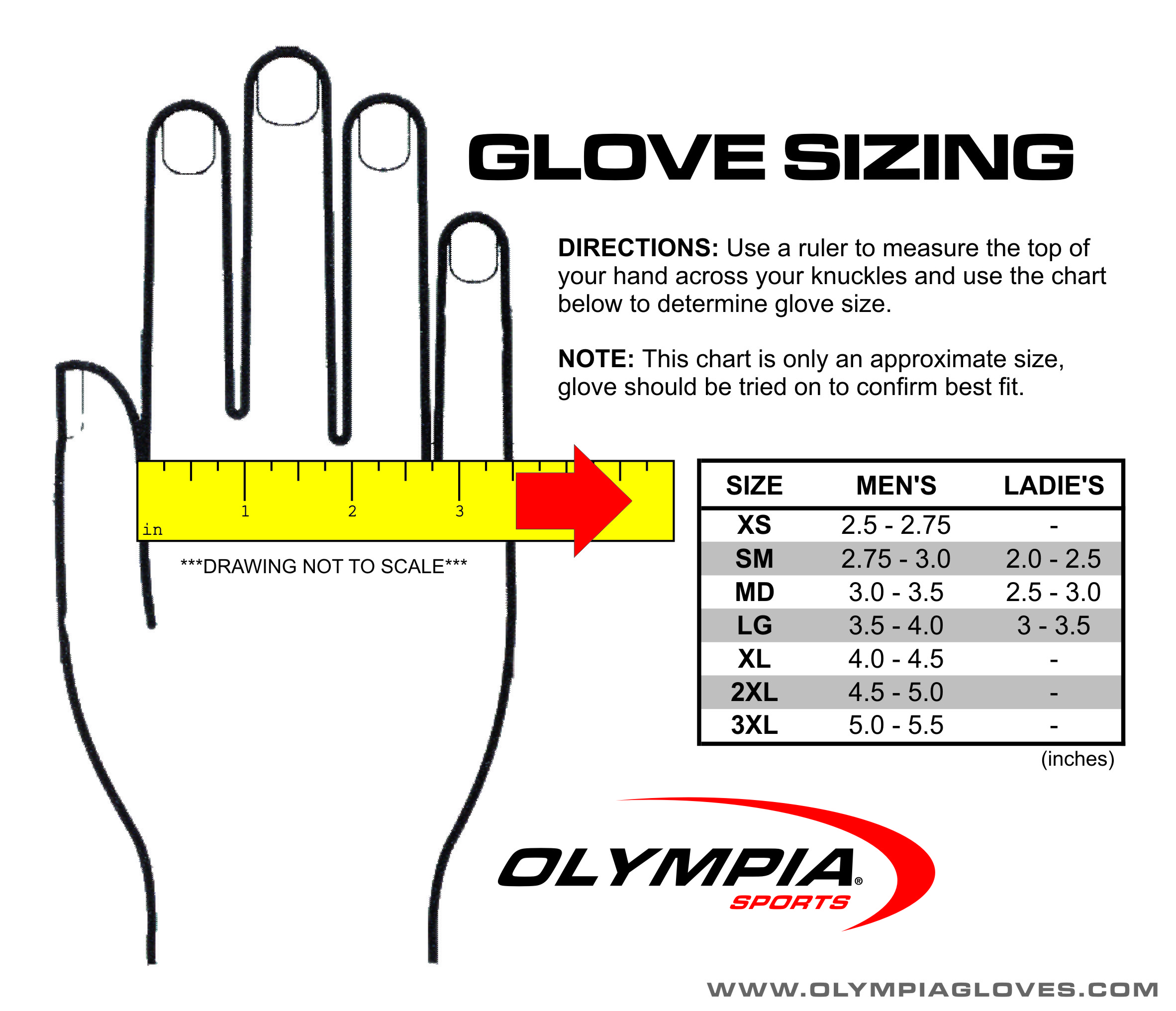
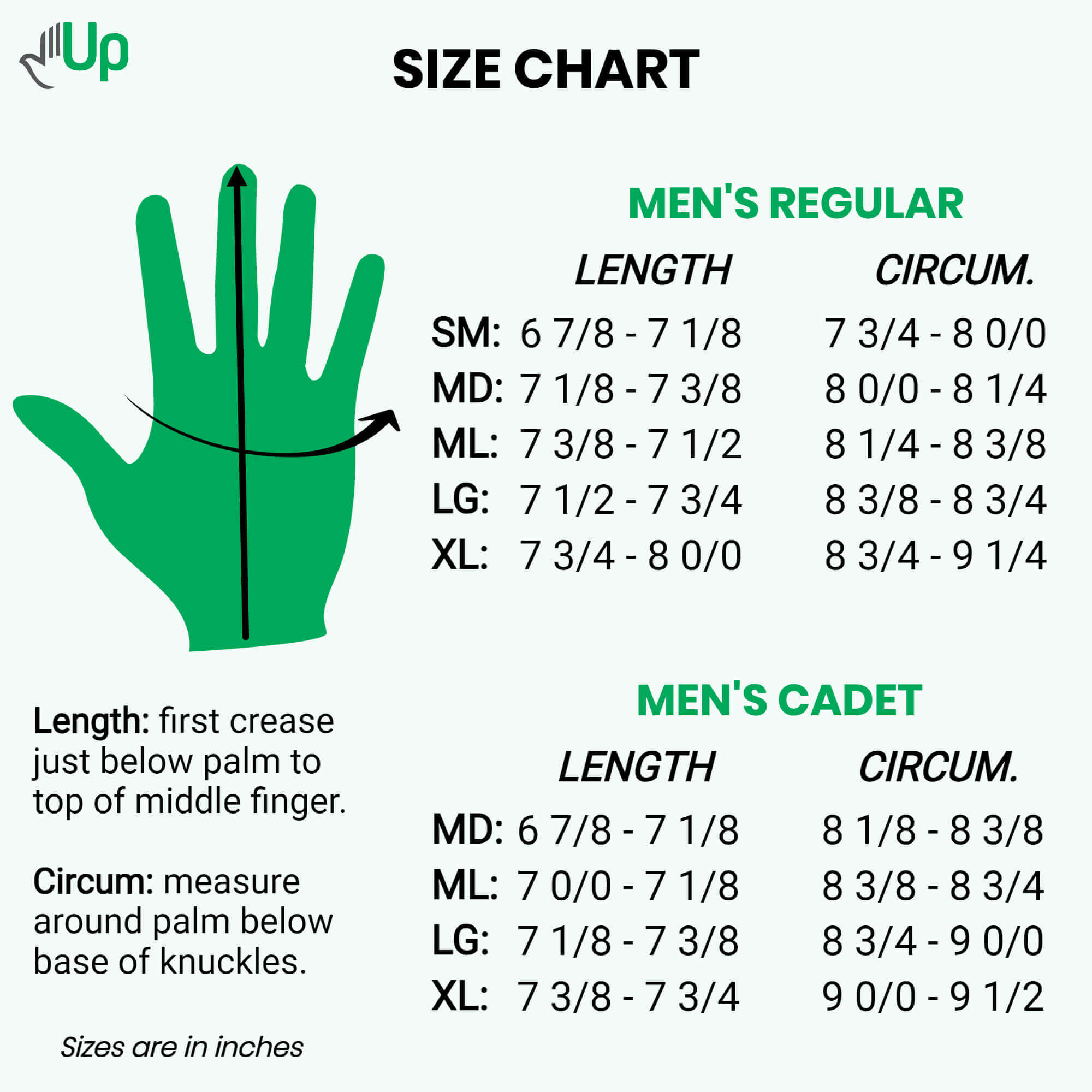
A glove size chart is a handy tool to ensure you get the perfect fit for your hands. This guide will show you how to navigate these charts and find your ideal glove size with ease.
Glove sizing can vary depending on the type and purpose of the glove, so having a reliable chart is key. It's a simple process to measure your hand and find your size, and we'll cover the steps to ensure you get it right. With a glove size chart, you'll be able to choose the right gloves for any task, from gardening to safety gear.
Glove Size Chart: A Quick Overview
A glove size chart is your handy guide to finding the perfect fit for your hands. It's a simple yet effective tool that ensures your gloves are neither too loose nor too tight, offering comfort and functionality. This chart typically includes measurements for hand length and width, helping you choose the right size for various glove types.
Comparing Standards and Formats
Glove size charts can vary depending on the standard used. Common standards include the US sizing system and the international glove size standards. These standards provide different measurement categories and ranges. For instance, the US system often uses letter sizes like S, M, L, while international standards may employ numerical sizes with more precise measurements. It's essential to know which standard your chart follows to ensure accurate sizing.
Step-by-Step Guide to Using the Chart
Using a glove size chart is straightforward. First, measure your hand length from the tip of your middle finger to the base of your palm. Then, measure your hand width across your palm at its widest point. These measurements will guide you to the right size on the chart. For instance, if your hand length is 7.5 inches and your hand width is 3.5 inches, you'd likely need a medium-sized glove according to the US standard. Always refer to the chart's legend or key to understand the measurements and categories.
- Measure your hand length and width accurately.
- Locate these measurements on the chart.
- Identify the corresponding glove size.
- Cross-check with the glove's product description or packaging for any specific sizing details or recommendations.
- Try on the gloves to ensure a comfortable fit.
Common Misreadings and Pitfalls
Misreading a glove size chart can lead to an inaccurate fit. One common mistake is assuming all glove types follow the same sizing standards. For example, safety gloves might have different measurements than regular gloves. Always check the chart's specific use case or purpose. Another pitfall is neglecting to measure both hand length and width. Both measurements are crucial for an accurate fit. Lastly, remember that hand shapes can vary, so a size that fits one hand perfectly might not fit the other.
Factors Affecting Accuracy
Several factors can influence the accuracy of a glove size chart. Here are some key considerations:
- Hand Shape: Hands come in various shapes, and some gloves might fit certain shapes better than others.
- Material Stretch: The material of the glove can affect its stretch and fit. For instance, leather gloves might have less give than fabric gloves.
- Safety Features: Gloves with extra padding or safety features might have a different fit compared to standard gloves.
- Personal Preferences: Some people prefer a tighter or looser fit, so personal preference plays a role in sizing.
- Manufacturing Tolerances: Gloves from different manufacturers might have slight variations in sizing, so always check the brand's specific measurements.
Always refer to the glove sizing guide provided by the manufacturer for the most accurate fit.
So, there you have it, a handy guide to glove sizing. Remember, it's always a good idea to double-check your specific needs and consider any unique factors that might impact your glove choice.
We've covered a lot of ground, but there's always more to explore. If you found this helpful, why not check out some of our other practical guides? We've got a range of topics to keep you informed and ensure you're always making the right choices. Happy reading!
Related: What's the Right Pillow Size for You?
Many people assume that pillow sizes are a one-size-fits-all affair, but that's not the case! A pillow size chart is your go-to resource for understanding the diverse world of pillow dimensions. It's a simple yet powerful tool, offering a quick glance at the various sizes and their intended uses. From standard pillow dimensions to specialty sizes, this chart ensures you find the perfect fit for your needs.
Pillow Size Chart: A Quick Overview
A pillow size chart is a handy reference tool that provides a clear and visual guide to the various dimensions of pillows. It's like a map to help you navigate the world of pillow sizes, ensuring you get the right fit for your needs. This chart is a valuable resource for anyone looking to buy new pillows or pillowcases, as it offers a quick and easy way to understand the standard sizes available.
Comparing Standard and Custom Sizes
The beauty of a pillow size chart is that it presents both standard and custom sizes in a simple format. Standard sizes are the most common and widely used, and they often follow specific measurements and categories. These sizes are consistent across many brands and manufacturers, making it easy to find matching pillowcases or covers. On the other hand, custom sizes offer more flexibility and can accommodate unique preferences or specific requirements. Custom sizes might be necessary for specialty pillows, such as those designed for travel or medical purposes.
Step-by-Step Guide to Using the Chart
Using a pillow size chart is straightforward and can save you time and effort when shopping for pillows. Here's a simple process:
- Identify the Type: First, determine the type of pillow you need. Common types include standard, queen, king, and travel-sized pillows.
- Locate the Size: Find the corresponding size on the chart. The chart typically displays width and length measurements for each size.
- Check the Dimensions: Compare the chart's dimensions with the pillow or pillowcase you need. Ensure you match the width and length accurately.
- Consider Depth: Some charts also provide depth measurements, which is especially useful for pillows with varying thicknesses.
- Choose Your Size: Once you've found the size that matches your needs, you're ready to make an informed purchase.
Avoiding Common Misreadings
While a pillow size chart is user-friendly, it's essential to avoid a few common pitfalls:
- Unit Confusion: Always check the units of measurement. Some charts use inches, while others might use centimeters. Ensure you're comparing like with like.
- Rounding Errors: Charts often provide rounded measurements for simplicity. Be aware that actual products might have slight variations, so always check the exact specifications if precision is critical.
- Size Labels: Pay attention to size labels. For example, a "standard" size might not always be the same across different charts or regions.
Factors Affecting Accuracy
Several key factors can influence the accuracy of a pillow size chart and its real-world application:
- Regional Differences: Pillow sizes can vary between regions and countries. For instance, a "king" size in the US might differ from a "king" in Europe.
- Manufacturer Variations: Even within a region, manufacturers might have slight variations in their standard sizes. Always check the brand's specifications.
- Pillow Type: Different pillow types, like decorative or orthopedic pillows, might have unique size categories.
- Materials: The materials used can affect the overall size and shape of a pillow, especially over time as it ages and settles.
Choosing the Right Format for Your Needs
When it comes to pillow size charts, one size doesn't fit all. Here are some tips for choosing the right format:
- Standard vs. Custom: If you're looking for a quick and easy solution, a standard size chart is ideal. However, for specialized needs, a custom size chart might be more suitable.
- Online vs. Physical: Online charts are convenient, but having a physical chart or reference guide can be handy when shopping in-store.
- Visual Aids: Some charts use visual representations, like images or diagrams, to show size differences. These can be especially helpful for visual learners.
Keeping Your Reference Reliable
To ensure your pillow size chart remains a reliable reference, consider the following:
- Update Regularly: Pillow size standards can evolve over time. Periodically check for updated charts to ensure you have the latest information.
- Multiple Sources: Cross-reference charts from different sources to verify the accuracy of the measurements.
- Manufacturer Guides: Many pillow manufacturers provide their own size guides. Refer to these for specific product lines.
- Personal Notes: If you have unique pillow requirements, make a note of the sizes you need and keep them with your chart for easy reference.
So, there you have it! A handy pillow size chart can be a real game-changer for getting the perfect fit and comfort. But remember, it's always a good idea to double-check your specific needs and measurements to ensure you're getting the right size for your bed and sleeping style.
Feel free to explore our other guides and resources on similar topics. We've got plenty of practical tips and tricks to help you create a cozy and comfortable sleep space. Happy snoozing!