


Grammar Worksheets Modal Verbs Overview
You've landed on this page, so you're probably seeking a quick, reliable guide to skate steam charts. These charts are an essential tool for anyone working with steam systems, offering a clear and concise reference for steam pressure and its applications. It's a simple yet powerful resource, providing a snapshot of the key values and their uses. The beauty of skate steam charts is their versatility; they can vary depending on your specific needs and context, making them a handy, adaptable reference.
Understanding the Skate Steam Chart: A Quick Overview
The skate steam chart is a valuable tool for anyone working with steam-powered equipment, especially in the world of skating. It provides a visual representation of the relationship between steam pressure and the corresponding skate performance or behavior. This chart is your guide to understanding how steam pressure impacts your skating experience.
Comparing Steam Pressure Standards and Categories
When it comes to steam pressure, there are different units and standards to consider. The most common skate steam charts use pounds per square inch (psi) or bars as the pressure unit. These charts often cover a range of pressures, typically from 0 to 100 psi or 0 to 7 bars, which are the standard operating pressures for most skate steam applications.
How to Use the Skate Steam Chart: A Step-by-Step Guide
Identify the steam pressure you're working with. This could be the pressure your steam generator is producing or the pressure your equipment is designed to handle.
Locate the pressure value on the chart's horizontal axis. This axis typically represents steam pressure and is labeled with the unit of measurement (psi or bars).
Follow the vertical line corresponding to your identified pressure until it intersects with the chart's curve or line graph.
Read the value on the vertical axis, which represents the resulting skate performance or behavior. This could be skate speed, maneuverability, or any other relevant parameter.
Use this information to make informed decisions about your skate setup, maintenance, or adjustments.
Common Misreadings and How to Avoid Them
It's important to remember that skate steam charts are general guides and may not account for every unique skate or application. Here are some common misreadings and how to avoid them:
Overlooking Unit Conversion: Always ensure you're using the correct unit of measurement. If your equipment uses a different unit than the chart, convert the pressure value accordingly.
Assuming Universal Applicability: Skate steam charts provide general guidelines. Always refer to your skate's manual or manufacturer's specifications for exact pressure tolerances and performance characteristics.
Neglecting Environmental Factors: Steam pressure behavior can be influenced by temperature, altitude, and other environmental conditions. Consider these factors when interpreting the chart's data.
Factors Affecting Accuracy and Real-World Use
Several key factors can influence the accuracy of a skate steam chart and its real-world application:
Skate Type and Design: Different skate types and designs may respond uniquely to steam pressure. High-performance skates, for example, might have different pressure-performance curves than recreational models.
Steam Quality and Consistency: The quality and consistency of the steam your equipment produces can impact its performance. Ensure your steam generator is well-maintained and operating optimally.
Environmental Conditions: As mentioned, temperature, humidity, and altitude can affect steam behavior and, consequently, skate performance. Consider these factors when interpreting the chart.
Maintenance and Wear: Regular maintenance and timely replacement of worn-out parts can ensure your skate responds accurately to steam pressure as indicated by the chart.
By understanding these factors and using the skate steam chart as a practical guide, you can make informed decisions about your skate's performance and ensure a safe and enjoyable skating experience.
Well, there you have it! We've covered a lot of ground and hopefully, you now feel equipped to navigate the world of skate steam charts with ease. Remember, these charts are a fantastic tool, but it's always wise to double-check the specifics for your unique situation.
Don't forget to explore our other guides; we have a range of resources to help you master various topics. Happy reading, and keep rolling with those charts!
Related: Need a Hair Color Guide? Use Our Simple Chart
Many people approach hair colors charts with a bit of trepidation, assuming they are complex and confusing. But fear not! These charts are your friends and can be incredibly useful tools.
They provide a simple, visual way to understand and choose hair colors. While the specific values and formats may vary, the hair colors chart remains a reliable guide, offering a clear path to achieving your desired hair color. Think of it as a map, leading you to your perfect shade, with the color wheel and hair color levels acting as your compass.
Hair Colors Chart: A Visual Guide to Hair Dye Shades
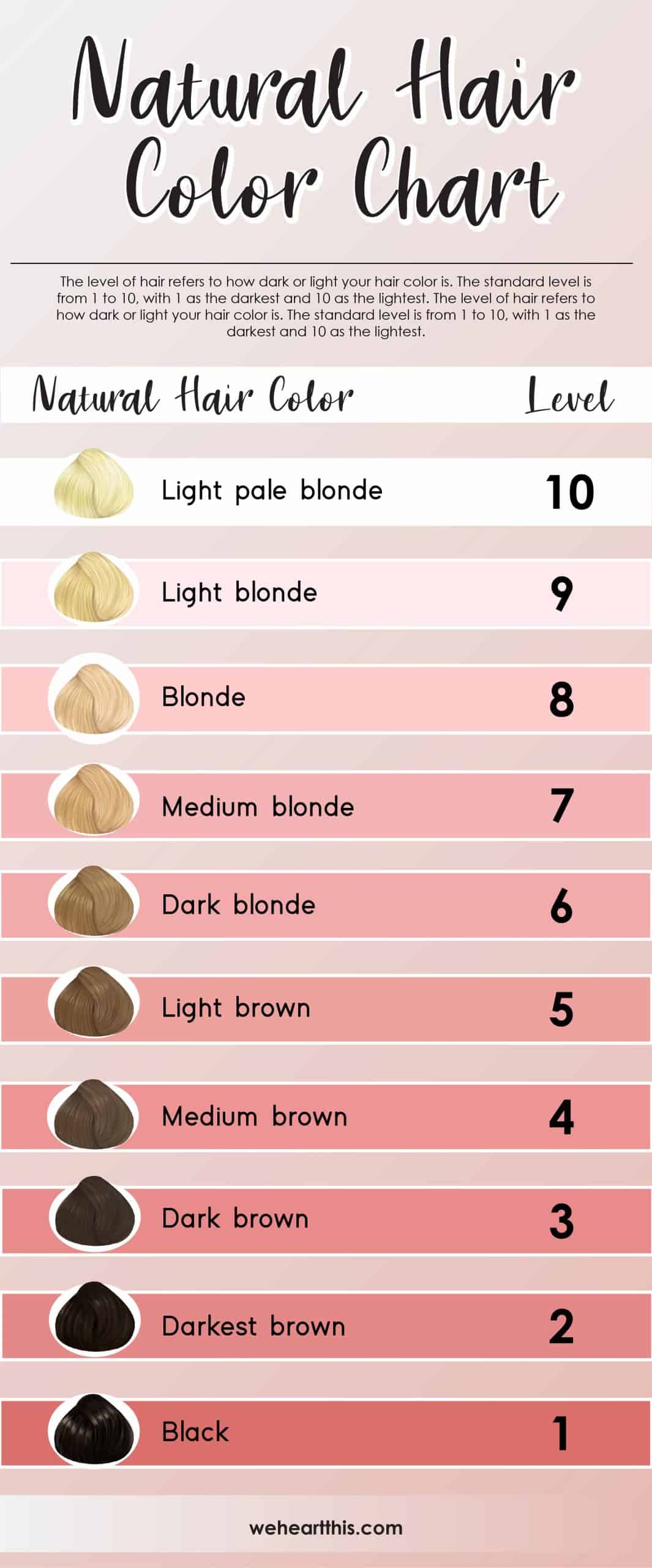
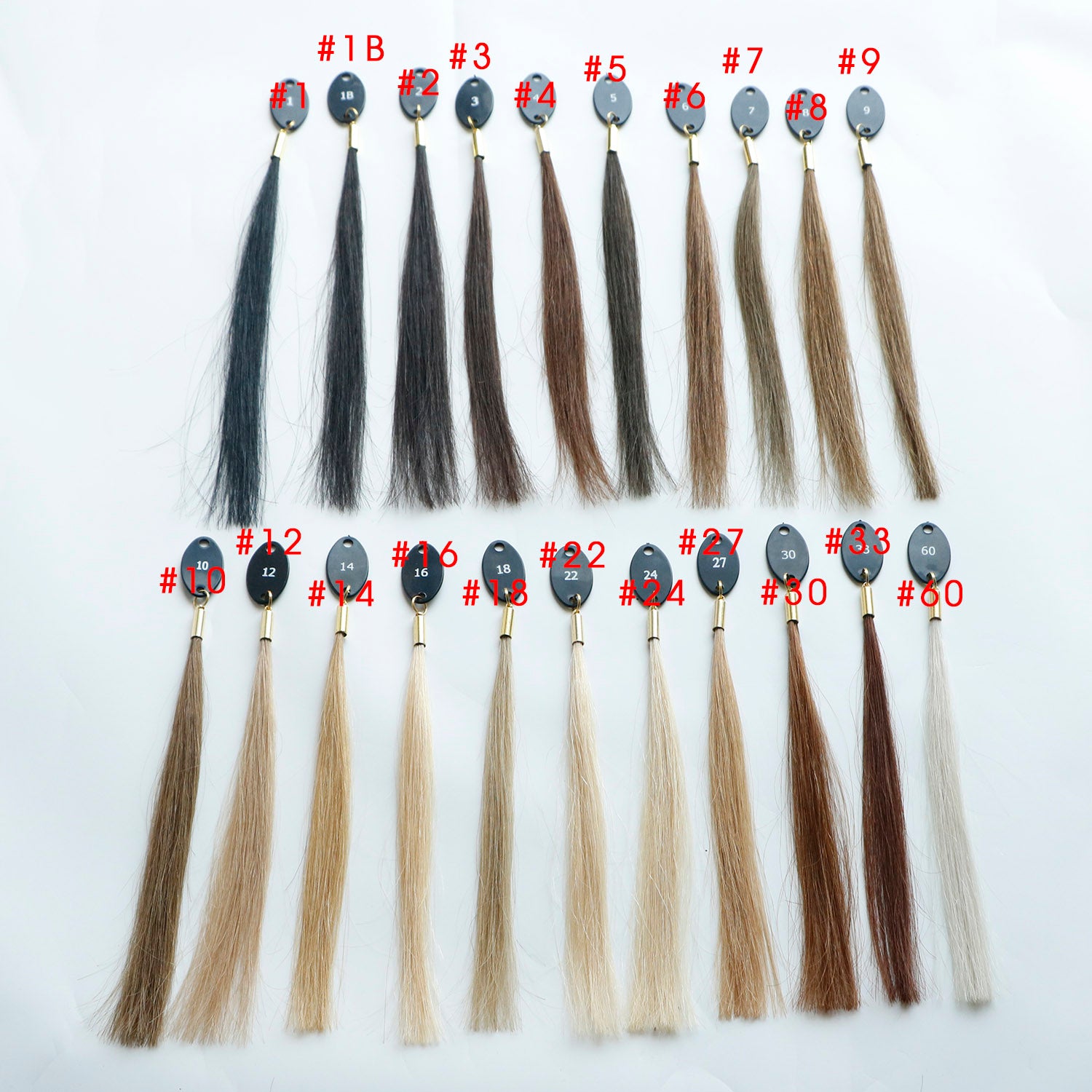
The hair colors chart is a handy reference tool for anyone looking to experiment with hair dye. It's a visual representation of different hair colors, shades, and tones, helping you choose and understand the various options available. This chart is a great starting point for anyone new to hair coloring or those seeking a specific shade.
Key Details and Categories
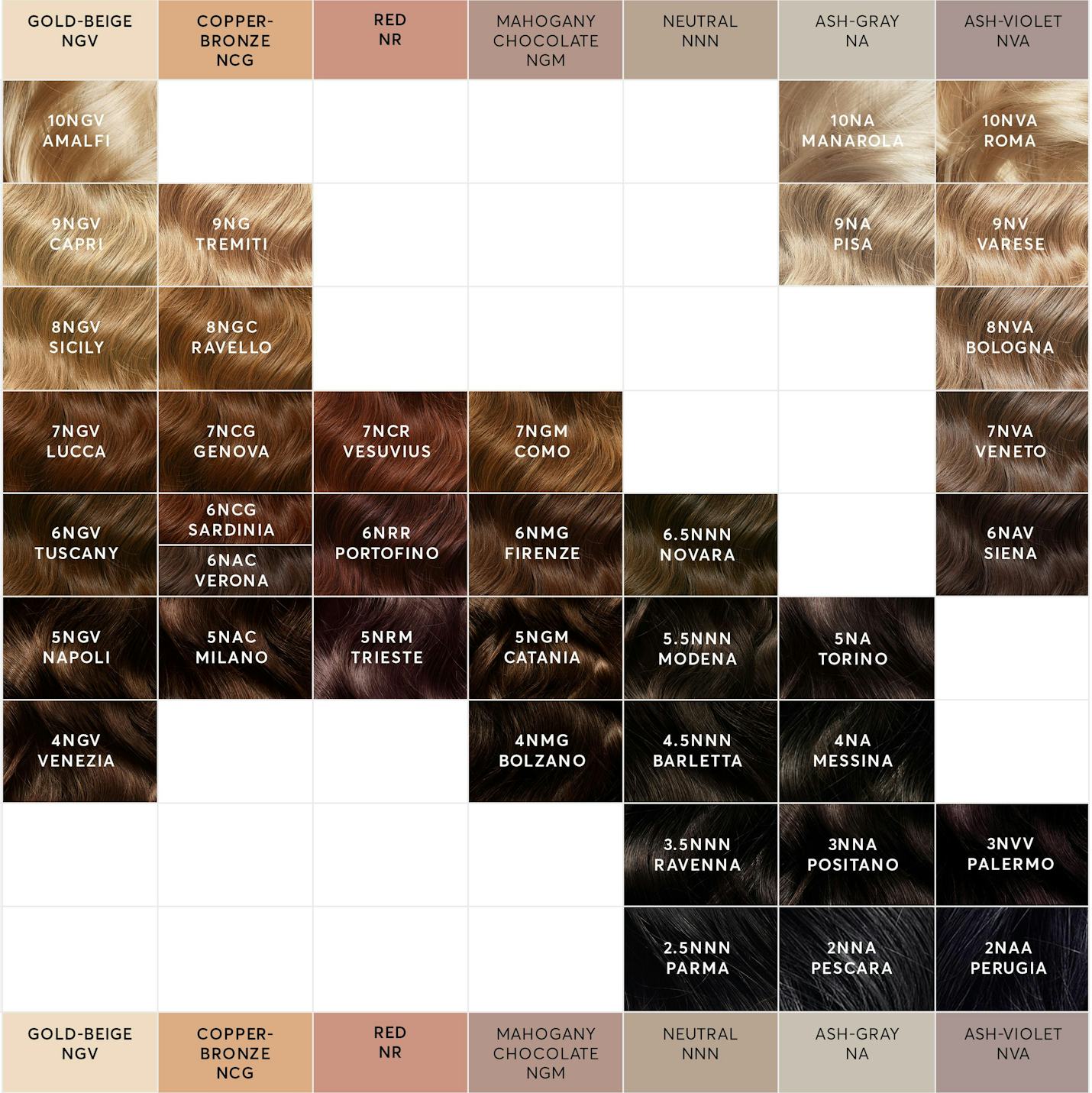
The hair color guide typically features a range of colors, organized into sections or families. You'll often find categories like "blonde," "brunette," "red," and "black," with further subdivisions for specific shades. Each color is usually represented by a swatch or a small square, showing the exact shade. Additionally, the chart may include a color wheel or a visual representation of color theory, which helps understand the relationships between colors.
Reading and Applying the Chart
To use the hair colors chart, start by identifying the color family you're interested in. Let's say you're looking for a specific shade of brown. Locate the "brunette" section and explore the various shades within. Each shade will have a unique code or number, which represents the specific formulation of that color. These codes are essential when purchasing hair dye, as they ensure you get the exact shade you want.
Here's a step-by-step guide:
- Identify the color family.
- Locate the specific shade you desire.
- Note the corresponding code or number.
- Use this code when purchasing hair dye to ensure an accurate match.
Variations and Differences
It's important to note that hair color charts may vary depending on the brand or manufacturer. Different companies may use slightly different shades or numbering systems. Additionally, the way hair reacts to dye can vary based on individual hair types and previous coloring treatments. Here are some key factors that can cause variations:
- Tone and depth: Hair color can appear different depending on the natural tone and depth of your hair.
- Previous coloring: If your hair has been dyed before, the new color may interact with the existing dye, resulting in a unique outcome.
- Hair type: The porosity and texture of your hair can affect how it absorbs and holds color.
- Environmental factors: Sun exposure and water quality can impact the longevity and vibrancy of your hair color.
When using a hair color chart, it's always a good idea to consult with a professional stylist, especially if you're aiming for a specific look or have unique hair characteristics. They can guide you towards the best shade and provide tips for achieving and maintaining your desired hair color.
Hey there! So, we've covered a lot of ground with this hair color chart, and I hope it's given you a clear picture of what you need to know. Remember, these charts are a great starting point, but exact details can differ slightly, so it's always good to double-check.
Feel free to explore our other guides; we've got plenty of practical tips and tricks to help you navigate the world of hair care and styling. Happy coloring!
Related: Unraveling the Size Chart Bicycle Mystery
A size chart bicycle is a handy tool for anyone looking to ensure a perfect fit when choosing a bike. This guide will navigate you through the process, offering a clear understanding of these charts and their applications.
Bicycle size guides, often presented as charts or diagrams, provide a quick reference for various bike dimensions. While values may differ across brands and regions, these charts are designed to help riders find their ideal fit, covering everything from frame sizes to wheel dimensions.
Understanding the Size Chart Bicycle: A Quick Overview
A size chart bicycle is a valuable tool for cyclists, offering a standardized guide to help you choose the right bike size. It provides a reference for various bike dimensions, ensuring a comfortable and efficient riding experience. This chart is essential for anyone seeking to purchase or customize their bicycle.
Comparing Size Chart Formats: Standards and Categories
Size charts can vary depending on the region and the type of bicycle. The two primary standards are the metric (international) and imperial (often used in the US) systems. These charts categorize bikes based on factors like frame size, wheel diameter, and rider height. For instance, a road bike sizing chart might focus on frame geometry, while a mountain bike dimensions chart may emphasize wheel size.
Step-by-Step Guide: Choosing the Right Size
- Identify the type of bike you need. Different bikes have unique size charts.
- Measure your body dimensions. Key measurements include your height, inseam, and arm reach.
- Refer to the size chart. Look for your measurements' intersection on the chart to find the recommended bike size.
- Consider personal preferences. If you prefer a more upright position, you might choose a slightly larger frame.
- Double-check with the manufacturer's specifications. Some brands may have slight variations in their size charts.
Avoiding Common Misreadings and Pitfalls
It's crucial to understand that size charts are general guides. Individual rider preferences and body proportions can vary, so the chart should be used as a starting point. Always consider your comfort and riding style. Misinterpreting the chart can lead to an ill-fitting bike, affecting your riding experience and potentially causing discomfort or safety issues.
Factors Affecting Accuracy: Real-World Considerations
Several factors can influence the accuracy of a size chart. Firstly, the chart's standard must match your location and bike type. Secondly, personal factors like flexibility, riding experience, and intended use can impact the ideal bike size. For example, a more experienced rider might prefer a slightly smaller frame for better control. Lastly, manufacturing tolerances can vary, so always check the bike's actual dimensions before purchase.
Choosing the Right Size Chart Format
The choice of size chart format depends on your needs and the type of bike. For instance, a frame size chart is ideal for road bikes, focusing on frame geometry. A wheel size reference is more relevant for mountain bikes, emphasizing wheel diameter. If you're unsure, a comprehensive bicycle size guide can provide an overview of various bike types and their sizing considerations.
Keeping Your Setup Reliable: Maintenance and Updates
To ensure the reliability of your size chart, keep it up-to-date with the latest standards and specifications. Regularly check for updates from reputable sources, especially if you frequently change bike types or brands. Additionally, consider keeping a record of your body measurements and preferred bike sizes to streamline future purchases or adjustments.
Remember, while this guide offers a comprehensive overview, the exact details may differ slightly based on the specific bike model or manufacturer. It's always a good idea to double-check the size charts provided by the brand you're interested in to ensure an accurate fit.
Feel free to bookmark this page for future reference. We've got plenty more practical guides to help you with your cycling adventures and ensure you have all the tools you need to make the most of your rides. Happy cycling!