








Halloween Coloring Pages Free Overview
A screw size chart is a handy tool for anyone dealing with screws and fasteners. It's a simple yet effective way to ensure you're using the right size and type for your project. This guide will cover the basics, giving you the knowledge to read and utilize these charts with ease.
The chart provides a quick reference for various screw dimensions, including gauge, thread, and head type. While the values may differ slightly depending on the standard or region, the screw size chart offers a reliable starting point for your fastener needs.
Understanding the Screw Size Chart
A screw size chart is your practical guide to choosing the right screw for any project. It's a reference tool that simplifies the process of selecting screws based on their size, type, and intended use. This chart is a handy resource for anyone working with screws, from DIY enthusiasts to professional contractors.
Comparing Standards and Formats
Screw size charts can vary depending on the standard being followed. The two main standards are the metric system and the imperial system, with each having its own set of measurements and designations. The metric system is widely used internationally and offers a straightforward approach, while the imperial system, common in the US, uses a different set of thread sizes and designations. It's crucial to know which standard your project follows to ensure accurate screw selection.
Practical Screw Selection: A Step-by-Step Guide
Using a screw size chart is straightforward. Here's a simple process:
- Identify the screw's intended use. Different applications require specific screw types and sizes.
- Locate the relevant section on the chart based on the standard you're working with.
- Read across the chart to find the desired screw size. The chart typically displays screw length and diameter measurements.
- Match the measurements to the physical screw you need.
- Check the screw head type and drive style, which are often included in the chart.
- Select the appropriate screw based on your findings.
Avoiding Misreadings and Pitfalls
Misreading a screw size chart can lead to incorrect screw selection. Common mistakes include:
- Confusing metric and imperial measurements. Always double-check the standard being used.
- Misinterpreting screw head types. Pay attention to the symbols or descriptions provided.
- Overlooking drive style variations. Ensure the drive style matches your screwdriver or tool.
- Ignoring the screw's intended use. Different applications require specific screw characteristics.
Key Factors Affecting Accuracy
Several factors can influence the accuracy of your screw selection:
Screw gauge: The gauge refers to the thread pitch, which can vary and impact screw compatibility.
Head types: Different head shapes and sizes serve specific purposes and may affect your choice.
Drive style: The drive style, such as Phillips or flathead, must match your tool for easy installation.
Material: Screws are made from various materials, each with unique strengths and applications.
Finish: The screw's finish, like zinc plating or stainless steel, offers different levels of corrosion resistance.
Key factors:
- Screw gauge (thread pitch)
- Head type and size
- Drive style
- Material
- Finish
Adapting the Chart for Specific Needs
Screw size charts are versatile and can be adapted to suit specific projects. If you're working with unusual materials or have unique requirements, you may need to adjust the chart or seek expert advice. For instance, if you're dealing with soft materials, you might need longer screws to ensure a secure hold. Always consider the specific demands of your project to make the most accurate selection.
Keeping Your Reference Reliable
To ensure the reliability of your screw size chart, it's essential to keep it up-to-date. Regularly check for new standards and updates, especially if you work on diverse projects. Additionally, consider creating a personalized chart by noting down your frequently used screw sizes and their corresponding applications. This customized reference will streamline your selection process and reduce the risk of errors.
So, you've got your screw size chart, a handy tool to keep in your back pocket for any project. It's a simple yet effective reference, and with a few key considerations, you can ensure you're using it accurately.
Remember, these charts provide a great starting point, but your specific project and its unique requirements may vary. Always double-check the exact values and measurements you need, and don't be afraid to adapt and make it work for you. It's a useful guide, but it's not set in stone! Bookmark this page for a quick reminder, and you'll be a screw size expert in no time.
Related: Get Accurate Tacoma Tide Chart Data
The Tacoma tide chart is your go-to tool for understanding and navigating the tides in this beautiful region. This guide will give you a quick rundown of how to make the most of this practical resource.
It's a simple yet effective way to stay informed about tide times, heights, and variations, ensuring your water-based adventures run smoothly. Whether you're a local or a visitor, having access to accurate tide predictions can make all the difference.
Understanding the Tacoma Tide Chart
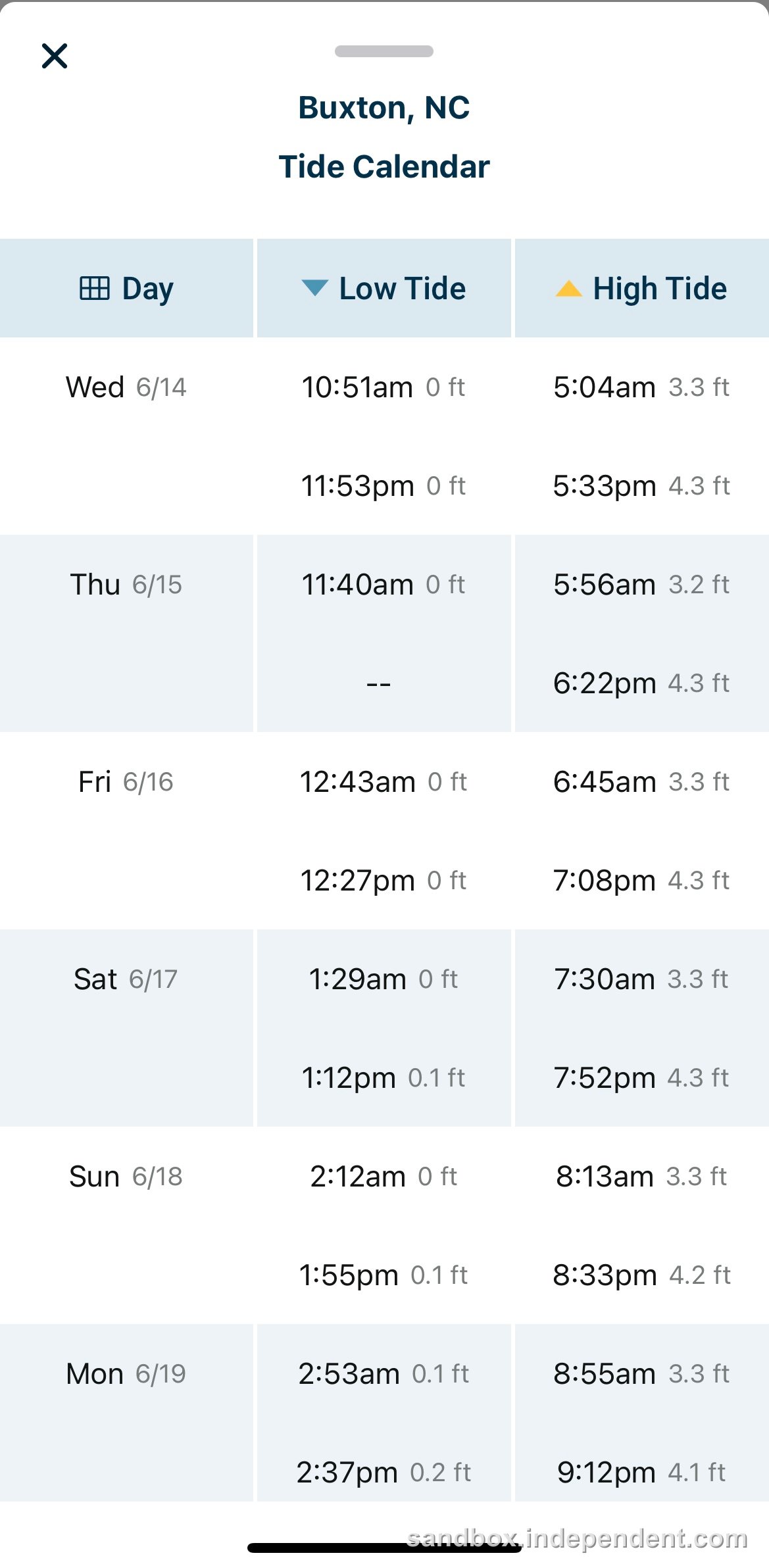
The Tacoma tide chart is a handy tool for anyone planning activities around the Puget Sound's tidal movements. It's a visual guide, often presented as a table or graph, that shows the predicted tide heights and times for a specific location, in this case, Tacoma, Washington. This chart is a practical way to stay informed and plan your day, especially if you're a beachgoer, fisherman, or enjoy water sports.
Key Details and Categories
The chart provides information on two main categories: tide height and time. Height is typically measured in feet and represents the vertical distance of the water level from a reference point, often mean lower low water (MLLW). The time is given in a 24-hour format, indicating when the predicted tide will occur. It's important to note that these charts are based on astronomical predictions and may not account for certain weather conditions or local factors that can influence tide levels.
Reading the Graph and Applying It
Here's a step-by-step guide to reading and using the Tacoma tide chart:
- Identify the date you're interested in. Each chart typically covers a 24-hour period, so find the date relevant to your plans.
- Locate the columns for tide height and time. These are usually clearly labeled.
- For each time listed, you'll see a corresponding tide height. This is the predicted height of the tide at that specific time.
- Plan your activities accordingly. If you're going kayaking, for example, you might want to plan your trip during high tide to ensure there's enough water depth.
Variations and Differences
Tide charts can vary based on the location and the standards used to create them. For instance, the Tacoma tide chart is specific to Tacoma and may not accurately represent tide patterns in other areas of the Puget Sound. Additionally, while these charts are based on scientific predictions, they are not always 100% accurate. Weather events, such as storms or strong winds, can cause unexpected changes in tide levels.
Common Mistakes and How to Avoid Them
One common mistake is assuming that the tide chart is an exact representation of real-time conditions. Always check the date and time of the chart you're using to ensure it's up-to-date and relevant to your plans. Another mistake is neglecting to consider local conditions. While the Tacoma tide chart provides a great starting point, it's important to also be aware of any local weather patterns or events that could impact the tides. Finally, remember that tide charts are predictions, and actual conditions may vary. Always keep an eye on the water and be prepared to adjust your plans if necessary.
Well, there you have it! You're now equipped with the knowledge to navigate the Tacoma tide chart like a pro. Remember, while the basics are the same, exact values might differ slightly, so always double-check the specific context and requirements for your adventure.
Feel free to explore our other guides and resources; we've got plenty more practical tips and tricks to share. Happy reading, and here's to smooth sailing on your next tide-watching venture!
Related: Home Addition Contractors Essential Guide
So, I was chatting with my neighbor about their plans to expand their living space, and it got me thinking about home addition contractors. Who do you call when you want to add a room or two to your house?
Understanding Home Additions
Home additions are a great way to gain more space without moving. It's an exciting project, but it can also be a bit daunting, especially when it comes to finding the right professionals. Home addition contractors are the experts who make these projects happen. They're responsible for the entire process, from planning and design to construction and finishing touches.
When you're considering a home addition, it's essential to find a reliable and experienced contractor. They'll guide you through the process, helping you navigate the various stages and ensuring your vision becomes a reality.
What to Look for in a Contractor
Finding the right home addition contractor is crucial. Here are some key factors to consider:
Experience: Look for contractors with a proven track record in home additions. Ask about their previous projects and, if possible, speak to their past clients about their experiences.
Licensing and Insurance: Ensure the contractor is licensed and insured. This protects you in case of any accidents or issues during the project.
Communication: Effective communication is key. Choose a contractor who listens to your ideas, provides clear explanations, and keeps you updated throughout the process.
Quotes and Pricing: Get multiple quotes to compare. While price is important, don't just go for the cheapest option. Consider the overall value and the contractor's reputation.
Naming Your Construction Business
If you're a contractor or thinking of starting a business, naming it is an important step. A good name should be memorable, reflect your services, and stand out in a crowded market. Some creative name ideas for construction businesses could include:
- BuildCraft
- HomeAdd
- Constructive Solutions
- Room Expansion Pros
- Space Creators
Remember to check the availability of these names and secure the relevant domains and local registrations.
The Construction Industry and You
The construction industry offers a range of roles, from estimators who calculate costs to project managers who oversee the entire process. If you're interested in a career in this field, you'll likely find opportunities in various specializations. Many construction jobs are advertised locally, so keep an eye on local job boards and networks.
Tools of the Trade
In the world of home addition contractors, tools like RSMeans are essential. RSMeans is a cost database that provides valuable information for estimating and planning projects. It helps contractors and estimators calculate material and labor costs accurately, ensuring projects stay on budget.
Large vs. Small Firms
The construction industry is diverse, with both large and small firms operating. Large firms often have more resources and can take on bigger projects, but they may not offer the same personalized service as smaller, local companies. It's a trade-off between scale and customization.
When choosing a home addition contractor, consider your specific needs and the scale of your project. Larger firms might be better suited to complex, multi-room additions, while smaller, local contractors could be ideal for more intimate projects.
Wrapping Up
Finding the right home addition contractor is all about research and due diligence. Take the time to explore your options, ask questions, and get multiple quotes. It's an exciting step towards expanding your living space, so enjoy the process and trust your instincts!