






Handwriting Worksheets Template Overview
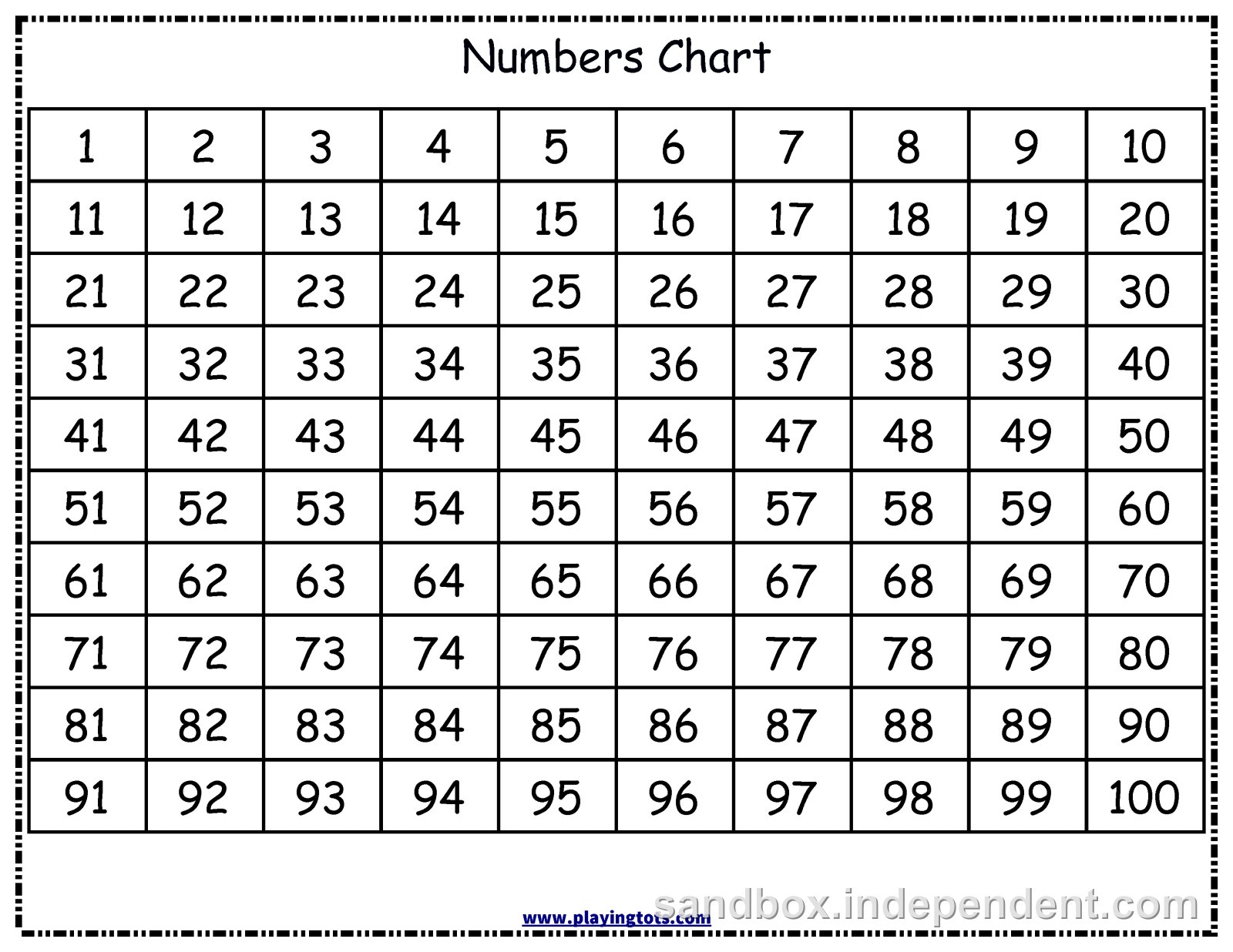
Many folks might glance at a square root chart and feel daunted, assuming it's complex and only for math whizzes. But, rest assured, it's a simple, visual tool that anyone can use and understand!
The chart is a straightforward reference, offering a quick way to find square roots without complex calculations. You'll notice it's structured with a clear format, and while the specific values may vary, the concept remains the same. It's like having a handy calculator at your fingertips, especially for those perfect squares!
Understanding the Square Root Chart
The square root chart is a handy tool that simplifies the process of finding square roots for various numbers. It's like a map that guides you through the world of square roots, making it easier to understand and calculate them. This chart is a visual representation, often presented as a table, that displays the square roots of a range of numbers, typically from 1 to 100 or more.
Comparing Chart Formats and Standards
There are different formats and standards for square root charts, depending on the region and the specific use case. For instance, some charts might use the radical sign to represent square roots, while others may opt for a simpler numerical format. Additionally, the range of numbers covered and the precision of the values can vary. It's important to note that the chart's format and values should align with the standard you are working with, whether it's the metric system or another regional standard.
Step-by-Step Guide to Using the Chart
Using the square root chart is a straightforward process:
- Identify the number for which you need to find the square root.
- Locate the number on the chart. It's usually arranged in ascending order, so finding your number should be easy.
- Read the corresponding square root value from the chart. Ensure you are reading the correct column or row, depending on the chart's layout.
- If your number is not an exact match, you can estimate the square root by interpolating between the values provided. This involves finding the values above and below your number and calculating a rough estimate.
Avoiding Common Misreadings
Misreading a square root chart can lead to inaccurate results. One common mistake is confusing the square root value with the original number. Always double-check that you are reading the correct column or row, especially if the chart is complex or densely packed with information. Another pitfall is assuming that the chart provides exact values for all numbers. Remember, some numbers may not have perfect square roots, and the chart provides approximations for these cases.
Factors Affecting Accuracy
Several factors can impact the accuracy of your calculations when using a square root chart. Firstly, the precision of the chart itself matters. Some charts offer more precise values, especially for larger numbers, while others provide a general approximation. Additionally, the range of numbers covered by the chart can vary, and if your number falls outside this range, you may need to estimate or use a different method. It's also essential to consider the standard being used, as different standards may have slight variations in their square root calculations.
Adapting the Chart for Specific Needs
The square root chart can be adapted to suit specific needs and applications. If you require a more precise calculation, you might opt for a chart with a larger range of numbers and more detailed values. For simpler calculations or educational purposes, a basic chart with a limited range might be sufficient. Additionally, if you are working with a specific standard or industry, ensure you choose a chart that aligns with those requirements. Some charts might even be tailored for specific professions, like engineering or mathematics, offering specialized values and categories.
Hey there, math enthusiasts! We've covered a lot of ground with our square root chart adventure. From understanding its purpose to navigating the different formats and potential pitfalls, you're now equipped with the knowledge to tackle any square root challenge.
Remember, when it comes to accuracy and real-world applications, your specific context matters. So, take a moment to ensure you've got the right chart for your needs, and don't hesitate to adapt or create a customized version if necessary. It's all about finding the perfect fit!
Related: Construction Outlook Essential Guide
I've just been thinking about all the construction going on around me lately, and it got me curious about construction outlook. You know, all those new builds and renovations, it's like a whole new world springing up. So, I decided to dig a bit deeper and see what's up with the construction game these days.
Understanding Construction Outlook
Construction outlook is basically a big-picture view of the construction industry. It's about understanding the trends, the costs, and the opportunities in the world of building and renovating. For anyone planning a project, whether it's a new home, an addition, or a renovation, having a handle on the construction outlook is super important. It can help you make informed decisions and avoid any nasty surprises.
So, what does it entail? Well, it's about keeping an eye on things like material costs, labor rates, and the general demand for construction services. These factors can vary wildly depending on your location and the specific project you have in mind. For example, in a place like San Francisco, you might expect higher costs due to the high demand for construction and the limited space, whereas a city like Helena might have a different set of challenges and opportunities.
Hiring and Costs
When it comes to hiring contractors or companies, the construction outlook can give you a good idea of what to expect. It's all about comparing quotes and understanding what you're paying for. You want to check out the scope of the work, the materials being used, and the timeline. A good quote will cover all these bases and more. It's also worth remembering that the cheapest quote might not always be the best. Sometimes, you get what you pay for, and construction is no exception.
Company Names and the Industry
For those in the industry, or thinking of starting a construction business, choosing a name is a big deal. It needs to be memorable, reflect your services, and be unique. Some construction companies go for a more traditional, descriptive name, like 'Atlanta Building Solutions', while others opt for something more creative, like 'Build-It-Right'. Either way, it's important to check the name's availability and register it locally and online to avoid any legal headaches down the line.
Jobs and Opportunities
The construction industry offers a whole range of jobs, from general contractors to estimators and project managers. These roles can vary in terms of salary and responsibilities, but they all play a crucial part in bringing projects to life. If you're looking for construction jobs, you'll probably find opportunities listed on job boards and company websites. It's a good idea to check out the larger construction firms, as they often have more diverse roles to offer.
Tools and Resources
There are also some great tools and resources out there to help with construction outlook. For example, RSMeans is a popular cost database that provides estimates for a range of construction projects. It's a handy resource for anyone wanting to get a handle on costs and stay informed about industry trends. There are also plenty of other cost indexes and databases out there, each with their own strengths and weaknesses.
The Big Picture
When it comes to the bigger construction companies, they often have the resources to take on larger, more complex projects. These firms might have a wider reach and the ability to offer a broader range of services. However, smaller companies can often provide a more personalized service and might be a better fit for certain projects. It all depends on your specific needs and the nature of your project.
So, there you have it. A little insight into construction outlook and what it means for those in the industry and those planning projects. It's a fascinating world, and one that's constantly evolving.
I hope this has given you some food for thought and a better understanding of the construction game. It's always good to be informed!
Related: What's the Minwax Stain Chart All About?
The Minwax stain chart is a handy tool for anyone working with wood stains, offering a visual guide to explore and choose the perfect shade. This guide will help you navigate the chart effectively, ensuring you find the right stain for your project.
It provides a simple way to visualize and compare Minwax wood stain colors, making it easier to select and match the desired tone. While the chart's format may vary slightly, the basic concept remains the same, offering a reliable reference for wood enthusiasts and professionals alike.
Understanding Wood Stains: The Minwax Stain Chart
The Minwax stain chart is a handy tool for anyone looking to stain wood and achieve the perfect color. It's a reference guide that displays a range of wood stain colors, helping you visualize and choose the right shade for your project. This chart is a valuable resource, especially for those new to wood staining, as it provides a visual representation of the final result.
Key Details and Categories
The Minwax stain chart typically features a grid-like layout, with each square representing a specific stain color. The colors are organized in a systematic way, often progressing from light to dark shades. Along the sides of the chart, you'll find labels indicating the wood species and the stain color name or code. This chart is designed to be user-friendly, making it easy to navigate and compare different stain options.
How to Read and Apply the Minwax Stain Chart
Reading the Minwax stain chart is straightforward. First, identify the wood species you're working with; this is usually listed on the left side of the chart. Then, scan across to find the desired stain color. The stain colors are often arranged in rows, with each row representing a different wood species. Once you've found your preferred color, note the corresponding stain code, which you can use to purchase the correct stain. It's as simple as that!
Variations and Differences
While the Minwax stain chart provides a great starting point, it's important to note that wood staining can be influenced by various factors. The final color may vary slightly due to differences in wood grain, the wood's natural color, and even the lighting conditions during application. Additionally, the stain's intensity can be affected by the number of coats applied and the wood's porosity. These factors contribute to the unique character of each stained wood piece.
Common Mistakes and How to Avoid Them
One common mistake is assuming that the stain color on the chart will match your wood exactly. Remember, the chart is a guide, and the actual result may differ slightly. To avoid disappointment, it's a good practice to test the stain on a small, inconspicuous area of your wood before committing to the entire project. This way, you can assess the color and make any necessary adjustments.
Practical Tips for Accurate Results
To ensure accurate results, consider the following tips:
- Always follow the manufacturer's instructions for stain application.
- Ensure your wood is clean, dry, and free of any finish or residue.
- Apply the stain evenly, using a brush or cloth, and wipe away any excess.
- Allow sufficient drying time between coats, as recommended by the stain manufacturer.
- Consider using a wood conditioner or primer, especially for porous woods, to achieve a more consistent color.
Double-Checking and Handling Exceptions
While the Minwax stain chart covers a wide range of stain colors, it's always a good idea to double-check the exact specifications for your chosen stain. Some stains may have specific instructions or recommendations for certain wood types or projects. Additionally, if you're working with a unique or exotic wood species, you might need to seek additional guidance or samples to ensure the best color match.
So, there you have it! A handy guide to the Minwax stain chart, a simple yet effective tool for your wood staining adventures. Remember, while this chart is a great starting point, it's always wise to consider your specific project and its unique needs.
Don't forget to check out our other guides and resources for more practical tips and tricks. We've got you covered with all the info you need to tackle your next DIY project with confidence. Happy staining!