




Heart Shape Coloring Page Overview
A nail shapes chart is a handy tool for anyone wanting to explore different nail styles. It's a simple yet effective way to visualize and understand the various shapes and lengths available. This guide will cover the basics, offering a quick reference for those new to nail art and design.
The chart provides a clear overview, often with visual representations, to help you identify and choose the right shape. It's a great starting point for experimenting with your nail look, and you'll find it includes classic shapes like square and oval, as well as more unique styles.
Understanding the Nail Shapes Chart: A Quick Overview
The nail shapes chart is a handy reference tool for anyone interested in nail art and design. It's a simple guide that helps you choose the right nail shape for your style and preferences. This chart provides a visual representation of various nail shapes, making it easy to explore and decide on the perfect shape for your next manicure.
Comparing Popular Nail Shape Options
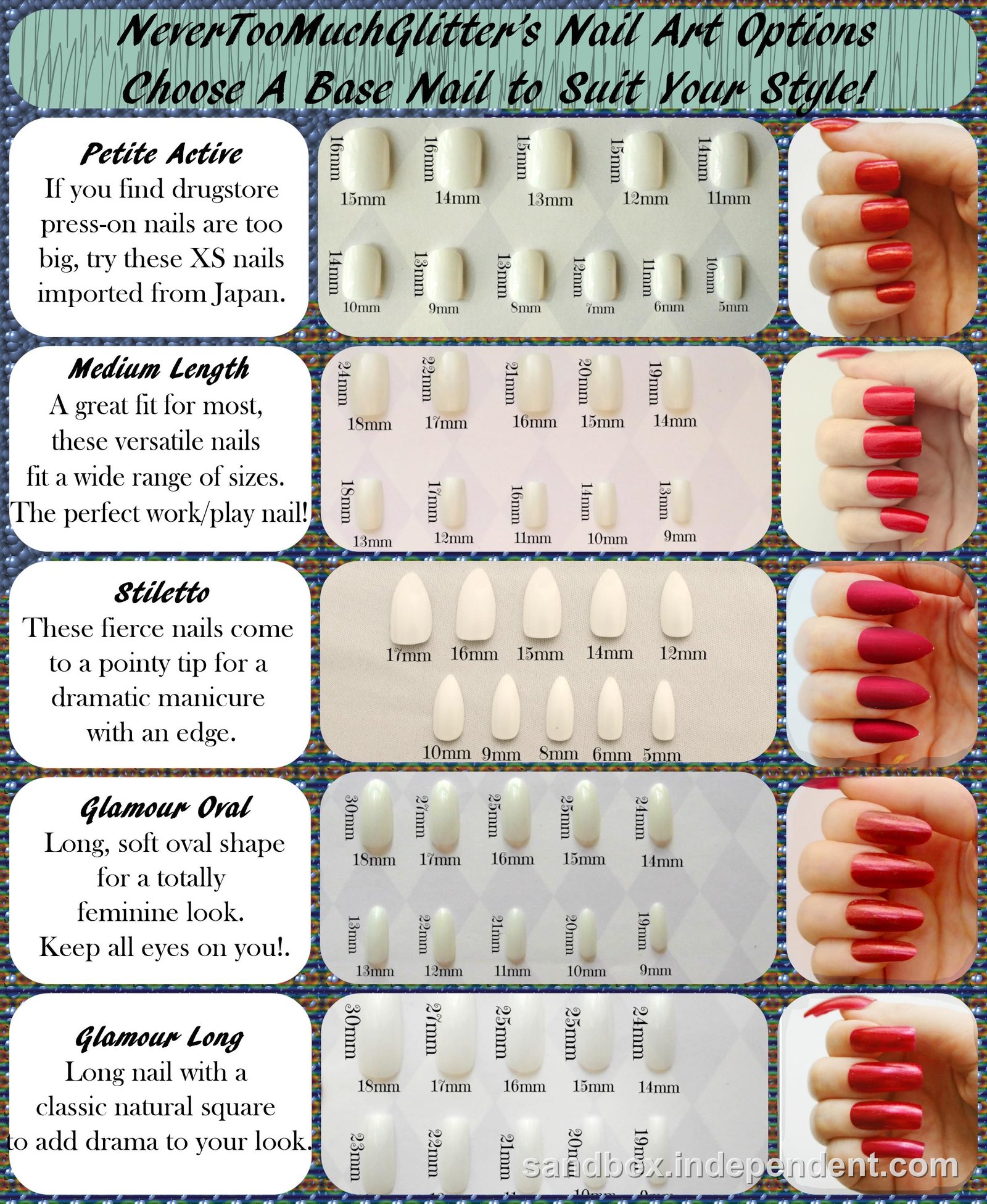
The nail shape guide typically includes a range of standard and trendy shapes. You'll find classic options like oval, square, and rounded shapes, as well as more unique styles such as coffin, stiletto, and almond. Each shape has its own charm and can create different effects on your nails. The chart often uses visual icons or illustrations to represent these shapes, making it fun and easy to browse through the options.
Creating Balance: Step-by-Step Guide to Using the Chart
Using the nail shapes chart is straightforward and can enhance your nail art experience. Here's a simple guide:
- Start by identifying your current nail shape. This helps you understand the transformation you're aiming for.
- Browse the chart and explore the various shapes. Consider the length and width of your nails and how each shape might complement them.
- Choose a shape that aligns with your personal style and the look you want to achieve. For instance, if you prefer a natural, elegant look, an oval or almond shape might be ideal.
- Discuss your choice with your nail technician, if applicable. They can offer expert advice and ensure the shape suits your nail type and lifestyle.
- Remember, the chart is a guide, and you can always customize and adapt shapes to your liking.
Common Misconceptions and How to Avoid Them
While the nail shapes chart is a valuable tool, it's essential to be aware of a few potential pitfalls:
- Nail length can influence the final appearance of a shape. Ensure you consider both the shape and length when making your choice.
- Different nail art trends may suit specific shapes better. Stay updated on trends to ensure your chosen shape aligns with your desired style.
- Individual nail care tips can impact the final result. Always ensure your nails are in good condition before shaping them.
- Remember, the chart provides a general guide. Your unique nail shape and structure may require slight adjustments to achieve the perfect fit.
The nail shapes chart is a fantastic resource for discovering and experimenting with different nail shapes. With a simple, visual approach, it empowers you to create beautiful and balanced nail designs.
Hey there! I hope this nail shapes chart has been a handy guide for you. It's a simple yet effective tool to explore and understand the different options available.
Remember, when applying this knowledge, always consider your personal preferences and the specific context. Exact values may vary slightly, so it's a good idea to double-check and adapt to your needs.
Feel free to bookmark this page; it's a quick and easy reference for whenever you need a reminder. Happy nailing!
Related: Read the Nail Shape Chart: A Simple Guide
You've probably come across the nail shape chart and are keen to explore its practical uses. This handy reference tool is a great way to discover and understand the different nail shapes and their names. It's a simple yet effective guide, offering a visual representation of various nail shapes, which can be a real asset when you're looking for inspiration or wanting to communicate your nail preferences clearly. While the chart provides a great starting point, it's worth noting that nail shape names and trends can vary, so it's always fun to explore and find your favorite!
Understanding the Nail Shape Chart
The nail shape chart is a handy reference tool for anyone interested in nail care and design. It provides a visual guide to different nail shapes and lengths, offering a simple way to communicate your desired nail look to a nail technician or to achieve consistent results at home. This chart is a great starting point for nail enthusiasts and professionals alike.
Key Details and Categories
The nail shape chart typically features a range of standard nail shapes, including classic options like square, oval, and almond, as well as more unique styles like coffin, stiletto, and mountain peak. Each shape is represented by a visual icon or illustration, making it easy to identify and choose your preferred style. Additionally, the chart often includes a measurement guide, showing common nail lengths and their corresponding sizes. These measurements are usually in millimeters or inches, depending on the standard used.
How to Read and Apply the Chart
Using the nail shape chart is straightforward. First, identify the shape you desire by matching it to the visual icons on the chart. Then, refer to the measurement guide to choose the length that suits your preferences and nail type. You can either communicate these choices to your nail technician or use the chart as a guide when shaping your nails at home. If you're unsure about the best shape for your nails, the chart can also inspire new looks and help you experiment with different styles.
Variations and Differences
It's important to note that while the nail shape chart provides a great starting point, variations can occur due to different standards and personal preferences. For instance, the exact measurements for each shape and length may vary slightly between charts, especially when comparing US and international standards. Additionally, individual nail technicians might have their own unique interpretations and techniques, leading to subtle differences in the final nail shape.
Common Mistakes and How to Avoid Them
One common mistake is relying solely on the chart without considering your nail type and personal comfort. It's essential to choose a shape and length that complements your natural nail bed and overall hand shape. Additionally, be mindful of your daily activities and lifestyle; certain shapes and lengths may be more practical or comfortable for your routine. Always consider these factors to ensure you achieve a look that suits your needs and preferences.
Tips for Accurate Results
To ensure accurate results when using the nail shape chart, it's crucial to measure your nails regularly, especially if you're growing them out or maintaining a specific length. This helps you stay consistent and achieve the desired look. Additionally, invest in good-quality nail files and buffers to shape and smooth your nails effectively. Practice makes perfect, so don't be afraid to experiment and find the techniques that work best for you. Remember, the nail shape chart is a guide, and with practice, you'll develop your own nail shaping skills.
Hey there! I hope this nail shape chart has given you a clear understanding of the different options and how to achieve your desired nail look. Remember, while the basics remain the same, the exact details might vary slightly depending on the context and your personal preference.
It's always a good idea to bookmark this page for future reference, especially when you're trying out new nail shapes or designs. You'll find it's a handy tool to have on hand!
Related: Understand Eye Shape Chart: A Quick Guide
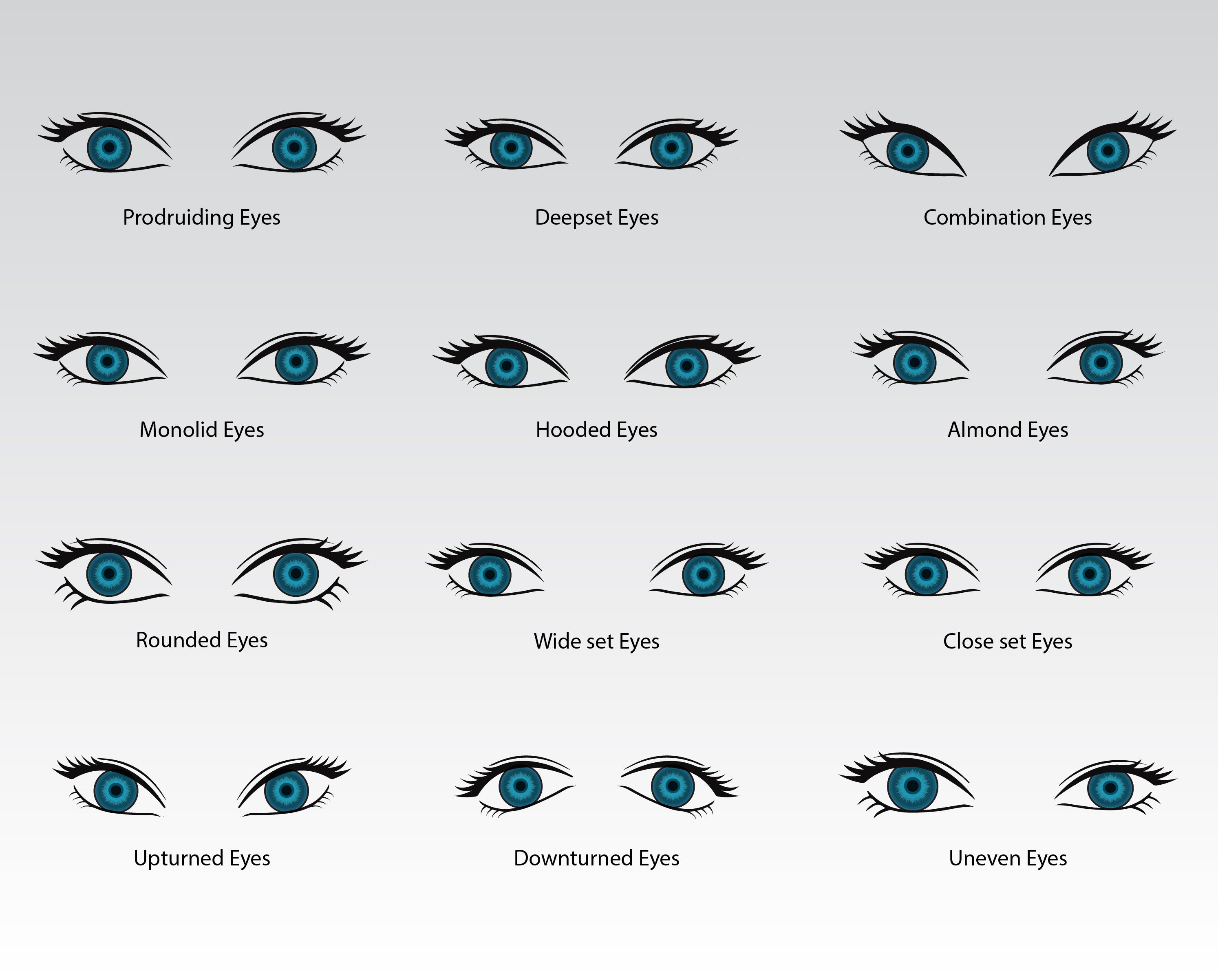
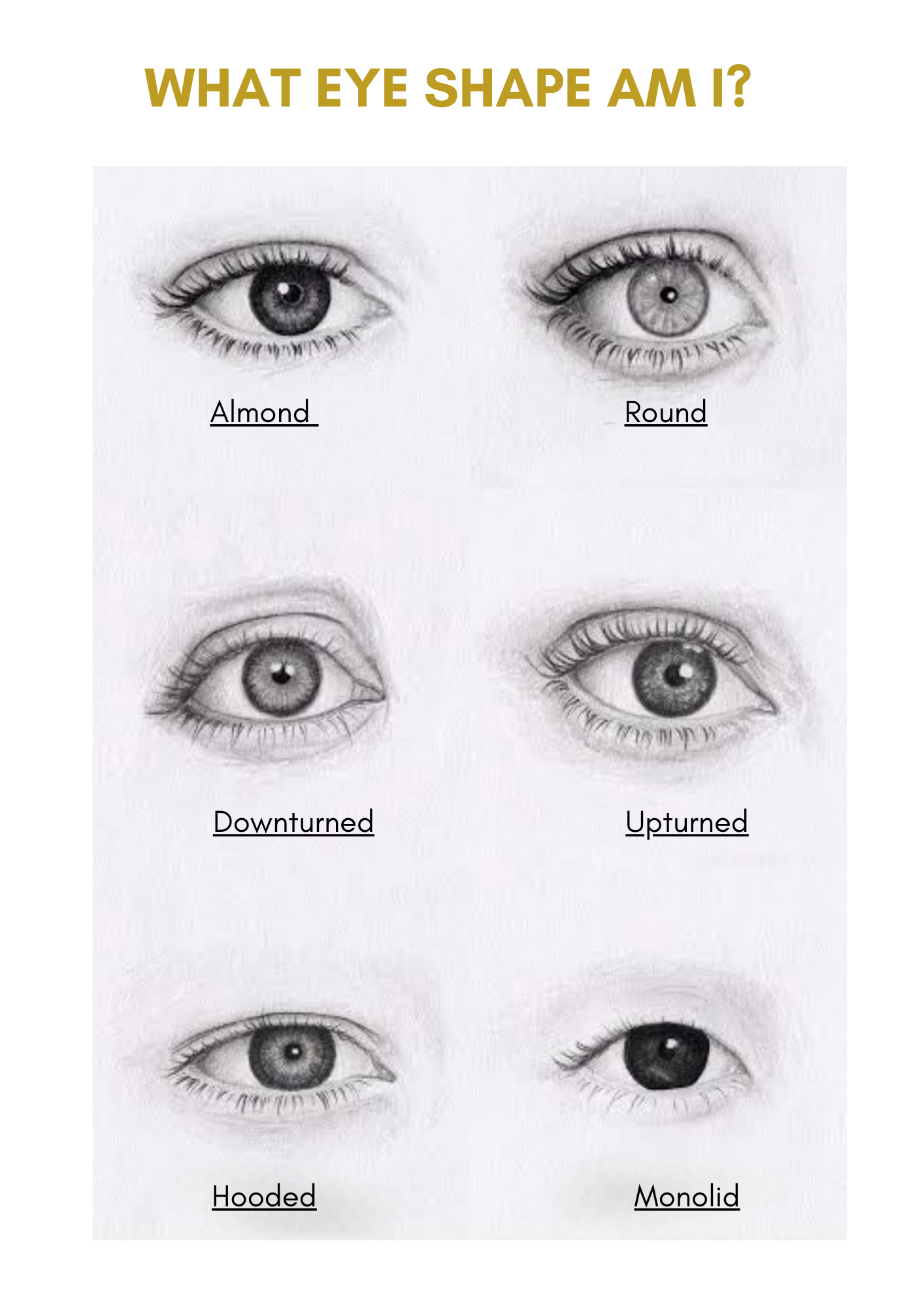
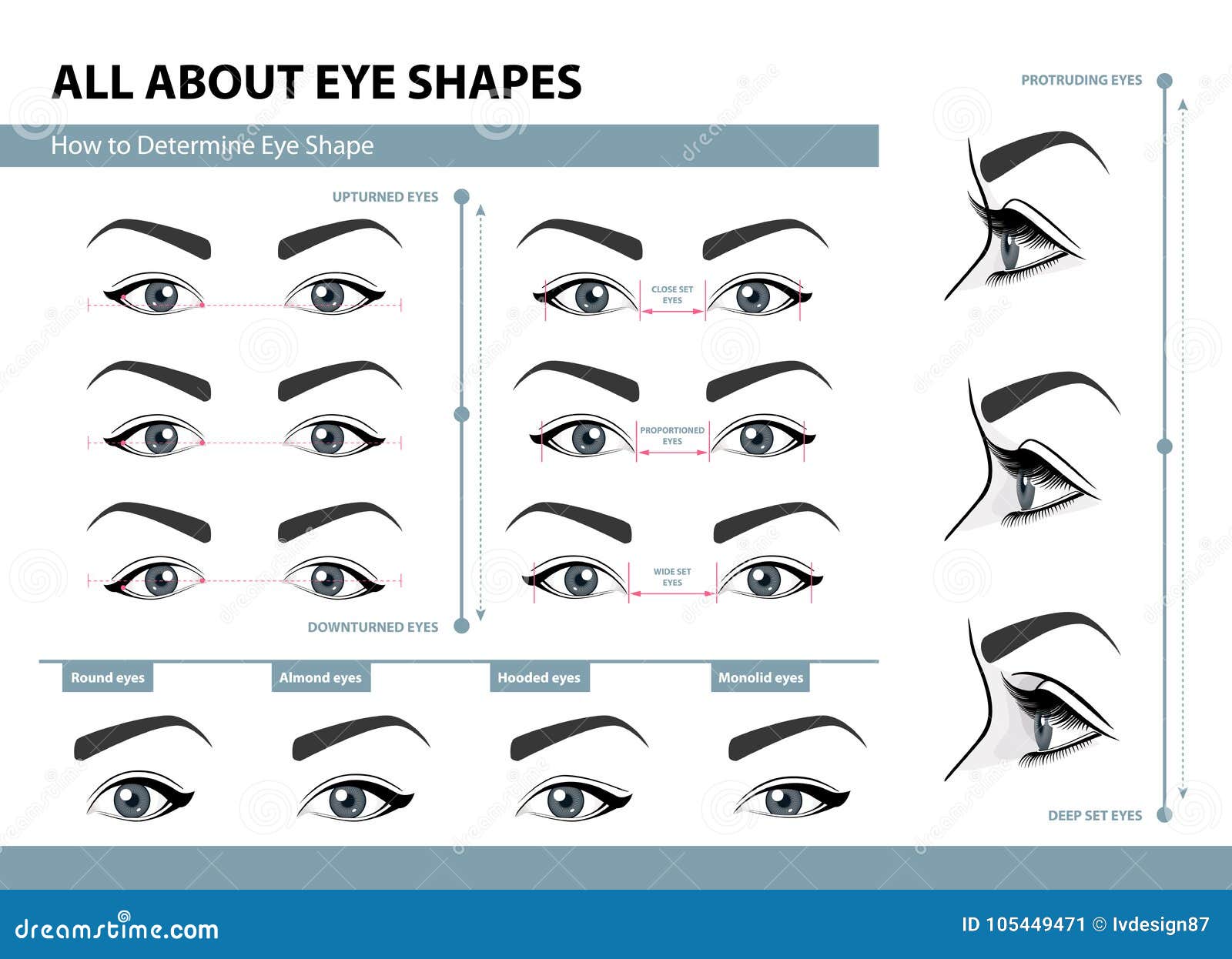
An eye shape chart is a valuable tool for understanding and identifying the various shapes and structures of the eyes. This guide aims to provide a straightforward overview, offering insights into how these charts work and their practical applications.
The chart serves as a visual reference, categorizing eye shapes and often including measurements. It can help individuals recognize their eye type and understand the associated terminology, such as monolid or hooded. While the specifics may vary depending on the source, the eye shape chart remains a reliable starting point for self-analysis and a great foundation for further exploration.
Understanding Eye Shapes: An Eye-Opening Guide
The eye shape chart is a valuable tool for anyone seeking to learn about the diverse shapes of eyelids and eyes. This guide will help you navigate this chart, offering a clear understanding of its purpose and use.
Key Details and Categories
The eye shape chart typically categorizes eye shapes based on the appearance of the eyelid and the visible portion of the eye. Common categories include monolid, hooded, almond, round, and deep-set eyes. Each category has unique characteristics, such as the presence or absence of a visible eyelid crease or the shape of the eye itself.
Reading the Eye Shape Chart: A Step-by-Step Guide
To read the eye shape chart, follow these steps:
Start by identifying the primary features of your eyes. Look for the presence of an eyelid crease, the shape of the eye opening, and the overall contour of the eyelid.
Compare your observations to the categories on the chart. Match the visible features of your eyes to the corresponding category.
Once you've identified your eye shape, you can explore the chart further to learn more about your specific eye type. The chart often provides additional information, such as common traits, makeup tips, or even optical considerations.
Variations and Differences: Why Do They Exist?
Variations in eye shapes are a natural part of human diversity. Genetic factors play a significant role, as eye shape is often inherited. Additionally, factors like age, ethnicity, and even lifestyle can influence the appearance of the eyelids and eyes. For instance, as we age, the skin around the eyes may change, affecting the shape and visibility of the eyelid crease.
Common Mistakes and How to Avoid Them
When using the eye shape chart, it's important to avoid these common mistakes:
Relying solely on the chart: While the chart is a great guide, individual variations exist. Take it as a starting point, but consider seeking professional advice or conducting further research for a more precise understanding.
Overlooking personal features: Each person's eyes are unique. Pay attention to your specific eye traits, such as the color, size, and spacing, as these can influence the overall appearance.
Ignoring context: The eye shape chart may not cover all situations. For example, certain medical conditions or previous surgeries can alter eye shape. Always consider your personal context and consult experts when needed.
Practical Tips for Accurate Results
To ensure accurate results when using the eye shape chart, consider these tips:
Lighting: Ensure you examine your eyes in natural light or good artificial lighting to get an accurate view.
Angle and Distance: Maintain a consistent angle and distance when observing your eyes to avoid distortion.
Compare and Contrast: Compare your eyes to the chart's examples, but also contrast them with other eye shapes to gain a broader understanding.
Seek Expert Advice: If you're unsure or have specific concerns, consult an optometrist or ophthalmologist for a professional opinion.
Remember, the eye shape chart is a valuable tool, but it's just one part of understanding your unique eye characteristics.
Remember, while this guide offers a comprehensive overview, the specifics of eye shape charts can differ slightly based on individual needs and contexts. Feel free to adapt and customize the chart to suit your unique requirements.
Consider bookmarking this page for future reference. Whether you're a makeup artist, a fashion enthusiast, or simply curious about eye shapes, having this guide handy will ensure you always have a reliable resource at your fingertips.