



Homeschool Curriculum Like Abeka Overview
The Naples tide chart is your handy tool for understanding the tides in this beautiful Florida city. It's a simple yet powerful resource, offering a quick glimpse into the world of Naples' water levels.
This guide will show you how to read and interpret the chart, covering the basics of tide times, units, and patterns. You'll learn to navigate the chart's information, understanding the daily fluctuations and average tides of Naples Bay.
Understanding Naples Tide Heights
The naples tide chart is a valuable tool for anyone interested in the water levels of Naples Bay and the surrounding Florida Gulf area. It provides a visual representation of the predicted tide heights and helps you plan your activities, whether you're a boater, fisherman, or beachgoer. This chart is a handy reference to understand and predict the daily tide fluctuations.
Key Details and Categories
The naples tide chart typically displays tide data for a specific location, usually Naples Bay. It shows the predicted tide heights at different times throughout the day. You'll find columns indicating the time and the corresponding tide level. The tide levels are often represented in feet or meters, depending on the standard used. Common measurement units for tide charts are feet or meters, so you'll likely see values like 2.5 ft or 0.75 m.
Reading the Table and Practical Applications
To read the naples tide chart, simply match the time with the corresponding tide height. For instance, if you plan to go boating at 9 am, check the chart for that time and see the predicted tide level. Here's a step-by-step guide:
- Identify the time you're interested in.
- Locate the column with the corresponding time on the chart.
- Read the tide height value for that time.
- Use this information to plan your activities accordingly.
For example, if the tide is predicted to be high at your desired time, you might want to adjust your boating route or fishing spot to accommodate the water level.
Variations and Differences
It's important to note that tide charts are predictions and can vary due to several factors. Weather conditions, wind patterns, and even the position of the moon can influence actual tide levels. While the naples tide chart provides a reliable guide, it's always a good idea to double-check the real-time conditions, especially if you're planning critical activities like boating or fishing. Additionally, different regions and standards may have slightly different tide table units and formats, so ensure you're using the right chart for your specific location.
Well, there you have it! Understanding the Naples tide chart is a handy skill for any water-loving adventurer. Remember, the exact values may differ slightly, so always double-check the specific context and sources for your needs.
Consider bookmarking this page for future reference. It's a simple yet effective tool, and you never know when you might need to plan a tide-friendly adventure!
Related: A Comprehensive Flute Trill Chart Guide
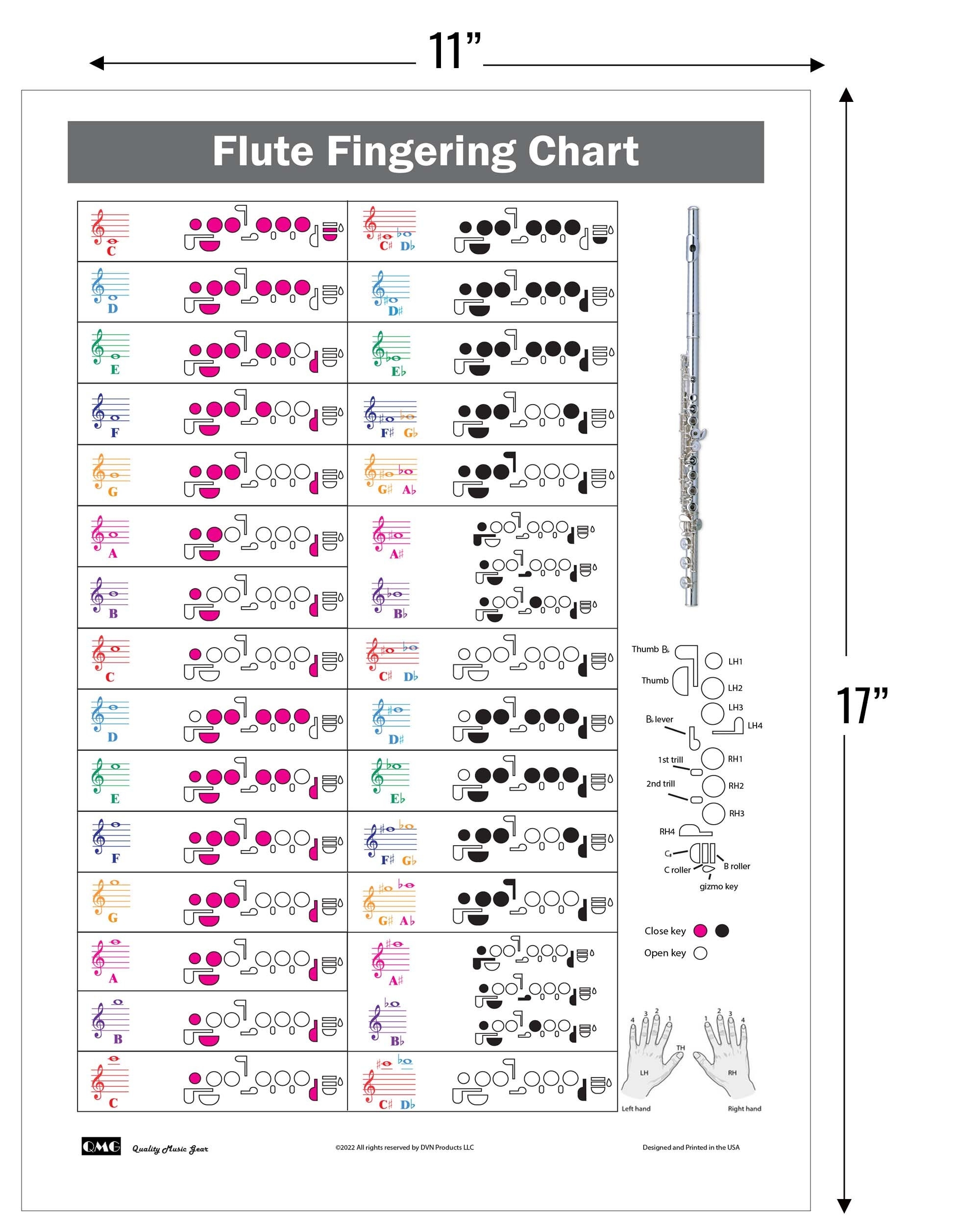
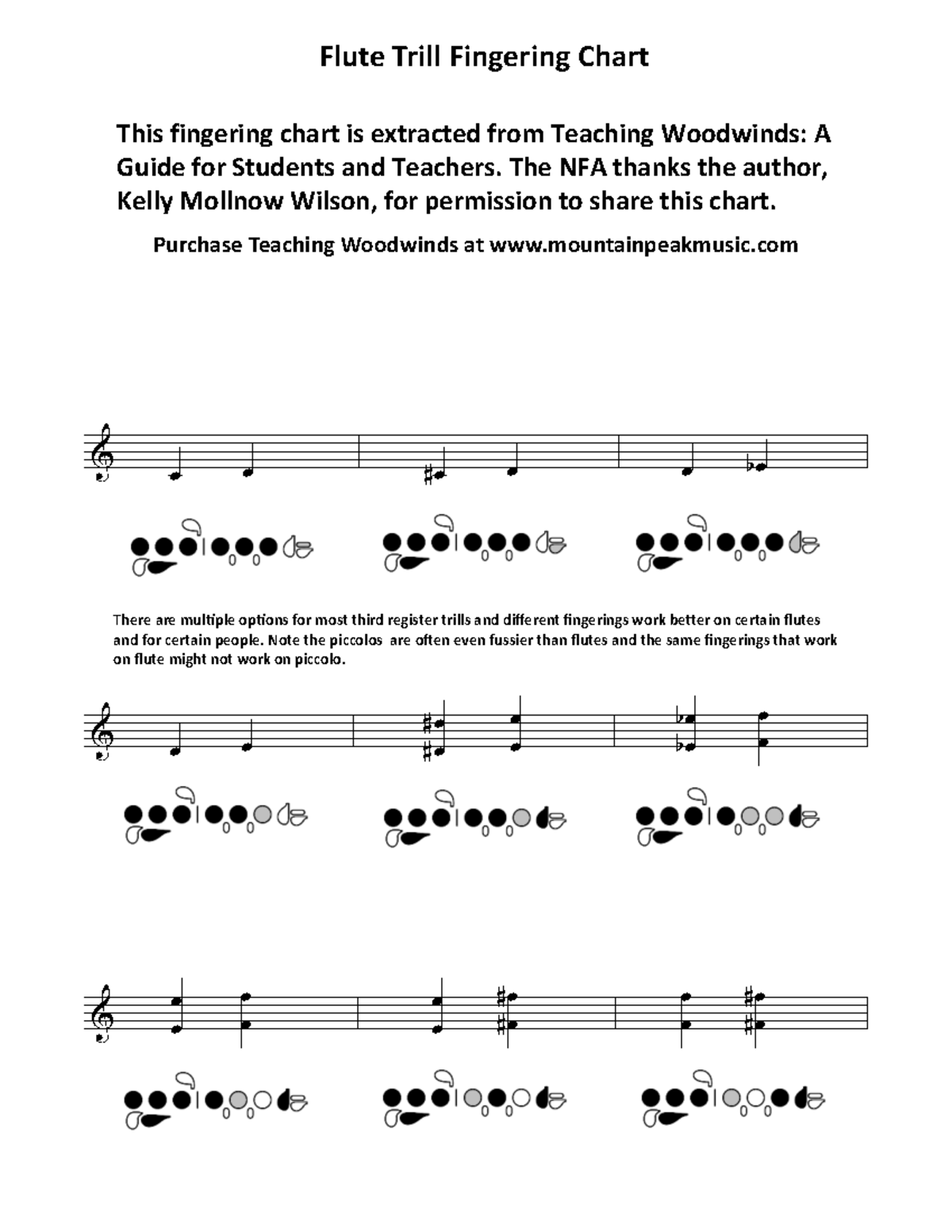
You've got your flute, you're ready to play, and you need a quick reminder on those trills. The flute trill chart is your go-to resource, a handy guide that simplifies those intricate finger movements. It's a visual tool, offering a clear and concise way to master those rapid, decorative notes. Whether you're a beginner or a seasoned player, this chart is a valuable reference, ensuring you can tackle any trill with confidence.
Understanding the Flute Trill Chart: A Quick Overview
The flute trill chart is an essential tool for flute players, offering a visual guide to mastering those rapid, vibrant trills. It's like a map, showing you the path to create beautiful, seamless trills with ease. This chart is your friend, making complex trill techniques more accessible and fun to learn.
Comparing Common Trill Patterns and Fingerings
When it comes to trills, there are various patterns and fingerings to explore. The chart typically presents a range of options, allowing you to see the differences and choose the most suitable approach for your playing style. It's like a reference library, offering a clear comparison of standard trill fingerings and patterns.
Step-by-Step Guide: Using the Flute Trill Chart
Using the flute trill chart is straightforward:
Identify the starting note: Locate the note you want to trill on the chart. This is usually indicated by a specific fingering or note name.
Find the target note: Look for the adjacent note(s) that form the trill. These are often shown as a series of connected dots or lines, indicating the finger movement.
Practice the finger movement: Focus on the finger pattern shown on the chart. Practice moving your fingers smoothly and quickly between the starting and target notes.
Master the embouchure: While finger movement is crucial, don't forget the role of your embouchure (lip and mouth position). Adjust your embouchure to create a clear, vibrant sound throughout the trill.
Combine finger and embouchure techniques: It's all about coordination! Practice blending the finger movement with the embouchure adjustments to produce a seamless, musical trill.
Common Misreadings and How to Avoid Them
One common pitfall is assuming that the chart provides a one-size-fits-all solution. Remember, the flute trill chart offers a general guide, but your specific flute and playing style may require slight adjustments. Always double-check the exact fingerings and notes for your instrument, especially if you're using a different flute type or size. Additionally, pay attention to the context of the music you're playing. The chart may suggest multiple options, and choosing the right one depends on the musical context and your artistic interpretation.
Factors Affecting Accuracy and Real-World Use
Several factors can influence the accuracy and effectiveness of your trills:
Flute type and size: Different flutes, such as concert flutes or piccolos, may require slight adjustments to the fingerings or embouchure.
Musical context: The style and genre of the music you're playing can impact the choice of trill technique. For example, a fast-paced jazz piece may call for a different approach compared to a classical ballet.
Personal playing style: Every flutist is unique! Your finger placement, hand shape, and embouchure may vary slightly, so it's essential to adapt the chart's suggestions to your individual playing style.
Practice and consistency: Like any skill, mastering trills takes time and practice. Consistent practice, focusing on both finger technique and embouchure control, will lead to more accurate and expressive trills.
Remember, the flute trill chart is a valuable tool, but it's just one part of your flute-playing journey. With patience, practice, and a bit of creativity, you'll be trilling like a pro in no time!
Hey there, fellow flutists! We've covered a lot of ground with this chart, and I hope it's given you a clear path to navigate the world of trills. Remember, while the basics remain consistent, the specifics might vary slightly depending on your reference or the style you're aiming for.
Feel free to explore our other guides; we've got plenty of resources to help you master the flute and its many techniques. Happy practicing, and keep those fingers moving!
Related: How to Use the Apoquel Dose Chart?
Frustrated by the endless search for the right information? You're not alone. Many pet owners find themselves seeking a quick, reliable guide to navigate the apoquel dose chart and ensure their furry friends receive the correct dosage. This chart is a crucial tool, offering a simple yet effective way to determine the appropriate treatment for canine allergies. With variations in dosing based on factors like weight and region, having a clear, accessible reference is essential.
Understanding the Apoquel Dose Chart
The apoquel dose chart is a valuable tool for pet owners and veterinary professionals, offering a clear guide to administering the correct dosage of apoquel, a medication used to treat canine allergies. This chart simplifies the process, ensuring your dog receives the right amount based on their weight.
Key Details and Categories
The apoquel dose chart typically presents two main categories: weight ranges and corresponding dosage recommendations. Weight is a critical factor, as it determines the appropriate dose. The chart provides a range of weights, often in kilograms or pounds, with the recommended dosage for each range. This ensures accuracy and safety in medication administration.
Step-by-Step Guide: Reading and Applying the Chart
Follow these steps to accurately use the apoquel dose chart:
- Weigh your dog accurately. Ensure the scale is suitable for your dog's size and provides precise readings.
- Locate your dog's weight on the chart. If their weight falls within a range, choose the dosage for the lower weight in the range. For instance, if your dog weighs 15 kg and the range is 15-20 kg, select the dosage for 15 kg.
- Measure the dosage precisely. Use the appropriate measuring tool, such as a syringe or oral dispenser, to ensure an accurate dose.
- Administer the medication as directed. Follow the instructions for the frequency and timing of doses, typically twice daily for the first two weeks and then once daily thereafter.
Variations and Differences
It's important to note that apoquel dose charts may vary slightly depending on the region and the specific manufacturer's guidelines. Factors like the dog's age, breed, and overall health may also influence dosage, so it's crucial to consult with a veterinarian for personalized advice. Additionally, the chart provides a general guide, and individual cases may require adjustments.
- Key factors influencing dosage:
- Weight of the dog
- Manufacturer's guidelines
- Region-specific standards
- Dog's age and breed
- Overall health condition
Common Dosage Mistakes and How to Avoid Them
To ensure accurate dosing:
- Always refer to the most recent apoquel dose chart provided by your veterinarian or the medication's packaging.
- Avoid rounding up or down when determining the dosage. Stick to the precise weight and corresponding dosage.
- Be mindful of the medication's expiration date and storage instructions to maintain its effectiveness.
- Consult your veterinarian if you have any concerns or questions about the dosage or your dog's response to the medication.
Remember, while the apoquel dose chart is a helpful guide, it's essential to prioritize your dog's health and well-being. Regular communication with your veterinarian is key to ensuring the best care for your canine companion.
Remember that while this chart provides a valuable reference, the exact doses and guidelines may differ slightly depending on various factors. It's always a good idea to consult with a veterinarian for personalized advice and to ensure the best care for your furry friend.
Feel free to bookmark this page for future use, and don't forget to check out our other practical guides for pet owners! We aim to make your life a little easier with these handy resources.