Inside Out 2d Artpng Overview
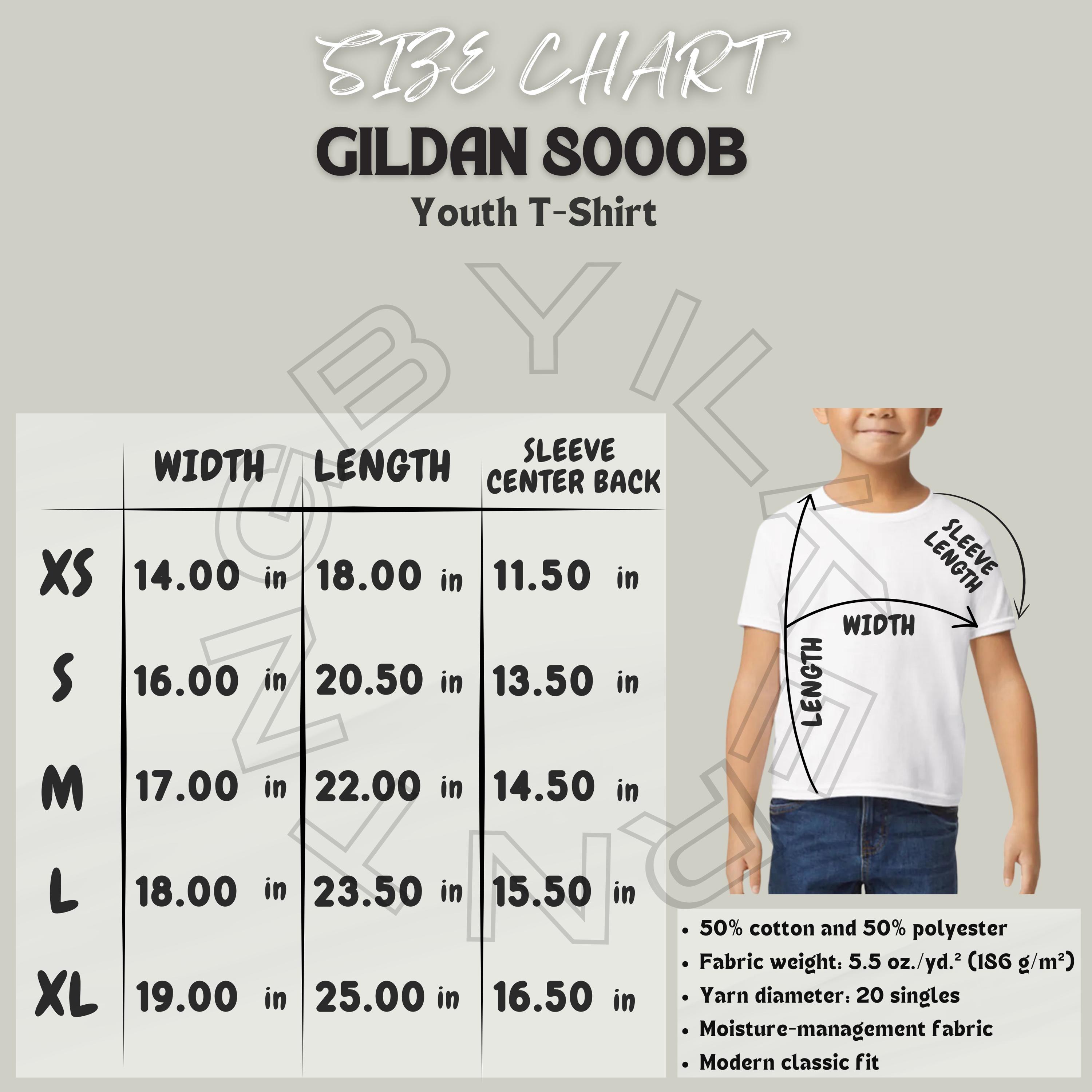
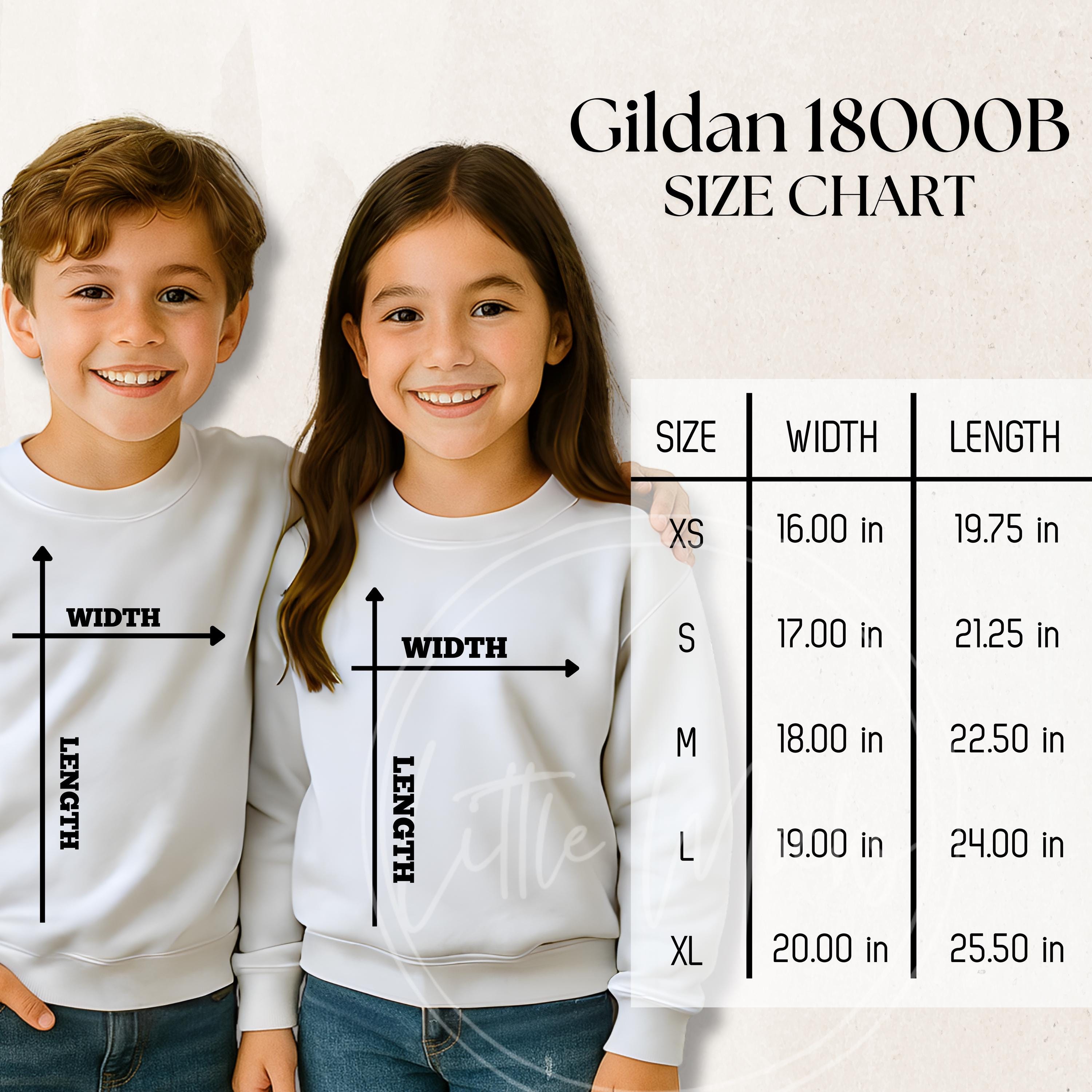
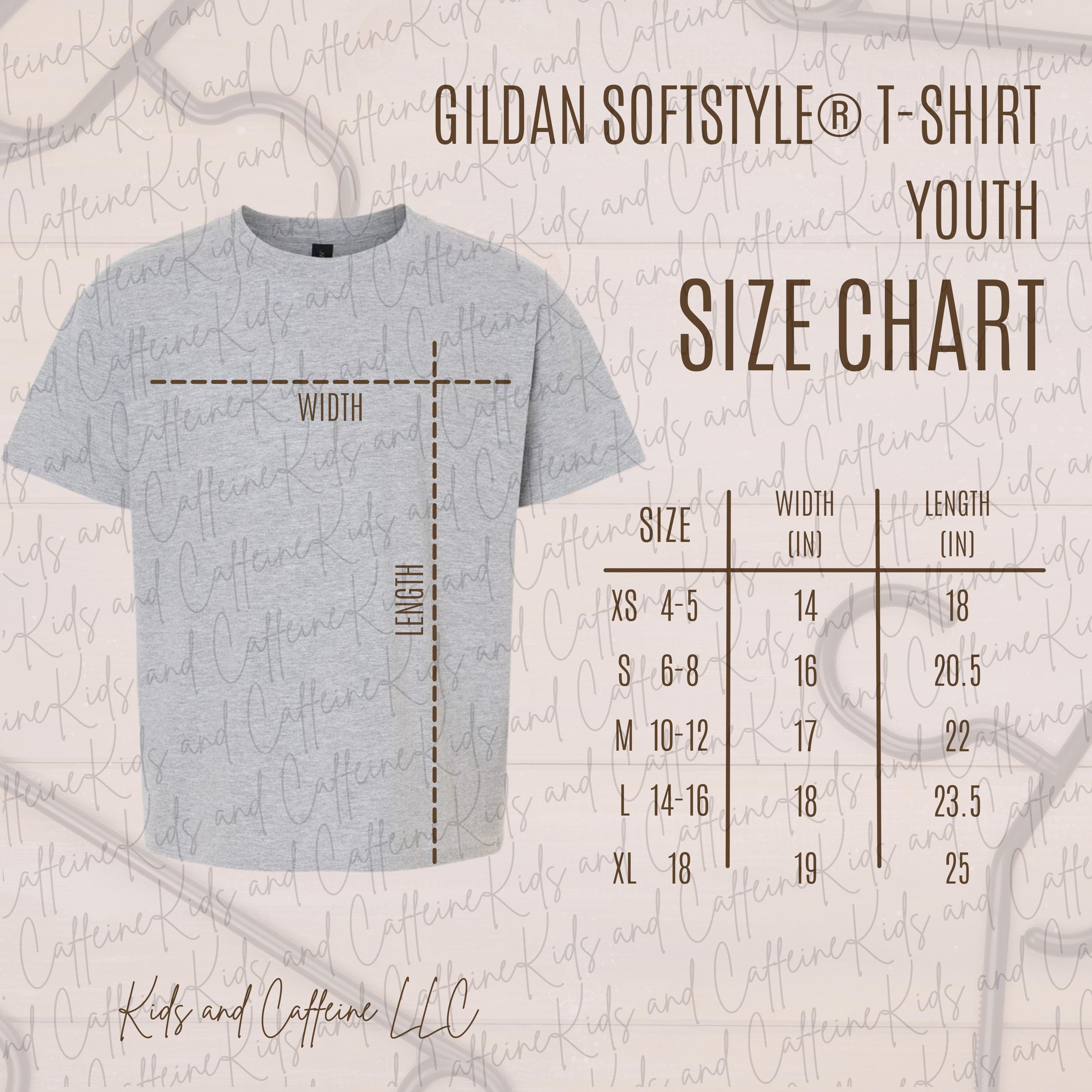
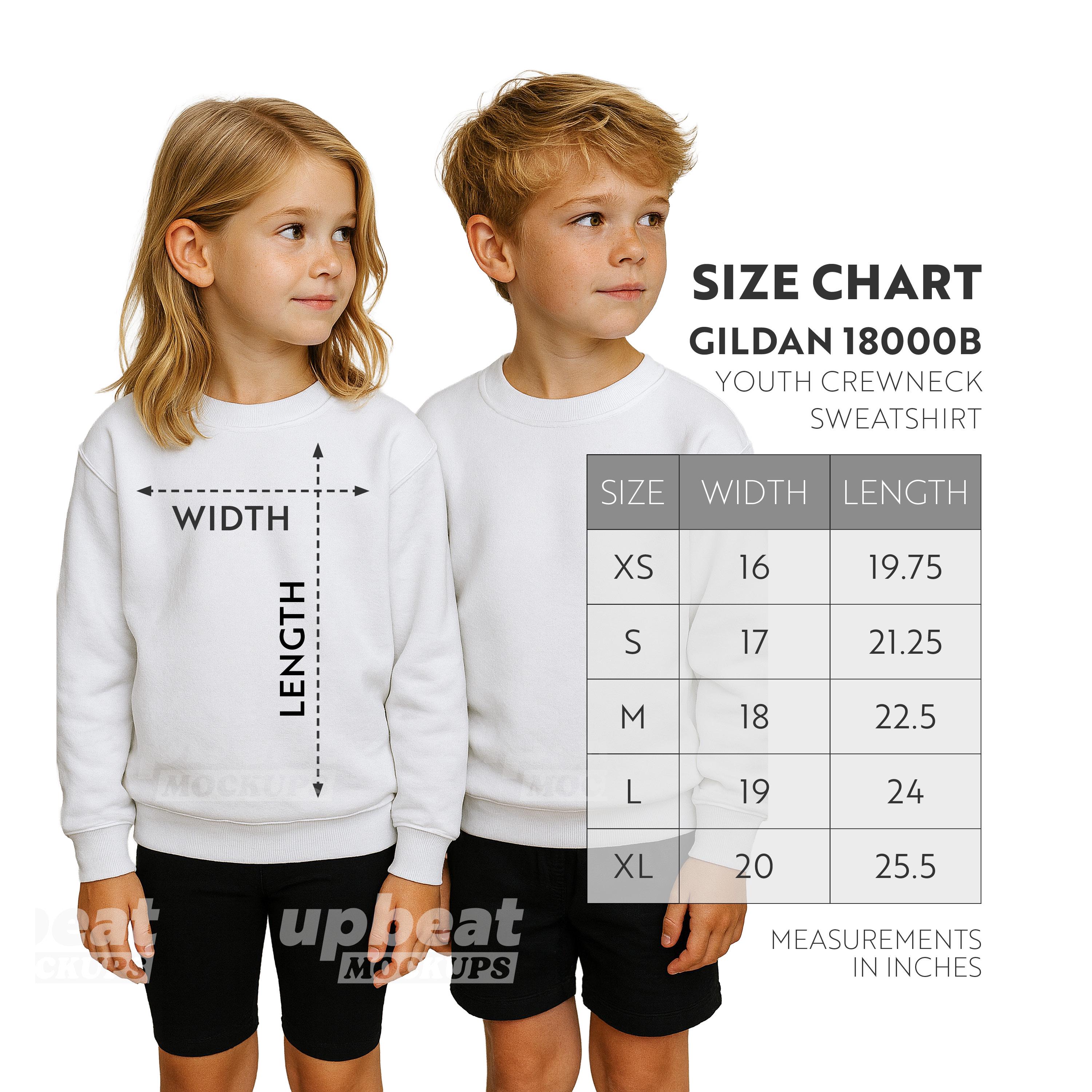
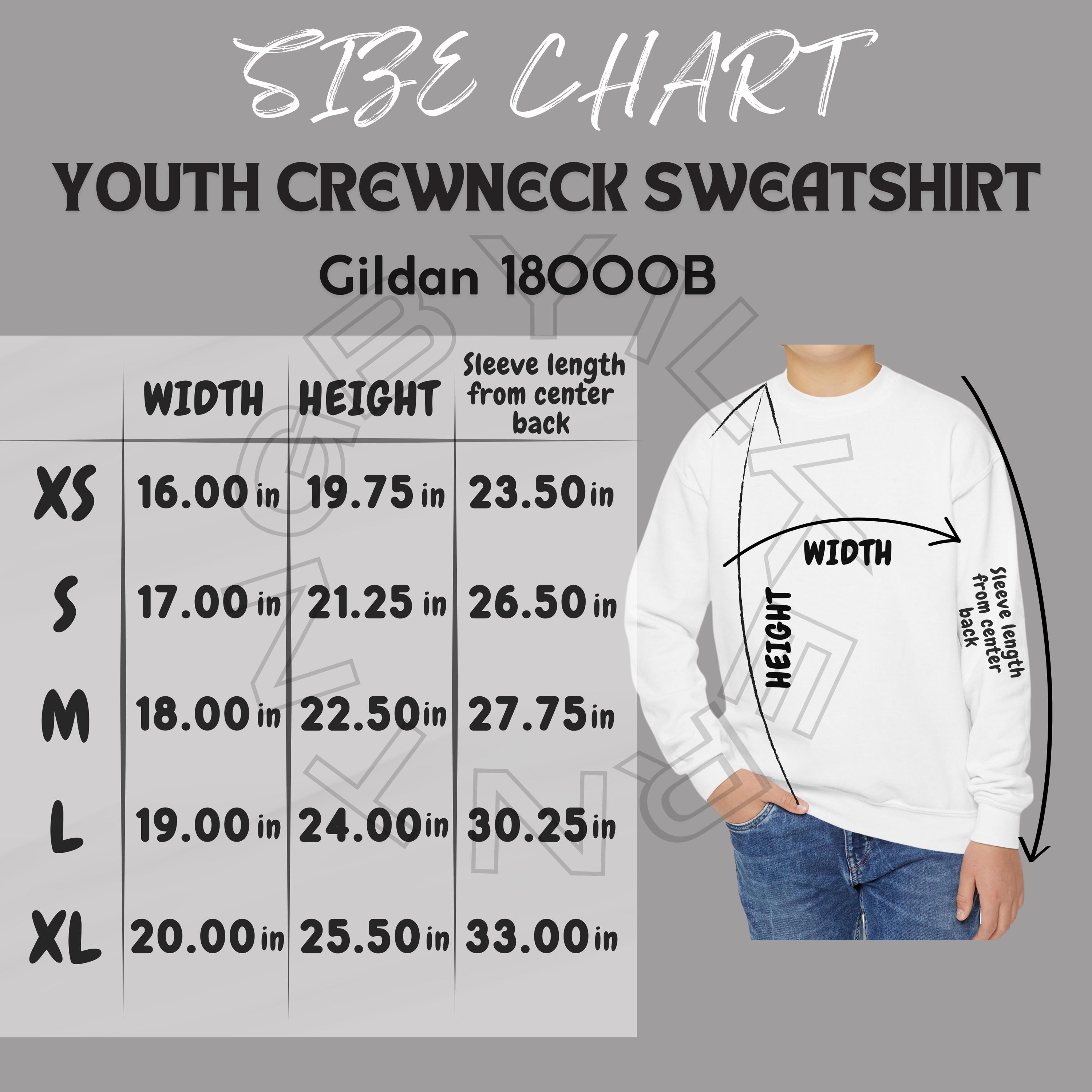
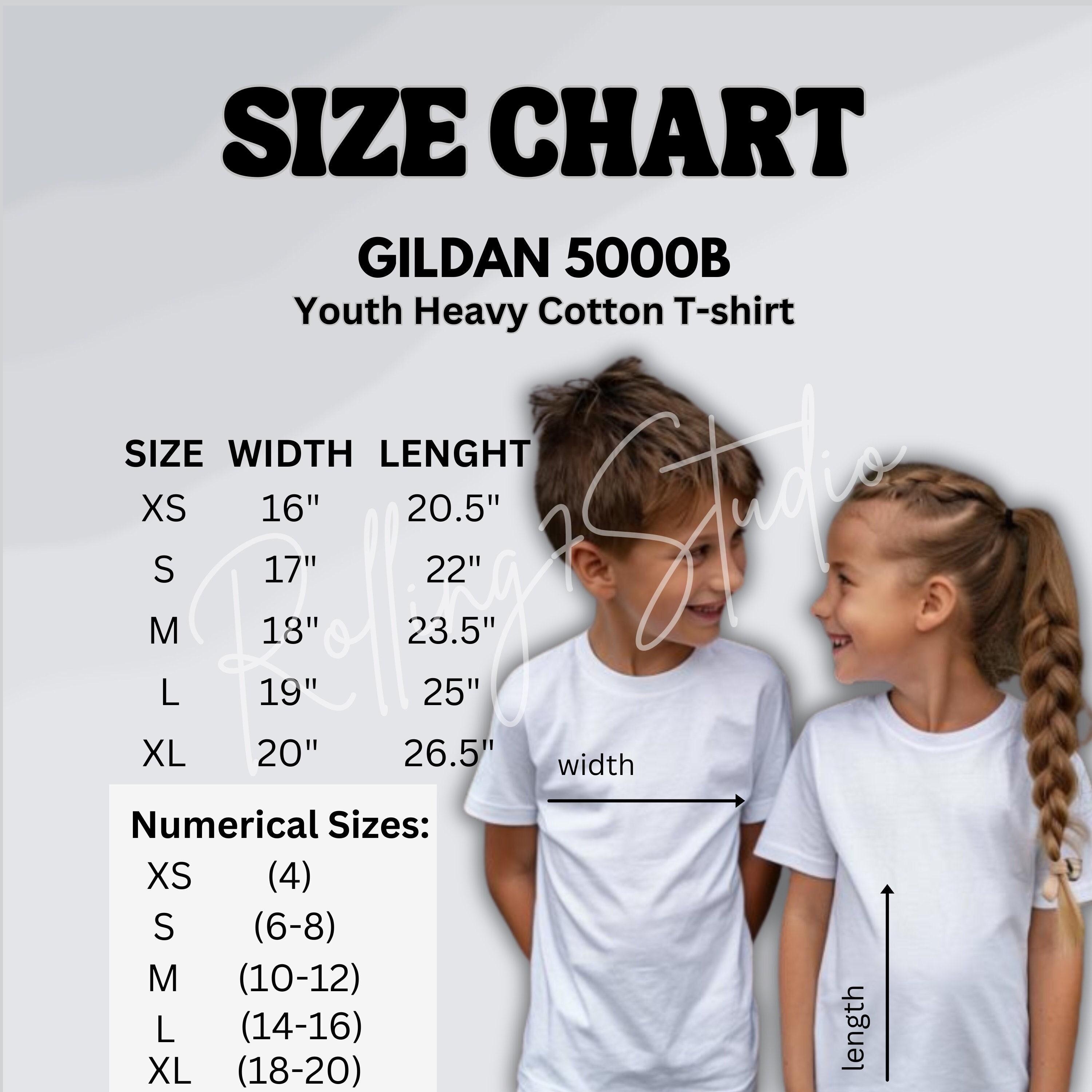
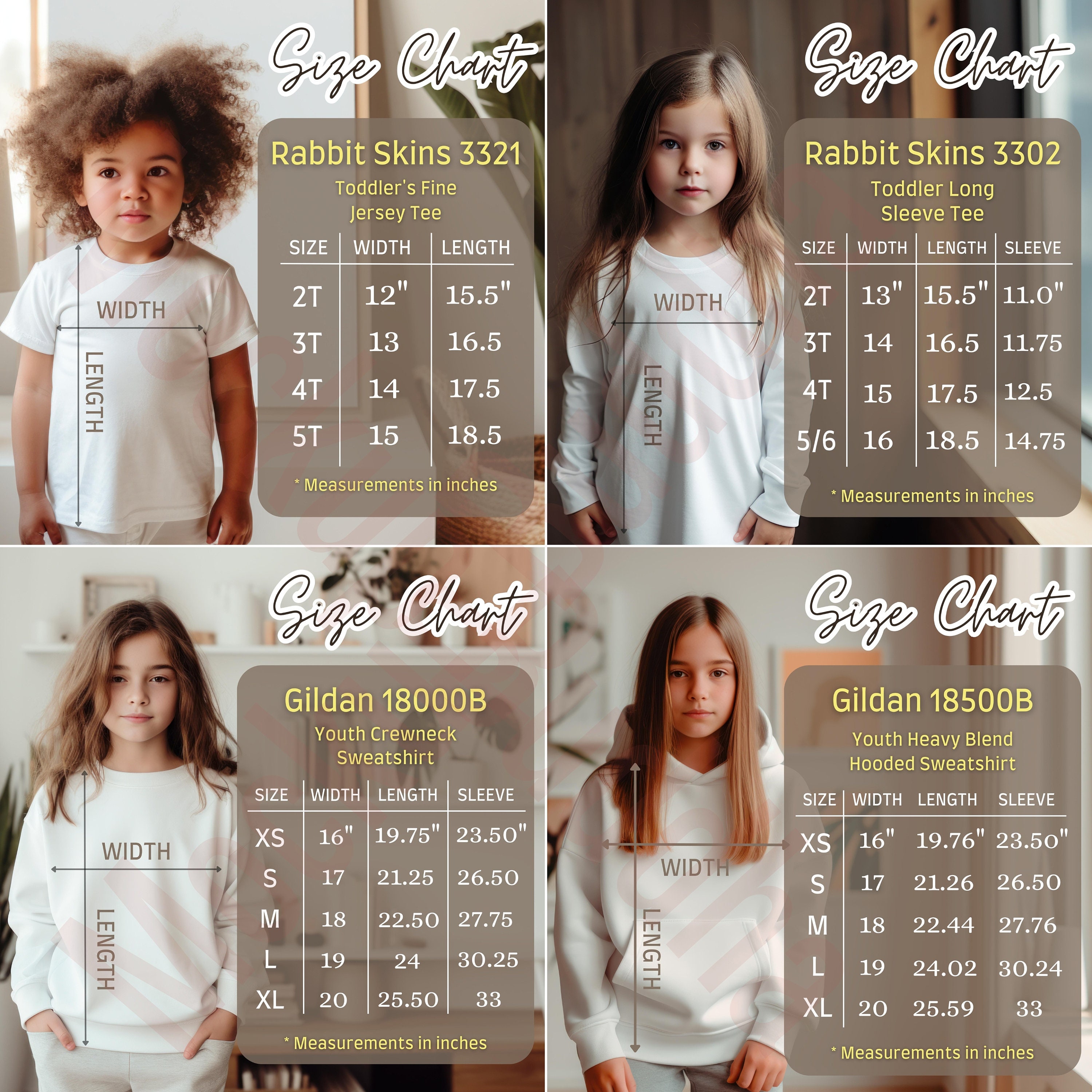
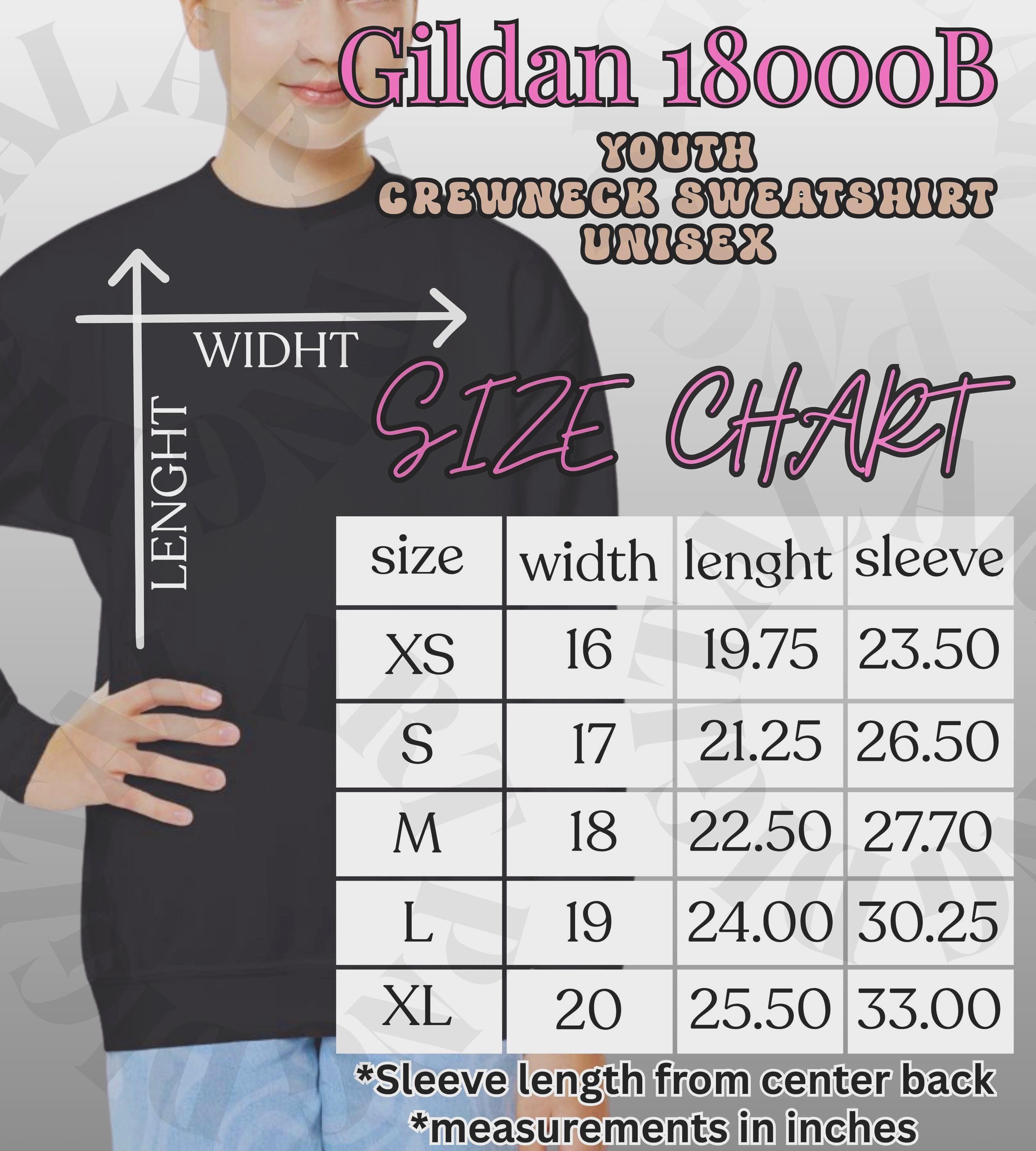
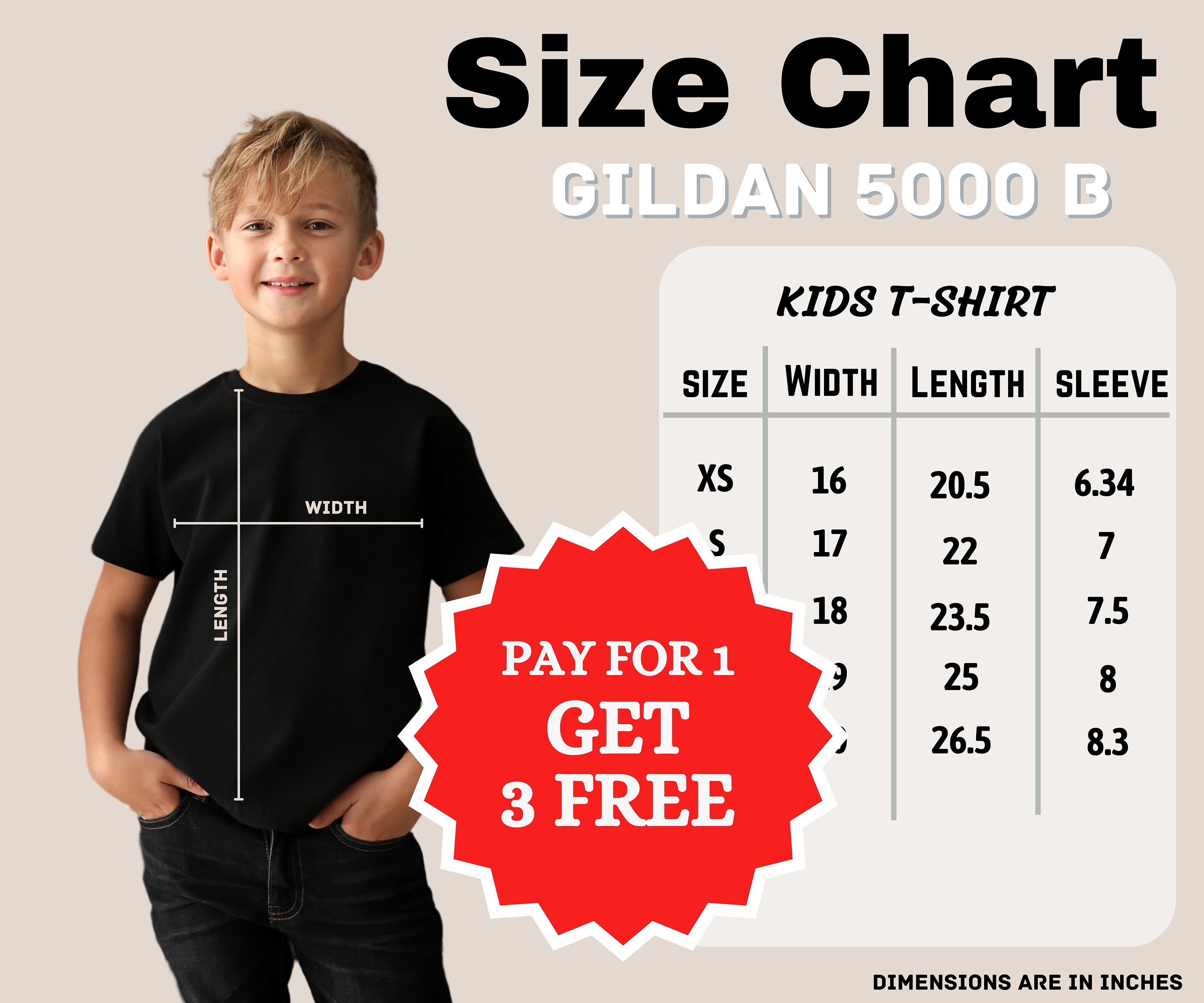
A youth size chart is a handy tool for parents and caregivers, offering a quick and accurate way to find the right fit for kids' clothing and shoes. This guide will show you how to navigate these charts, ensuring you get the perfect size every time.
Understanding the youth size chart is essential, especially when shopping online or for specific brands. While the charts provide standard measurements, they can vary slightly, so knowing how to read them is key.
Youth Size Chart: A Practical Guide
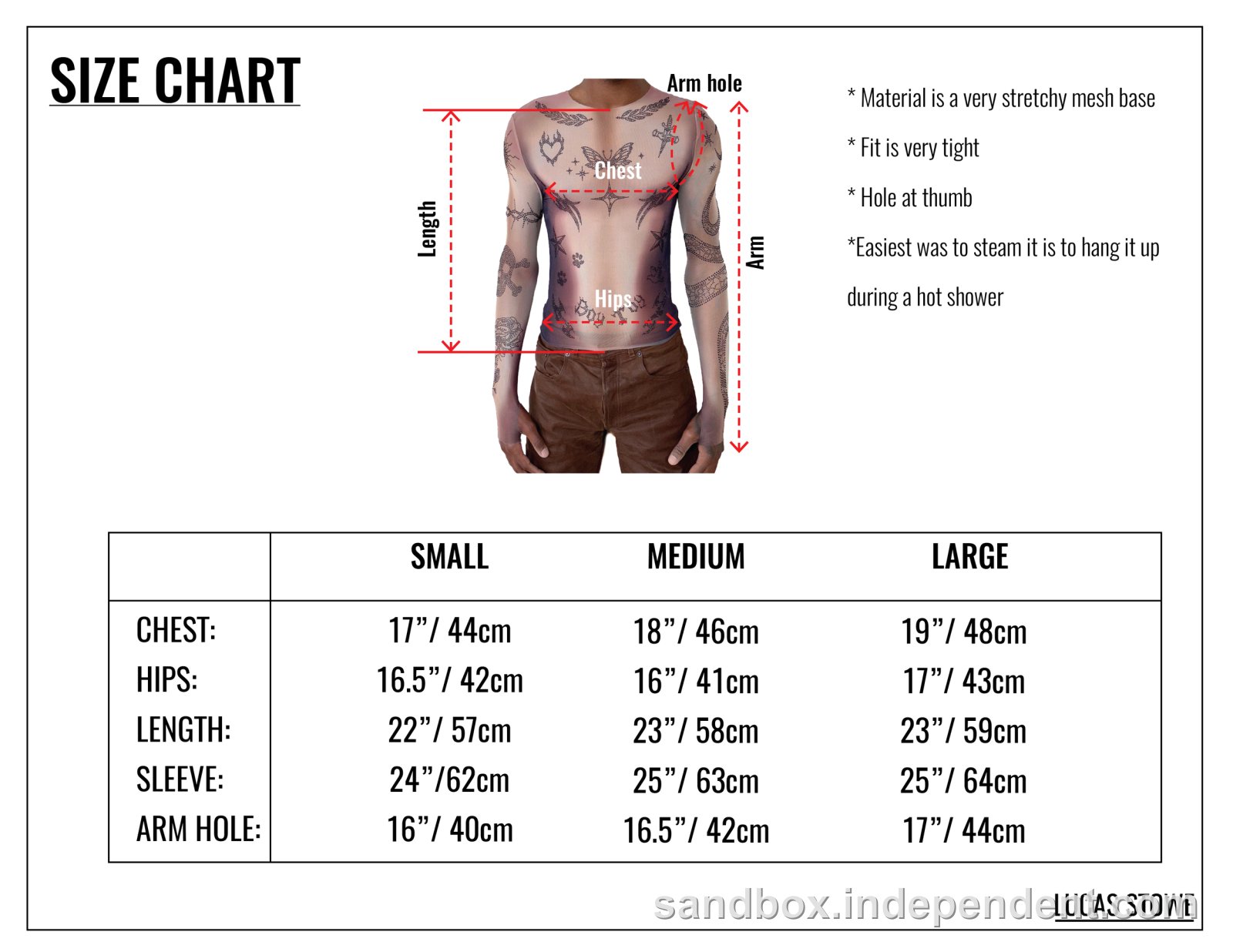
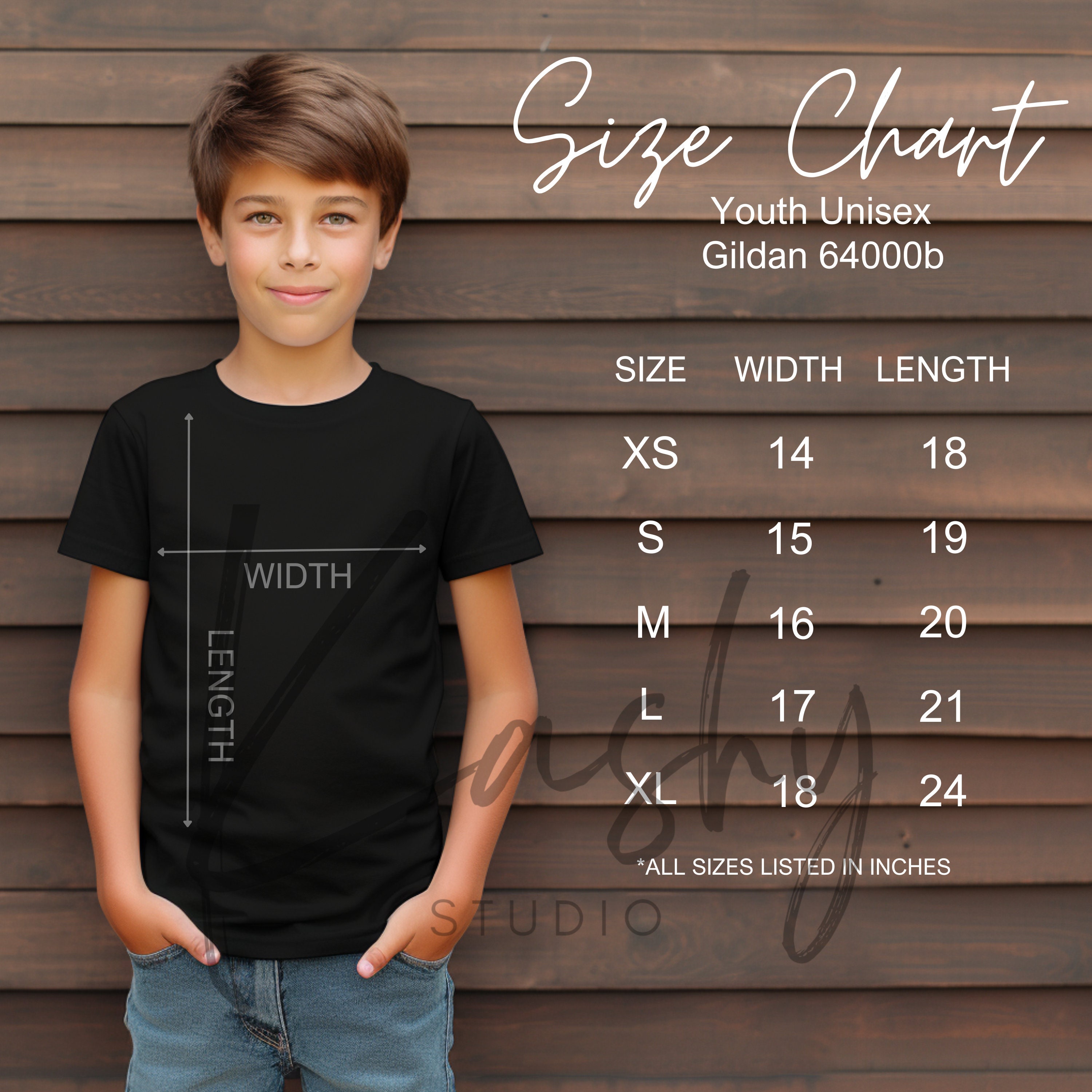
A youth size chart is an essential tool for parents and caregivers to ensure kids' clothes and shoes fit comfortably and correctly. This chart provides a standardized guide to help you choose the right size for children's apparel and footwear.
Key Details and Categories
The youth size chart typically includes categories for clothing and shoes, with specific measurements for each. For clothing, you'll find sizes ranging from XS (extra small) to XL (extra large), each with corresponding chest, waist, and height measurements in inches or centimeters. Shoe sizes, on the other hand, are numbered and often include an age range as a reference.
Understanding the Chart: Step-by-Step
To use the youth size chart accurately, follow these steps:
- Measure your child's chest, waist, and height. Ensure you use a flexible measuring tape for an accurate reading.
- Locate the appropriate category on the chart: clothing or shoes.
- For clothing, find the size that best matches your child's measurements. If their measurements fall between two sizes, choose the larger size for comfort and room to grow.
- For shoes, identify the size that aligns with your child's age or foot length.
- Always double-check the specific brand or manufacturer's guidelines, as sizing can vary slightly between brands.
Common Size Variations and Why They Occur
It's important to note that youth sizes can vary depending on several factors:
- Region and Standard: International youth size charts may use different units or have slightly different measurements. Always check if the chart follows US or international standards.
- Clothing Style: Different types of clothing, like shirts, pants, or jackets, may have unique sizing requirements.
- Shoe Type: Athletic shoes, for instance, might have a different fit compared to dress shoes.
- Individual Differences: Every child's body is unique, so variations in body shape and size are common.
Practical Sizing Tips and Common Mistakes to Avoid
Here are some tips to ensure accurate sizing:
- Measure your child regularly, as they grow quickly!
- Don't assume that all brands follow the same sizing guidelines.
- When in doubt, opt for a slightly larger size to allow for growth.
- Avoid relying solely on age for shoe sizing; foot length is a more accurate indicator.
- Remember that comfort and fit are crucial, so always try items on if possible.
By following these guidelines and understanding the factors that influence youth sizing, you'll be able to choose the perfect fit for your child's clothes and shoes.
Hey there, I hope this youth size chart guide has been a helpful resource for you. Remember, when it comes to sizing, exact values can differ slightly, so always double-check the source and standard you're using.
It's always a good idea to bookmark pages like these for future reference, especially when you're shopping for kids and need a quick reminder of the right measurements. Feel free to explore our other guides too; we've got plenty of practical tips and tricks to make your life easier!
Related: What is the reta dosing chart all about?
The reta dosing chart is an essential tool for anyone seeking accurate medication dosage information. This guide aims to provide a clear understanding of how to navigate and utilize such charts effectively. Whether you're a healthcare professional, caregiver, or simply need to administer medication, having a reliable reference is crucial.
Reta dosing charts can vary in format and detail, but their purpose remains consistent: to ensure safe and precise medication administration. This resource will cover the key elements and offer insights into reading and interpreting these charts, including any potential variations you may encounter.
Understanding the Reta Dosing Chart
The reta dosing chart is a valuable tool designed to guide medication administration, especially for oral medications. It serves as a reference guide, providing clear and precise information on dosage amounts based on various factors. This chart ensures accurate dosing, which is crucial for effective treatment and patient safety.
Comparing Chart Formats and Standards
Different regions and healthcare systems may have variations in their dosing charts. For instance, the reta dosing chart typically follows standard dosing protocols, but it's essential to be aware of potential differences. These charts can be found in metric or imperial units, so it's crucial to use the correct format for your region.
Step-by-Step Guide to Using the Chart
To utilize the reta dosing chart accurately, follow these steps:
- Identify the medication and its strength. Ensure you have the correct drug and understand its concentration or dosage form.
- Locate the patient's weight on the chart. This is a critical factor as dosing often depends on body weight.
- Read across the row corresponding to the patient's weight. Here, you'll find the recommended dosage for that specific medication and strength.
- If the patient's weight falls between two categories, you may need to adjust the dose. Consult a healthcare professional for guidance in such cases.
- Double-check the dosage and administration instructions. Ensure you understand the route of administration (oral, for instance) and any specific instructions for that medication.
Avoiding Common Misreadings
Misinterpreting the reta dosing chart can lead to errors. Here's how to avoid them:
- Pay close attention to the units of measurement. Ensure you are using the correct unit system, whether it's milligrams (mg) or milliliters (ml).
- Be cautious with decimal points. Some charts may use decimals to represent fractions, so read carefully to avoid confusion.
- Understand the medication's concentration. Different strengths require different dosages, so ensure you have the right medication and its corresponding dosage.
Factors Affecting Accuracy
Several key factors can impact the accuracy of the reta dosing chart and its application:
Weight variations: Significant changes in a patient's weight may require dose adjustments.
Medication strength: Different strengths of the same drug can have varying dosages.
Age and health factors: Certain conditions or age groups may have specific dosing guidelines.
Route of administration: The chart may provide dosages for oral administration, but other routes (like intravenous) may require different calculations.
Patient tolerance: Some individuals may have unique sensitivities or tolerances, requiring dose adjustments.
Adapting the Chart for Specific Needs
The reta dosing chart is versatile and can be adapted to meet specific requirements:
- Pediatric dosing: For children, the chart can be adjusted based on their weight and age.
- Adult dosing: Adults may require higher dosages, and the chart can guide appropriate adjustments.
- Special populations: Elderly patients or those with renal or hepatic impairments may need modified dosages, which the chart can help determine.
Keeping Your Reference Reliable
To ensure the reliability of your reta dosing chart:
- Regularly update your chart to reflect the latest dosing guidelines and standards.
- Cross-reference with reputable sources and consult healthcare professionals for any doubts.
- Store the chart in a safe and accessible place, ensuring it's easily retrievable when needed.
- Consider using digital versions or apps that offer real-time updates and additional features for convenience and accuracy.
While the reta dosing chart is a handy tool, it's important to remember that its specifics can vary depending on your unique situation and the standards or sources you refer to. The key is to find a format that works best for your needs and ensures accuracy in real-world applications.
Feel free to explore other guides and resources to further enhance your understanding and stay informed. And don't forget to bookmark this page for a quick reference guide the next time you need a reliable reta dosing solution!
Related: What is the lol mastery chart all about?
You've found yourself searching for a lol mastery chart to help you quickly grasp the game's mechanics and strategies. This simple yet effective tool, often in the form of a visual guide, offers a snapshot of the game's mastery system. It's a handy reference for players, providing an overview of the mastery tree, runes, and the path to progression.
Understanding the LOL Mastery Chart
The lol mastery chart is a visual representation of a player's progress and skill development in the game League of Legends. It provides an overview of a player's mastery points, ranks, and their journey through the game's mastery system. This chart is a valuable tool for players to track their growth and understand their standing among other players.
Key Details and Categories
The chart typically displays mastery points, which are earned through playing and achieving certain milestones. These points are represented on a scale, often with different colors or levels to indicate progress. The categories or ranks on the chart are usually divided into tiers, with each tier representing a higher level of mastery. These tiers may have names or numerical values associated with them, indicating the player's overall skill level.
Reading Mastery Levels and Progression
To read the lol mastery chart, start by identifying your current mastery rank or tier. This is often displayed prominently on the chart. Next, look at the mastery points associated with your rank. These points indicate the progress you've made and the skills you've acquired. The chart may also provide insights into the next steps for progression. It might suggest specific champions or roles to focus on to advance to the next tier.
Here's a step-by-step guide:
- Locate your current rank or tier.
- Note the mastery points and any associated achievements.
- Identify the requirements or suggestions for advancing to the next tier.
- Plan your gameplay to fulfill these requirements, whether it's mastering a new champion or improving your strategy.
Common Mastery Paths and Variations
The lol mastery chart can vary based on several factors. Firstly, different regions or servers may have slightly different mastery systems and charts. Additionally, the game itself evolves, introducing new champions and updates, which can impact the mastery path. Players' preferences and playstyles also contribute to variations. Some players might focus on a specific role or champion, resulting in unique mastery paths.
- Regional differences
- Game updates and new champions
- Player preferences and playstyles
Remember, the lol mastery chart is a guide, and while it provides a structured overview, it's important to adapt and tailor your gameplay to your strengths and interests. It's a tool to help you understand your progress and set goals, but the beauty of League of Legends lies in its diverse strategies and the freedom to explore different paths.
The LOL Mastery Chart is a handy tool, offering a clear and concise reference point for your LOL journey. By understanding the key elements, you can navigate and apply this chart with ease.
Remember, when utilizing any reference guide, it's essential to consider your unique context and requirements. Exact values and standards may vary, so a quick double-check ensures you're on the right path. Feel free to bookmark this page for future LOL adventures; it's a simple yet effective resource to have at your fingertips!