Kindergarten Homeschool Printables Overview
Easy paper craft for kindergarten is a fun and simple way to get creative with your little ones, and it's something I've really enjoyed doing with my kids. It's a great activity to keep them entertained and engaged, and it's so satisfying to see their little faces light up with pride when they've made something cool.
So, what is this all about? Well, it's basically a collection of craft ideas that use paper as the main material. These crafts are designed to be accessible and fun for kids, with simple steps and minimal supervision needed. It's a brilliant way to encourage their creativity and fine motor skills, and it's an affordable activity too!
You can find a whole range of ideas online, from the classic paper chain to more intricate pop-up cards. Some ideas are seasonal, like making paper snowflakes for Christmas, while others are more general and can be done anytime. The best part is that these crafts often require very few materials - paper, scissors, glue, and maybe some crayons or markers.
Getting Started
If you're new to this, I'd recommend starting with some basic folding and cutting activities. You can teach them how to make simple shapes like squares and triangles, and then use those to create fun designs. For example, folding a piece of paper into a fan shape is a great way to introduce the concept of symmetry and pattern-making.
Step It Up
Once they've got the hang of the basics, you can introduce more complex crafts. One of my favorites is making paper boats. It's a classic for a reason - it's easy, and kids love seeing their creations float in water! You can also try making paper hats, which is a fun way to encourage imagination and role-play.
The beauty of easy paper craft for kindergarten is that it's so adaptable. You can tailor the difficulty level to your child's age and abilities, and you can often use these crafts as a springboard for other activities. For instance, making a paper doll might lead to a fun dress-up game, or creating a paper city could inspire some imaginative play.
So, why not give it a go? It's a brilliant way to spend some quality time with your kids, and you might just discover a new hobby together!
Related: Construction Outlook Essential Guide
I've just been thinking about all the construction going on around me lately, and it got me curious about construction outlook. You know, all those new builds and renovations, it's like a whole new world springing up. So, I decided to dig a bit deeper and see what's up with the construction game these days.
Understanding Construction Outlook
Construction outlook is basically a big-picture view of the construction industry. It's about understanding the trends, the costs, and the opportunities in the world of building and renovating. For anyone planning a project, whether it's a new home, an addition, or a renovation, having a handle on the construction outlook is super important. It can help you make informed decisions and avoid any nasty surprises.
So, what does it entail? Well, it's about keeping an eye on things like material costs, labor rates, and the general demand for construction services. These factors can vary wildly depending on your location and the specific project you have in mind. For example, in a place like San Francisco, you might expect higher costs due to the high demand for construction and the limited space, whereas a city like Helena might have a different set of challenges and opportunities.
Hiring and Costs
When it comes to hiring contractors or companies, the construction outlook can give you a good idea of what to expect. It's all about comparing quotes and understanding what you're paying for. You want to check out the scope of the work, the materials being used, and the timeline. A good quote will cover all these bases and more. It's also worth remembering that the cheapest quote might not always be the best. Sometimes, you get what you pay for, and construction is no exception.
Company Names and the Industry
For those in the industry, or thinking of starting a construction business, choosing a name is a big deal. It needs to be memorable, reflect your services, and be unique. Some construction companies go for a more traditional, descriptive name, like 'Atlanta Building Solutions', while others opt for something more creative, like 'Build-It-Right'. Either way, it's important to check the name's availability and register it locally and online to avoid any legal headaches down the line.
Jobs and Opportunities
The construction industry offers a whole range of jobs, from general contractors to estimators and project managers. These roles can vary in terms of salary and responsibilities, but they all play a crucial part in bringing projects to life. If you're looking for construction jobs, you'll probably find opportunities listed on job boards and company websites. It's a good idea to check out the larger construction firms, as they often have more diverse roles to offer.
Tools and Resources
There are also some great tools and resources out there to help with construction outlook. For example, RSMeans is a popular cost database that provides estimates for a range of construction projects. It's a handy resource for anyone wanting to get a handle on costs and stay informed about industry trends. There are also plenty of other cost indexes and databases out there, each with their own strengths and weaknesses.
The Big Picture
When it comes to the bigger construction companies, they often have the resources to take on larger, more complex projects. These firms might have a wider reach and the ability to offer a broader range of services. However, smaller companies can often provide a more personalized service and might be a better fit for certain projects. It all depends on your specific needs and the nature of your project.
So, there you have it. A little insight into construction outlook and what it means for those in the industry and those planning projects. It's a fascinating world, and one that's constantly evolving.
I hope this has given you some food for thought and a better understanding of the construction game. It's always good to be informed!
Related: Find Corolla Tide Chart: Quick Reference Guide
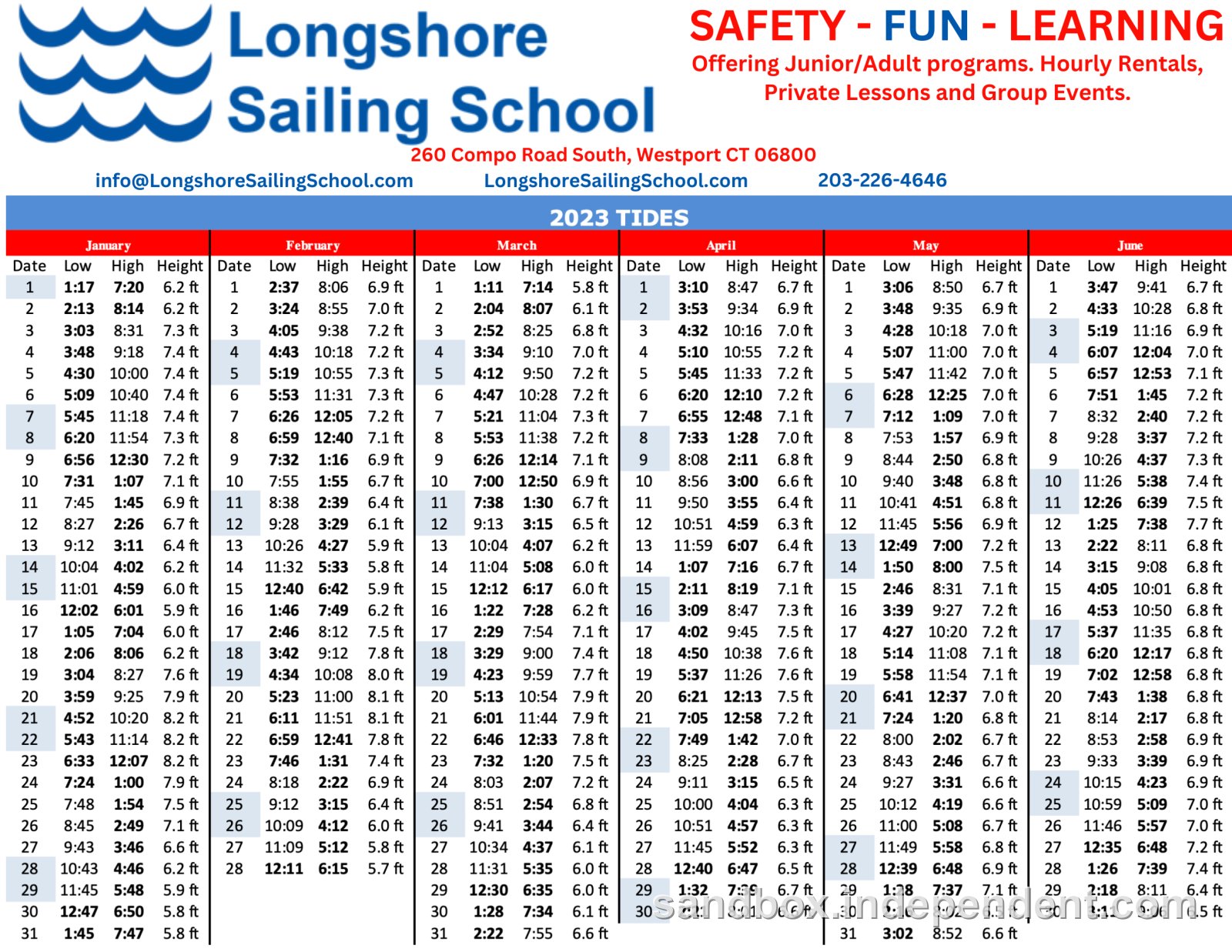
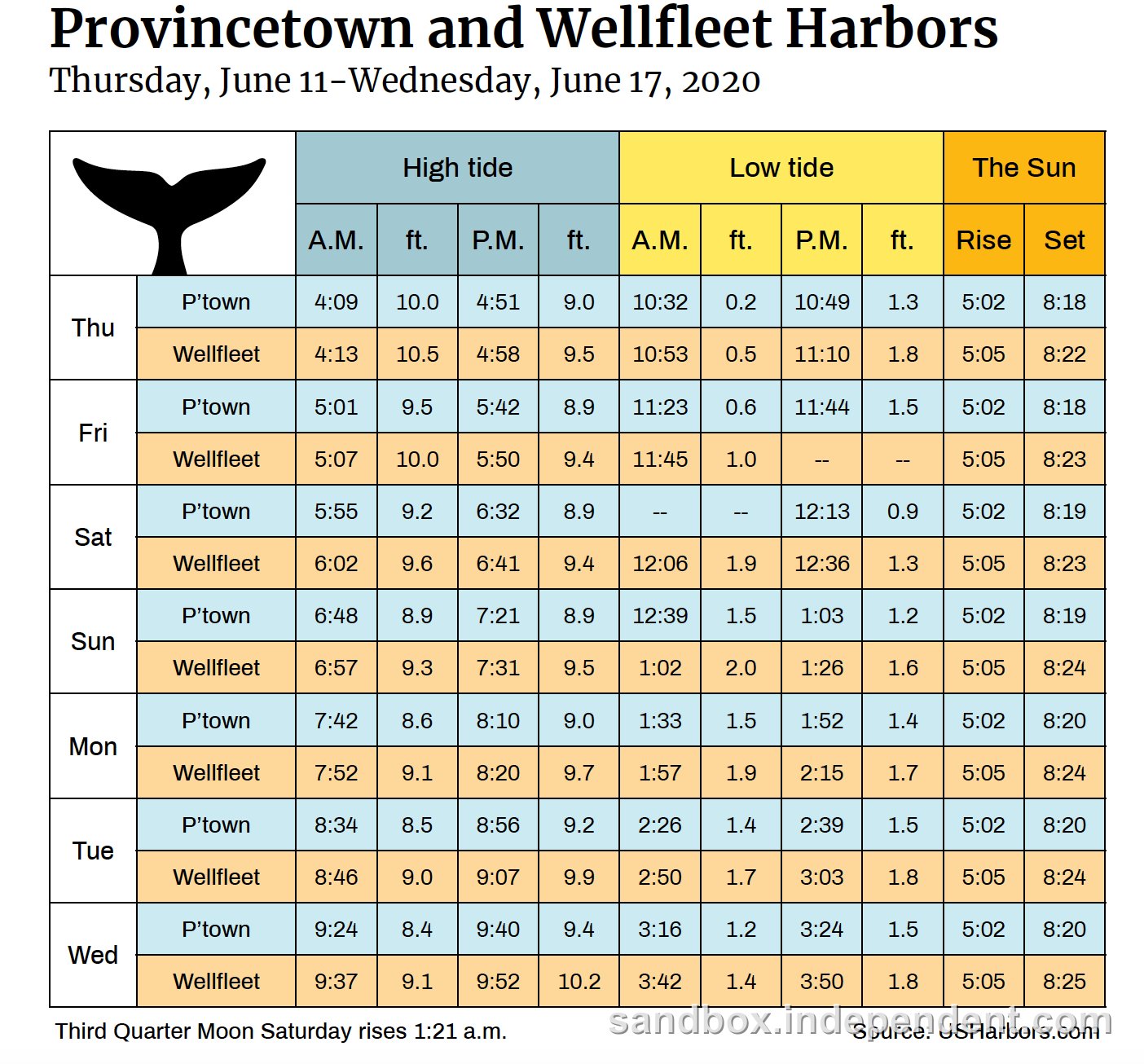
You're probably here because you need a quick answer, a reliable reference, or some clarity on reading Corolla tide charts. These charts are a handy tool, offering a simple visual guide to help you plan your day by the sea. They provide valuable insights into the ebb and flow of the tides, showing you the tide times and heights, which can vary depending on your location.
Understanding Corolla Tide Charts
A tide chart is a handy tool that shows the predicted times and heights of high and low tides for a specific location, like Corolla. These charts are essential for anyone planning activities near the coast, from fishing and boating to beachcombing and surfing. By understanding and using a tide chart, you can make the most of your time on the water or along the shore.
Key Details and Categories
A tide chart typically displays the following information: the date and time of each tide, the height of the tide (usually in feet or meters), and sometimes additional details like the moon phase or tidal current speeds. The times are often given in a 24-hour clock format, so it's good to be familiar with that. The height of the tide is a crucial factor, as it affects water depth and can impact various activities.
Reading and Applying Tide Levels
Here's a step-by-step guide to reading and using a corolla tide chart:
- Identify the date and time you're interested in. Tide charts usually cover a specific period, often a month, so find the relevant date.
- Look for the corresponding high and low tide times. These are typically marked clearly, with the height of the tide noted beside each time.
- Consider the height of the tide for your activity. For example, if you're fishing, you might want to aim for a high tide to access deeper waters.
- Plan your activities accordingly. With the tide times and heights in mind, you can schedule your day to make the most of the conditions.
- Remember to check the moon phase, if available. This can give you an idea of the tidal range and the potential for strong currents.
Variations and Differences
Tide charts can vary based on several factors:
- Location: Different coastal areas will have unique tide patterns due to geographical features and ocean currents.
- Moon and Sun: The gravitational pull of these celestial bodies affects tides, so lunar and solar cycles can cause variations.
- Weather: Storms and high winds can influence tidal behavior.
- Seasonal Changes: Tides can exhibit different patterns throughout the year.
Common Mistakes and How to Avoid Them
- Misreading the Time: Always double-check the time format. A simple mistake like confusing AM and PM can lead to missed opportunities.
- Ignoring Tidal Currents: Strong currents can make boating and fishing challenging. Check for any notes on current speeds on your tide chart.
- Assuming Consistency: Tide patterns can change, so avoid relying solely on past experiences. Always check the latest tide data.
- Forgetting to Adjust for Daylight Saving: Remember to account for time changes, especially during spring and autumn.
Practical Tips for Accurate Results
- Use Reputable Sources: Ensure your tide chart comes from a reliable source, such as a trusted website or a local marina.
- Check Regularly: Tide conditions can change, so update your tide data frequently, especially if you're planning activities over several days.
- Consider Weather Forecasts: Weather can impact tides, so keep an eye on forecasts to anticipate any unusual tidal behavior.
- Learn Local Patterns: If you frequent a specific coastal area, study the local tide patterns to better predict conditions.
Double-Checking and Handling Exceptions
While tide charts are valuable, they are predictions and may not always be accurate, especially during extreme weather events. Always be prepared for variations and:
- Check for Any Alerts: If there's a storm or unusual weather, confirm the tide predictions with local authorities or marine experts.
- Use Multiple Sources: Compare predictions from different sources to get a more accurate picture, especially during exceptional circumstances.
- Plan for Flexibility: If you're dependent on specific tide conditions, consider having a backup plan or being ready to adapt.
- Stay Informed: Keep updated with the latest weather and marine forecasts to make informed decisions.
Well, there you have it! Understanding the Corolla Tide Chart is a handy skill, and now you're equipped with the knowledge to navigate it like a pro. Remember, while this guide provides a solid foundation, always double-check the specific context and requirements for your project or location. It's a good idea to keep an eye on any unique factors that might affect your readings.
Feel free to explore our other resources for more practical insights and guides. We've got you covered with a range of topics to enhance your knowledge and skills. Happy charting!