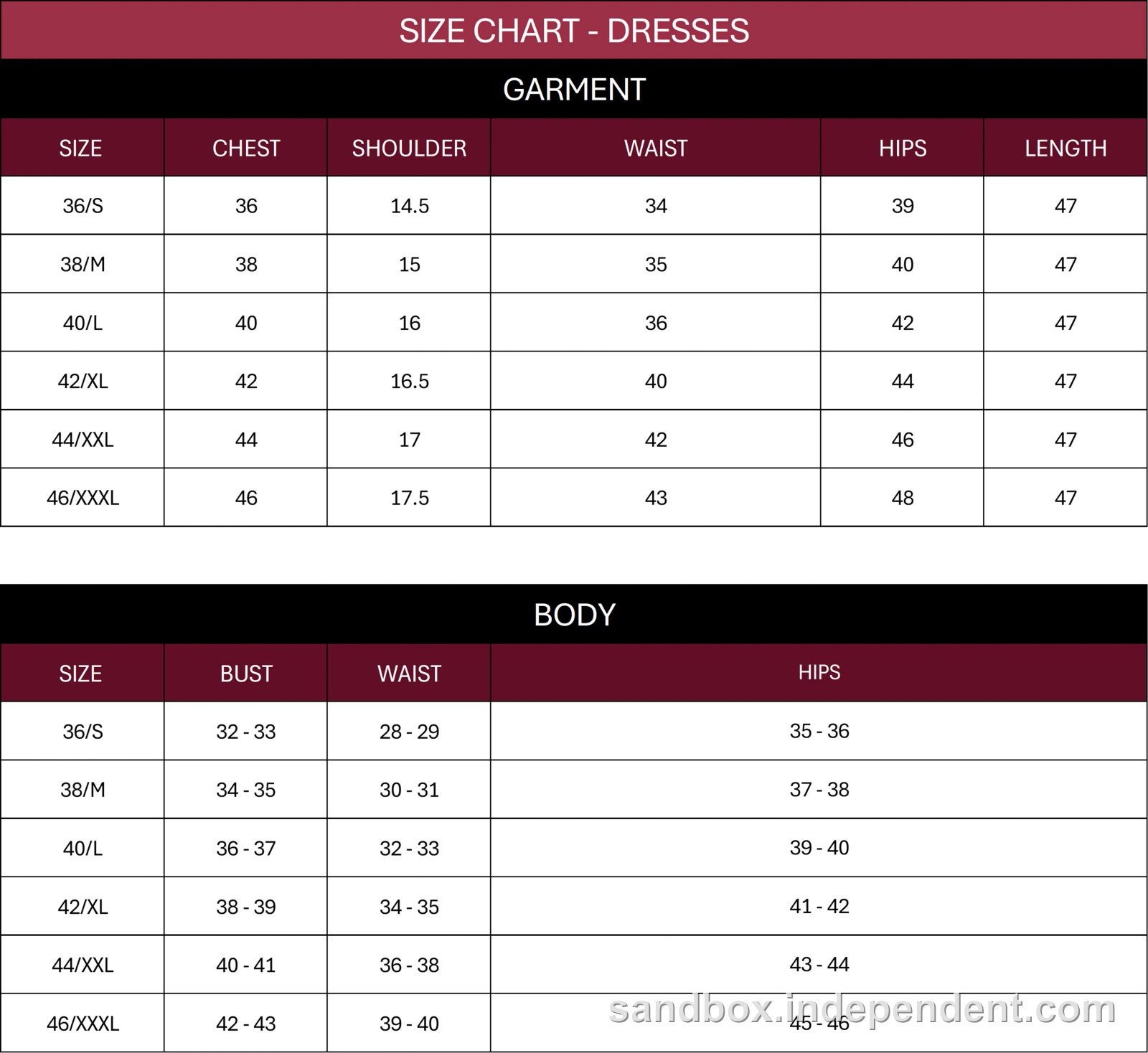






Lacoste Size Chart Blank Overview
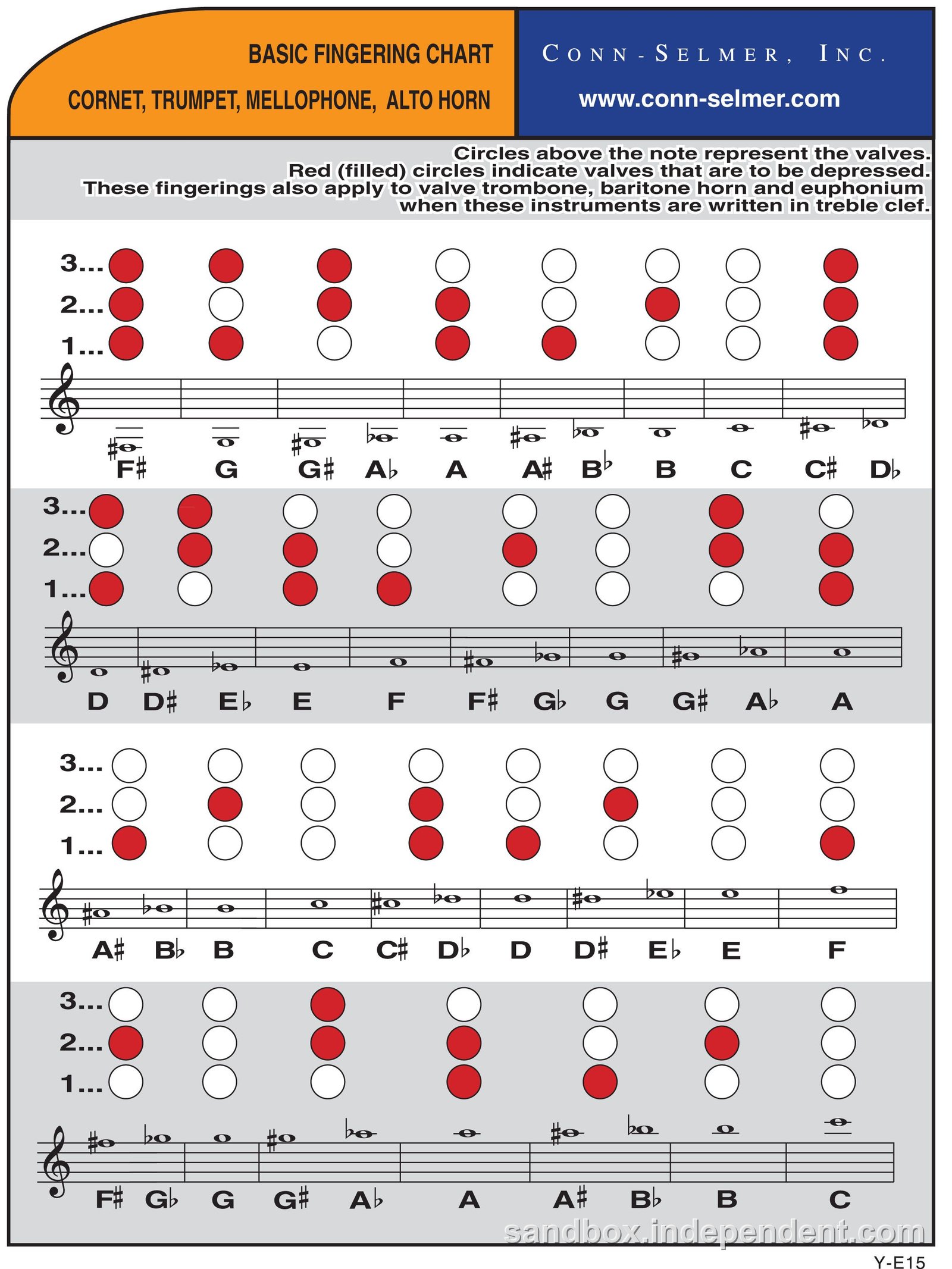
A trumpet note chart is a handy tool for any trumpeter, offering a quick glance at the notes and their corresponding fingerings. This guide will take you through the basics, ensuring you can read and use the chart with ease.
It's a simple reference, but an essential one, as it covers the standard range and common scales. While the exact values may vary slightly, the chart provides a solid foundation for understanding note names and their pitch frequencies.
Understanding the Trumpet Note Chart
The trumpet note chart is a valuable tool for any trumpeter, offering a visual representation of the notes and their corresponding fingerings. It's like a map, guiding you through the world of trumpet playing. This chart simplifies the process of learning and mastering different notes, making it an essential resource for beginners and experienced players alike.
Key Details and Categories
Before diving into the chart, it's crucial to understand some basics. The chart typically covers the standard range of a trumpet, which includes both the natural notes and those produced using valve combinations. You'll find notes organized by their pitch frequency, from low to high. Each note is represented by a specific fingering, often shown as a combination of valve positions. Additionally, some charts may include alternate fingerings, offering options for different playing styles or instruments.
Reading the Notation and Applying It
Using the trumpet note chart is straightforward. Start by identifying the note you want to play. Then, locate it on the chart, which will show you the correct fingering. For example, if you want to play a C note, you'll see a specific valve combination indicated. Follow this fingering, and you'll produce the desired note. It's as simple as that! Practice reading the chart and applying the fingerings to become more comfortable with it. Over time, you'll develop muscle memory, making note transitions seamless.
Variations and Differences
While the trumpet note chart provides a solid foundation, it's important to note that variations exist. Different standards, such as US or international, may have slight differences in note names or fingerings. Additionally, some charts might focus on specific scales or playing techniques. Always double-check the exact specifications for your instrument and playing style. Here are some common factors that can cause variations:
- Standard range variations: Some charts may extend beyond the standard range, offering additional notes.
- Instrument type: Different trumpet models might have slight variations in fingering.
- Playing style: Certain charts cater to specific genres or techniques, like jazz or classical.
- Alternate fingerings: These provide options for achieving the same note with different finger combinations.
Remember, the trumpet note chart is a versatile tool, but it's essential to adapt it to your specific needs and context. With practice and familiarity, you'll navigate the chart with ease, unlocking the full potential of your trumpet playing.
Well, there you have it! A handy trumpet note chart can be a great tool to have in your musical arsenal. Remember, these charts provide a solid foundation, but exact values might differ slightly across different standards or resources.
So, before you put your new knowledge into practice, take a moment to ensure you're using the right chart for your specific needs. And don't forget to explore our other guides; there's plenty more musical magic to discover!
Related: A Beginner's Guide to UCF Depth Chart
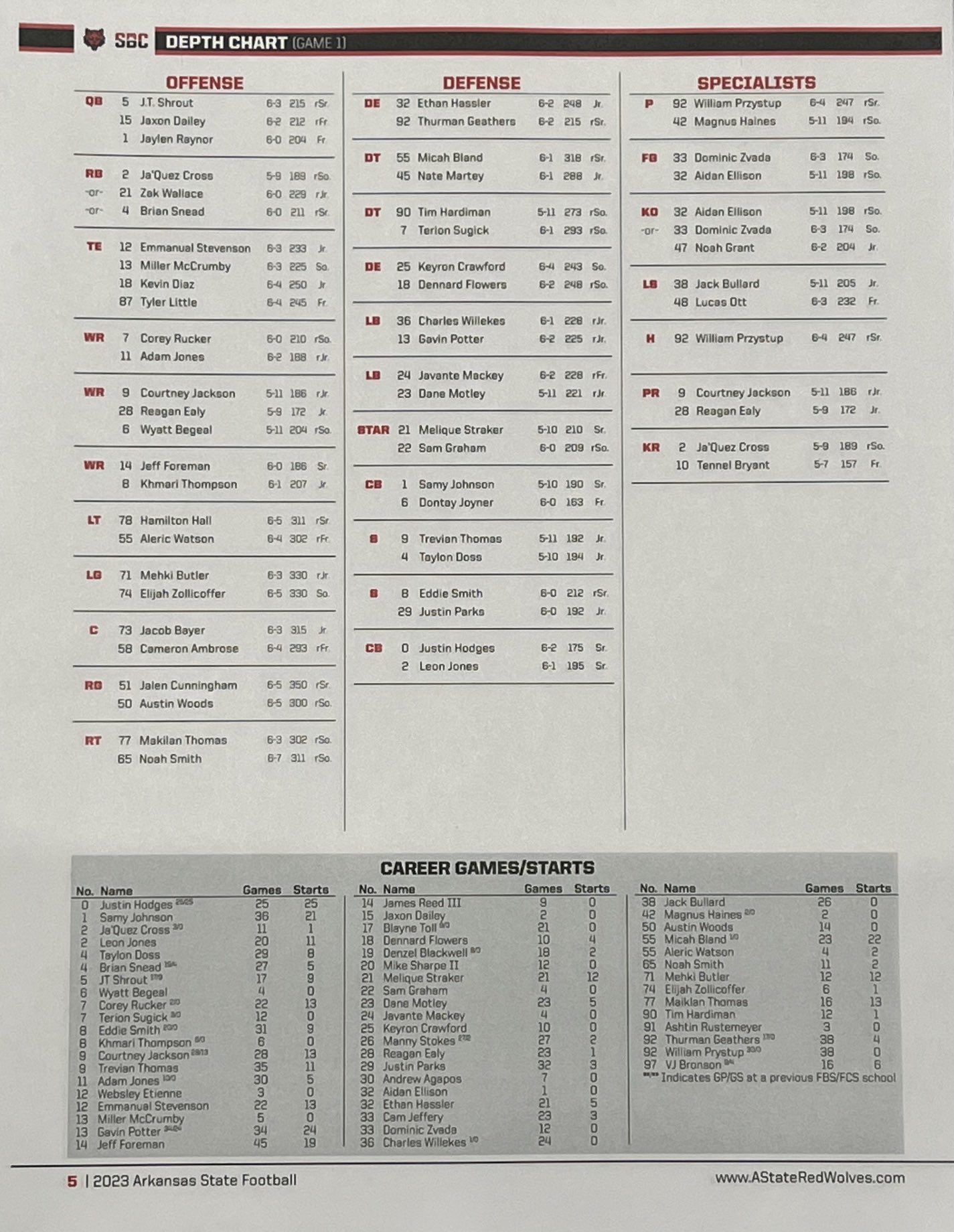
If you're here, you're likely seeking a straightforward guide to understanding the UCF depth chart. This essential tool provides a snapshot of the team's player positions and roles, offering a quick reference for fans and enthusiasts alike. The depth chart is a dynamic resource, and its format may vary, but its purpose remains consistent: to present a clear picture of UCF's roster and the players' positions.
Understanding the Chart: A Quick Overview
The ucf depth chart is a valuable tool for sports enthusiasts, providing an insightful look into a team's player lineup and their positions. It offers a clear visual representation of the team's depth and strategy, allowing fans and analysts to grasp the team's composition and potential.
Key Player Positions and Their Formats
The ucf depth chart typically features a standardized format, with columns representing different player positions and rows indicating the players' names or numbers. Common positions include quarterback (QB), running back (RB), wide receiver (WR), and more. Each position has its own set of skills and responsibilities, and the chart helps identify these roles.
Reading the Lineup: A Step-by-Step Guide
To read a ucf depth chart accurately, follow these steps:
Identify the position columns: Look for the labels or abbreviations indicating player positions. These columns provide an overview of the team's strategy and depth for each role.
Analyze the player rows: Each row represents a player, with their name, number, or both. This information helps identify individual contributors and their specific roles.
Note the depth: The depth chart often includes multiple rows for each position, indicating the team's depth and potential substitutions. The top row typically represents the starting lineup, while subsequent rows showcase backup players.
Understand the strategy: By comparing the depth for different positions, you can gain insights into the team's strategy and potential weaknesses or strengths. For example, a deep roster at running back suggests a strong running game, while a shallow roster at wide receiver may indicate a reliance on the passing game.
Common Misreadings and How to Avoid Them
While the ucf depth chart is a valuable tool, it's essential to avoid common misreadings:
Don't assume starting positions: The top row often represents the expected starting lineup, but coaches may make last-minute changes due to injuries, performance, or strategic decisions. Always confirm the official starting lineup before the game.
Understand positional flexibility: Some players may be listed under multiple positions, indicating their versatility. This flexibility can be an asset, allowing coaches to adapt their strategy during the game.
Consider injury reports: Injuries can significantly impact a team's depth chart. Always check the latest injury reports to understand which players may be unavailable and how that affects the lineup.
Factors Affecting Accuracy and Real-World Use
Several factors can influence the accuracy and real-world application of a ucf depth chart:
Coaching strategies: Coaches may choose to keep their strategies hidden, making depth charts less accurate as a predictive tool.
Injuries and performance: Player injuries or sudden drops in performance can quickly render a depth chart obsolete.
Player development: Young or developing players may quickly improve, challenging the depth chart's accuracy over time.
Opponent analysis: Depth charts are often used to counter an opponent's strategy, so understanding their lineup is crucial for effective game planning.
Remember, while the ucf depth chart provides valuable insights, it's just one tool in a sports analyst's arsenal. Always stay updated with the latest news and reports to ensure your analysis remains accurate and relevant.
Remember, while this depth chart offers a comprehensive guide, it's always wise to consider your unique circumstances. Exact values and details may vary, so a quick check ensures you're on the right track.
Feel free to explore our other resources for a deeper understanding. We've got plenty of guides to help you navigate and make informed decisions. Happy reading and best of luck with your project!
Related: How to Read a Dental Tooth Chart?
You're probably here because you need a quick answer, a simple guide to help you navigate the world of dental tooth charts. These charts are a handy tool, a quick reference guide, and an essential part of dental anatomy. Whether you're a dental professional or a curious individual, understanding the tooth numbering system is key. The dental tooth chart can vary slightly depending on the system used, so it's a good idea to familiarize yourself with the specific notation.
What is a Dental Tooth Chart?
A dental tooth chart is a handy tool that dentists and dental professionals use to identify and locate teeth accurately. It provides a visual representation, often a diagram or table, to help with tooth identification and record-keeping. This chart is crucial for dental procedures, treatment planning, and maintaining dental records.
Key Details and Categories to Know
The dental tooth chart typically follows standardized numbering systems, ensuring consistency across dental practices. Two common systems are the Universal Numbering System (used in the US) and the Palmer Notation (popular internationally). These systems assign unique numbers or symbols to each tooth, aiding in precise identification. The chart also includes information on tooth type, position, and any relevant notes.
How to Read and Apply the Dental Tooth Chart
Reading a dental tooth chart is straightforward. Here's a step-by-step guide:
- Locate the tooth: Identify the tooth you want to reference on the chart. This could be based on a patient's description, a visual examination, or a previous record.
- Find the corresponding number: Each tooth on the chart is assigned a specific number or symbol. Match the tooth with its corresponding number.
- Record and communicate: Note down the tooth number for your records. When communicating with other dental professionals or referring to patient records, use this number to ensure clarity and accuracy.
- Cross-reference: If needed, you can cross-reference the tooth number with other dental charts or diagrams for a more comprehensive understanding of the tooth's position and characteristics.
Common Variations and Differences
While standardized systems exist, variations can occur due to different regional practices and preferences. For instance, the Universal Numbering System used in the US differs from the international Palmer Notation. Additionally, some dental practices or specialists may use modified charts tailored to their specific needs. It's essential to be aware of these variations, especially when consulting or referring to charts from different sources.
Mistakes to Avoid
One common mistake is assuming all dental charts follow the same system. Always double-check the numbering system used on the chart you're referencing. Another pitfall is misinterpreting tooth positions, especially when dealing with complex cases or unusual tooth arrangements. Taking the time to understand the chart's layout and seeking clarification when needed can prevent errors.
Practical Tips for Accurate Results
To ensure accuracy when using a dental tooth chart, consider these best practices:
- Familiarize yourself with the numbering system used in your region or practice.
- Cross-reference tooth numbers with other dental resources to confirm their positions and characteristics.
- Stay updated with any changes or modifications to the standard numbering systems.
- When in doubt, consult with experienced dental professionals or refer to comprehensive dental anatomy resources.
Handling Edge Cases and Exceptions
While dental tooth charts provide a valuable framework, there are instances where exceptions or unique cases may arise. For example, individuals with congenital dental anomalies or those who have undergone extensive dental work may have tooth arrangements that don't align perfectly with standard charts. In such cases, it's crucial to consult detailed dental records, X-rays, or seek expert advice to ensure accurate tooth identification.
So, there you have it! A simple and practical guide to understanding and using dental tooth charts. Remember, while this guide provides a solid foundation, it's always wise to consult with dental professionals for personalized advice. The exact values and terminology can vary, so it's crucial to double-check the specific standards and sources relevant to your context.
Feel free to explore our other resources for more insights into dental health and care. We've got plenty of guides to help you navigate the world of oral hygiene and keep those pearly whites shining bright!