

Lund Browder Chart For Kids Overview
A pipe thread chart is an essential tool for anyone working with pipes and fittings, offering a quick and precise way to identify and match threads. This guide aims to provide an overview of what these charts entail and how they can be utilized effectively.
The charts present a clear and organized display of thread specifications, including standard sizes, pitch, depth, and more. While the values may vary depending on the region and pipe thread standards, the pipe thread chart serves as a reliable reference, ensuring accurate connections and preventing costly mistakes.
Understanding Pipe Thread Chart: A Practical Guide
The pipe thread chart is a valuable reference tool for anyone working with pipes and threaded connections. It provides a comprehensive overview of the various thread types, sizes, and standards commonly used in the industry. By understanding and utilizing this chart, you can ensure accurate measurements, proper fittings, and secure connections.
Key Details and Prerequisites
Before delving into the pipe thread chart, it's essential to grasp some fundamental concepts. First, pipe threads are categorized into different standards, such as the National Pipe Thread (NPT) and British Standard Pipe (BSP). These standards define the thread's dimensions, including the thread angle, pitch, and depth. The chart typically includes information on both tapered and straight threads, covering a range of sizes and series. Understanding these categories and their corresponding units is crucial for accurate interpretation.
Reading and Applying the Pipe Thread Chart
Using the pipe thread chart is a straightforward process. Here's a step-by-step guide:
Identify the Standard: Determine the pipe thread standard you are working with. This information is often indicated on the pipe or fitting itself. Common standards include NPT and BSP, but there are others as well.
Locate the Thread Series: The chart usually organizes threads into series, such as NPTF (National Pipe Thread Fuel) or BSPT (British Standard Pipe Tapered). Each series has its own unique characteristics and dimensions.
Measure the Thread Size: Measure the outside diameter (OD) of the pipe or fitting. This measurement is crucial for identifying the correct thread size.
Refer to the Chart: Using the measured OD and the identified thread series, locate the corresponding thread size and its specifications on the chart. The chart will provide details such as the thread pitch, depth, and other relevant dimensions.
Verify the Thread Type: Confirm the thread type, whether it is tapered or straight. This information is essential for selecting the right fittings and ensuring a proper seal.
Variations and Differences Across Standards
It's important to note that pipe thread standards can vary across regions and industries. The pipe thread chart may present different specifications for NPT, BSP, and other standards. These variations are due to historical and functional differences, and it's crucial to refer to the appropriate standard for accurate results. For instance, NPT threads are commonly used in the United States, while BSP threads are prevalent in the United Kingdom and other parts of the world.
Common Mistakes and How to Avoid Them
One common mistake is assuming that all pipe threads are universal. Different standards and thread series have unique specifications, and using the wrong one can lead to leaks, poor performance, or even safety hazards. Always double-check the thread type and size before making any connections. Additionally, ensure that you are using the correct chart for the specific standard you are working with. Misinterpreting the chart or applying it to the wrong standard can result in incorrect measurements and fittings.
Practical Tips for Accurate Results
To ensure accurate use of the pipe thread chart, consider the following best practices:
Always refer to the latest and most updated version of the chart. Standards and specifications can evolve over time, so staying current is essential.
When in doubt, consult with experts or refer to reputable sources for guidance. Pipe thread connections are critical, and getting it right is crucial for safety and performance.
Keep in mind that the chart provides general information. For precise applications or specialized projects, it's advisable to consult detailed specifications or seek professional advice.
Measure accurately and consistently. Small variations in measurements can lead to significant differences in thread size and fit.
Regularly inspect and maintain your pipe threads and fittings. Over time, threads can wear down or become damaged, affecting their performance.
By following these practical tips and understanding the nuances of pipe thread charts, you can ensure accurate and reliable connections in your projects.
Remember, while the fundamentals remain consistent, exact details can vary slightly across different standards and sources. It's always a good idea to double-check and refer back to this guide when needed.
Feel free to bookmark this page for future reference, and don't hesitate to explore other helpful guides we have available. Accurate measurements and seamless connections are just a click away!
Related: Link Seal Chart: Your Simple Reference Guide
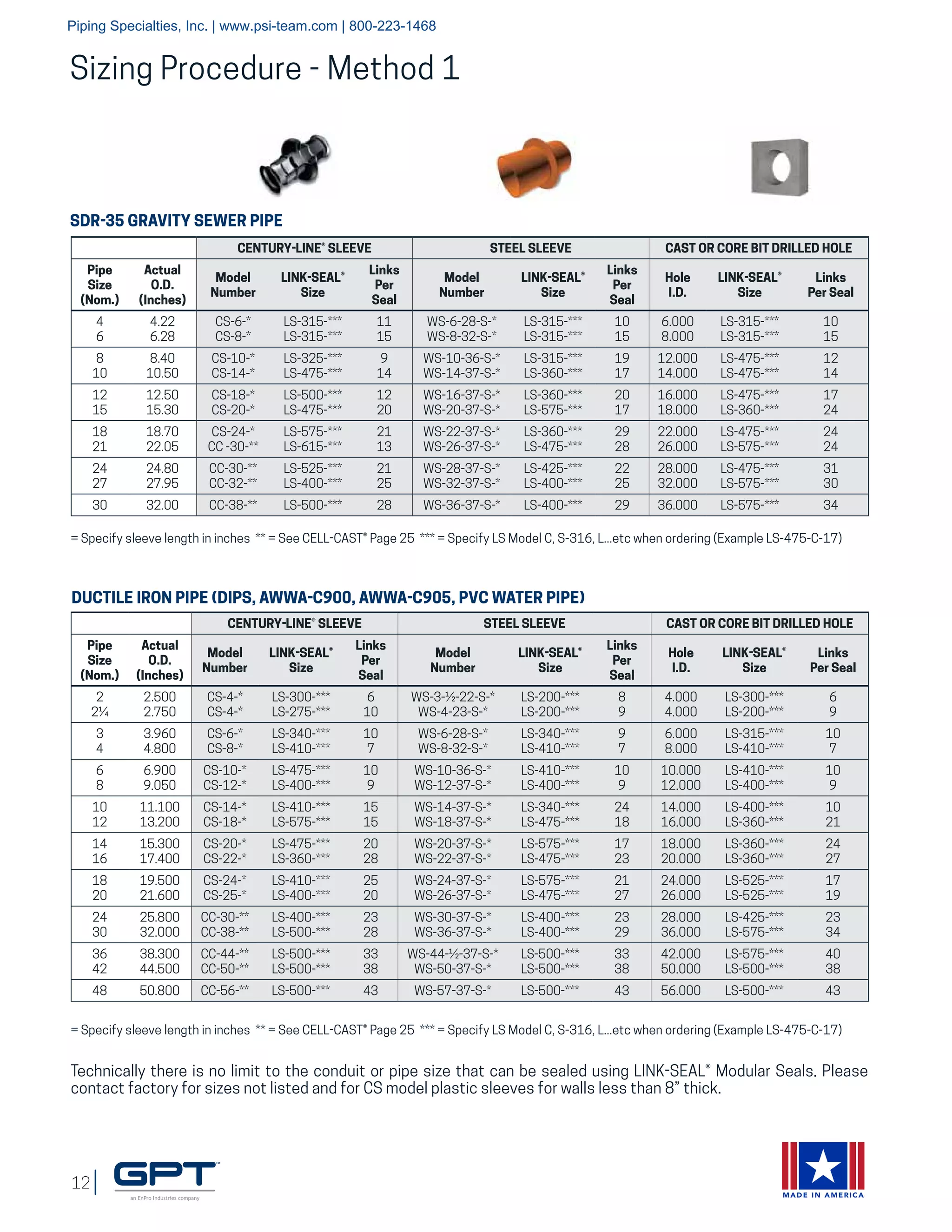
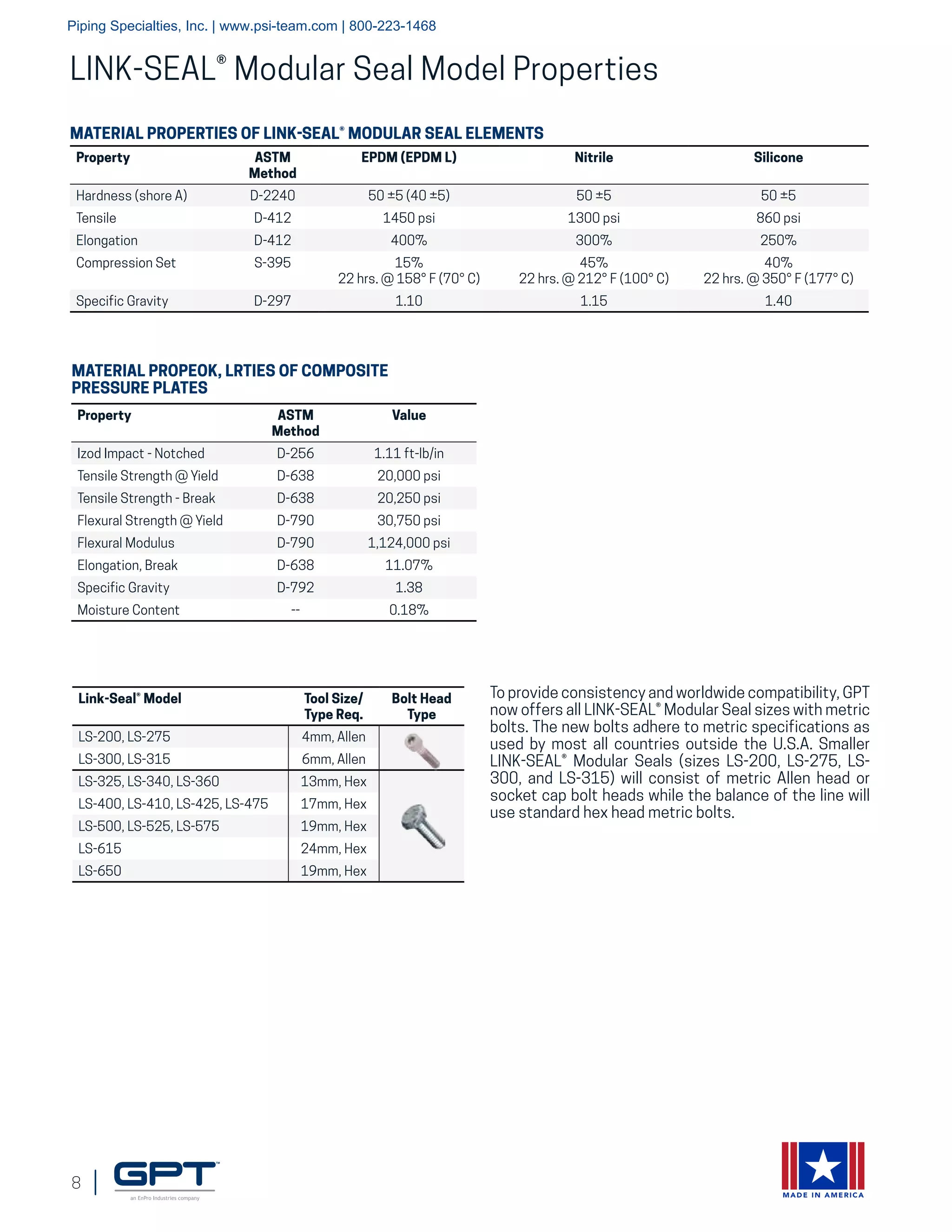
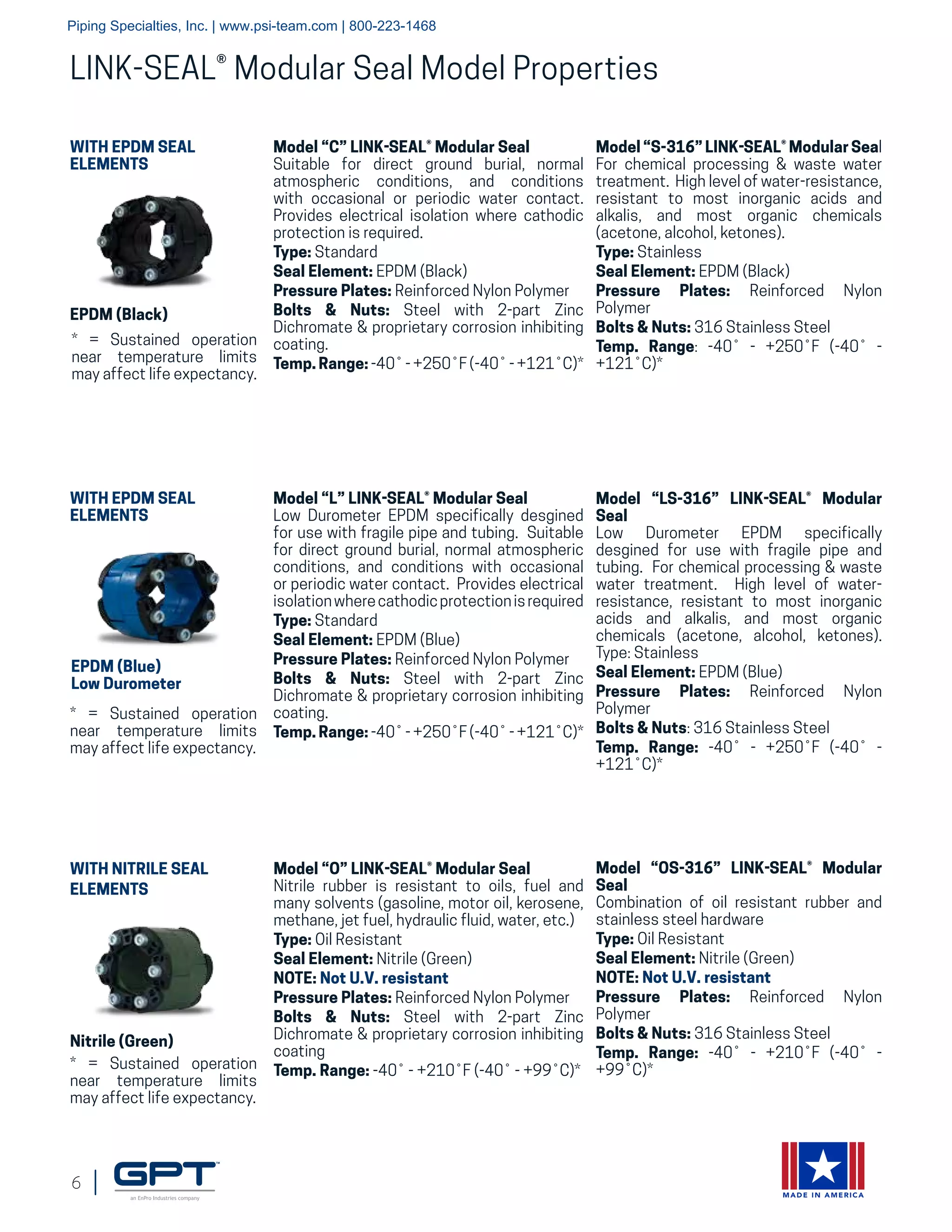
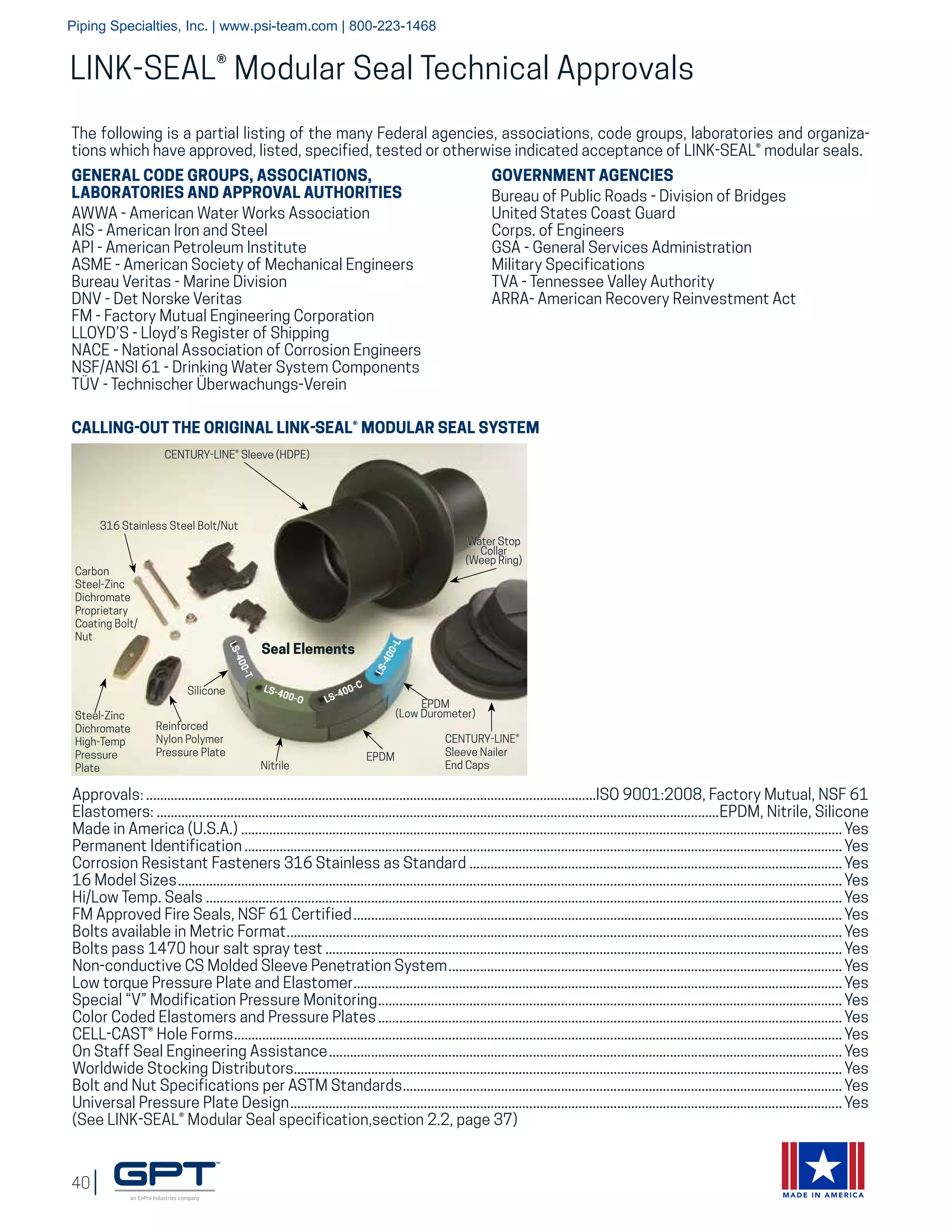
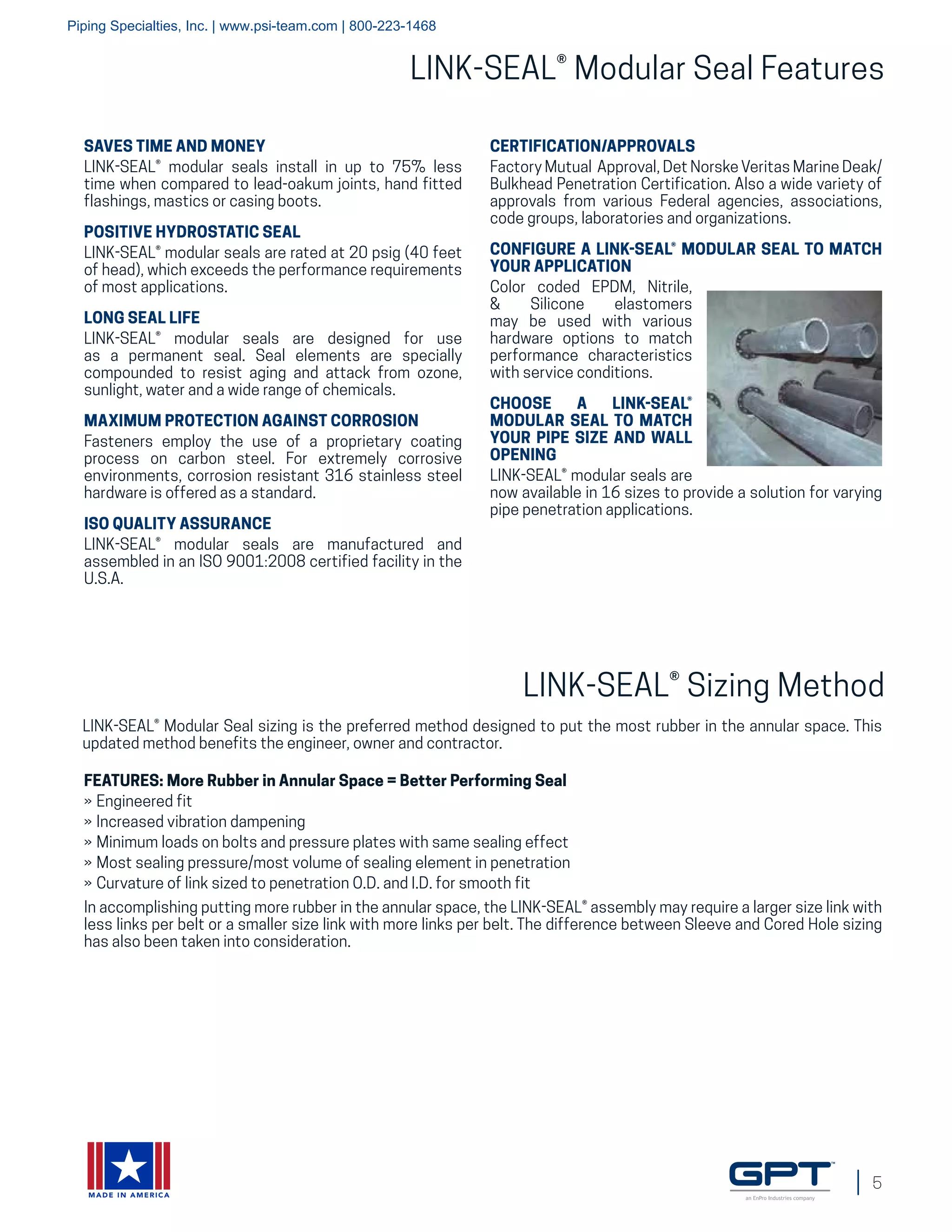
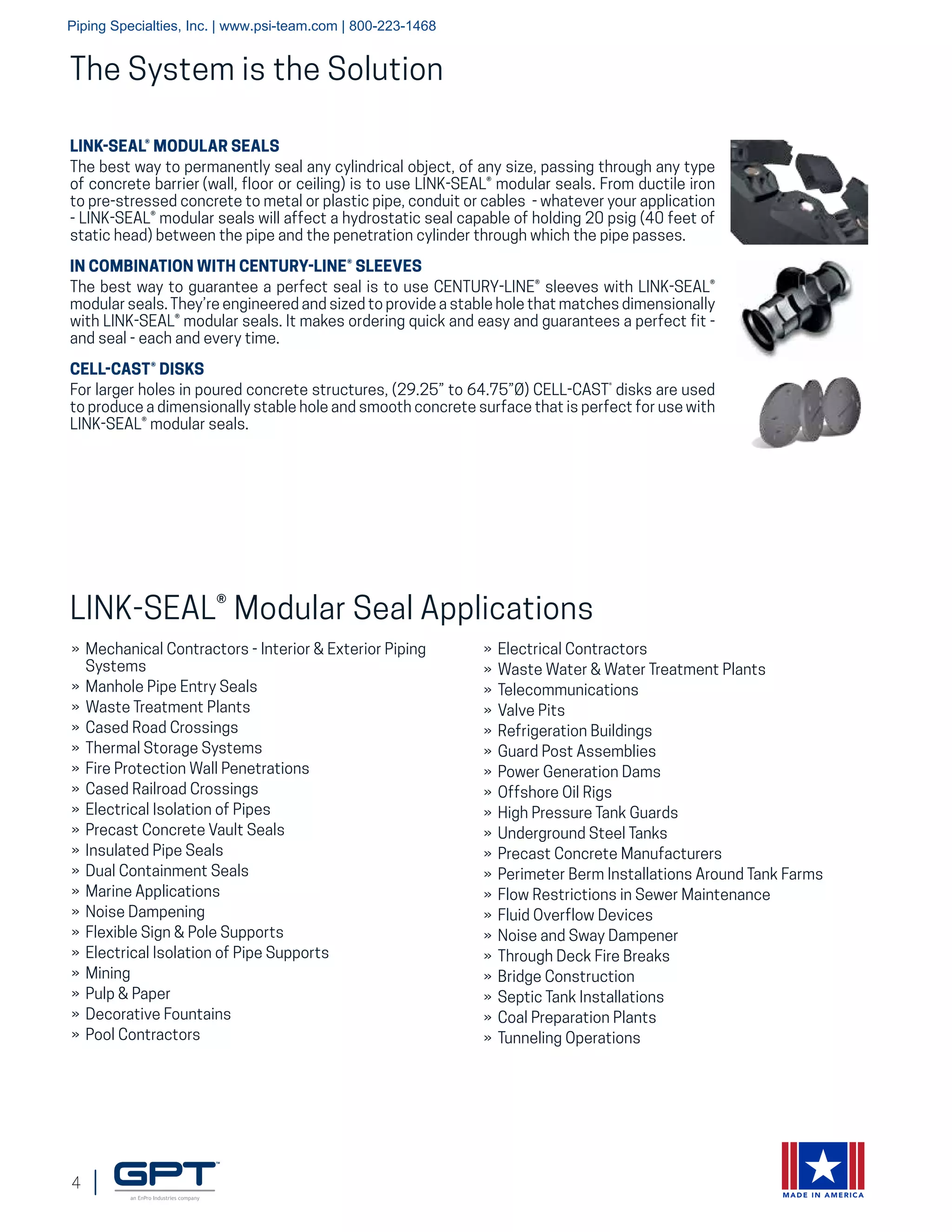
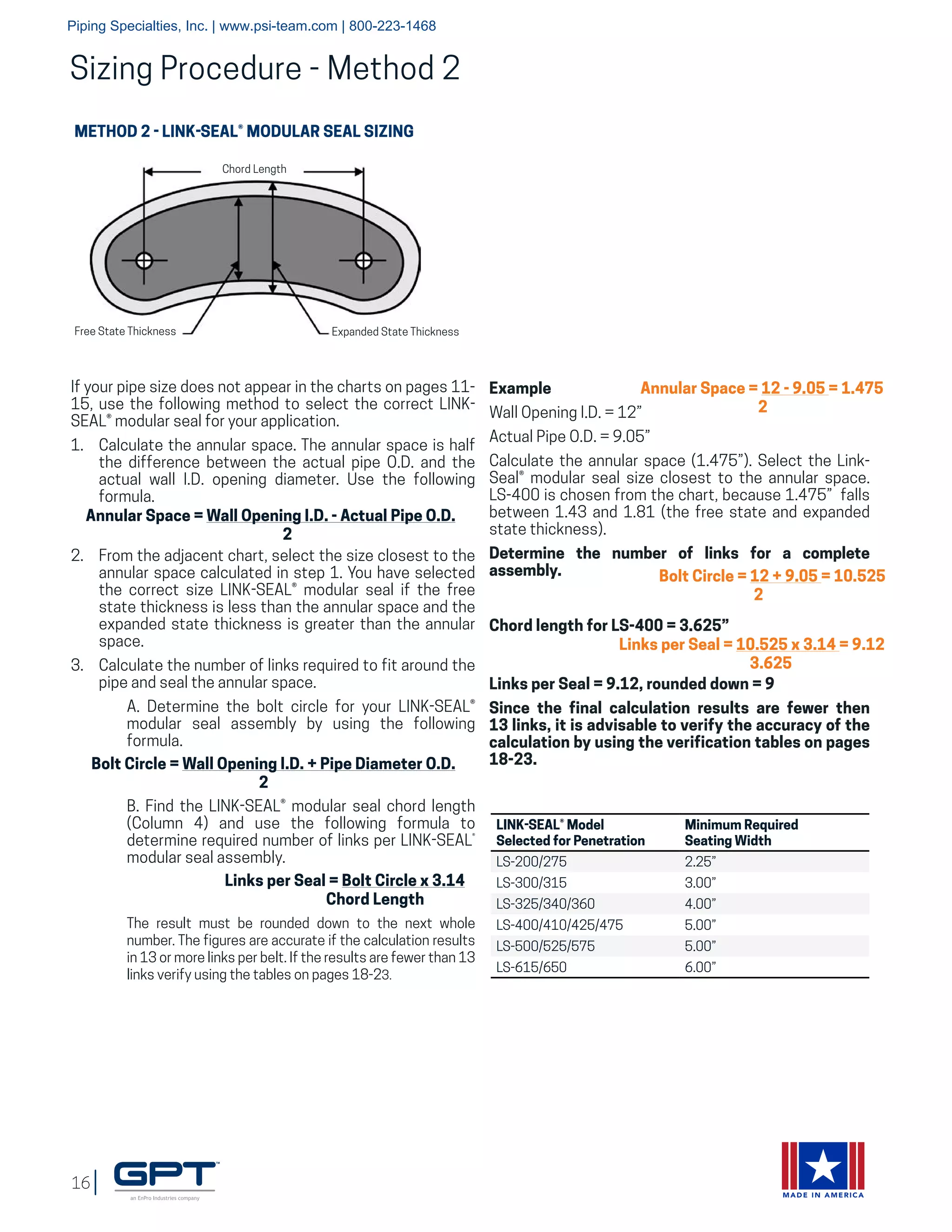
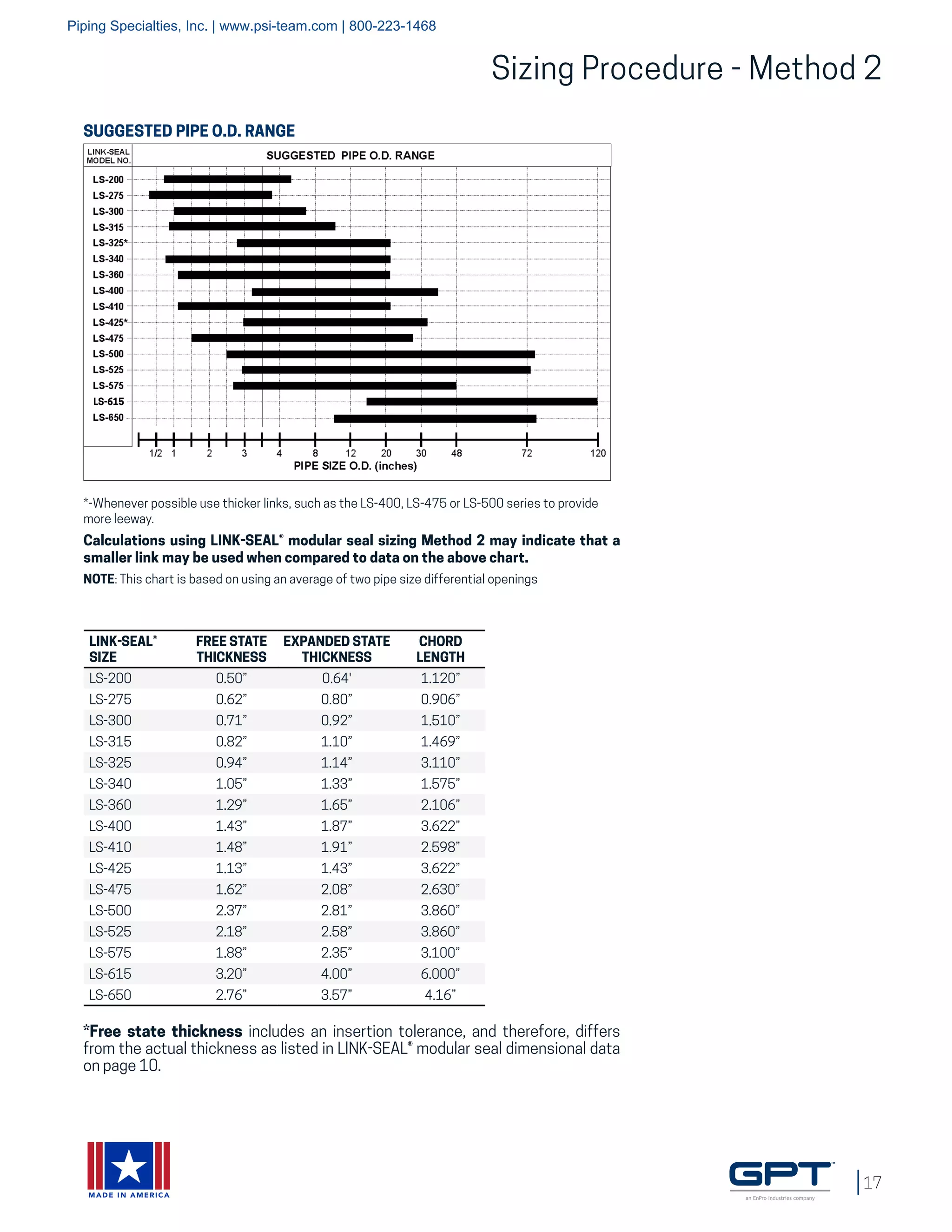
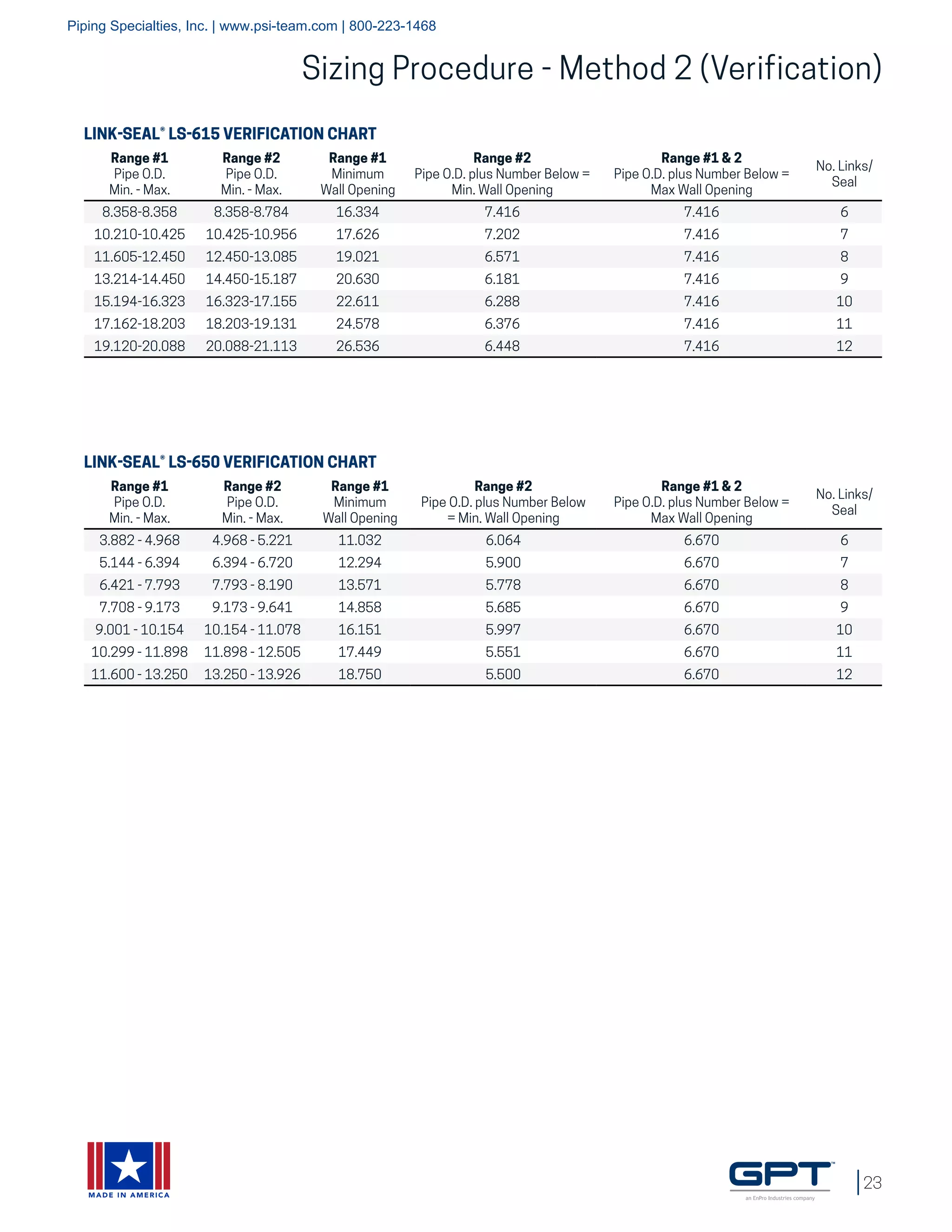
You're probably familiar with the link seal chart, a handy reference tool for anyone working with seals and their applications. It's a simple yet effective visual guide, offering a quick and reliable way to understand seal measurements and types. This chart, with its clear layout, provides an efficient solution for those seeking precise information without the need for extensive research. While the values and formats may vary depending on certain factors, the link seal chart serves as a valuable starting point, ensuring you have the right data at your fingertips.
Link Seal Chart: Unlocking the Secrets of Effective Sealing
The link seal chart is a valuable tool for anyone involved in construction, engineering, or industries requiring precise sealing solutions. This reference guide provides a clear understanding of the various seal types, their dimensions, and their applications. By using the link seal diagram, you can make informed decisions and ensure successful installations.
Key Measurements and Categories
The chart presents a comprehensive overview of standard link seal dimensions, offering a quick reference for professionals. It typically includes columns indicating the seal type, its size or diameter, and other relevant specifications. Common seal types, such as single, double, or triple-link seals, are categorized and measured in inches or millimeters, depending on the standard being used. Each seal type has its unique characteristics and is designed for specific purposes.
Understanding the Chart: A Step-by-Step Guide
Reading the link seal chart is straightforward. First, identify the seal type you require for your project. The chart will provide a range of options, each with its own set of dimensions. Pay close attention to the seal's diameter, as this is a critical measurement for proper installation. Additionally, the chart may offer insights into the seal's material, which is essential for compatibility and durability considerations.
Here's a simple step-by-step process:
- Identify the seal type needed.
- Locate the seal on the chart and note its diameter.
- Check the material and ensure it aligns with your project requirements.
- Cross-reference with industry standards or manufacturer specifications for any specific tolerances or additional details.
Seal Variations and Practical Tips
While the link seal chart provides a valuable framework, variations can occur due to industry standards, regional differences, and specific use cases. It's essential to be aware of these potential discrepancies. Here are some key factors to consider:
- Standard link seal dimensions may differ slightly between regions, so always double-check the relevant standards for your location.
- Manufacturer-specific charts might offer unique seal types or measurements, so refer to their guides for accurate information.
- Environmental factors, such as temperature and pressure, can influence seal performance, so choose seals suitable for your application.
Remember, the link seal chart is a practical tool, but it's essential to adapt and verify the information for your specific project needs. With this guide, you can confidently navigate the world of sealing solutions and ensure successful installations.
Hey there! I hope this link seal chart has been a helpful reference for you. Remember, while the basics remain consistent, the exact details can shift a little based on your specific context or the standards you're working with.
Feel free to keep this page bookmarked for future use. It's always handy to have a quick, reliable guide like this at your fingertips. You might also want to explore some of our other practical guides for more tips and tricks. Happy referencing!
Related: What is the Sileo Dosing Chart?
You've landed here, searching for a clear and concise resource, and the Sileo dosing chart is exactly that: a straightforward guide to ensure accurate dosing. This chart, a trusted tool for many, offers a visual representation of the recommended doses, often tailored to different weights and ages. It's a quick reference, ensuring you can administer Sileo with confidence, and it's designed to be user-friendly, with variations depending on regional standards and specific needs.
Understanding the Sileo Dosing Chart
The Sileo dosing chart is a valuable tool for determining the appropriate dosage of Sileo, a medication often used to treat specific conditions. This chart provides a clear and concise guide to ensure accurate dosing, especially when considering factors like weight and age.
Key Details and Categories
Before delving into the chart, it's essential to understand its structure. The Sileo dosing chart typically displays dosage information based on weight categories, usually in kilograms. These weight ranges are divided into common age groups, ensuring a tailored approach to dosing. The chart provides recommended doses in micrograms, offering precise guidance for each weight category.
Interpreting the Chart: A Step-by-Step Guide
- Identify the patient's weight. Ensure you have an accurate measurement, as this is the primary factor influencing the dose.
- Locate the corresponding weight category on the chart. These categories are often color-coded or labeled for easy identification.
- Within the selected weight category, find the recommended dose in micrograms. This value represents the ideal dosage for that specific weight range.
- Administer the medication as directed, following the dosage guidelines. It's crucial to adhere to the recommended dose to ensure safety and effectiveness.
Variations and Safety Considerations
While the Sileo dosing chart provides a standardized guide, variations may occur due to individual factors. Different regions or healthcare settings might have slightly different charts or guidelines, so it's important to refer to the specific chart relevant to your location. Additionally, certain conditions or patient characteristics might require adjustments to the standard dose, emphasizing the need for professional medical advice. Always consult with a healthcare provider to ensure the safe and effective use of Sileo.
Remember, while this dosing chart serves as a valuable tool, it's always a good idea to double-check the specific guidelines and recommendations relevant to your situation. The exact values and units might vary slightly across different contexts and standards, so it's essential to refer to the most appropriate resources for your needs.
Feel free to explore our collection of guides; we have a range of practical resources to help you navigate various topics with ease and confidence. Happy reading and learning!