










Math Worksheets Coins Overview
A common misconception about math anchor charts is that they are only useful for teachers or advanced math enthusiasts. However, these charts are incredibly accessible and beneficial for anyone looking to improve their math skills or simply need a quick refresh!
Math anchor charts offer a visual and organized way to understand and apply mathematical concepts. Whether it's a reference chart for common formulas or a diagram explaining a specific math topic, these tools provide an easy-to-follow guide, ensuring you don't get lost in complex equations. Keep an eye out for variations in formats and values, as these can differ depending on your region or the specific math subject.
Math Anchor Charts: Your Visual Study Buddy
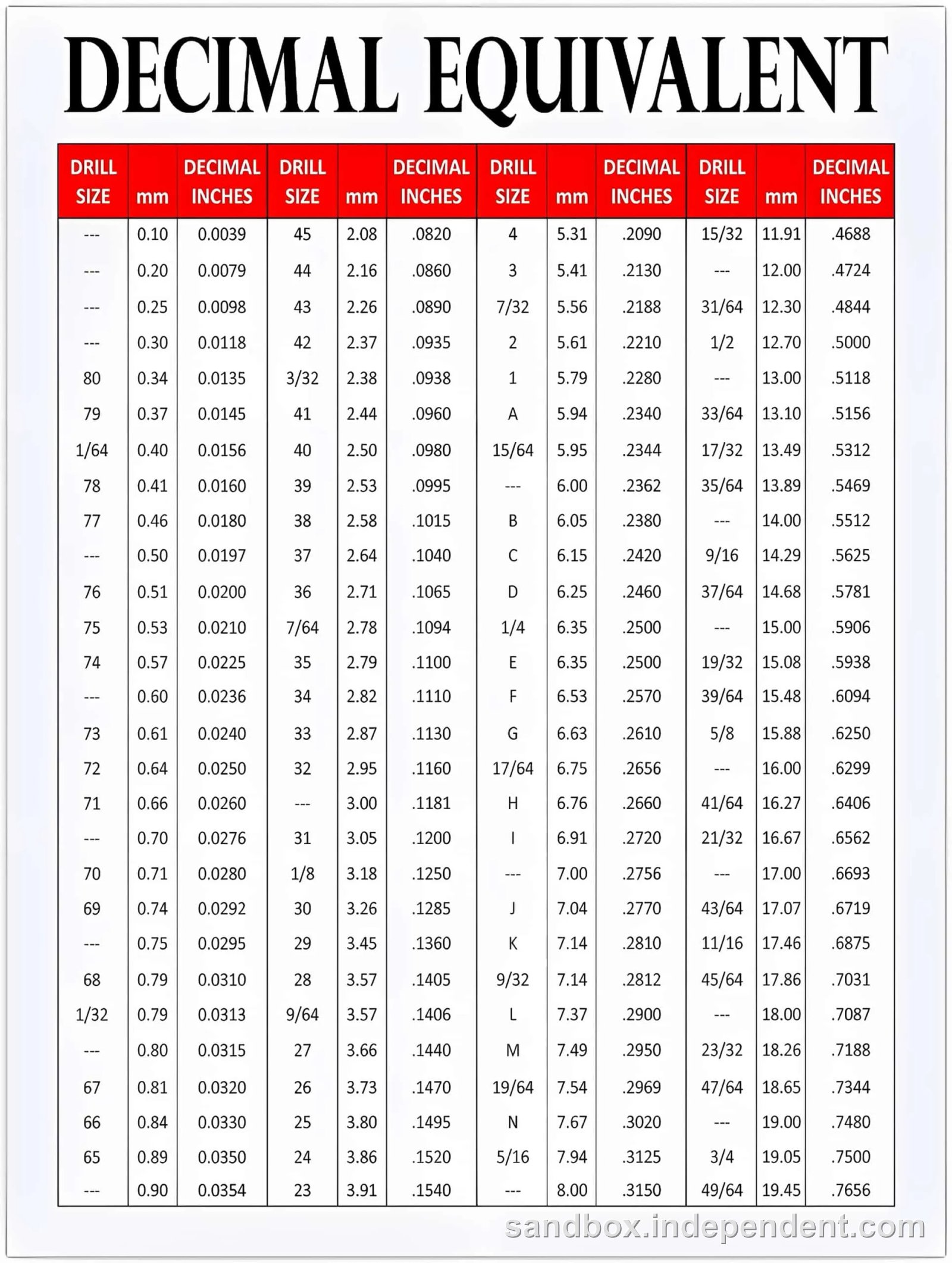
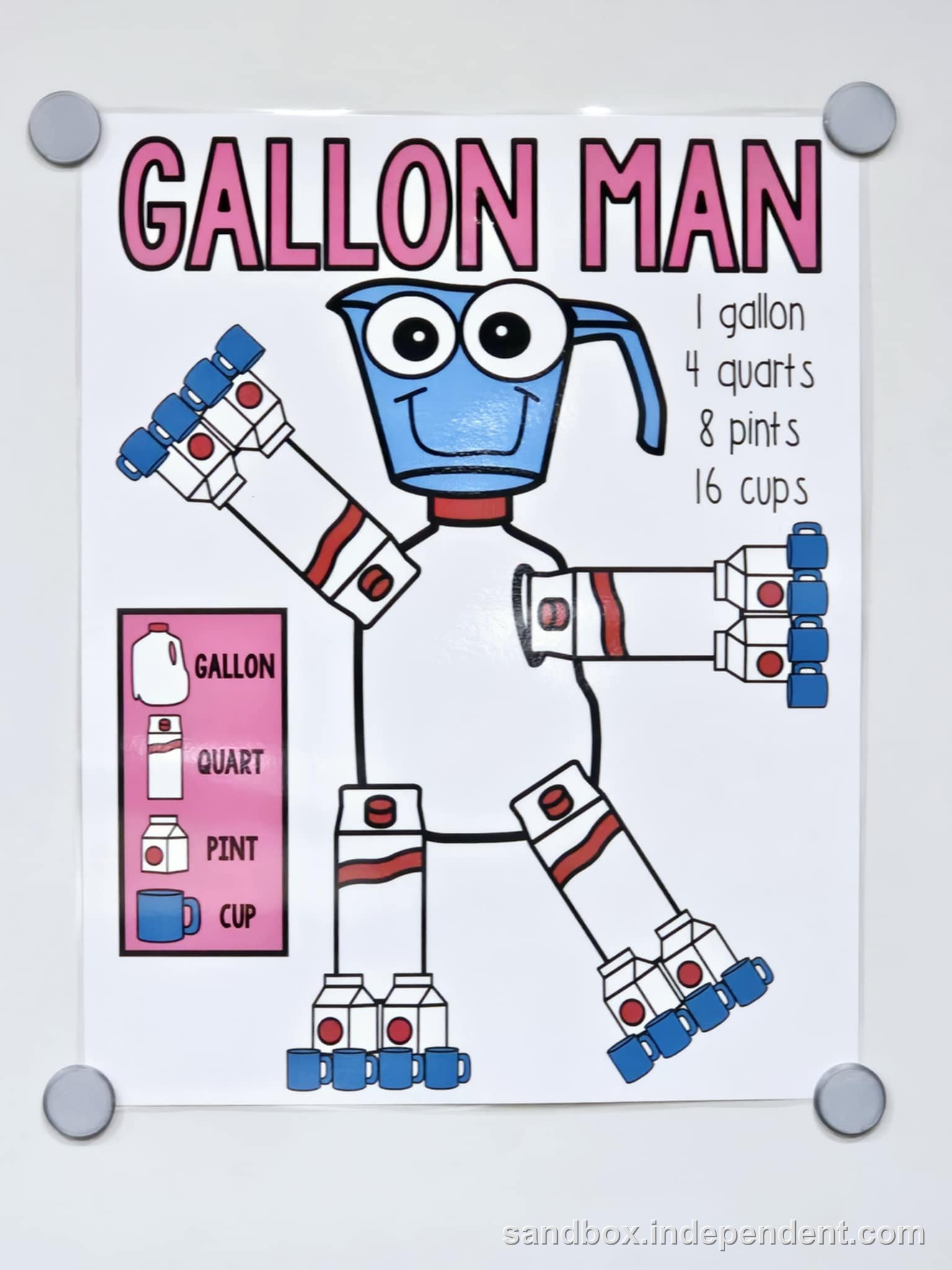
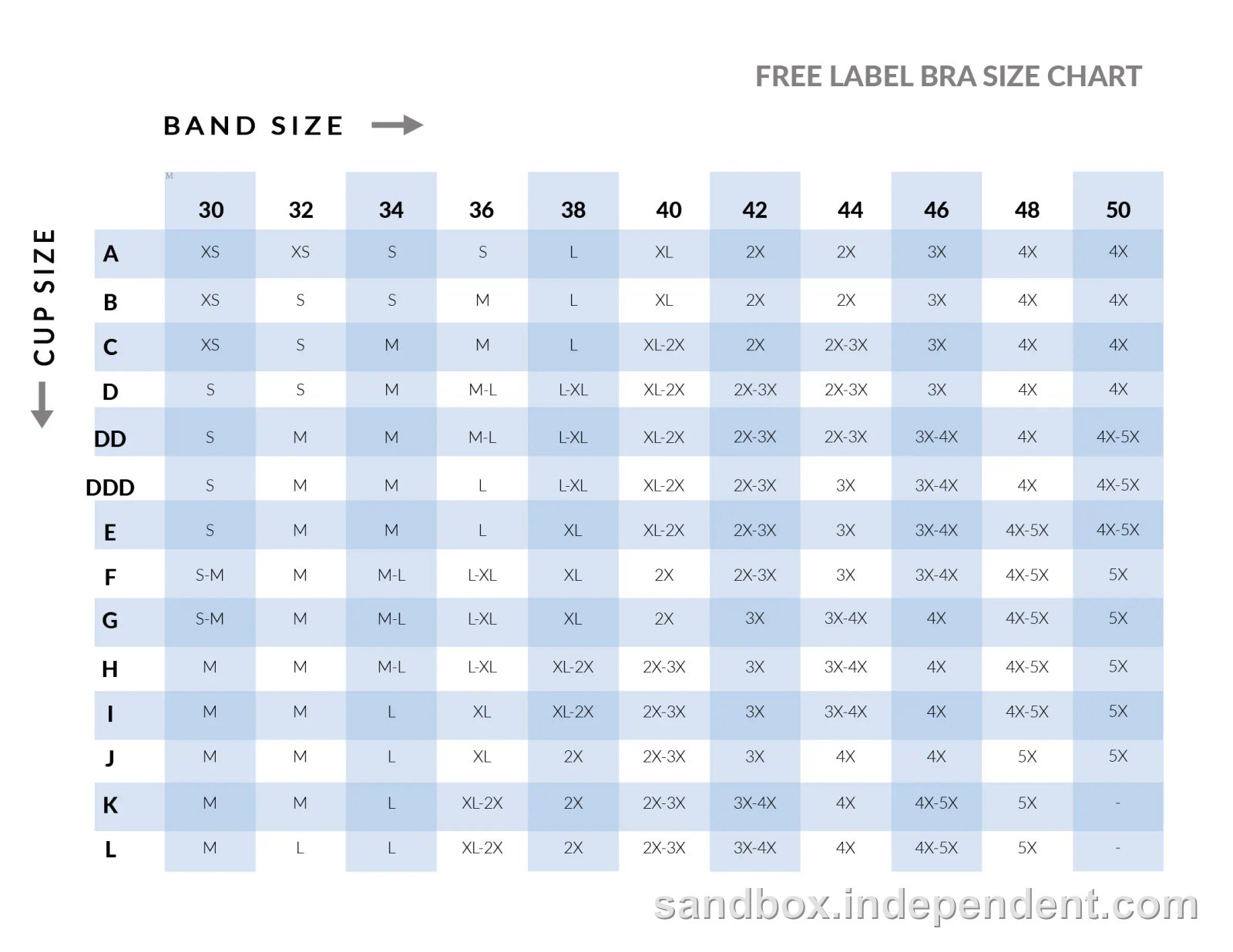
Math anchor charts are like having a helpful study guide right in front of you, making complex math concepts easier to grasp. These charts are visual tools that break down math topics into simple, organized formats, often using diagrams, graphs, or tables. They're designed to be quick references, helping you understand and apply math rules and formulas.
Standard Units and Categories
The beauty of math anchor charts is their consistency. Most charts use standard units and categories, ensuring everyone understands the same thing. For instance, when measuring angles, you'll find degrees as a standard unit. Other common categories include shapes, formulas, and mathematical operations. These charts often cover a range of topics, from basic arithmetic to more advanced concepts.
Reading and Interpreting: A Step-by-Step Guide
Using a math anchor chart is simple once you know how. First, identify the topic you need help with, like finding the area of a triangle. Then, locate the relevant section on the chart. Read the labels and categories carefully. The chart will often provide a formula or rule, along with a visual representation to make it clearer. For our triangle example, you might see a diagram of a triangle, the formula for its area, and perhaps some sample calculations. Follow the steps or rules provided, and you'll be solving math problems like a pro!
Common Chart Variations and Their Causes
While math anchor charts follow standard formats, there can be variations. These often depend on the specific topic or the standard being used. For instance, a chart about fractions might use different notations or representations depending on whether it's for elementary or advanced math. Other factors like regional differences (e.g., metric vs. imperial) can also lead to variations. It's important to ensure you're using the right chart for your specific needs and level of study.
Practical Tips and Tricks: Avoiding Common Mistakes
One common mistake is assuming all math anchor charts are the same. Always check the chart's title and purpose to ensure it's relevant to your topic. Another pitfall is ignoring the chart's labels and categories, which can lead to misinterpreting the information. Always read carefully! Finally, remember that charts are guides, not absolute truths. Always double-check the exact specifications or tolerances for your specific problem, especially when dealing with real-world applications.
By understanding these practical tips and being aware of potential variations, you can use math anchor charts effectively and avoid common errors. They're a great tool to have in your math toolkit!
Math anchor charts are a fantastic tool to have at your disposal, offering a quick reference guide to keep your calculations on track. Remember, the exact details might differ slightly based on your specific needs or the standards you follow, so it's always good to double-check.
Feel free to explore our other guides; we've got plenty of practical tips and tricks to make math more accessible and fun! You'll find a wealth of resources to enhance your learning journey.
Related: Master the Art of RJ45 Wiring with Our Chart
Many folks get overwhelmed when they first see an RJ45 wiring chart, assuming it's a complex, confusing maze. But fear not! It's a simple, visual guide that demystifies ethernet cable wiring. This chart is your friend, offering a clear path to understanding the rj45 pinout and color code chart. While values may vary slightly, the RJ45 wiring chart ensures you're following network cable standards, T568A or T568B, like a pro.
An Overview of the RJ45 Wiring Chart
The RJ45 wiring chart is your go-to guide for understanding and creating RJ45 connections. It's like a map that shows how each wire should be connected to its corresponding pin in an RJ45 connector. This chart is essential for setting up networks and ensuring your ethernet cables work as intended.
Comparing RJ45 Standards: T568A vs. T568B
There are two common standards for RJ45 wiring: T568A and T568B. These standards dictate the color code and pin assignments for the wires. While both standards are widely used, they have different color arrangements. T568A is often preferred for its compatibility with older telephone wiring, while T568B is more common in modern networks. It's crucial to know which standard you're working with to avoid any misconnections.
Step-by-Step Guide: Using the RJ45 Wiring Chart
Using the RJ45 wiring chart is straightforward. Here's a simple process to follow:
Identify the standard: Determine whether you're working with T568A or T568B. This information is usually available on the chart itself or in the documentation for your specific project.
Understand the color code: The chart will show you the color-coded wires and their corresponding pins. Each wire has a specific color, and these colors match the pins on the RJ45 connector.
Connect the wires: Follow the color code and connect each wire to its designated pin. Ensure a secure connection by firmly inserting the wires into the connector.
Double-check: After connecting all the wires, take a moment to verify your work. Ensure each wire is in the correct position and securely fastened.
Common Misreadings and How to Avoid Them
Misreading the RJ45 wiring chart can lead to incorrect connections. Here are some common pitfalls and how to fix them:
Mixing up standards: Always double-check the standard you're using. T568A and T568B have different color arrangements, so using the wrong standard can cause issues.
Reversing wires: Pay attention to the orientation of the wires. Some charts might show a mirror image, so ensure you're connecting the wires in the correct direction.
Ignoring the color code: The color code is crucial. Don't assume you know the colors; always refer to the chart to avoid mistakes.
Factors Affecting Accuracy: Cable Types and Specifications
The accuracy of your RJ45 connections depends on several factors:
Cable type: Different cable types, like solid or stranded, have specific uses. Ensure you're using the right cable for your application.
Connector dimensions: RJ45 connector dimensions can vary slightly between manufacturers. Always use connectors that match your cable type and standard.
Wire gauge: The gauge of the wires affects their performance. Ensure your wires meet the required specifications for your network setup.
Adapting the RJ45 Wiring Chart for Specific Needs
While the RJ45 wiring chart provides a standard, you might encounter situations that require adaptations. Here's how to handle them:
Custom color codes: In some cases, you might need to create custom color codes. This is often done for aesthetic reasons or to match existing wiring. Ensure you document these custom codes for future reference.
Non-standard connectors: If you're working with non-standard connectors, you'll need to adapt the wiring accordingly. Refer to the connector's specifications and ensure compatibility with your chosen standard.
Special applications: Certain applications, like industrial networks, might require specific wiring configurations. Research and understand the unique requirements for these specialized setups.
Keeping Your Setup Reliable: Documentation and Best Practices
To ensure your RJ45 connections remain reliable, follow these best practices:
Document your setup: Create a record of the standard, color codes, and any custom configurations you've made. This documentation will be invaluable for future reference and troubleshooting.
Label your cables: Clearly label your cables with their purpose and any relevant information. This helps with identification and reduces the risk of incorrect connections.
Regularly test your network: Perform periodic tests to ensure your network is functioning correctly. This proactive approach can help identify and resolve issues early on.
By following these guidelines and referring to the RJ45 wiring chart, you'll be well-equipped to create accurate and reliable network connections. Remember, precision and attention to detail are key when working with RJ45 wiring.
Hey there, we've covered a lot of ground with our RJ45 wiring chart adventure! From understanding the basics to mastering the art of wiring, we hope this guide has been a helpful companion. Remember, while we've provided a comprehensive overview, the exact details might shift a bit based on your specific setup or the standards you're following.
Feel free to explore our other guides for more practical tips and tricks. We've got a whole library of resources to help you navigate the world of networking and beyond. Happy wiring, and we hope to see you on your next tech journey!
Related: Atlanta Construction Jobs Essential Guide
Atlanta construction jobs is a phrase that might pop up in your search bar when you're looking to hire someone to build or remodel your home. It's a pretty straightforward term, but there's a lot to unpack when it comes to finding the right people for the job and understanding the costs involved. So, let's dive in and explore what Atlanta construction jobs really means and how to navigate this world effectively.
Understanding the Scope
When you search for Atlanta construction jobs, you're essentially looking for professionals who can help you with various construction projects, from building a new home to remodeling an existing one. This could involve hiring general contractors, specialized tradespeople, or even companies that offer a range of construction services. It's important to define your project's scope before diving into the search, as this will guide your choices and help you find the right fit.
Hiring the Right Team
Finding the right construction team for your project is crucial. You'll want to do your research and ask around for recommendations. Check online reviews and ask friends or family who have recently undergone similar projects. Once you have a few potential contractors or companies in mind, reach out and ask for quotes. Compare these quotes, but remember that the cheapest option isn't always the best. Look for detailed quotes that cover all aspects of the job, including materials, labor, and any potential extras.
Company Names and Reputation
Many construction businesses in Atlanta have creative names that reflect their services or location. A good business name should be memorable, unique, and give a hint about what they do. For instance, names like "Atlanta Build & Remodel" or "The Home Renovators" are straightforward and descriptive. When choosing a name for your construction business, it's essential to check its availability for registration and domain names to avoid any legal issues or confusion. Here are a few original name ideas:
- "Craftsman's Corner"
- "Build-It-Right"
- "Atlanta Home Makeovers"
- "Renovation Revolution"
- "The Construction Crew"
Construction Roles and Salaries
Atlanta construction jobs encompass a wide range of roles, from general contractors who oversee the entire project to specialized tradespeople like plumbers, electricians, and carpenters. The salaries for these roles can vary greatly depending on experience, the scope of the project, and the company's size. It's always a good idea to check online job boards and construction-specific websites to get an idea of the going rates for different roles in your area.
Industry Tools and Data
In the world of construction, tools like RSMeans can be incredibly useful. RSMeans is a cost database that provides accurate and up-to-date information on construction costs, helping contractors and clients understand the financial aspects of a project. It takes into account various factors, such as materials, labor, and escalation, which refers to the potential increase in costs over time. Using tools like RSMeans can help ensure that quotes and estimates are fair and realistic.
Big Companies vs. Small Businesses
The construction industry in Atlanta, like many places, has a mix of large companies and smaller, independent businesses. Large firms often have the resources to take on bigger projects and may have a broader range of services. They might also have more specialized equipment and a larger team. On the other hand, smaller businesses can offer a more personalized experience and may be more flexible in their approach. It's a matter of finding the right balance for your specific project and preferences.
Final Thoughts
Navigating the world of Atlanta construction jobs can seem daunting, but with the right approach and some research, you can find the perfect team for your project. Remember to define your needs, compare quotes, and don't be afraid to ask questions. Whether you're building a dream home or remodeling your bathroom, the right construction crew can make all the difference. So, take your time, do your due diligence, and you'll be on your way to a successful construction project.