





Monkies Or Monkeys Overview
A bike size chart is a handy tool for any cyclist, offering a quick and easy way to find the perfect bike fit. This guide will walk you through the ins and outs of these charts, ensuring you know how to use them effectively. From frame size to wheel dimensions, we'll cover it all, so you can make an informed choice and enjoy a comfortable ride.
The Essential Guide to Bike Size Charts
A bike size chart is your go-to tool for finding the perfect bike fit. It's a simple yet powerful reference that ensures you get the right size bike for your body and riding style. These charts are designed to make the sizing process straightforward, but there are a few things to keep in mind to ensure an accurate fit.
Understanding the Options: Standards and Formats
Bike size charts can vary depending on the standard used. The most common are the imperial (inch) and metric (centimeter) systems, with the latter being more prevalent internationally. These charts typically cover various bike types, from road bikes to mountain bikes, and often include specific measurements like frame size, wheel size, and seat height.
Step-by-Step Guide to Using a Bike Size Chart
Using a bike size chart is straightforward, but precision is key. Here's a simple process to ensure you get the right size:
Identify the Standard: First, determine the standard used in the chart. This is usually indicated at the top or bottom of the chart. If you're unsure, check the manufacturer's website or ask a bike expert.
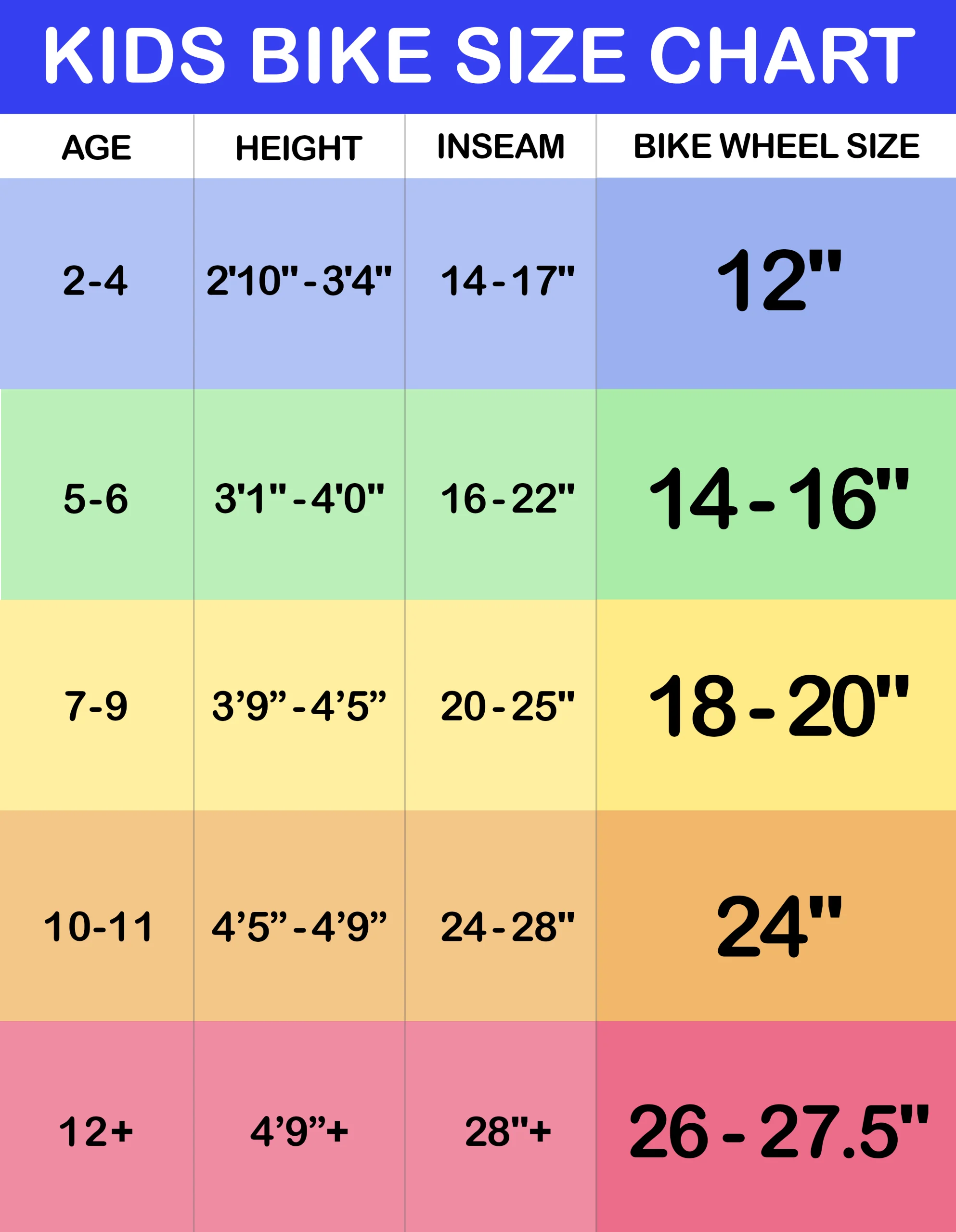
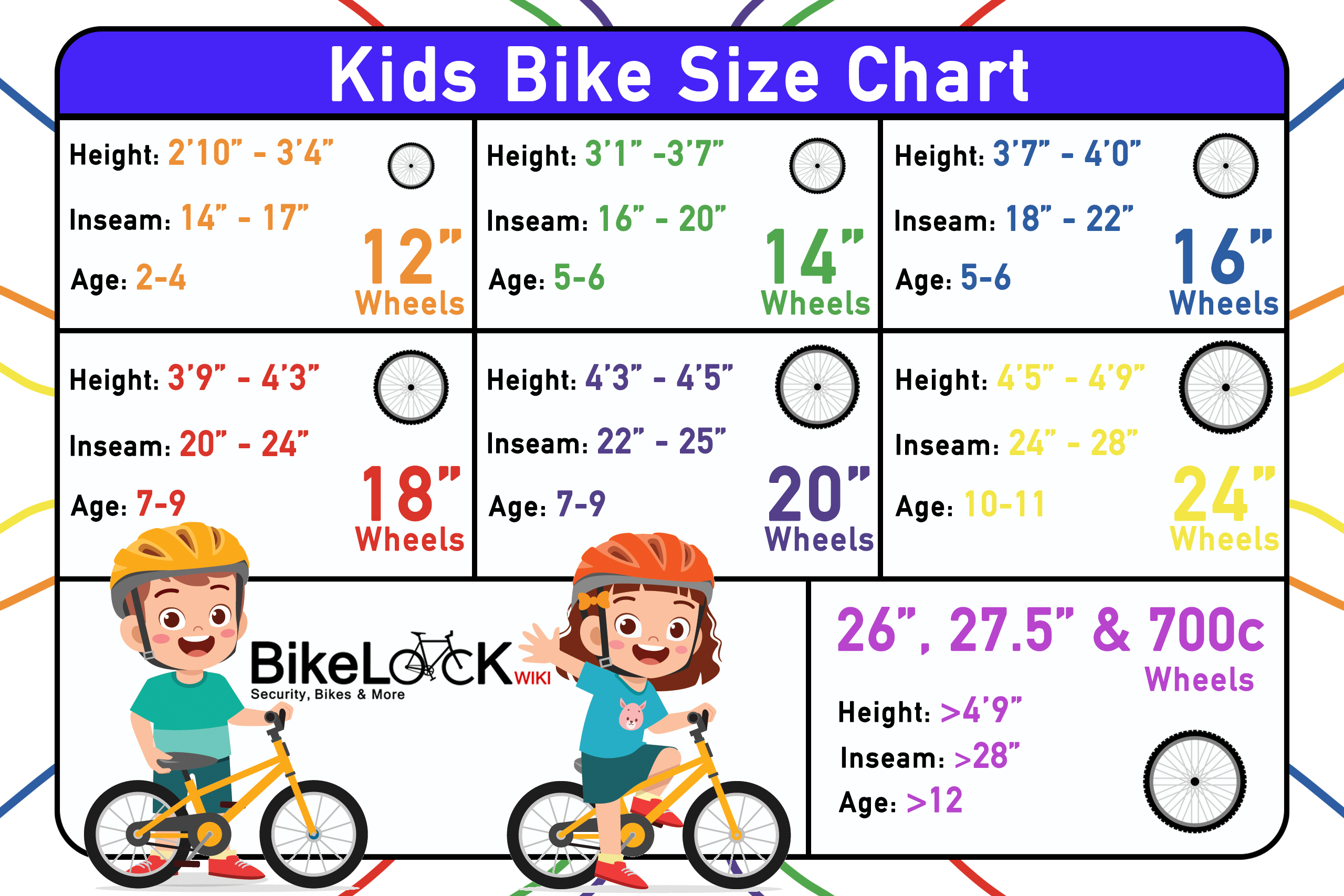
Measure Yourself: Take accurate measurements of your body. You'll need your height, inseam (the inner leg measurement from crotch to ankle), and sometimes arm length. These measurements will be crucial for finding the right frame size and overall bike fit.
Match Your Measurements: Refer to the chart and find the section that corresponds to your height and inseam. This will give you a starting point for frame size.
Consider Your Riding Style: Bike size charts often provide recommendations based on riding style. For example, if you're a casual rider, you might opt for a more upright position, while a racing enthusiast would lean towards a more aggressive, stretched-out position.
Adjust for Comfort: Once you have a frame size, consider making adjustments for comfort. This could mean tweaking the seat height or handlebar width to find your ideal riding position.
Common Misreadings and How to Avoid Them
While bike size charts are straightforward, there are a few potential pitfalls to avoid:
Misinterpreting Frame Size: Frame size is a critical measurement, but it's not always the only factor. Some charts provide a range of frame sizes for a given height, and you should choose the one that best suits your riding style and comfort.
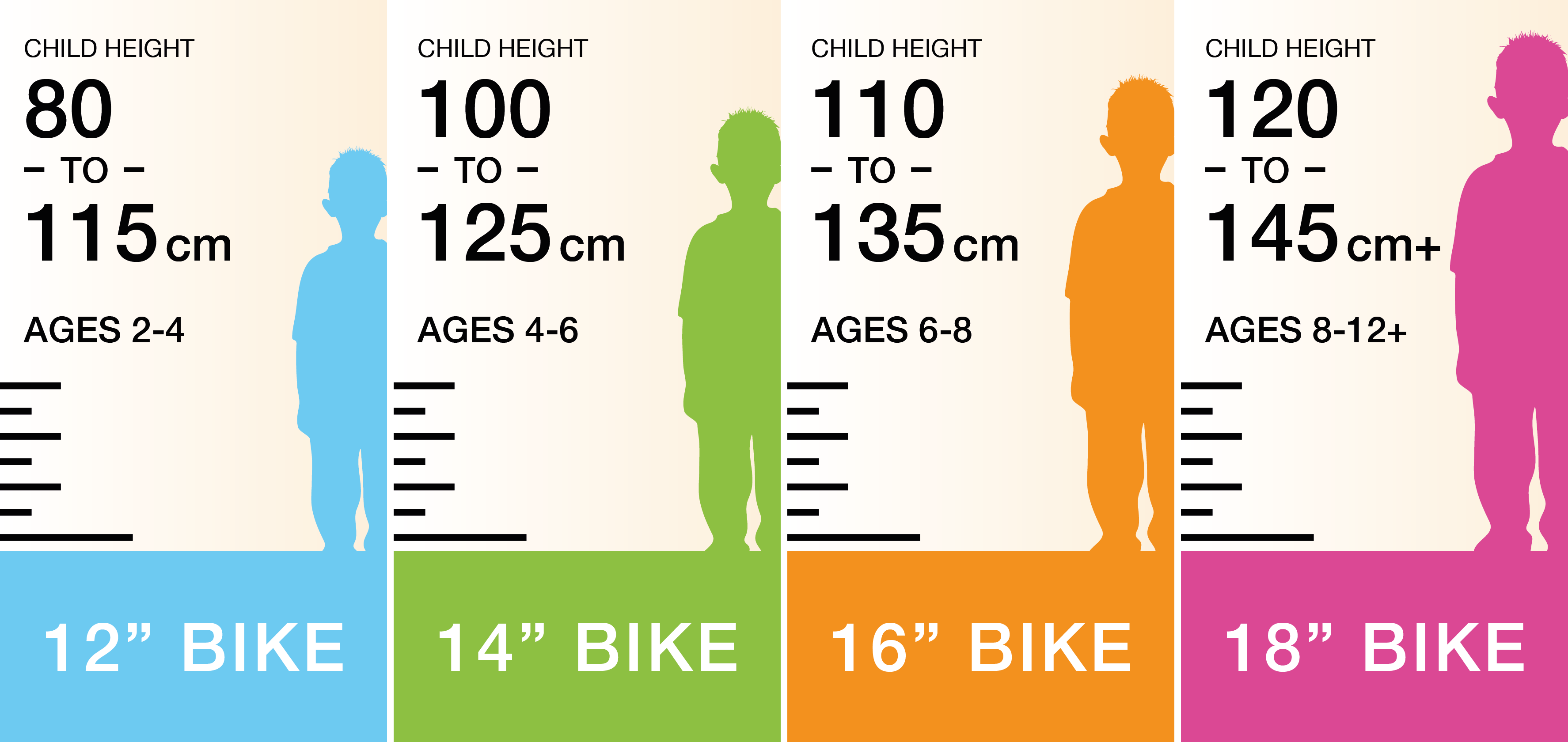
Wheel Size: Don't confuse wheel size with frame size. Wheel size is an important consideration, especially for kids' bikes, but it's a separate measurement.
Sizing for Kids Bikes: When sizing bikes for children, always double-check the manufacturer's recommendations. Kids grow quickly, so it's essential to ensure the bike can accommodate their growth while still providing a safe and comfortable ride.
Regional Variations: Be mindful of regional differences. Some countries or regions may have slightly different sizing standards, so always check the chart's origin or consult a local bike expert if in doubt.
Hey there, bike enthusiasts! We hope this guide has helped you navigate the world of bike sizing with ease. Remember, when it comes to finding the perfect bike, it's all about getting the right fit for your body and riding style.
So, before you make that final decision, take a moment to review your specific needs and preferences. Double-check the measurements and consider any personal factors that might influence your choice. It's a simple step, but it ensures you end up with a bike that truly suits you.
Related: Where to Sit at the Mets? A Simple Guide
Many fans might feel overwhelmed when first looking at a Mets seating chart, thinking it's a complex puzzle. But fear not! It's a simple tool to navigate and enjoy the game.
The chart is your guide to finding the perfect spot at Citi Field. With various sections and views, you can choose your ideal seat, whether you prefer being close to the action or having a panoramic view. It's worth noting that seat prices can vary, so it's a good idea to explore the different options and find the best value for your preferred experience.
Understanding the Mets Seating Chart
The mets seating chart is your guide to navigating the iconic Citi Field stadium and choosing the perfect seats for your baseball experience. This chart provides a visual representation of the stadium's layout, helping fans understand the different sections, seat numbers, and views.
Key Details and Categories
When examining the mets stadium seating chart, you'll notice it's divided into various sections, each with its own unique features and amenities. These sections are typically labeled with letters or numbers, and each has a distinct seating arrangement. The chart will also display the row numbers within each section, allowing you to identify your seat's exact location.
Reading and Applying the Seating Chart
Here's a step-by-step guide to using the mets seating chart effectively:
- Start by identifying the section you're interested in. Each section offers a different perspective and atmosphere, so choose based on your preferences.
- Within your chosen section, look for the row number that aligns with your ticket. This will help you find your seat quickly and easily.
- Consider the view from your seat. The citi field seating view can vary depending on the section and row. Some seats offer a more intimate view of the field, while others provide a broader perspective.
- Take note of any amenities or features specific to your section. For instance, certain sections may have better access to concessions or offer a more relaxed, family-friendly environment.
Variations and Differences
It's important to note that mets seating charts can vary slightly depending on the game or event. Factors such as special promotions, concerts, or other events may impact the seating arrangement and availability. Additionally, weather conditions or field maintenance can sometimes lead to last-minute changes. Always double-check the mets ticket prices by seat and any specific event details to ensure an accurate understanding of the seating chart for your chosen game.
Remember, the mets seating chart is your tool to navigate and enjoy the game to the fullest. With a little knowledge and planning, you can make the most of your baseball experience at Citi Field!
Well, there you have it! You're now equipped with the knowledge to navigate the Mets seating chart like a pro. Remember, when it comes to seating charts, there's no one-size-fits-all approach. So, always double-check the specifics for your game day experience.
Feel free to explore our other guides and resources for more baseball-related tips and tricks. We've got you covered, whether you're a seasoned fan or a newcomer to the sport. Happy reading, and here's to an awesome season ahead!
Related: Understanding the Tattoo Size Chart
You're here, searching for a tattoo size chart, probably to get a clear idea of what you want and how to communicate it effectively to your artist. It's a smart move, as these charts are a great way to visualize and understand tattoo sizes, especially when you're planning your next ink adventure. While the exact values may vary depending on the artist or region, the tattoo size chart provides a reliable starting point, offering a simple guide to standard tattoo dimensions.
Understanding the Tattoo Size Chart
The tattoo size chart is your go-to guide for figuring out the dimensions of different tattoo designs. It's like a roadmap, helping you navigate the world of tattoo sizes and understand what each measurement means. This chart is a handy tool, especially when you're planning your next tattoo and need to visualize how big or small it will be on your body.
Comparing Chart Formats and Standards
There are a few different ways to present a tattoo size chart, and the format can vary depending on the source. Some charts use a simple table with columns for size categories and corresponding measurements, while others might display a range of designs with their dimensions noted. The units of measurement can also differ; you'll often find charts using either imperial (inches) or metric (centimeters) systems. It's essential to know which standard is being used to ensure accurate readings.
Practical Size Suggestions and Measuring Tips
Using a tattoo size chart is straightforward, but there are a few steps to ensure you're getting the most accurate information. First, identify the category or design you're interested in. Then, locate the corresponding measurement. If the chart uses a range, you can decide on a specific size within that range based on your preferences. Remember, these charts often provide a general guide, so it's a good idea to discuss your desired size with your tattoo artist, who can offer expert advice and ensure the design fits perfectly on your body.
Common Misreadings and How to Avoid Them
It's easy to misinterpret a tattoo size chart, especially if you're not familiar with the standard being used. Always double-check the units of measurement to ensure you're reading the chart correctly. For instance, if you're used to thinking in inches but the chart uses centimeters, your interpretation of the size could be off. Additionally, some charts might not provide exact measurements but rather a range. In these cases, it's best to consult with a professional to get a precise idea of the tattoo's dimensions.
Hey there, we hope this tattoo size chart guide has given you a clear and simple overview of your options. Remember, the exact details may differ slightly, so always double-check your sources and measurements.
This is a handy reference to keep bookmarked for future ink adventures! Whether you're a tattoo enthusiast or just curious about the process, we've got more guides to explore. So, feel free to dive into our other content and keep learning.