

Monthly Planner For Ukg Class Overview
"rs means construction" is a phrase that might pop up when you're planning a home renovation or building project. It's a mouthful, but it's a useful tool for anyone wanting to understand construction costs. So, let's break it down and see what it's all about!
Understanding RSMeans and Construction Costs
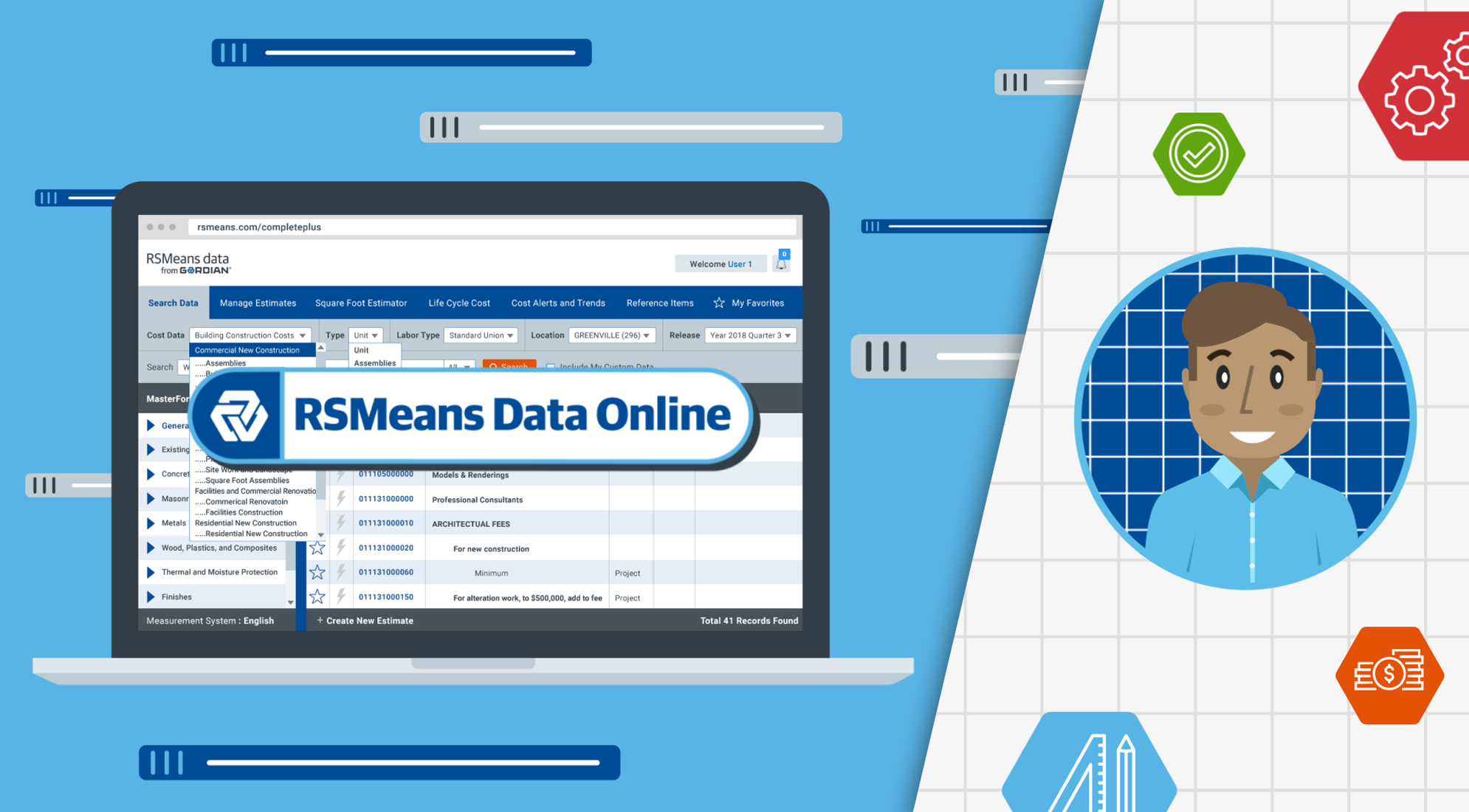
RSMeans is a database and resource for construction professionals and homeowners alike. It provides detailed information on construction costs, helping you estimate and plan your project's budget. This tool is a go-to for many in the industry, offering insights into labor, materials, and other expenses. It's especially handy for comparing quotes and ensuring you get a fair deal.
When using RSMeans, you can get a good idea of what your project might cost. It considers various factors like the size of the project, the materials you choose, and the local labor rates. This data helps you set a realistic budget and understand the costs involved. It's a great way to ensure you're not overspending or underestimating the expenses.
Hiring a Contractor: What to Look For
When it comes to hiring a contractor, RSMeans can be a valuable ally. It can help you understand the typical costs for your project, so you know if a quote is reasonable. Before hiring, always check the contractor's references and licenses. Ask for a detailed breakdown of the costs and what's included in the quote. A good contractor will be transparent and provide this information.
You should also consider the scope of the project and whether the contractor has experience with similar work. Don't be afraid to ask questions and get a clear picture of what you're paying for. It's your project, and you want to ensure it's done right!
Construction Company Names and Branding
Naming a construction company is an important step. It's the first impression you give to potential clients and should reflect your business's values and services. A good name is memorable, unique, and gives a hint at what you do. For example, "BuildStrong", "Renovate Right", or "HomeCrafters" are catchy and descriptive.
When choosing a name, consider registering it and checking domain availability. You want to ensure your online presence is secure and that your name isn't already taken locally. It's a small but crucial step in building your brand and standing out in a competitive industry.
Jobs and Opportunities in Construction
The construction industry offers a range of roles, from estimators who use tools like RSMeans to project managers and skilled laborers. These jobs are in demand, and you'll often find opportunities advertised online or through local trade associations. It's a varied industry, and you can specialize in different areas, whether it's residential construction, commercial projects, or specific trades like plumbing or electrical work.
Data and Tools for the Industry
RSMeans is just one of the many tools and resources available to construction professionals. These tools help manage projects, estimate costs, and keep track of industry trends. For example, cost indexes provide an overview of construction costs over time, helping businesses and homeowners plan and budget effectively. Escalation, another term for cost increases, is also an important factor to consider when planning long-term projects.
Big Companies and the Industry
In the construction world, you'll find a mix of small, local businesses and large, national firms. The size of the company often reflects the scale of projects it takes on. Big companies may have the resources to tackle large-scale developments, while smaller businesses might focus on local renovations and additions. It's a diverse industry, and both types of companies play a crucial role in building our communities.
So, there you have it! RSMeans construction is a useful tool for anyone involved in construction, whether you're a homeowner, a contractor, or a business owner. It's a great way to stay informed and ensure your projects are on track and within budget.
Related: RSMeans Database Essential Guide for Builders
I've got a question for you: how do you estimate the cost of a construction project? I mean, it's a big deal, right? You don't want to get it wrong and end up overpaying or, worse, not having enough to finish the job. That's where the RSMeans database comes in handy. It's like a secret weapon for anyone in the construction game.
Unlocking the Power of RSMeans
The RSMeans database is a comprehensive tool used by construction professionals to estimate costs accurately. It's a go-to resource for anyone involved in building, from contractors to architects and even homeowners taking on a renovation. This database provides detailed information on various construction elements, from materials to labor, helping users make informed decisions and create precise budgets.
One of the key advantages of RSMeans is its ability to provide location-specific data. Construction costs can vary significantly depending on where you are, and this database takes that into account. It offers regional insights, ensuring your estimates are relevant and accurate for your specific area. Whether you're in Atlanta or San Francisco, RSMeans has you covered.
Estimating Costs with Precision
When it comes to cost estimation, RSMeans is a game-changer. It provides detailed cost data for a wide range of construction projects, helping you avoid those nasty surprises down the line. With RSMeans, you can get an accurate picture of the costs involved, from the initial materials to the final touches.
For instance, if you're planning a bathroom renovation, RSMeans can give you an idea of the cost of materials like tiles, fixtures, and plumbing, as well as the labor involved. It's like having an expert by your side, guiding you through the entire process. And the best part? You can compare quotes from different contractors with confidence, knowing you have a reliable benchmark.
Choosing the Right Contractor
Hiring a contractor is a big decision, and RSMeans can help you make an informed choice. By using this database, you can ensure the quotes you receive are fair and accurate. It's a great way to weed out the cowboys and find a reputable, reliable contractor.
When reviewing quotes, look for detailed breakdowns. A good quote should include costs for materials, labor, and any additional fees. It's also worth checking the contractor's experience and reputation. RSMeans can't do that for you, but it's a great starting point to ensure you're on the right track.
Building a Construction Business
If you're in the business of construction, a unique and memorable name is key. It's your brand, your identity. A good name can set you apart and make you memorable. Here are a few ideas to get you started:
- Build-It-Right
- Solid Foundations
- Crafted Spaces
- Home Evolution
- Constructive Solutions
Remember, when choosing a name, make sure it's available for registration and that the domain name is free. You don't want any legal headaches down the line!
The Bigger Picture
The construction industry is a vast and varied landscape. From small, local businesses to large, national firms, there's a place for everyone. While the big players often have the resources and reach, smaller companies can offer a more personalized service. It's all about finding the right fit for your project.
When it comes to jobs in construction, there's a role for everyone, from estimators to project managers and skilled laborers. Salaries can vary greatly depending on the role, experience, and location. It's a vibrant industry with plenty of opportunities for growth and development.
So, there you have it. The RSMeans database is a powerful tool for anyone in the construction game. It's a resource that can save you time, money, and headaches. Whether you're a homeowner, contractor, or industry professional, it's worth exploring.
Related: What's the best gravel size chart for my project?
A common misconception about gravel size charts is that they are solely for professionals or experts in the field. However, these charts are an accessible and valuable tool for anyone seeking accurate information on gravel sizing. The gravel size chart, often a simple table or diagram, provides a clear reference for understanding the various sizes and grades of gravel. It ensures you can make informed decisions, whether for landscaping, construction, or any project requiring specific gravel specifications.
Understanding the Gravel Size Chart: A Practical Guide
The gravel size chart is a valuable tool for anyone working with aggregates, offering a standardized way to categorize and understand the size distribution of gravel particles. This chart provides a visual representation of gravel sizes, making it easier to select the right type for various applications.
Comparing Standards and Formats
There are different standards and formats for gravel size charts, primarily based on the measurement system used. The most common are the US standard sizes and the metric system. US charts typically use inches or fractions of an inch, while metric charts employ millimeters. These charts also vary based on the specific application, such as construction, landscaping, or horticulture.
Step-by-Step Guide to Using the Gravel Size Chart
To accurately use a gravel size chart, follow these steps:
Identify the Standard: Determine whether you are working with a US or metric chart. This is crucial as the size categories and measurements differ significantly between the two systems.
Select the Right Chart: Choose a chart specific to your application. For instance, if you are landscaping, you might need a different chart than someone working on a construction project.
Understand the Categories: Familiarize yourself with the size categories on the chart. These categories often have specific names or codes, such as "pea gravel" or "2A Modified."
Measure and Compare: Take accurate measurements of the gravel you are working with. Compare these measurements to the categories on the chart to identify the closest match.
Consider Particle Distribution: Remember that gravel is a natural material, and its size distribution can vary. The chart provides a general guide, but actual samples may have some variation.
Convert if Needed: If you are working with a chart in a different system, you may need to convert the measurements. For instance, converting from inches to millimeters or vice versa.
Avoiding Common Misreadings and Pitfalls
Misinterpreting a gravel size chart can lead to incorrect selections. Here are some common mistakes to avoid:
Assuming Direct Equivalence: Gravel size charts provide a range of particle sizes, not exact measurements. Avoid selecting gravel based on a single number or assuming a direct match.
Ignoring Tolerances: Natural variations in gravel mean that the actual size distribution may differ slightly from the chart. Always consider the tolerance range when making selections.
Mixing Standards: Be cautious when working with charts from different standards. Converting measurements accurately is essential to avoid errors.
Factors Affecting Accuracy and Real-World Use
Several factors can influence the accuracy of a gravel size chart and its real-world application:
Source and Origin: Gravel from different sources or regions may have varying size distributions, even within the same category.
Processing and Screening: The method of processing and screening gravel can affect its size distribution. Different techniques may result in slightly different outcomes.
Environmental Factors: Weather conditions and erosion can impact the size and shape of gravel over time, especially in natural settings.
Application-Specific Requirements: Different projects have unique needs. Construction, for example, may require more precise size control than landscaping.
Adapting the Chart for Specific Needs
While gravel size charts provide a standardized guide, they may not cover every specific need. In such cases, you can adapt the chart or seek more detailed specifications:
Custom Size Categories: If your project requires a specific size not covered by standard charts, you can create custom categories based on your measurements.
Detailed Specifications: For precise projects, consult with experts or refer to detailed specifications provided by gravel suppliers or manufacturers.
On-Site Testing: In some cases, conducting on-site testing and analysis, such as sieve analysis, can provide more accurate data for your specific gravel source.
Well, I hope this gravel size chart and its accompanying guide have given you a clear and concise reference for your projects. Remember, while this chart provides a solid foundation, it's always a good idea to verify the specific requirements and standards relevant to your region or industry. Exact values can vary, so double-check to ensure you're using the right measurements for your context.
Consider bookmarking this page for future reference; it might come in handy when you least expect it! Until next time, happy measuring and stay organized.