

Monthly Planner Layout Ideas Overview
Many people struggle with understanding wig length charts, often assuming they are complex and intimidating. But fear not, they are actually a simple and handy tool!
The wig length chart is your friend, providing a clear visual guide to help you choose the right wig length. It's a straightforward reference, offering a quick solution to ensure you get the perfect fit and style. While the values might vary slightly, the chart's purpose remains the same: to make your wig journey an easy and enjoyable one!
Wig Length Chart: Unlocking the Perfect Fit
Wig length charts are your secret weapon to finding the ideal wig. These charts provide a visual guide to help you understand and choose the right wig length based on your preferences and head shape. It's like having a personal stylist at your fingertips!
Key Details and Categories
The wig length chart typically displays different wig lengths, often categorized into short, medium, and long. These categories are further divided into sub-lengths, offering a more precise selection. You'll find measurements in inches or centimeters, depending on the standard used. For instance, a short wig might range from 8 to 14 inches, while a long wig could go beyond 20 inches.
Reading and Applying the Chart
Using the wig length chart is simple:
- Identify your preferred wig length. Are you aiming for a chic bob or a flowing, Rapunzel-inspired look?
- Check the chart for the corresponding category. Short, medium, or long?
- Within each category, find the specific length that matches your vision.
- If you're between sizes, consider your face shape and personal style. A little adjustment can make a big difference!
Variations and Differences
It's important to note that wig length charts may vary slightly across different manufacturers and standards. Some brands might offer more detailed sub-lengths, while others keep it simple. Additionally, the chart's categories and measurements can differ between human hair wigs and synthetic ones. Always double-check the specific chart for the wig you're interested in to ensure an accurate fit.
Common Mistakes to Avoid
A common pitfall is relying solely on the chart without considering your head size and shape. Remember, wig lengths are just one aspect; the overall fit is crucial. Another mistake is ignoring the hair density and style. Thicker hair might require a slightly larger wig cap for comfort. Always measure your head accurately and refer to a wig cap size chart for guidance.
Practical Tips for Accurate Results
To ensure the best fit, measure your head circumference at the widest point, usually just above the ears. This measurement will help you choose the right wig cap size. When trying on wigs, adjust the straps or combs for a comfortable, secure fit. If you're between sizes, consider going up a size for a more relaxed feel.
Double-Checking and Edge Cases
While the wig length chart is a valuable tool, it's not an exact science. Individual head shapes and preferences can vary greatly. If you're unsure, consult a professional stylist or wig expert. They can provide personalized advice and help you find the perfect wig length and style to complement your features.
In conclusion, the wig length chart is a fantastic resource for finding your ideal wig. By understanding the categories, reading the chart accurately, and considering your unique features, you'll be well on your way to a confident and comfortable wig experience. Happy wig hunting!
Well, there you have it! A handy wig length chart that will be your go-to resource for all things wig-related. Remember, while this chart provides a great starting point, it's always wise to double-check the specific requirements or standards relevant to your project or context.
Consider bookmarking this page for future reference; it's a simple yet effective tool that will save you time and effort. Happy wig adventures!
Related: Need a shirt size chart? Find your perfect fit!
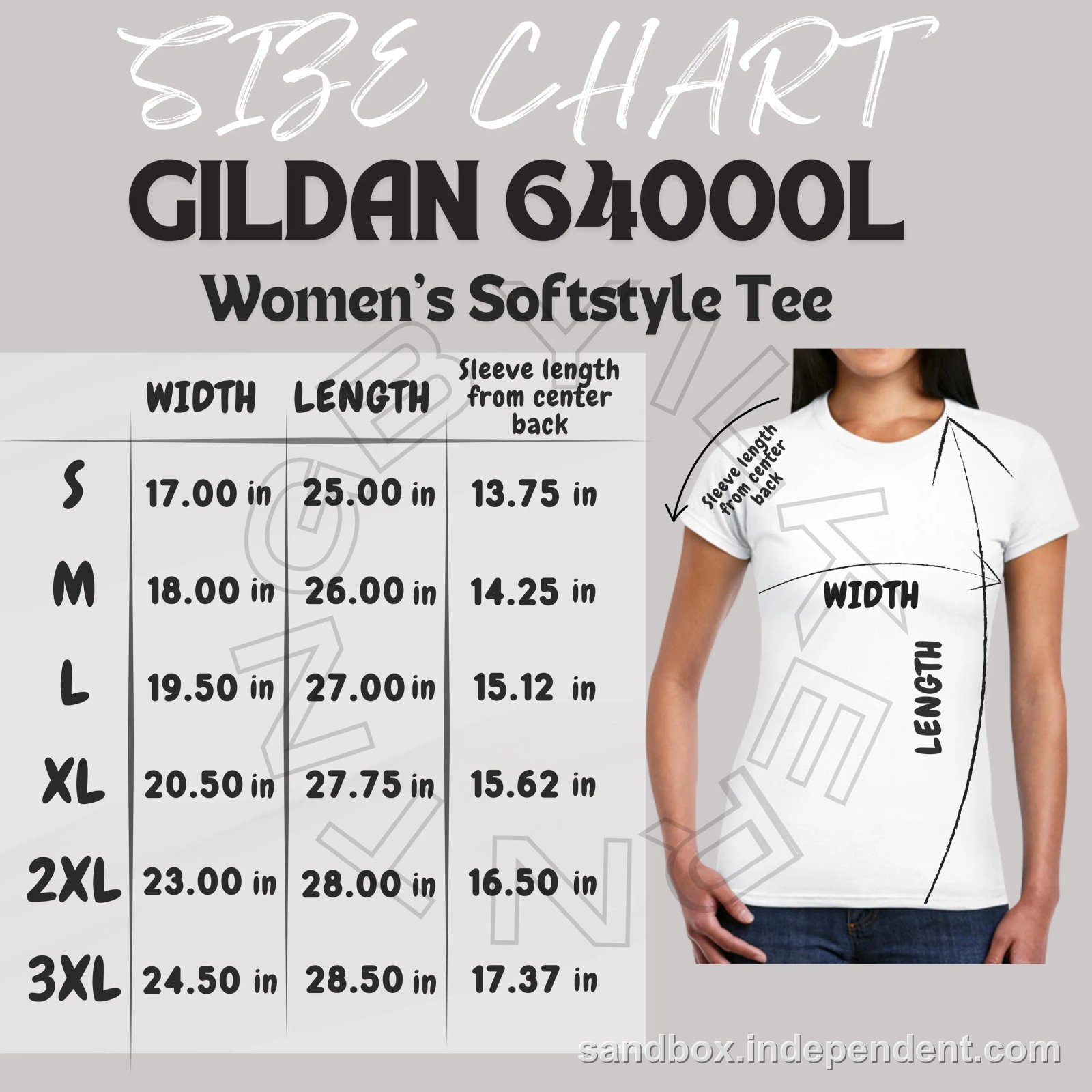
You're probably here because you need a quick fix, a simple solution to finding your perfect shirt size. And what better tool than a shirt size chart? It's a handy reference, a map to navigate the world of clothing sizes, and it's right at your fingertips. These charts offer a straightforward way to ensure you get the right fit, and they can vary slightly depending on the brand or region, so it's always good to have a reliable guide.
Shirt Size Chart: A Practical Guide
A shirt size chart is a handy reference tool that helps you find the perfect fit for your shirts. It provides a standardized way to determine your size based on key body measurements. These charts are essential for online shopping or when you need to order custom-made shirts.
Key Details and Categories
The shirt size chart typically includes measurements for chest circumference, waist circumference, and sometimes arm length. These measurements are usually given in inches or centimeters, depending on the standard being used. The chart also provides a range of sizes, often in small increments, to ensure a precise fit. For example, a chart might offer sizes from XS to 5XL, with each size representing a specific measurement range.
Step-by-Step Guide: Reading and Using the Chart
Follow these steps to accurately determine your shirt size using a size chart:
Measure your chest circumference at the fullest part of your chest, keeping the measuring tape parallel to the floor. This measurement is crucial for finding the right fit.
Locate your chest measurement on the chart. The chart will guide you to the corresponding size, often with a range of measurements for each size. For instance, a size Medium might fit chest circumferences between 38 and 40 inches.
If the chart provides waist circumference measurements, repeat the process for your waist. This measurement ensures a comfortable fit around your midsection.
Compare your measurements to the size chart's ranges. Choose the size that aligns most closely with your measurements. If your measurements fall between two sizes, consider factors like your preferred fit (more relaxed or snug) and the fabric's stretchability.
For more precise fitting, some charts may include arm length measurements. Measure your arm length from the base of your neck to your wrist. Match this measurement to the chart's arm length column to ensure a perfect sleeve length.
Understanding Variations and Differences
It's important to note that shirt size charts can vary depending on the brand, manufacturer, or even the specific style of shirt. Some brands may have slightly different measurement standards or size increments. Additionally, the intended fit of the shirt (e.g., slim, regular, or relaxed) can impact the size chart. Always check the brand's size guide or any notes about fit to ensure an accurate selection.
Common Mistakes and How to Avoid Them
One common mistake is relying solely on your usual shirt size without considering the specific brand or style. Each brand may have its own unique sizing system, so it's crucial to refer to their size chart. Another mistake is neglecting to measure yourself accurately. Take precise measurements, especially for the chest and waist, to ensure an accurate fit. Avoid guessing or estimating, as this can lead to disappointment with the final product.
Practical Fitting Tips for Accurate Results
To ensure the best fit, consider these tips:
When measuring, stand naturally and relax your arms. Avoid pulling the measuring tape too tight or too loose.
If you're between sizes, choose the larger size for a more comfortable fit, especially if the shirt has a slim or tailored cut.
Pay attention to the fabric and its stretchability. Some fabrics, like cotton blends, have more give, while others, like linen, are more rigid.
Check the brand's size guide for any specific notes or recommendations. They might offer tips for their unique sizing or suggest sizing up or down for certain styles.
Consider the intended use of the shirt. If it's for a formal occasion, you might want a more tailored fit, while casual shirts can allow for a looser fit.
Remember, the shirt size chart is a valuable tool, but it's just a guide. Always prioritize your comfort and personal style when making a final decision.
Well, there you have it! A shirt size chart is a handy tool to ensure you get the perfect fit every time. Remember, while these charts provide a great starting point, exact values can vary, so it's always wise to check the specific guidelines for your chosen brand or standard.
Don't forget to explore our other guides and resources; we've got plenty of practical tips to help you navigate the world of fashion and sizing with ease. Stay tuned for more!
Related: Canadian Construction Companies Essential Guide
Canadian construction companies are everywhere, and we often take them for granted. From building our homes to renovating our spaces, these companies play a vital role in shaping our communities. Let's explore what they offer and how they can help us create our dream spaces.
Building Our Dreams: An Introduction to Canadian Construction
Canadian construction companies are the backbone of our built environment. They are the experts who bring our architectural visions to life, whether it's constructing a new home, adding an extension, or transforming our living spaces through remodeling. These companies offer a range of services, from general contracting to specialized trades, ensuring every aspect of a project is covered.
When considering a construction project, it's important to understand the factors that influence costs. Pricing can vary depending on the scope, materials, and labor involved. Getting multiple quotes is essential to compare and find the best fit for your budget. Remember, the cheapest quote might not always be the best choice, as quality and expertise matter too.
Hiring a reputable contractor is crucial. Check their licenses, insurance, and references to ensure they are reliable and capable. Ask about their experience with similar projects and their ability to manage timelines and budgets. A good quote should provide a detailed breakdown of costs and a clear timeline, giving you peace of mind.
Naming Your Construction Business: A Creative Venture
Naming a construction company is an art. It should be memorable, reflect your brand, and stand out in a competitive market. Consider a name that evokes strength, reliability, and creativity. Some unique name ideas could be:
- BuildCraft
- Constructive Solutions
- Home Evolution
- Skyrise Builders
- EcoBuild
Remember to check name availability and secure your domain and local business registration to avoid legal issues.
The Construction Industry: Jobs and Opportunities
The construction industry offers a wide range of roles, from general contractors to specialized tradespeople. Estimators, project managers, and skilled laborers are in demand. Salaries vary depending on experience, location, and the scale of projects. Job boards, industry networks, and local construction associations are great places to start your search.
Industry Tools and Resources
Tools like RSMeans provide valuable cost data and resources for construction professionals. These databases help estimate project costs accurately, ensuring projects stay on budget. Construction companies rely on such tools to provide reliable estimates and manage projects effectively.
The Size of the Company: Does it Matter?
The size of a construction company can influence its capabilities. Larger firms often have more resources and specialized teams, allowing them to take on complex projects. Smaller companies, on the other hand, may offer a more personalized service and be better suited for smaller-scale projects. It's about finding the right fit for your needs.
Final Thoughts
Canadian construction companies are an integral part of our daily lives, and understanding their role can help us make informed decisions. Whether you're building, remodeling, or just curious, these companies offer a wealth of expertise and creativity. So, the next time you see a construction site, remember the hard work and dedication that goes into creating our built environment.