



Nipple Size Chart Easy Overview
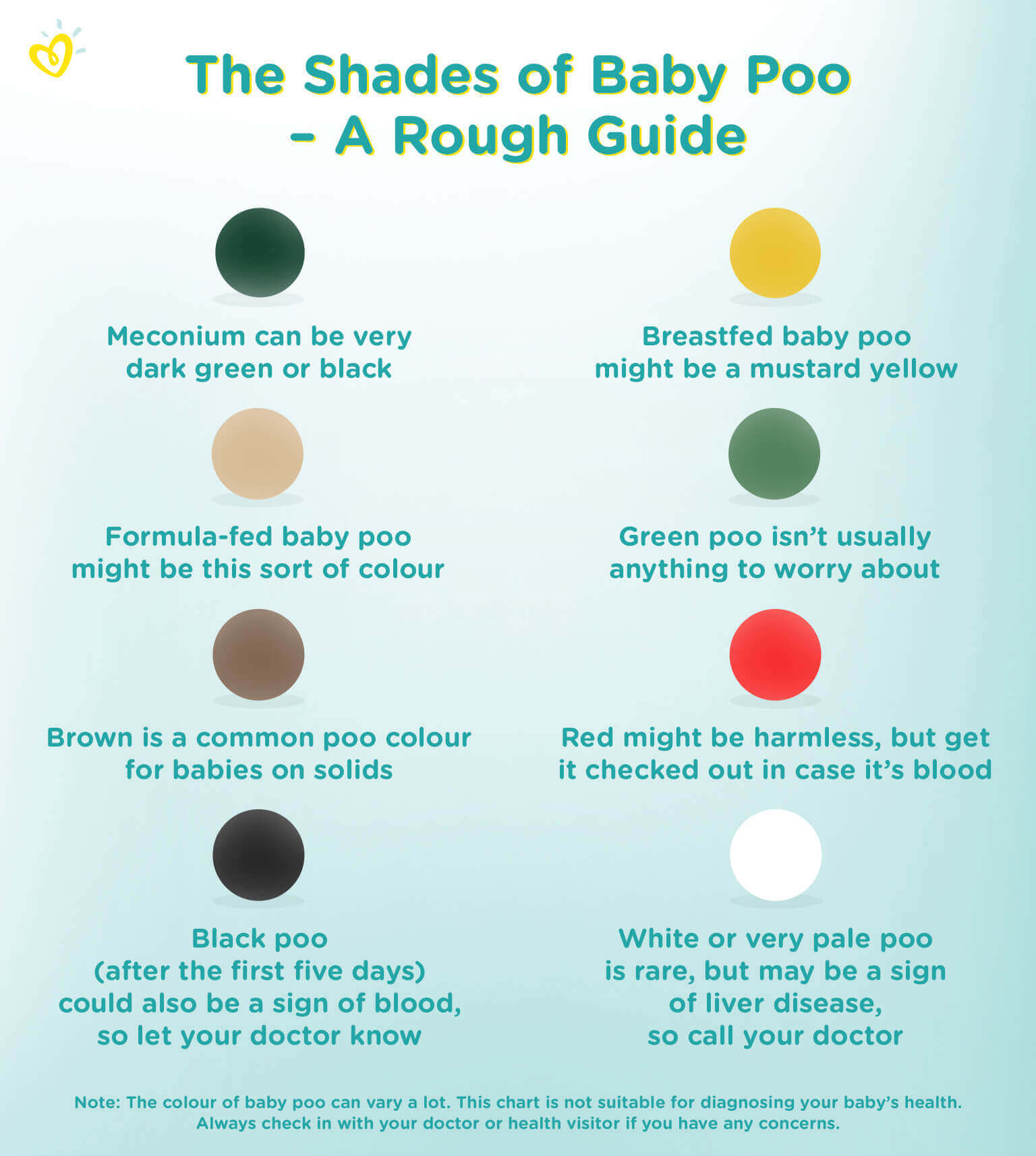
Many new parents are often surprised by the variety of infant poop and the fact that it can be a useful indicator of their baby's health. The infant poop chart is a simple yet effective tool to help you navigate this unfamiliar territory. It's not as scary as it sounds; this chart is a straightforward guide, offering a quick reference to understand your baby's stool consistency and what it might mean. While the exact values may vary slightly, the infant poop chart provides a reliable framework to ensure you're on the right track.
What is an Infant Poop Chart?
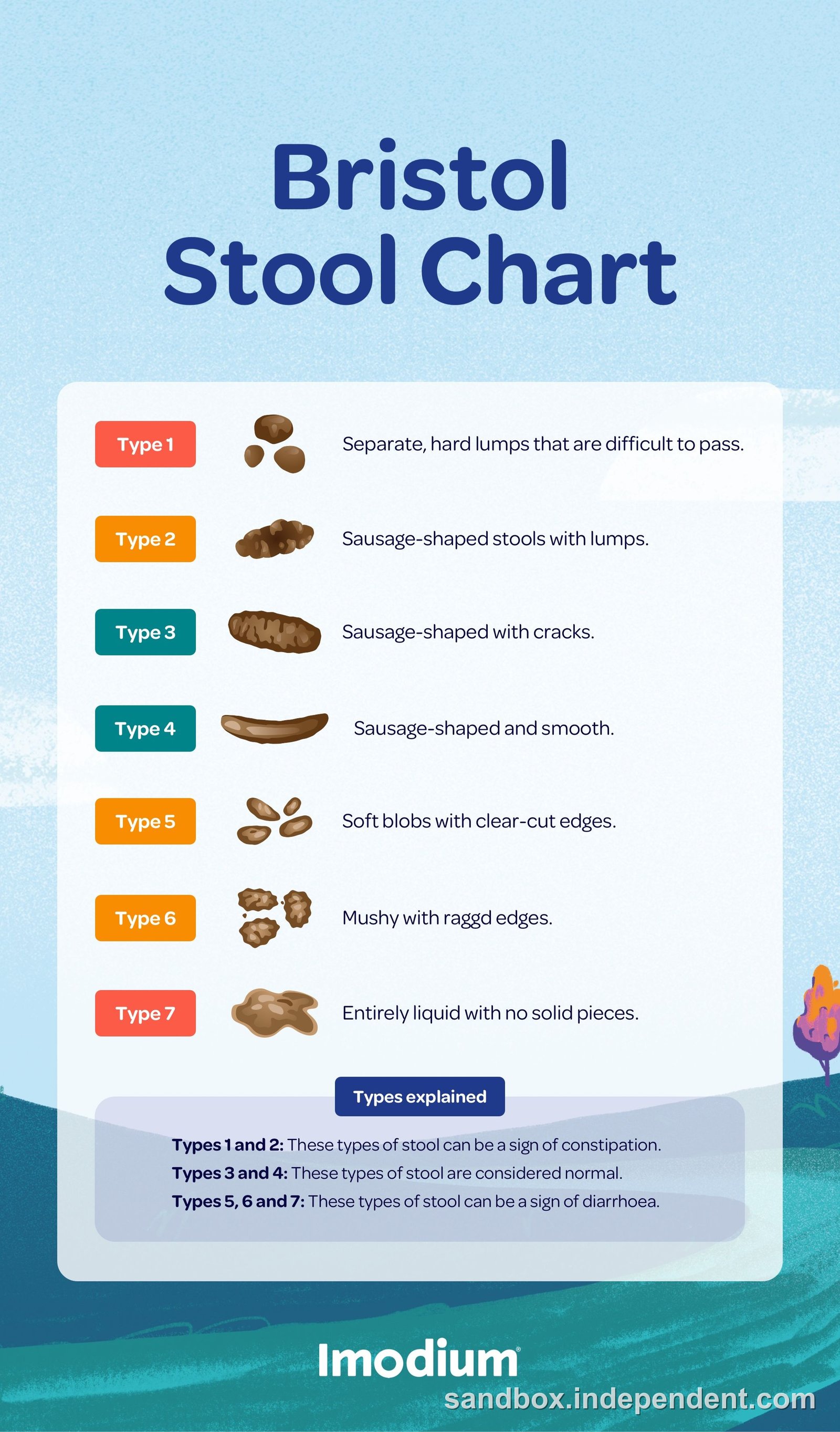
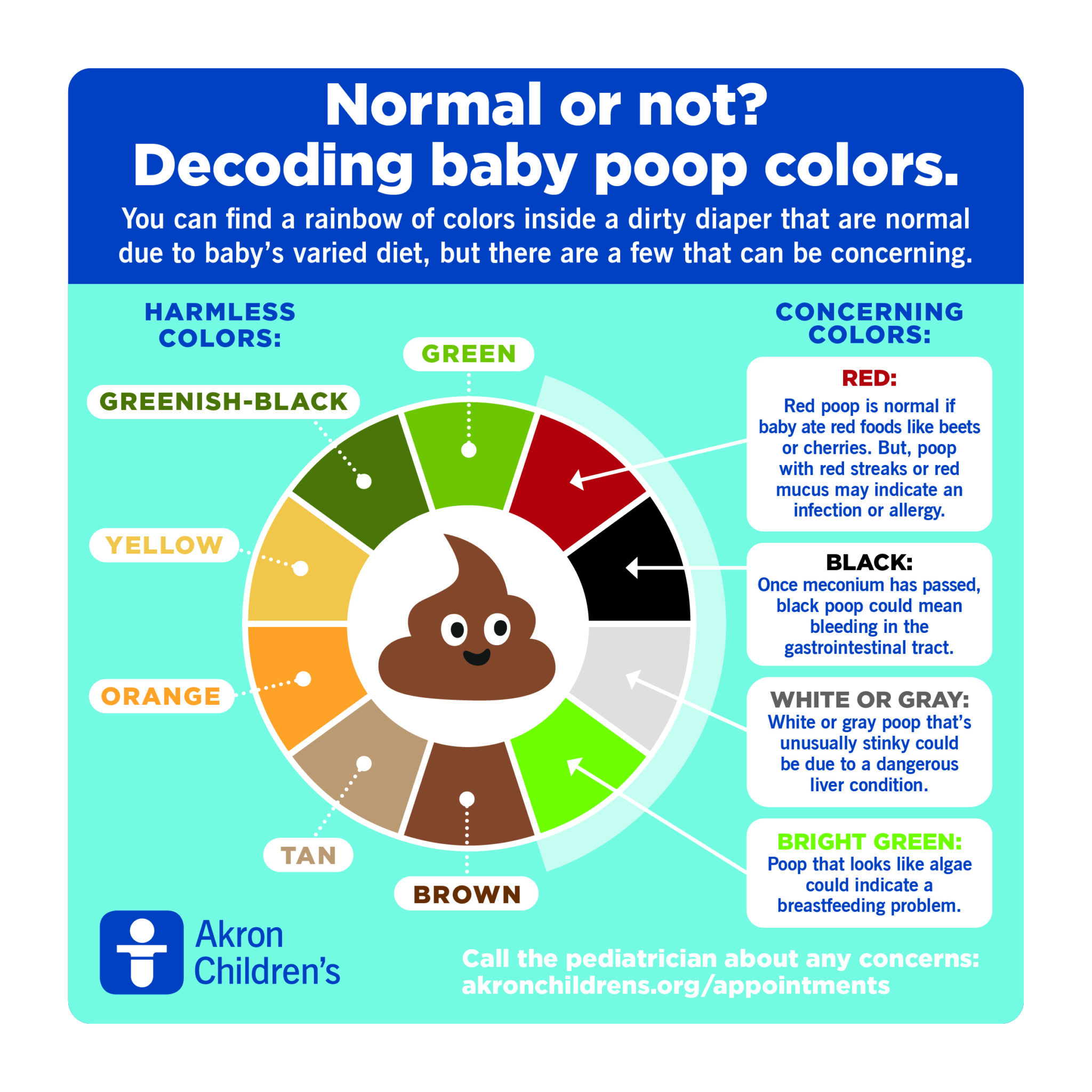
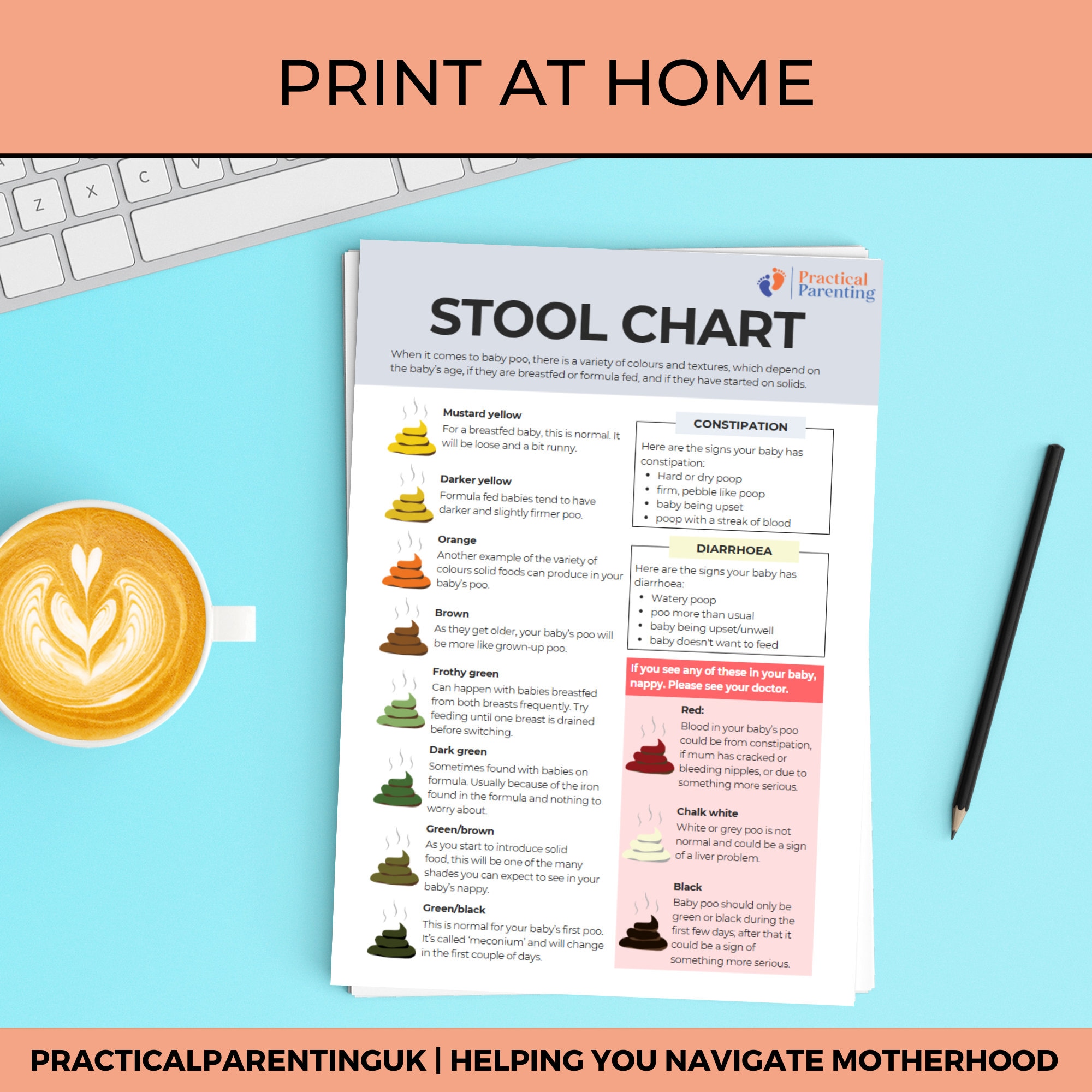
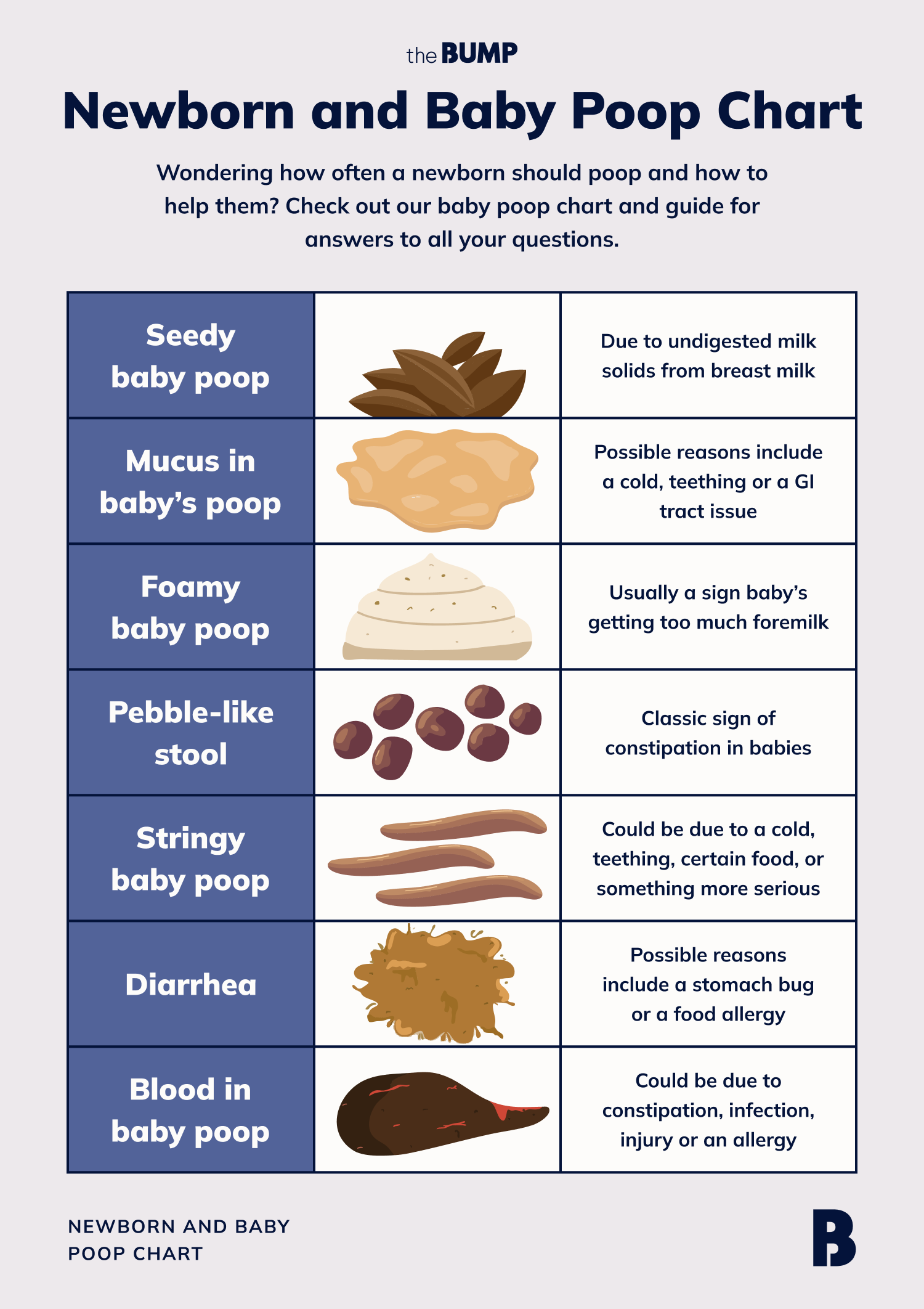
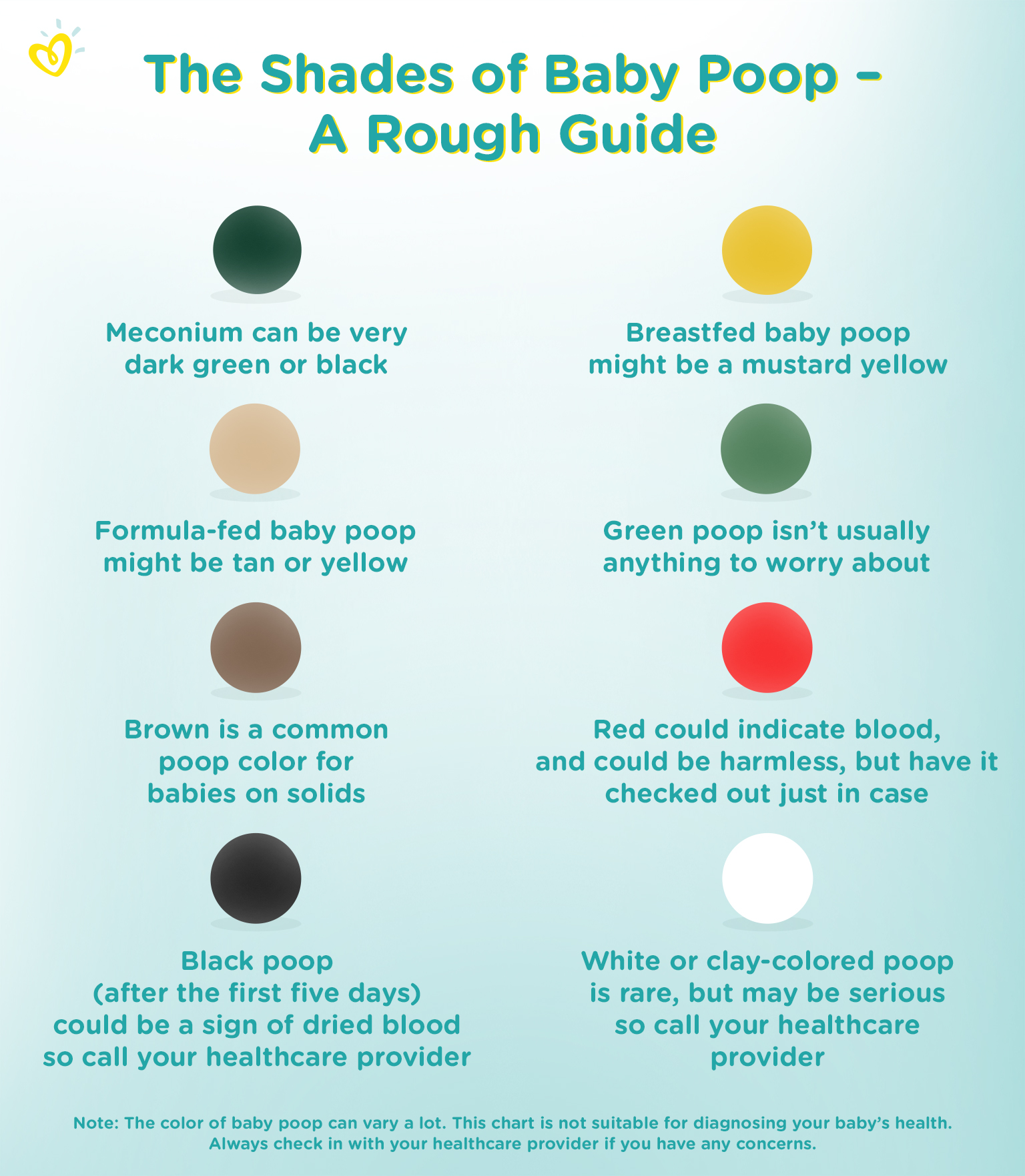
An infant poop chart is a simple yet informative tool for parents and caregivers to understand and track a baby's bowel movements. It provides a visual guide to help identify and categorize different types of poop, offering insights into a baby's digestive health and potential issues.
Key Details and Categories
The infant poop chart typically consists of a scale or a series of images representing various poop consistencies. These categories are often inspired by the Bristol Stool Scale, a widely recognized reference for stool types. The chart may use terms like "Meconium," which is the baby's first tar-like poop, and then progress through different stages, often with descriptive names like "Mustard Seeds" or "Soft Serve Ice Cream." Each category has a unique appearance and texture associated with it.
How to Read and Apply the Chart
Reading the infant poop chart is straightforward. Match the appearance and texture of your baby's poop to the closest representation on the chart. This process helps you identify the stage of your baby's digestive development. For instance, if the poop resembles smooth, soft peaks, it might fall under the "Soft Serve Ice Cream" category, indicating a healthy, well-digested meal.
Understanding Variations and Differences
Variations in poop consistency are normal and can be influenced by several factors. A baby's diet, including breast milk or formula composition, solid food introduction, and even hydration levels, can impact poop appearance. Additionally, individual digestive systems vary, and some babies may naturally have firmer or looser stools. Environmental factors like temperature and humidity can also play a role.
Common Mistakes and How to Avoid Them
One common mistake is overinterpreting the chart. Remember, it's a guide, not a rigid rule. Don't panic if your baby's poop doesn't perfectly match a category. Small variations are normal. Another pitfall is comparing your baby's poop to others. Every baby is unique, and their digestive systems develop at their own pace. Avoid unnecessary stress by focusing on your baby's individual progress.
Practical Tips for Accurate Results
To ensure accurate readings, pay attention to the context. Note any recent dietary changes, illnesses, or medications that might affect your baby's digestion. Keep a poop journal to track patterns and changes over time. This can help you identify any potential issues or simply observe your baby's natural progression.
Double-Checking and Handling Edge Cases
While the infant poop chart is a valuable tool, it's not exhaustive. If you notice any concerning changes, such as persistent diarrhea, blood in the stool, or a sudden shift in consistency, consult a healthcare professional. They can provide personalized advice based on your baby's specific situation. Always seek medical guidance if you're unsure or concerned about your baby's health.
Well, there you have it! An easy-to-use infant poop chart, a handy tool for any parent or caregiver. Understanding the ins and outs of baby poop is a crucial step in their overall health and development, so it's great to have a simple guide to refer to.
Remember, while this chart provides a general overview, exact values can vary, so always consider your specific context and consult with a healthcare professional if you have any concerns. It's always better to be safe than sorry! Bookmark this page for future reference, and you'll always have a quick and handy resource to turn to. Happy pooping!
Related: Flute Notes Chart: A Simple Guide
You're here, perhaps with your flute in hand, seeking a simple, reliable guide to navigate the world of flute notes. A flute notes chart is your trusted companion, offering a clear and concise visual representation of the notes you can produce. This chart, a valuable tool for musicians, presents the standard flute note range and beyond, with details that can vary depending on your instrument and playing style. It's a quick reference, ensuring you stay on track and play with precision.
The Flute Notes Chart: A Visual Guide
The flute notes chart is a valuable tool for flute players, offering a visual representation of the notes produced by the instrument. It provides a quick reference for understanding the relationship between finger positions and the corresponding musical notes. This chart is an essential guide for beginners and experienced flutists alike.
Key Details and Prerequisites
Before delving into the chart, it's important to understand some basic concepts. The flute notes chart typically displays the standard flute note range, which covers the notes from the lowest to the highest pitch achievable on a flute. It uses a combination of finger positions, or flute fingering, to represent different notes. The chart often includes common flute scales and note names, providing a comprehensive overview.
Understanding and Reading the Chart: A Step-by-Step Guide
The flute notes chart usually features a grid-like structure, with finger positions represented horizontally and note names or pitches vertically. Each intersection represents a specific note.
Locate the starting point, which is often marked as "C" or "Do." This is the reference point for all other notes. From there, you can identify the finger positions required to play each note.
Pay attention to the alternate fingerings indicated on the chart. These are alternative ways to produce the same note, offering options for players to adjust their technique or achieve a desired sound.
Practice reading the chart by identifying a specific note and finding its corresponding finger position. Then, try playing that note on your flute to reinforce the connection between the visual representation and the actual sound.
As you become more familiar with the chart, you can use it to explore different scales and musical phrases. The chart serves as a roadmap, guiding you through the finger positions needed to play various melodies.
Variations and Differences: Factors to Consider
While the flute notes chart provides a standardized reference, variations can occur due to several factors:
Standard flute note range can differ slightly between different flute models or types. Always check the specific range for your flute.
The chart may not account for all possible fingerings or techniques. Some advanced players might discover unique fingerings not commonly used.
Pitch chart accuracy can be influenced by factors like flute quality, player technique, and environmental conditions.
Different regions or manufacturers might use slightly different standards for note frequencies or labels.
The chart is a guide, but practical exercises and experience are essential for mastering the flute.
Remember, the flute notes chart is a valuable tool, but it's important to verify specific details and tolerances for your flute and playing style. With practice and familiarity, it becomes an indispensable reference for your musical journey.
Flute notes are a fascinating subject, and this chart is a great tool to have in your musical arsenal. Remember, while the fundamentals remain consistent, the exact details can vary slightly depending on the standard or context. So, if you're keen to explore more, our site offers a range of guides and resources to satisfy your curiosity. Dive into the world of music theory and discover the endless possibilities!
Related: A Beginner's Guide to Reading Trumpet Note Charts
A trumpet note chart is a handy tool for any trumpeter, offering a quick glance at the notes and their corresponding fingerings. This guide will take you through the basics, ensuring you can read and use the chart with ease.
It's a simple reference, but an essential one, as it covers the standard range and common scales. While the exact values may vary slightly, the chart provides a solid foundation for understanding note names and their pitch frequencies.
Understanding the Trumpet Note Chart
The trumpet note chart is a valuable tool for any trumpeter, offering a visual representation of the notes and their corresponding fingerings. It's like a map, guiding you through the world of trumpet playing. This chart simplifies the process of learning and mastering different notes, making it an essential resource for beginners and experienced players alike.
Key Details and Categories
Before diving into the chart, it's crucial to understand some basics. The chart typically covers the standard range of a trumpet, which includes both the natural notes and those produced using valve combinations. You'll find notes organized by their pitch frequency, from low to high. Each note is represented by a specific fingering, often shown as a combination of valve positions. Additionally, some charts may include alternate fingerings, offering options for different playing styles or instruments.
Reading the Notation and Applying It
Using the trumpet note chart is straightforward. Start by identifying the note you want to play. Then, locate it on the chart, which will show you the correct fingering. For example, if you want to play a C note, you'll see a specific valve combination indicated. Follow this fingering, and you'll produce the desired note. It's as simple as that! Practice reading the chart and applying the fingerings to become more comfortable with it. Over time, you'll develop muscle memory, making note transitions seamless.
Variations and Differences
While the trumpet note chart provides a solid foundation, it's important to note that variations exist. Different standards, such as US or international, may have slight differences in note names or fingerings. Additionally, some charts might focus on specific scales or playing techniques. Always double-check the exact specifications for your instrument and playing style. Here are some common factors that can cause variations:
- Standard range variations: Some charts may extend beyond the standard range, offering additional notes.
- Instrument type: Different trumpet models might have slight variations in fingering.
- Playing style: Certain charts cater to specific genres or techniques, like jazz or classical.
- Alternate fingerings: These provide options for achieving the same note with different finger combinations.
Remember, the trumpet note chart is a versatile tool, but it's essential to adapt it to your specific needs and context. With practice and familiarity, you'll navigate the chart with ease, unlocking the full potential of your trumpet playing.
Well, there you have it! A handy trumpet note chart can be a great tool to have in your musical arsenal. Remember, these charts provide a solid foundation, but exact values might differ slightly across different standards or resources.
So, before you put your new knowledge into practice, take a moment to ensure you're using the right chart for your specific needs. And don't forget to explore our other guides; there's plenty more musical magic to discover!