








Planner Pages Refill Overview
Many folks assume that a Hoka size chart is a one-size-fits-all guide, but it's actually a bit more nuanced than that. While it provides a handy reference, these charts can vary depending on the brand and the type of shoe.
So, when you're looking at a Hoka sizing guide, remember it's not just about the numbers; it's about finding the perfect fit for your unique feet. Whether you're a runner seeking the right Hoka running shoe sizes or just need a quick shoe size conversion, these charts are your friends!
Understanding the Hoka Size Chart
The Hoka size chart is your guide to finding the perfect fit for your feet. It's a simple yet effective tool that helps you navigate the world of Hoka footwear sizes. This chart ensures you get the right size, whether you're a runner seeking comfort or just looking for a stylish pair of shoes.
Key Details and Categories
The Hoka size chart typically includes standard foot measurements, with length and width being the primary dimensions. Length is measured in either US sizes or metric (international) sizes, depending on the region and standard. Width, on the other hand, often has a few variations, such as narrow, regular, and wide, to accommodate different foot shapes.
How to Read and Apply the Chart
- Start by determining your foot length. This is the foundation of your size selection. Measure your foot, or refer to a previous pair of shoes that fit well.
- Next, consider your foot width. If you have a wider foot, you may need to size up or opt for a wider width option.
- Using the Hoka size chart, match your foot length and width to the corresponding size. The chart will guide you to the appropriate size, considering both dimensions.
- Remember, the chart provides a starting point. It's always a good idea to try on the shoes to ensure a comfortable fit.
Variations and Differences
Hoka size charts may vary slightly depending on the shoe model and intended use. For instance, running shoes might have a different fit compared to casual footwear. Additionally, Hoka might offer specific width options for certain models, catering to a broader range of foot shapes. Always check the Hoka sizing guide for the particular model you're interested in.
Common Mistakes and How to Avoid Them
One common mistake is assuming all shoe brands use the same size standards. Hoka sizes might differ from other brands, so relying solely on your usual size can lead to an incorrect fit. Always refer to the Hoka one one size guide for accuracy. Another pitfall is neglecting to measure your foot width. While length is crucial, width variations can make a significant difference in comfort. Ensure you consider both dimensions when using the Hoka size chart.
Well, that's the lowdown on Hoka size charts! You now have the tools to navigate these charts with ease and find your perfect fit. Remember, while these charts are a great guide, exact values can differ, so always check your specific requirements.
It's worth bookmarking this page for future reference; you never know when you might need to size up (or down!) for your next adventure. Happy measuring, and here's to comfortable feet!
Related: Whole Home Remodeling Essential Guide
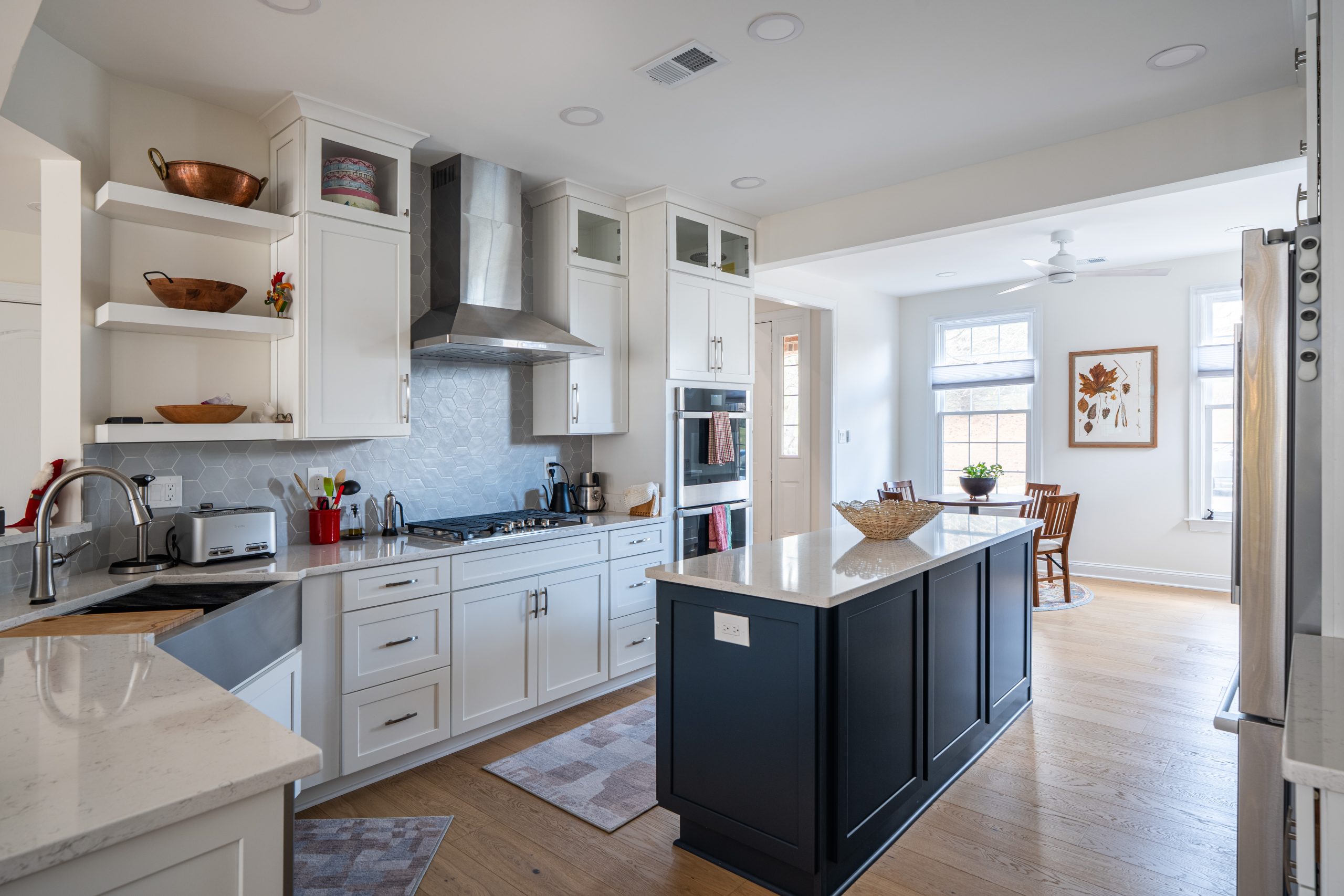
I've got a whole house to remodel. From top to bottom, I want to give it a fresh look and feel. Whole home remodeling is a big project, but I'm ready to dive in and make it happen.
What's Involved in a Whole Home Remodel?
Whole home remodeling is a comprehensive process, transforming your entire living space. It's more than just a room refresh; it's about updating and modernizing your entire home. This could mean new kitchens and bathrooms, updated flooring, fresh paint, and even structural changes to create an open-plan layout. It's a chance to personalize your space and make it truly yours.
When you embark on a whole home remodel, you're likely to encounter various professionals. From general contractors who oversee the project to specialized tradespeople like plumbers, electricians, and carpenters, there's a whole team involved. They'll work together to bring your vision to life, ensuring everything is up to code and meets your expectations.
Finding the Right Contractor
Hiring the right contractor is crucial for a successful whole home remodeling project. You want someone reliable, experienced, and with a good reputation. Check their references and previous work. Ask about their process, timeline, and how they handle unexpected issues. A good contractor will provide a detailed quote, outlining the scope of work and any potential additional costs.
Get multiple quotes to compare. While price is important, it's not the only factor. Consider their expertise, communication style, and how well they understand your vision. Remember, a whole home remodel is a significant investment, so take your time to find the right fit.
Construction Company Names
Choosing a name for your construction business is an important step. It should be memorable, reflect your services, and stand out. Some unique and catchy names could be:
- BuildPro
- HomeCrafters
- Constructive Creations
- Renova
- BuildSmart
- HouseWorks
Before settling on a name, check its availability for registration and domain purchase. You want to ensure your business name is unique and can be easily found online.
Jobs in the Industry
The construction and remodeling industry offers a range of roles. From project managers who oversee the entire process to estimators who calculate costs, there are various specialized positions. Tradespeople like carpenters, plumbers, and electricians are also in high demand.
If you're looking for a career in this field, consider your skills and interests. Many professionals start as apprentices, learning on the job, while others pursue formal education or training programs. The industry offers great opportunities for growth and specialization.
Industry Tools and Data
Tools like RSMeans provide valuable data for construction professionals. They offer cost databases and escalation tools, helping contractors and estimators accurately price projects. These resources are essential for creating detailed quotes and managing costs throughout a project.
While the data is useful, it's important to remember that costs can vary. Factors like location, materials, and labor rates can impact the final price. Always get multiple quotes and compare them to ensure you're getting a fair deal.
Large vs. Small Companies
The construction industry has a mix of large and small companies. Larger firms often have more resources and can take on bigger projects. They may have specialized departments and a broader range of services. However, smaller companies can offer personalized attention and a more tailored approach.
When choosing, consider the size and scope of your project. Larger companies might be better equipped for extensive renovations, while smaller firms can provide a more intimate and focused service.
Final Thoughts
Whole home remodeling is an exciting journey, transforming your space into a home that reflects your style and needs. It's a significant undertaking, but with the right team and a well-planned approach, you can achieve amazing results. Remember, it's all about finding the right fit for your vision and budget. So, take your time, do your research, and enjoy the process!
Related: RSMeans Construction Data Essential Guide
RS Means construction data is something I recently stumbled across while planning a home renovation project. It's a term that might not be familiar to everyone, but it's an essential tool for anyone in the construction industry or considering a building project. So, let's break it down and see why it's worth knowing about.
Unraveling the Mystery: What's RS Means All About?
RS Means construction data is a comprehensive resource for anyone involved in construction, from contractors to builders and even homeowners. It's like a secret weapon for those in the know, providing valuable insights and accurate information. This data covers a wide range of topics, including material and labor costs, project timelines, and industry trends. It's a go-to source for anyone wanting to stay informed and make smart decisions.
One of the key benefits of RS Means construction data is its ability to provide accurate cost estimates. Whether you're planning a small renovation or a large-scale construction project, having access to reliable cost data is crucial. It helps you budget effectively and compare quotes from different contractors. You'll know if a price seems fair or if there might be hidden costs.
Hiring the Right Team: A Contractor's Guide
When it comes to hiring contractors, RS Means construction data can be a game-changer. It empowers you to ask the right questions and make informed decisions. Before hiring, check their experience and ask for references. A good contractor should be able to provide a detailed quote, breaking down costs and explaining their process.
Naming Your Construction Business: A Creative Venture
If you're starting a construction business, choosing a name is an exciting step. A unique and memorable name can set you apart. Consider something that reflects your services or location. For example, "Build-It-Right Construction" or "Skyline Builders". It's important to check name availability and secure your domain and local business registration.
Exploring Construction Careers: More Than Meets the Eye
The construction industry offers a variety of roles beyond contractors. From estimators to project managers, there are diverse career paths. Estimators, for instance, use tools like RS Means to provide accurate cost estimates. They research and analyze data, ensuring projects stay on budget. These roles are in demand and offer great opportunities for growth.
A Bird's Eye View: The Industry's Big Picture
On a larger scale, RS Means construction data provides valuable insights into the industry as a whole. It helps track trends, understand market shifts, and forecast future costs. This data is essential for big construction firms planning large-scale projects. It allows them to make strategic decisions and stay competitive.
Keeping Up with the Times: Cost Indexes and Escalation
RS Means also offers cost indexes, which track and predict cost changes over time. These indexes are crucial for long-term projects, helping to account for inflation and other economic factors. The concept of escalation is key here, ensuring that budgets and estimates remain relevant as projects progress.
A Word of Advice: Check Local Rules
When it comes to construction, local rules and regulations can vary. It's always a good idea to check with your local building department for specific requirements. They can provide guidance on permits, zoning, and any unique considerations for your area.
In conclusion, RS Means construction data is a powerful tool for anyone involved in construction. It provides valuable insights, helps make informed decisions, and ensures projects stay on track. Whether you're a homeowner, contractor, or industry professional, it's worth exploring the benefits of this comprehensive resource.