



Proportion In Art Definition Overview
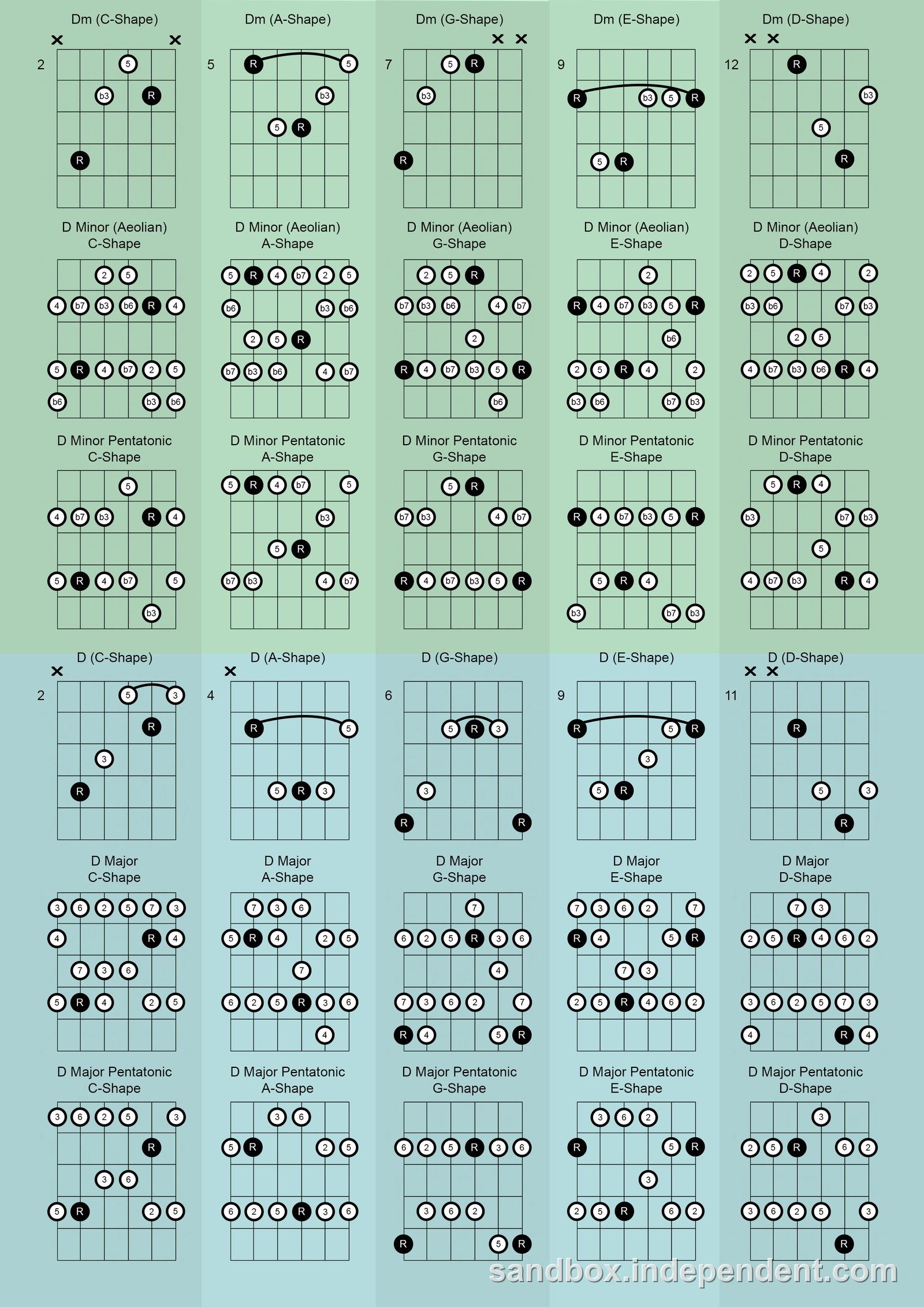
You're probably here because you need a quick reference, a reliable guide to navigate the world of banjo chords. And what better tool than a banjo chord chart? It's a simple yet powerful resource, offering a visual representation of chords and their finger placements. This chart is your go-to companion, especially when you're learning new tunes or exploring different styles. It may vary slightly depending on the source, but the core information remains consistent, making it a handy and accessible tool for any banjo enthusiast.
Understanding the Banjo Chord Chart
The banjo chord chart is your go-to guide for mastering banjo chords. It's a visual representation, often a diagram or table, that simplifies the complex world of banjo music. This chart displays various chords, their finger placements, and sometimes even the corresponding notes and frets. It's an essential tool for banjo players, especially beginners, as it provides a quick reference for mastering chord progressions.
Comparing Chord Chart Formats
There are a few standard formats for banjo chord charts. Some charts use a grid-like structure, showing the banjo's fretboard with dots or numbers indicating finger positions. Others might use a more simplified approach, focusing on the chord shapes and their names. The choice of format often depends on the level of detail required and personal preference. For instance, a beginner might prefer a chart with clear, simple chord shapes, while an advanced player might opt for a more detailed fretboard diagram.
Using the Chart: A Step-by-Step Guide
To use the banjo chord chart effectively, follow these steps:
- Identify the chord you want to play. This is usually indicated by a letter or a chord name.
- Locate the corresponding chord diagram or fretboard chart.
- Place your fingers according to the diagram. Ensure your fingers are correctly positioned on the indicated frets.
- Strum or pluck the strings, and you've played the chord!
Common Misreadings and How to Avoid Them
While banjo chord charts are incredibly useful, there are a few common pitfalls to watch out for:
- Alternative Tunings: If you've altered your banjo's standard tuning, the chord chart might not align perfectly. Always ensure you're using the correct chart for your tuning.
- Open Chords: Some charts might not differentiate between open and barre chords. Open chords often have simpler finger placements, so ensure you understand the difference.
- Fret Placement: Misreading fret numbers is common. Double-check the fret positions, especially for chords with multiple notes.
- String Banjo: Ensure you're using a chart designed for a string banjo, as other types might have different string arrangements.
Remember, practice makes perfect! The banjo chord chart is a tool to guide your learning, but consistent practice is key to mastering these chords.
Hey there, banjo enthusiasts! We've covered a lot of ground with this chart, giving you a handy tool to navigate the world of banjo chords. Remember, the specifics might shift a bit based on your unique context, so always double-check.
Feel free to explore other guides and resources to enhance your banjo-playing skills. And don't forget to bookmark this page for future reference; it'll be a quick and easy way to refresh your memory whenever you need a chord reminder!
Related: Understanding the Bandon Tide Chart
Many folks assume the Bandon tide chart is complex, but it's actually a simple, handy tool. This chart is your friend, offering a clear, quick glimpse of tide times and levels. No need for confusion; it's a straightforward reference, like a map for the sea.
While the specifics may vary, the Bandon tide chart is consistent and reliable. Whether you're planning a beach day or a boating trip, understanding these tide levels and times is key.
Understanding Tide Heights: A Quick Overview
The Bandon tide chart is a handy tool for anyone planning activities around the coast. It displays predicted tide levels and times for a specific location, in this case, Bandon. By understanding this chart, you can plan your beach walks, fishing trips, or boat rides with confidence.
Common Tide Patterns and Their Formats
Tide charts typically show two main categories: tide height and time. Height is often measured in feet or meters, depending on the standard used. Time is displayed in a 24-hour format, with each tide marked as either high or low. You might also see additional information, like the moon phase or weather conditions, which can influence tides.
Reading the Chart: A Step-by-Step Guide
- Start by identifying the date and time of your planned activity. Locate this on the chart.
- Note the corresponding tide height. Is it high or low tide at that time?
- Consider the activity. For example, if you're going kayaking, you might prefer a high tide to ensure deeper water and easier navigation.
- Check the tide height and time for the duration of your planned activity. This ensures you can account for any changes during your time on the water.
Avoiding Misreadings and Pitfalls
It's easy to misinterpret a tide chart, especially if you're new to it. Always double-check the units of measurement. Some charts use feet, while others use meters. Ensure you understand which standard is being used.
Another common mistake is assuming the tide will be exactly as predicted. While tide charts are accurate, natural phenomena can cause slight variations. Always leave a buffer, especially for activities like beachcombing, where a higher-than-expected tide could ruin your plans.
Factors Affecting Accuracy and Real-World Use
Several factors can influence the accuracy of a Bandon tide chart. These include:
- Weather conditions, especially strong winds or storms, can cause significant tidal variations.
- Moon phase and its proximity to Earth can impact tide levels.
- The shape and depth of the coastline and bay can also affect tides.
- Human activities, like damming rivers or extracting groundwater, can influence water levels.
Choosing the Right Format for Your Needs
Bandon tide charts come in various formats, from simple printed tables to digital apps. The best format for you depends on your personal preference and the nature of your activities.
If you prefer a physical chart, consider a waterproof version you can take with you on the water. Digital apps are convenient for quick checks and often provide additional features like weather forecasts. For more complex activities, a detailed chart with historical data might be beneficial.
Remember, while the Bandon tide chart is a valuable tool, it's just one piece of the puzzle. Always stay aware of your surroundings and be prepared for unexpected changes.
Hey there, I hope this guide has given you a clear understanding of the Bandon tide chart and its practical uses. Remember, while the basics remain the same, the exact details might differ slightly depending on your specific needs and the source you're using.
Feel free to explore our other guides for more insights and practical tips. We've got a whole range of topics covered, so you can find the information you need quickly and easily. Happy reading and exploring!
Related: Uncover the Secrets of a Chord Chart Piano
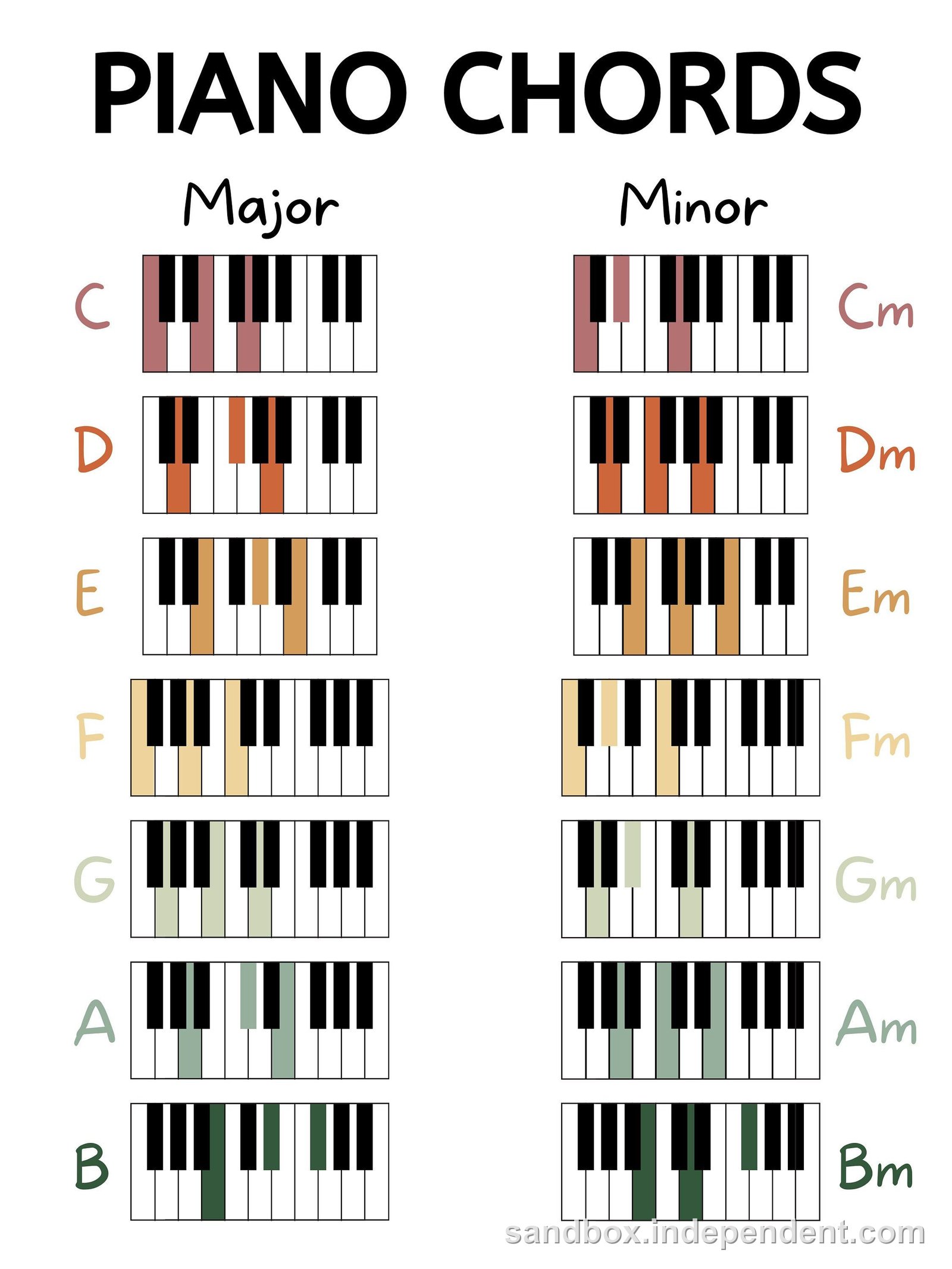
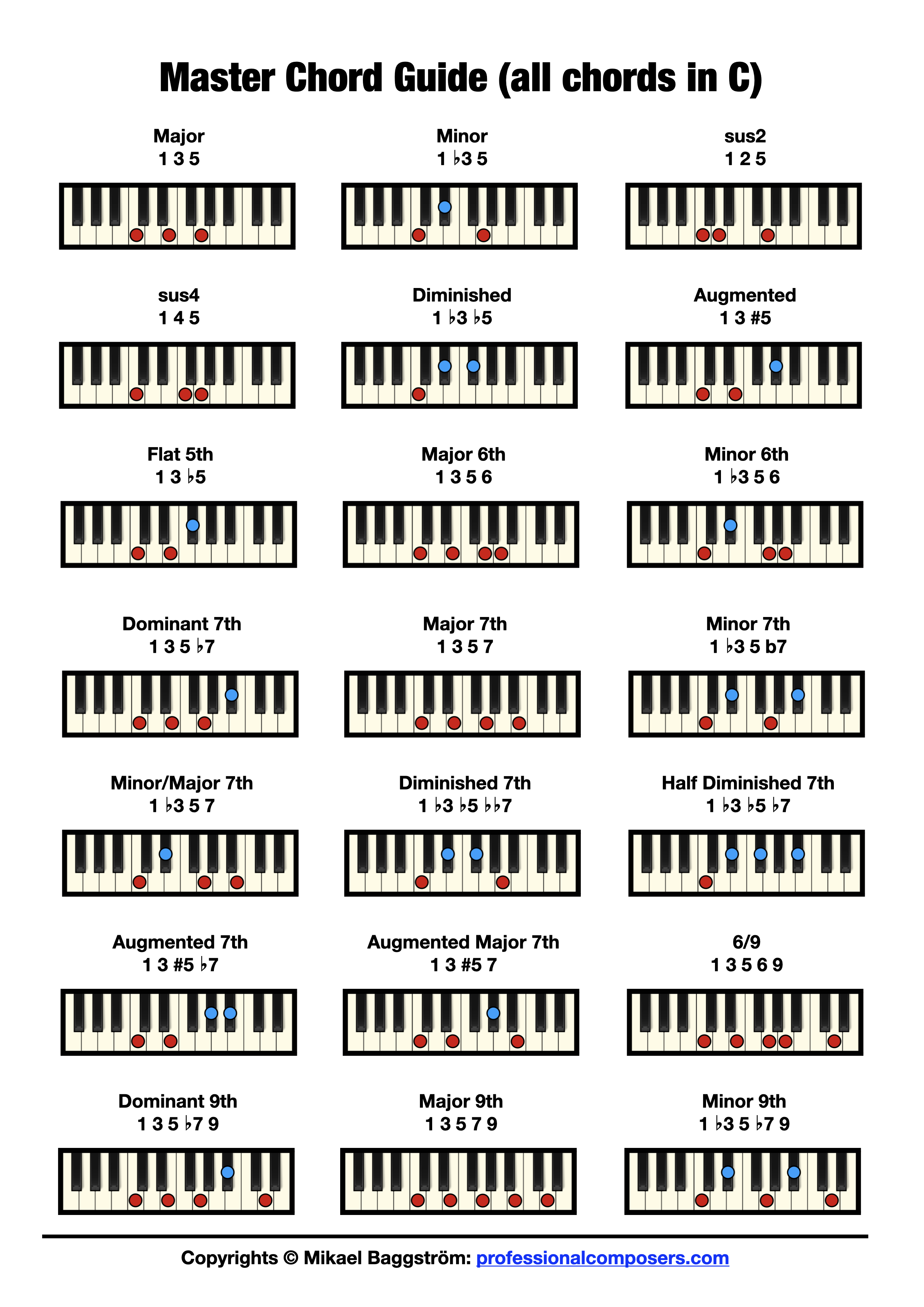
A common misconception about chord chart piano is that it's a complex and daunting tool, but in reality, it's a simple and incredibly useful resource for any pianist. This chart, often a pianist's best friend, is a straightforward guide, offering a visual representation of chords and their formations. While the format may vary, the essence remains the same: a quick reference for pianists to navigate and understand chord progressions and music notation with ease.
Understanding Chord Chart Piano: A Quick Overview
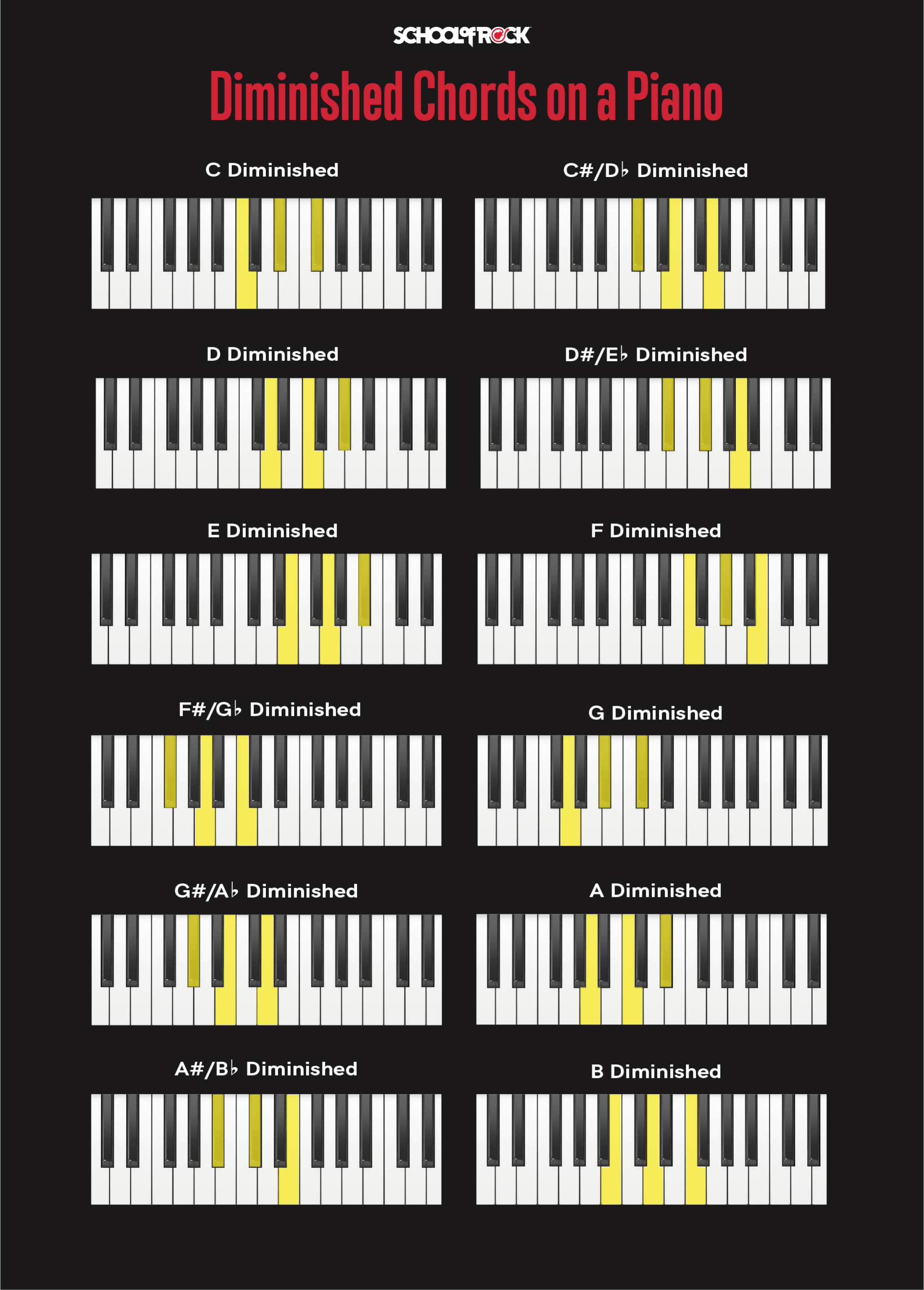
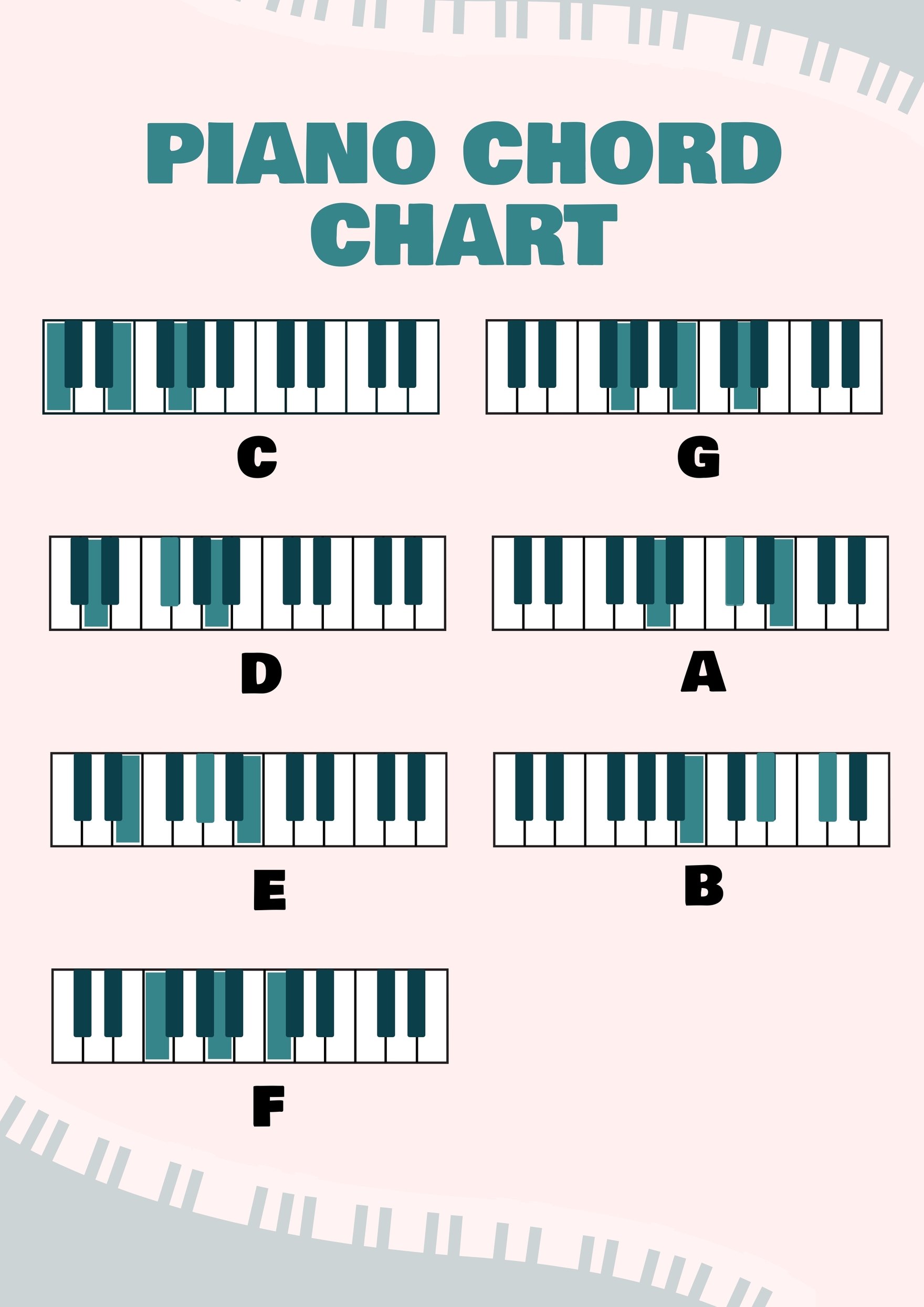
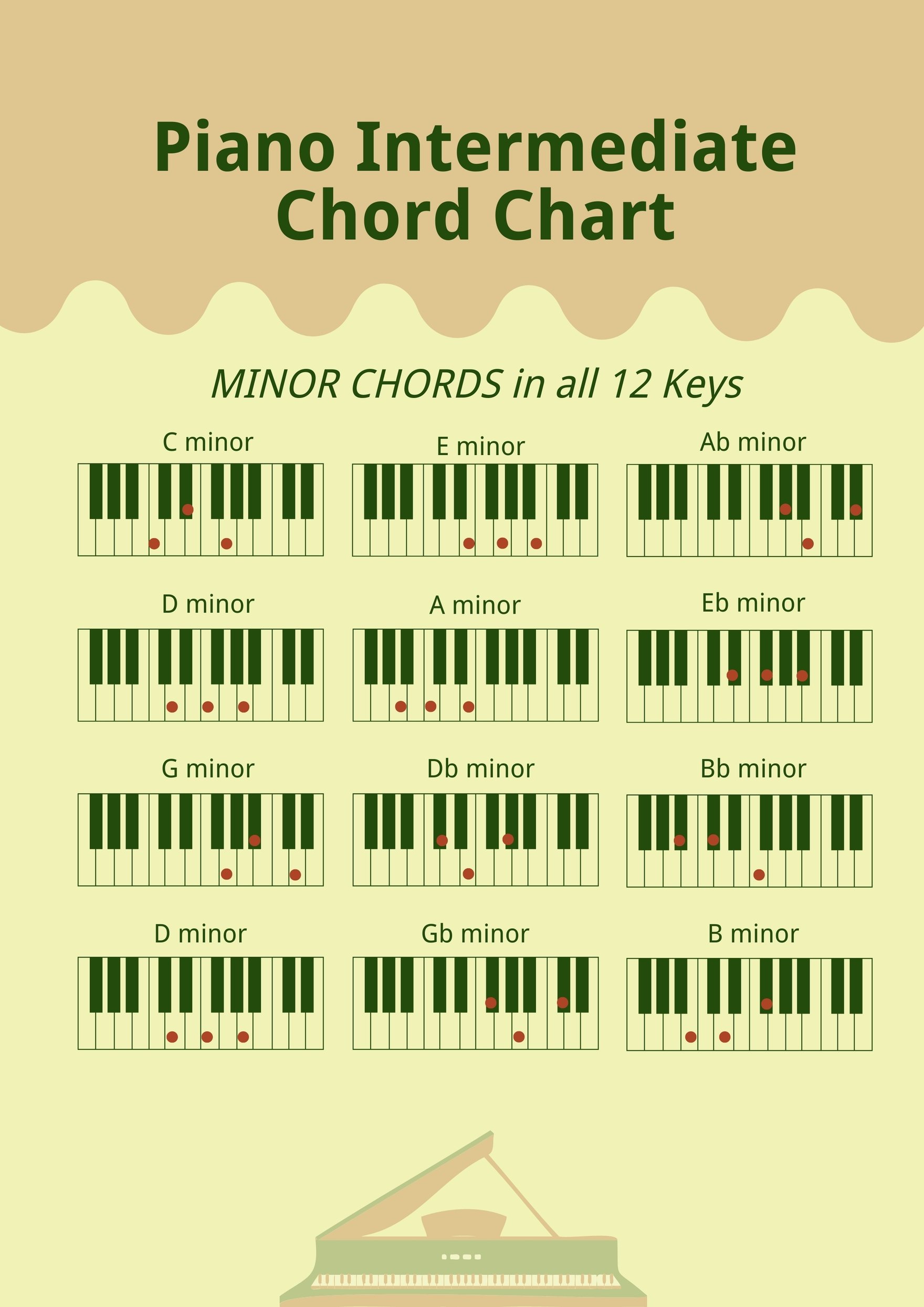
A chord chart piano is a valuable tool for musicians, offering a visual representation of chord structures and their corresponding finger positions on the piano. This chart acts as a quick reference guide, aiding pianists in playing various chords efficiently. It displays the piano keys and indicates where your fingers should be placed to form specific chords.
Comparing Common Chord Chart Formats
There are several formats for chord chart piano, each with its own advantages. The most common formats include:
Standard Notation: This traditional method uses symbols and notes to represent chords. It provides a comprehensive view of chord structure but can be complex for beginners.
Piano Chord Diagram: A simpler approach, often used for beginners, shows the piano keys and finger positions for each chord. It's an easy-to-read visual guide.
Chord Symbol Notation: A concise format using letters, numbers, and symbols to represent chords. While quick to read, it may require some familiarity to interpret accurately.
Step-by-Step Guide: Reading and Using a Chord Chart Piano
Follow these steps to effectively read and utilize a chord chart piano:
Identify the Chord: Start by locating the chord you want to play. Chord charts often list chords alphabetically or by their function in a song.
Find the Diagram: Look for the corresponding diagram or symbol representing the chord. This will show the finger positions and keys involved.
Place Your Fingers: Position your fingers according to the diagram. Ensure your fingers are correctly placed on the indicated keys.
Strum or Play: Once your fingers are in position, strum or play the chord. Adjust your fingers slightly if needed to achieve a clear, harmonious sound.
Practice and Memorize: Repeat this process for different chords. With practice, you'll memorize common chord shapes and positions, making playing smoother and faster.
Avoiding Common Misreadings and Pitfalls
To ensure accurate interpretation, watch out for these common misreadings:
Chord Chart Piano Variations: Different charts may use slightly different symbols or notations. Always refer to the legend or key provided with the chart to understand the specific symbols used.
Major and Minor Chords: Distinguish between major and minor chords, as their finger positions can be similar but result in different sounds. Pay attention to the chord symbol or diagram to ensure you're playing the correct type.
Finger Positioning: Ensure your fingers are correctly placed on the keys. Misplaced fingers can result in an incorrect chord or a dissonant sound.
Factors Affecting Accuracy and Real-World Use
Several factors can influence the accuracy and practicality of using a chord chart piano:
Instrument Type: While these charts are designed for pianos, they can also be adapted for other keyboard instruments. However, the finger positions may vary slightly due to differences in key sizes and layouts.
Chord Progressions: In real-world playing, you'll often encounter chord progressions, where chords change rapidly. Practicing and memorizing common progressions will help you transition smoothly between chords.
Advanced Chord Techniques: As you advance, you may encounter more complex chords and techniques. Some charts may not cover these, so you might need to refer to more specialized resources.
Choosing the Right Chord Chart Format for Your Needs
Select the most suitable chord chart piano format based on your skill level and goals:
Beginners: Opt for a piano chord diagram or a chart with simple, easy-to-understand symbols. These provide a clear visual guide without overwhelming complexity.
Intermediate Players: Consider a chart that offers a balance between simplicity and detail. Look for charts that include both chord symbols and diagrams, providing a quick reference for common chords.
Advanced Musicians: Choose a comprehensive chart with a wide range of chords and variations. These charts often include advanced techniques and less common chord structures.
Keeping Your Reference Reliable for Future Use
To ensure your chord chart piano remains a reliable reference:
Regular Practice: Consistent practice is key. The more you use the chart, the more familiar you'll become with chord shapes and positions, reducing the need for constant reference.
Update and Expand: As your skills progress, consider updating your chart or adding new sections for advanced chords and techniques. This keeps your reference relevant and useful.
Digital vs. Physical: Digital charts offer convenience, but physical charts can be more durable and easier to reference quickly during live performances. Consider having both for different scenarios.
Chord charts are a fantastic tool, and it's great to have a solid understanding of how to use them effectively. Remember, the exact details may differ slightly based on your specific needs and the resources you're working with, so adapt and customize as you see fit.
There's a wealth of knowledge to explore in the world of music, and we've got plenty of guides to help you along the way. Feel free to browse our other resources; you might find some hidden gems to enhance your musical journey!