



Quotation Follow Up Template Overview
A common misconception about pnc seating charts is that they are merely static diagrams, when in fact, these charts are powerful tools that offer a unique perspective and can greatly enhance your event experience. While it may seem straightforward, understanding the nuances of a seating chart is essential to making the most of your time at venues like the PNC Arena or PNC Music Pavilion. These charts provide a bird's-eye view, offering insights into the layout, views, and capacities, ensuring you find your perfect spot.
Understanding the PNC Seating Chart
The PNC seating chart is a visual representation of the seating layout for various venues, including the PNC Arena, PNC Park, and PNC Music Pavilion. It provides a clear and organized view of the seating options, helping attendees choose the best seats for their preferences and needs.
Key Details and Categories
The chart typically displays a bird's-eye view of the venue, with each section labeled and color-coded. Seat numbers are assigned sequentially, and the chart may also indicate the row and seat position within each section. It is essential to note that the specific layout and numbering system can vary depending on the venue and event.
How to Read and Apply the Seating Chart
To navigate the PNC seating chart, follow these steps:
- Identify the venue you are interested in. Different venues may have unique seating arrangements, so ensure you are referring to the correct chart.
- Locate the section you wish to explore. Sections are usually labeled with letters or numbers and may have a corresponding color code.
- Within each section, rows are typically labeled alphabetically or numerically. Find the row you prefer, considering factors like proximity to the stage or field.
- Each row has assigned seat numbers. Choose the seat number that suits your preference, keeping in mind that lower numbers are closer to the aisle.
- Consider any additional information provided, such as obstructed view seats or premium seating areas. These details can help you make an informed decision.
Variations and Differences
It is important to understand that PNC seating charts may vary across different venues and events. Here are some key factors that can cause variations:
- Venue size and shape: Larger venues may have more complex seating arrangements, while smaller venues might offer a more intimate experience.
- Event type: Concerts, sports events, and theatrical performances often have unique seating configurations to accommodate different stages or fields of play.
- Seating capacity: The overall seating capacity of a venue can influence the layout and availability of seats.
- Regional standards: Different regions may have their own seating chart conventions, so it is essential to be aware of any regional variations.
Common Mistakes and How to Avoid Them
When using a PNC seating chart, avoid these common pitfalls:
- Assuming all venues are identical: Each venue has its own unique layout, so always double-check the specific chart for the event you are attending.
- Ignoring seat numbers: Seat numbers are crucial for finding your assigned seat. Pay attention to the row and seat number to avoid confusion.
- Overlooking obstructed view seats: Some seats may have limited or obstructed views due to pillars, sound equipment, or other obstacles. Check the chart for any indications of these seats to avoid disappointment.
Practical Tips for Accurate Results
To ensure a smooth experience, consider these best practices:
- Research the venue: Familiarize yourself with the venue's layout and any unique features, such as balconies or standing-room-only sections.
- Check for recent updates: Seating charts may be updated periodically, especially for major renovations or changes. Ensure you are using the most recent version.
- Consider your preferences: Think about your personal preferences, such as proximity to the stage, sound quality, or comfort. Choose seats that align with your priorities.
- Seek recommendations: If you are unsure, seek advice from friends or online communities who have attended similar events at the venue. Their experiences can provide valuable insights.
Double-Checking and Handling Exceptions
While the PNC seating chart is a valuable tool, it is essential to be aware of potential exceptions and edge cases:
- Venue-specific variations: Some venues may have unique seating configurations or seating categories not typically found in other venues. Always refer to the specific chart for accurate information.
- Seat availability: Seat availability can change rapidly, especially for popular events. Check the availability of your preferred seats regularly to avoid missing out.
- Accessibility needs: If you have specific accessibility requirements, contact the venue or event organizers to ensure they can accommodate your needs. They may have designated accessible seating areas or provide alternative arrangements.
Hey there, reader! I hope this PNC seating chart guide has been a helpful resource for you. Remember, while the basics remain consistent, exact details can indeed vary slightly based on the specific context and the source you're referring to. So, keep an eye out for those nuances!
Feel free to explore our other guides and resources on the site. We've got a range of practical, no-nonsense content to help you navigate various topics. Happy reading, and here's to finding the perfect seat for your next event!
Related: Learn Guitar Scale Charts: A Quick Guide
A guitar scale chart can be a guitarist's best friend, but it's often misunderstood as a complex and daunting tool. Rest assured, it's a simple and powerful reference, offering a clear visual guide to navigating the fretboard. This chart, with its various representations, is an essential companion for any guitarist, providing an organized layout of scale patterns, fretboard diagrams, and scale degree names.
Understanding the Guitar Scale Chart
A guitar scale chart is an essential tool for any guitarist, providing a visual representation of the fretboard and the various scales you can play. It serves as a quick reference guide, offering a bird's-eye view of the guitar neck and its scales. This chart is your roadmap, helping you navigate the guitar's vast landscape of sounds and tones.
Comparing Scale Chart Formats
There are several formats for guitar scale charts, each with its own advantages and use cases. The most common format is the standard fretboard diagram, which displays the guitar neck horizontally, with frets running vertically and strings represented as parallel lines. This format is intuitive and easy to follow, especially for beginners. Another popular format is the scale degree chart, which focuses on the theoretical aspect, showing the scale degrees and their corresponding notes. This chart is ideal for those delving deeper into music theory.
Step-by-Step Guide: Using the Scale Chart
To make the most of your guitar scale chart, follow these steps:
Identify the scale you want to play. The chart will typically feature common scales like major, minor, and pentatonic scales, each with its own section.
Locate the starting point on the fretboard. The chart will indicate the root note of the scale, often highlighted or marked with a symbol.
Follow the pattern: Each scale has a unique pattern of whole and half steps. The chart will show these intervals, guiding you to the correct notes.
Practice: Use the chart as a reference while playing. With time, you'll memorize the patterns, making it easier to play scales without constant reference.
Common Misreadings and How to Avoid Them
It's easy to misinterpret a guitar scale chart, especially for beginners. Here are some common pitfalls:
Confusing scale degrees with fret numbers. Remember, scale degrees (e.g., 1, 2, 3) represent the position of a note within the scale, not the fret number.
Assuming all scales follow the same pattern. While many scales share similar characteristics, each has its unique intervals and patterns. Always refer to the specific scale you're playing.
Neglecting open strings. Some scales utilize open strings, so ensure you include these when playing.
Factors Affecting Accuracy and Real-World Use
The accuracy of your guitar scale chart depends on several factors:
Guitar type: Different guitar types (e.g., electric, acoustic, classical) may have slight variations in scale length, affecting the positioning of notes. Always check the specific scale length for your guitar.
Tuning: Ensure your guitar is tuned correctly. Even a slight detuning can throw off the scale positions.
String gauge: Thicker strings may require slight adjustments to finger placement, especially for bends and vibratos.
Choosing the Right Format for Your Needs
When selecting a guitar scale chart, consider your skill level and specific needs:
Beginners may benefit from a simple fretboard diagram with clear, color-coded scales.
Intermediate players might prefer a scale degree chart to explore music theory in more depth.
Advanced guitarists may opt for comprehensive charts covering multiple scales and modes, offering a wide range of options for improvisation and composition.
While this guide aims to provide a comprehensive overview, it's important to remember that the specifics can indeed vary. Different sources may offer slight variations in scale patterns or fingerings, so it's always a good idea to cross-reference and find the one that resonates with your playing style.
Feel free to explore other guides and resources to expand your knowledge. And when you need a quick reminder, don't forget to bookmark this page for future reference! It's a handy tool to have at your fingertips.
Related: Unraveling the Goku Family Chart
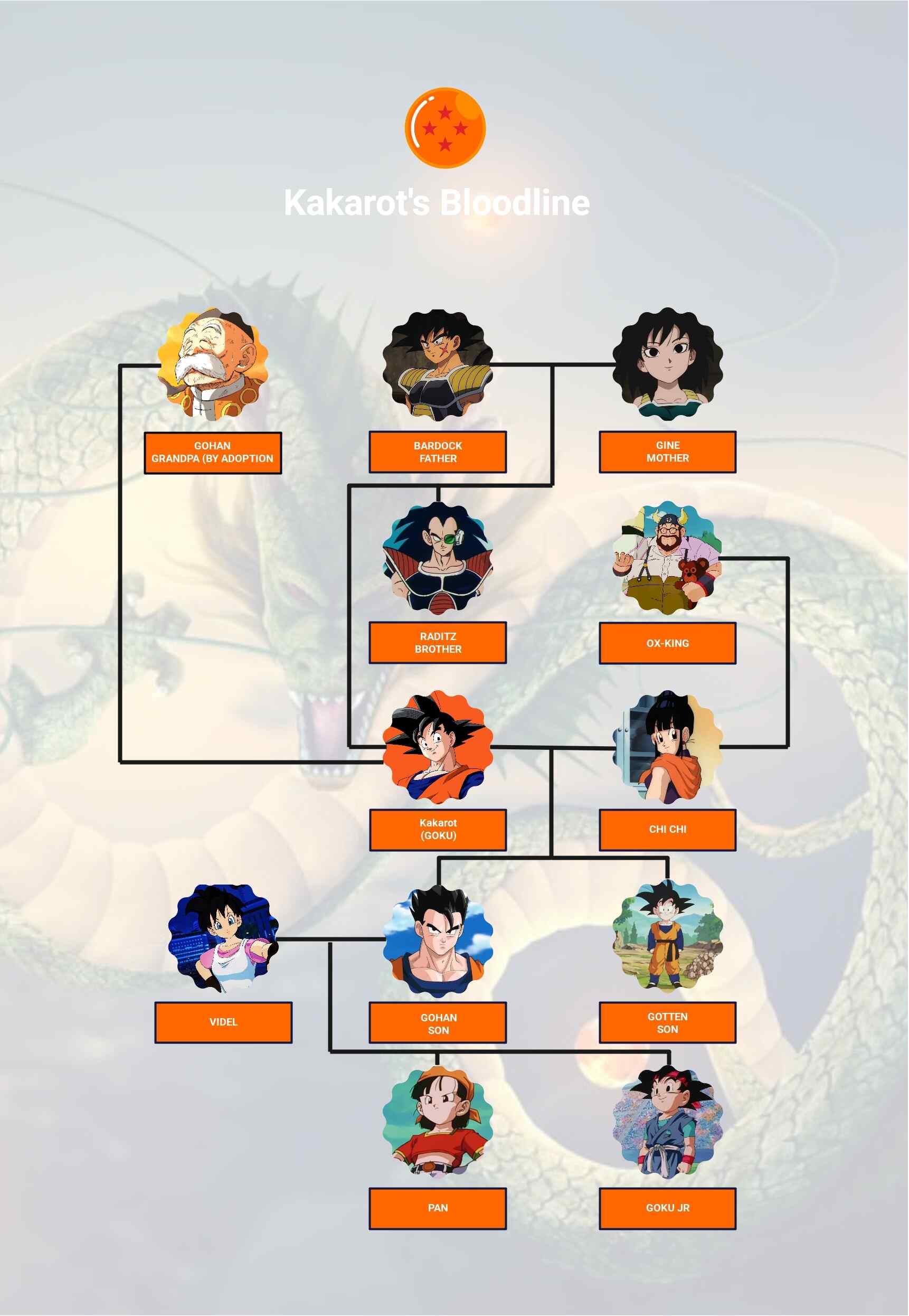
As you embark on your quest for a clear and concise Goku family chart, a visual guide to the intricate relationships within the Dragon Ball universe, you'll find a wealth of information at your fingertips. This chart, a comprehensive tool for fans and enthusiasts, offers a structured glimpse into the complex web of connections, providing a quick and reliable reference for those seeking to navigate the Saiyan genealogy. While the format may vary, with different versions offering unique insights, the core purpose remains: to unravel the warrior family history and present it in an accessible manner.
Understanding the Goku Family Chart
The Goku family chart is a visual representation of the intricate relationships and lineage within the iconic Dragon Ball franchise. It serves as a comprehensive guide, offering a clear overview of the extensive family tree of the Goku lineage. This chart is an essential tool for fans and enthusiasts, providing a structured way to navigate and understand the complex web of connections between characters.
Key Family Members and Notable Relations
When examining the Goku family chart, you'll encounter various categories and branches. The chart typically begins with the original saiyan warrior, Goku's grandfather, and then branches out to include his immediate family, such as his wife, Chi-Chi, and their children, Gohan and Goten. As you explore further, you'll discover extended family members, including Goku's father, Bardock, and his brother, Raditz. Each category represents a generation, with unique abilities and power levels that define the characters.
Power Levels Explained: A Step-by-Step Guide
Understanding the power dynamics within the Goku family chart is crucial. Here's a simple guide:
- Start by identifying the generation or category of the character you're interested in. This will give you a baseline understanding of their power level.
- Within each generation, characters may possess unique abilities or transformations that enhance their power. Take note of these, as they can significantly impact their overall strength.
- Compare characters across generations to grasp the evolutionary growth of power within the Goku lineage. This will help you appreciate the progression of strength and abilities over time.
- Remember, power levels can vary depending on the specific standards or formats used in the Dragon Ball universe. Always refer to the relevant sources or episodes for accurate representations.
Common Misreadings and How to Avoid Them
One common pitfall when interpreting the Goku family chart is assuming a direct correlation between power levels and family ties. While family members may share similar abilities, their individual power levels can vary significantly. It's essential to consider each character's unique journey and training to understand their true strength. Additionally, be cautious of generalizations; each character's power level may fluctuate based on various factors, including training, transformations, and even plot-specific enhancements.
Factors Affecting Accuracy and Real-World Application
The accuracy of the Goku family chart relies on several key factors. Firstly, it's important to note that the Dragon Ball franchise has evolved over time, with new characters, transformations, and power-ups introduced in different series and movies. Therefore, the chart must be regularly updated to reflect these changes accurately. Secondly, the chart's effectiveness depends on the reader's familiarity with the Dragon Ball universe. A basic understanding of the characters, their abilities, and the overall narrative is essential for a comprehensive interpretation. Finally, while the chart provides a structured overview, it's always beneficial to cross-reference with other sources, such as official guides or fan-curated databases, to ensure the most accurate and up-to-date information.
Remember, when working with the Goku family chart, it's essential to consider your unique situation and any specific requirements you may have. While this guide provides a solid foundation, variations can occur, so double-check the details that matter most to you.
Feel free to explore our other resources and guides; we've got plenty of practical information to help you navigate various topics. Take a look around and find the tools you need to stay organized and informed!