

Radar Chart Maker Template Overview
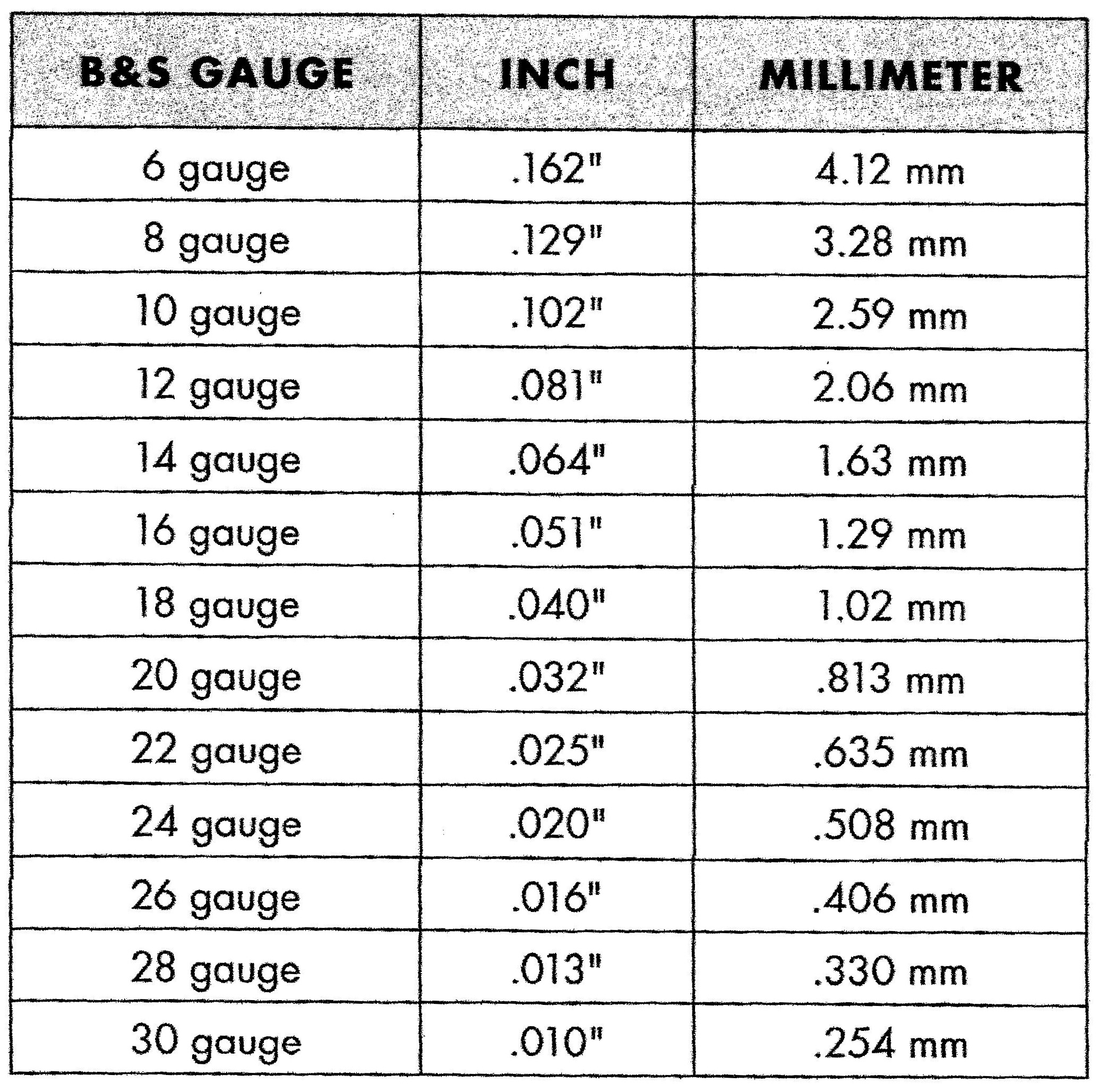
A common mistake people make when using a gauge size chart is assuming all charts are the same. But, it's important to remember that these charts can vary depending on the context and the specific system being used.
So, whether you're dealing with needle gauge charts or pipe gauge charts, understanding the variations and reading the right chart accurately is key. While the values and formats may differ, the gauge size chart remains a reliable tool, offering a quick and easy reference for your projects.
Understanding the Gauge Size Chart
The gauge size chart is your practical guide to understanding the different sizes and measurements used for various objects and materials. It's like a roadmap that helps you navigate the world of gauges and ensures you choose the right size for your needs. This chart provides a standardized way to compare and select the appropriate gauge, whether you're dealing with needles, wires, jewelry, or pipes.
Comparing Gauge Standards and Formats
Gauge sizes can vary depending on the standard being used. There are different systems, such as the standard gauge system and metric gauge measurements, which have their own scales and ranges. For example, the needle gauge chart may use a different scale compared to the wire gauge sizes. It's essential to know which standard applies to your specific application to ensure accurate readings.
Reading the Table: A Step-by-Step Guide
When using a gauge size chart, follow these steps:
Identify the Type: Determine what you need the gauge for, such as needles, wires, or pipes. Each type may have a slightly different chart or scale.
Choose the Standard: Select the appropriate standard for your region or industry. Common standards include the US system and international metric measurements.
Locate the Size: Find the size you require on the chart. The chart will typically have a column or row dedicated to the gauge sizes, with corresponding measurements.
Convert if Needed: If your chart uses a different standard than your application, you may need to convert the size. For instance, converting between jewelry gauge sizes and metric gauge measurements might be necessary.
Common Misreadings and How to Avoid Them
Misinterpreting a gauge size chart can lead to mistakes. Here are some tips to avoid common pitfalls:
Always double-check the standard being used. Different industries or regions may have unique specifications.
Pay attention to the units. Gauge charts may use various units, such as inches or millimeters, so ensure you're reading the correct column or row.
Be aware of tolerances. Some gauges have specific tolerances, and the chart might not cover every possible variation. Check the exact specifications if needed.
Avoid assuming. Don't make assumptions about gauge sizes, especially when dealing with specialized applications. Always refer to the chart for accurate information.
Remember, the gauge size chart is a valuable tool, but it's essential to use it correctly to ensure precision and avoid errors.
Hey there! We've covered a lot of ground with this gauge size chart, giving you the lowdown on the different options and how to use them effectively. Remember, the exact details might shift a bit depending on your specific needs and the standards you're working with.
Don't stress, though; we've got you covered with a range of other guides and resources to explore. Why not check out some of our other practical posts and discover more handy tips and tricks? It's a great way to stay informed and ensure you're always using the right tools for the job. Happy reading, and keep those projects on track!
Related: What is a lexile score chart?
A lexile score chart is a handy tool that simplifies the process of understanding reading levels and text complexity. This guide will provide you with a straightforward overview, ensuring you can navigate and utilize these charts effectively.
The chart acts as a visual guide, offering a quick reference for determining the difficulty of books and texts. While the specific values and formats may vary depending on the context and region, the core purpose remains the same: to provide a lexile measure, helping readers find suitable materials and track their reading progress.
Understanding Lexile Scores: A Quick Overview
The lexile score chart is a valuable tool for educators, parents, and readers to understand and match reading abilities with appropriate text complexity. It provides a simple, standardized way to measure and communicate reading levels, making it easier to select books that are neither too easy nor too challenging.
Comparing Lexile Levels and Text Complexity
The chart presents a range of lexile measures, typically from beginner levels like 0L to advanced levels exceeding 1700L. These scores indicate the text's complexity, considering factors like sentence length, word frequency, and syntax. Higher lexile scores mean more challenging texts, suitable for advanced readers.
Selecting Appropriate Texts: A Step-by-Step Guide
- Identify the reader's current lexile level. This can be done through standardized tests or by assessing their reading abilities.
- Use the lexile score chart to find the corresponding lexile range. For instance, a reader with a lexile level of 800L would fall within the range of 750L to 900L.
- Select books or materials within this range. You can use online lexile finders or check the lexile level on the book's cover or inside flap.
- Adjust as needed. If the reader finds the text too easy or too hard, consider books at the higher or lower end of the range.
Common Misconceptions and How to Avoid Them
One pitfall is assuming that higher lexile levels always indicate better reading ability. While it's true that more advanced readers will have higher lexile scores, it's essential to remember that reading ability is not solely determined by lexile level. Other factors, like reading speed, comprehension, and personal interest, also play a role.
Factors Affecting Accuracy and Real-World Use
Several variables can impact the accuracy of lexile scores and their real-world application. These include the reader's age, prior knowledge of the subject, and personal reading goals. For instance, a young reader with a high lexile level might still prefer easier books for recreational reading. Additionally, the lexile framework may not capture the complexity of certain genres or formats, like poetry or graphic novels. It's crucial to consider these factors when using the lexile score chart to ensure a well-rounded and enjoyable reading experience.
Well, there you have it! A handy lexile score chart can be a powerful tool, but it's essential to remember that these scores are just a guide. Each person's reading journey is unique, so ensure you tailor your approach to suit your goals and interests.
Before you go, take a moment to ensure you've considered your specific needs. These charts provide a great starting point, but the exact values may differ slightly depending on the source. Bookmark this page for a quick reminder, and you'll always have a helpful reference at your fingertips!
Related: Diamond Color Chart: A Simple Guide
The diamond color chart is a handy tool for anyone wanting to understand and evaluate the color of diamonds. This guide will give you a quick overview, covering the basics of reading and using this chart effectively.
It's a simple yet powerful reference, providing a visual scale to grade diamonds, from the rare, colorless gems to the vibrant fancy colors. The chart's format may vary, but it offers a consistent way to assess and compare diamonds, ensuring you can make informed choices.
What is the Diamond Color Chart?
The diamond color chart is a handy tool that helps us understand and categorize the color of diamonds. It provides a standardized way to assess and compare diamonds based on their color intensity and tone. This chart is an essential reference for anyone interested in diamonds, from jewelers to collectors and buyers.
Key Details and Categories
The diamond color chart typically follows a scale that ranges from D to Z. D represents the highest color grade, indicating a colorless diamond, while Z indicates a light yellow or brown hue. This scale is widely recognized and used by industry professionals and grading laboratories. Each letter grade represents a specific range of color, with subtle variations between them.
How to Read and Apply the Chart
Using the diamond color chart is straightforward. Here's a step-by-step guide:
- Identify the diamond's color: Examine the diamond under proper lighting conditions. Look for any visible tints or hues, especially in the face-up position.
- Compare with the chart: Refer to the diamond color chart and match the diamond's color to the closest grade. The chart often provides a range of colors for each grade, so find the best fit.
- Consider the lighting: Lighting can affect the perceived color. Ensure consistent lighting conditions when comparing diamonds or referencing the chart.
- Seek expert advice: If you're unsure, consult a gemologist or jewelry professional. They can provide accurate assessments and guidance.
Variations and Differences
It's important to note that the diamond color chart may vary slightly depending on the grading system used. The most common and widely accepted system is the GIA color grading scale, but other laboratories and regions may have slight variations. These differences are usually minimal and won't impact the overall color assessment.
Common Misperceptions and Mistakes
One common mistake is assuming that a higher color grade always indicates a better diamond. While a colorless diamond (D grade) is often considered ideal, many people find the subtle warmth of lower color grades (e.g., J-K range) more appealing. It's a matter of personal preference, and lower color grades can offer excellent value.
Practical Tips for Accurate Results
- Consistency is key: Ensure you use the same lighting conditions and viewing angle when comparing diamonds or referencing the chart.
- Seek professional guidance: If you're new to diamonds, consult an expert. They can educate you and provide valuable insights.
- Understand your preferences: Consider the intended use and your personal taste. Some diamond shapes and settings can enhance or minimize color.
Double-Checking and Handling Exceptions
While the diamond color chart is a valuable tool, it's not foolproof. Some diamonds may have unique characteristics or treatments that affect their color. In such cases, it's essential to consult a professional gemologist for an accurate assessment. They can identify any treatments, natural color variations, or other factors that might impact the diamond's value and appearance.
Hey there, diamond enthusiasts! We hope this guide has given you a clear understanding of the diamond color chart and its practical uses. Remember, while the basics remain consistent, the exact details can vary slightly, so always double-check the specific standards and sources you're working with.
Don't forget to bookmark this page for future reference. We've got more helpful guides on various topics, so feel free to explore and discover more practical knowledge!