
The sport of rock climbing has exploded in popularity over the past few decades, with thousands of enthusiasts flocking to indoor climbing gyms and outdoor crags every year. For those looking to improve their skills and tackle more challenging routes, mastering the right techniques is essential. In this comprehensive guide, we will delve into the world of rock climbing, exploring the key techniques, training methods, and safety considerations that every climber should know.
Understanding the Basics
Before diving into advanced techniques, it’s essential to understand the fundamentals of rock climbing. This includes learning the different types of climbing, such as top-rope, lead climbing, and bouldering, as well as the basic equipment and safety protocols. Climbers should also be familiar with the different types of hand and footholds, including crimps, pockets, and smears.
One of the most critical aspects of rock climbing is understanding how to use your body position to maintain balance and generate power. This involves keeping your center of gravity over your feet, using your legs to support your body weight, and employing your arms to guide and stabilize your movements.
Footwork and Balance
Developing good footwork and balance is crucial for any rock climber. This involves learning how to position your feet on the holds, distribute your weight evenly, and make smooth, controlled movements. Climbers should practice using different footwork techniques, such as edging, smearing, and hooking, and learn how to adjust their balance to accommodate different types of terrain.
| Footwork Technique | Description |
|---|---|
| Edging | Using the edge of the hold to support the foot |
| Smearing | Using the sole of the foot to create friction on the hold |
| Hooking | Using the heel or toe of the foot to hook over the hold |
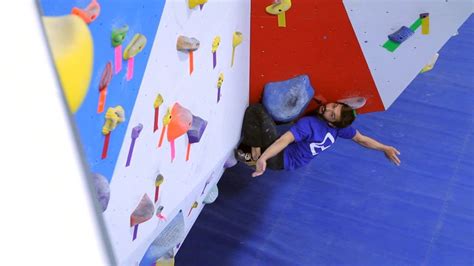
Hand Techniques
In addition to good footwork, rock climbers need to develop strong and efficient hand techniques. This includes learning how to use different types of handholds, such as crimps, pockets, and open-hand grips, and how to generate power and control through the arms and shoulders. Climbers should practice using different hand techniques, such as crimping, pinching, and palming, and learn how to adapt their hand positions to accommodate different types of terrain.
Mastering the Crimp
- Start by identifying a crimp hold and positioning your hand to maximize contact with the hold
- Slowly begin to apply pressure to the hold, focusing on generating power through your fingers and wrists
- As you apply more pressure, shift your weight onto the hold, using your legs to support your body
- Finally, release the hold and repeat the process, focusing on smooth and controlled movements
Safety Considerations
Rock climbing can be a dangerous sport, and climbers need to take necessary safety precautions to minimize the risk of injury. This includes learning how to properly use equipment, such as harnesses, ropes, and carabiners, and how to assess and manage risk on the climb. Climbers should also be aware of potential hazards, such as loose rocks, inclement weather, and other climbers, and know how to respond in case of an emergency.
What are the most common injuries in rock climbing?
+The most common injuries in rock climbing include finger and hand injuries, shoulder and back strains, and head and spinal cord injuries. Climbers can minimize the risk of injury by warming up properly, using proper technique, and taking regular breaks to rest and recover.
How can I improve my overall climbing performance?
+To improve your overall climbing performance, focus on developing a well-rounded training program that includes strength training, flexibility and mobility exercises, and technique practice. Additionally, work on building your endurance and stamina through cardiovascular exercises and longer climbs.
Conclusion
Mastering the techniques of rock climbing takes time, practice, and dedication. By focusing on developing good footwork and balance, strong and efficient hand techniques, and a thorough understanding of safety protocols, climbers can improve their performance and tackle more challenging routes. Whether you’re a beginner or an experienced climber, remember to always stay focused, be mindful of your surroundings, and push yourself to new heights. With persistence and the right training, you can become a skilled and confident rock climber, ready to take on any route that comes your way.