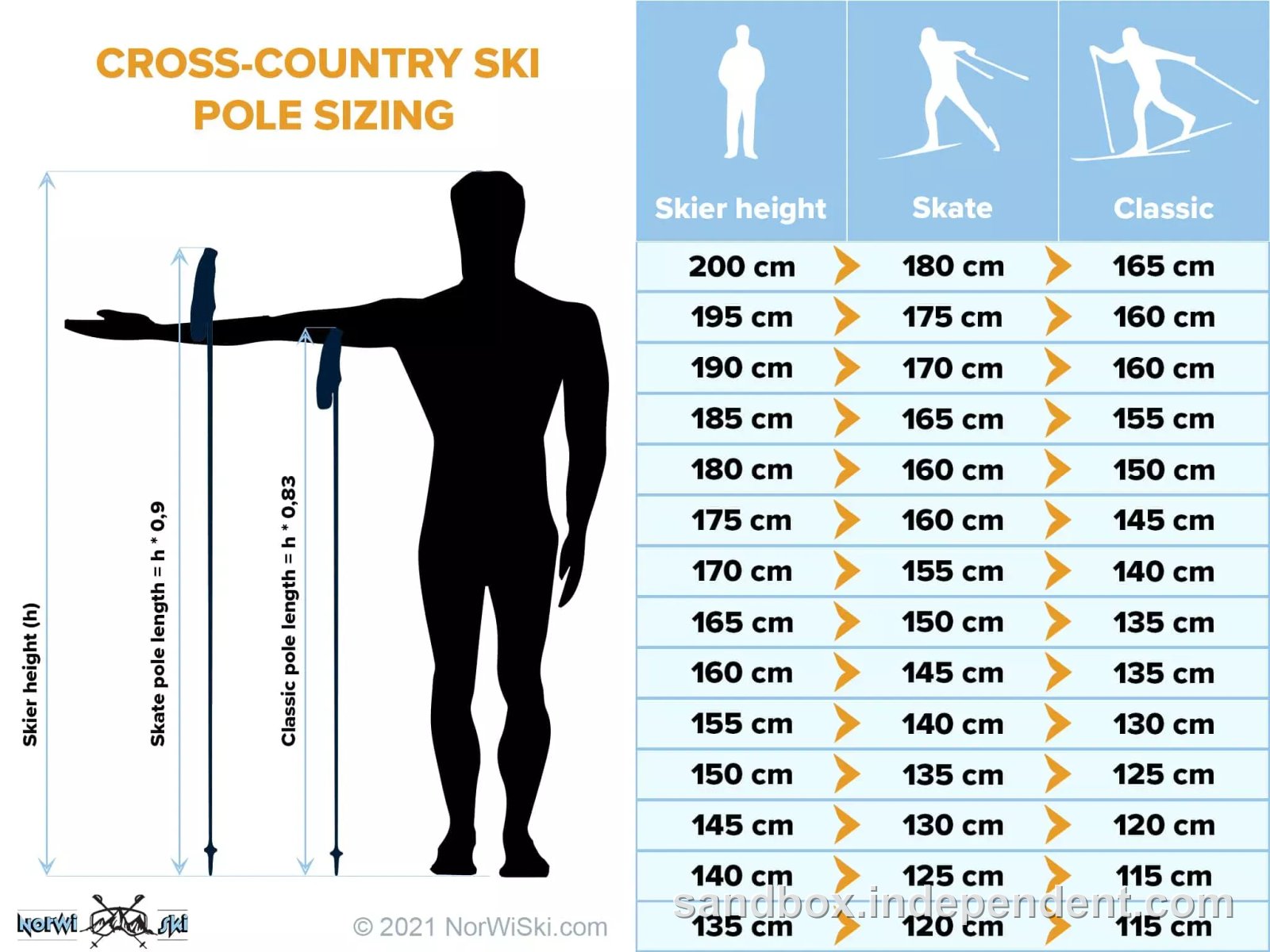




Screw Sizes Chart Free Printable Overview
Many people assume that a ski sizing chart is a one-size-fits-all guide, but it's actually a bit more nuanced than that! While these charts offer a great starting point, they're not always an exact science. It's a common mistake to think that your height alone determines your ski size, when in fact, there are several factors to consider.
The ski sizing chart is a useful tool, but it's important to remember that ski size recommendations can vary slightly depending on your skiing ability, personal preference, and even the type of terrain you typically ski on. So, while it's a great reference, it's always worth seeking a little extra advice to ensure you get the perfect fit.
Ski Sizing Chart: A Practical Guide
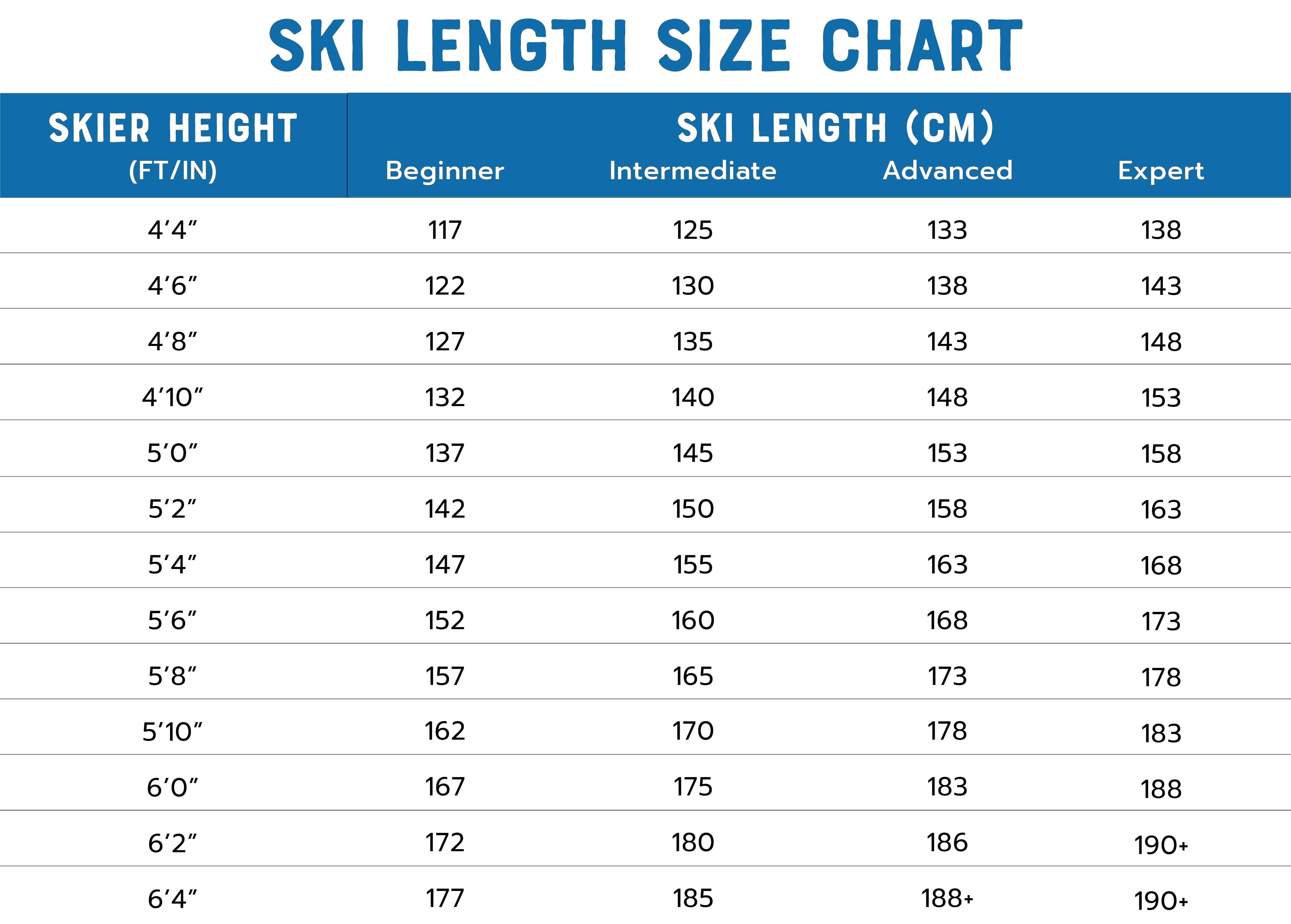
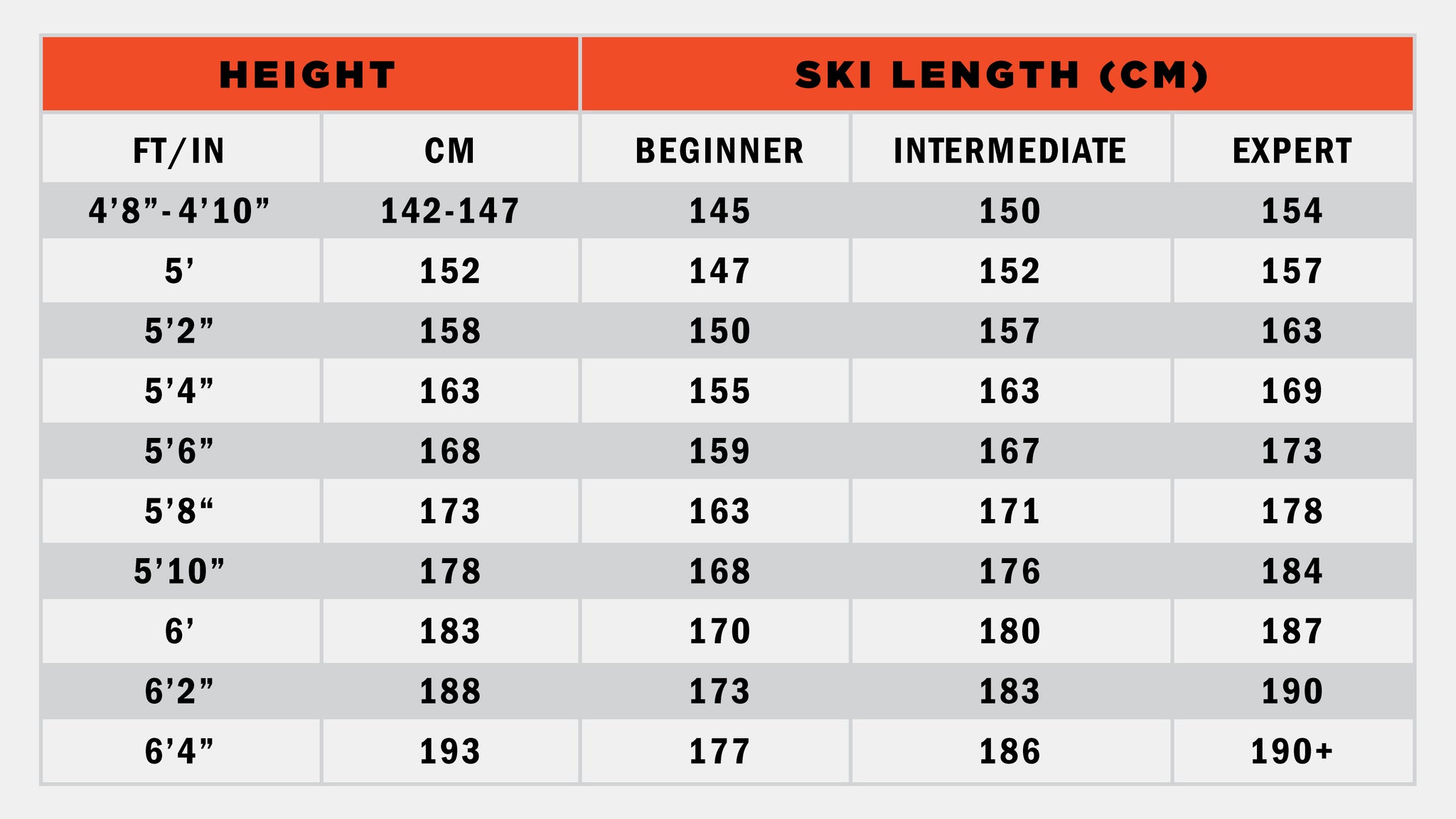
Ski sizing charts are your go-to tool for finding the perfect ski length. They provide a simple way to match your height, weight, and skill level with the right ski size. This chart is a handy reference, but it's important to understand how to use it accurately.
Key Details: Understanding the Chart
The ski size guide typically shows a range of heights and corresponding ski lengths. It often includes categories like beginner, intermediate, and advanced skiers. The units used are usually inches or centimeters, depending on the standard. For example, a common recommendation might be a ski length of 160-170 cm for a skier who is 170-180 cm tall. These charts are a great starting point, but they're not one-size-fits-all.
Reading and Applying the Chart: Step-by-Step
Here's a simple process to follow:
- Identify your height and skill level.
- Locate your height range on the chart.
- Choose a ski length within the recommended range.
- Consider your personal preference and adjust slightly if needed.
For instance, if you're an intermediate skier and the chart suggests 165-175 cm skis for your height, you might opt for 170 cm skis. Remember, this is a guide, so feel free to experiment within the suggested range.
Variations: Why Ski Sizing Charts Differ
Several factors can cause variations in ski size recommendations:
- Ski height to length ratio: This ratio can vary based on the type of skiing (e.g., alpine vs. cross-country).
- Ski size by ability: Advanced skiers often prefer longer skis, while beginners might find shorter ones more manageable.
- Ski size by weight: Heavier skiers might benefit from slightly longer skis for better float and stability.
- Manufacturer preferences: Different brands may have unique recommendations.
- Regional standards: Some charts might use metric units, while others use imperial.
Common Mistakes and How to Avoid Them
A few simple errors to watch out for:
- Assuming one chart fits all: Always check if the chart is relevant to your skill level and the type of skiing you plan to do.
- Ignoring personal preference: While the chart is a guide, your comfort and confidence are key. Don't be afraid to adjust within the recommended range.
- Relying solely on height: Skill level and weight also play a role, so consider all factors.
Practical Tips for Accurate Results
To ensure you get the best fit:
- Double-check the chart's units and ensure they match your measurements.
- If you're between sizes, consider your skill level and the type of skiing.
- When trying skis, take a few runs to get a feel for the length.
- Remember, the chart is a starting point, but your comfort and performance are the ultimate goals.
By understanding the ski sizing chart and its variations, you can make an informed decision and enjoy your skiing experience. Happy trails!
Well, there you have it! Finding the perfect ski size is an important step to ensure your comfort and safety on the slopes. Remember, while this guide provides a great starting point, it's always a good idea to consult with experts or try out different sizes to find your ideal fit.
Feel free to explore our other guides and resources to enhance your skiing experience. We've got plenty of tips and tricks to help you become a pro!
Related: Understand Chicos Size Charts Easily
Many folks assume that chicos size charts are a one-size-fits-all deal, but that's a common misconception. These charts are actually tailored to the brand's unique sizing system, which can vary from other standard measurements.
So, while it's a simple reference tool, understanding how to read and interpret chicos size charts accurately is key to getting the perfect fit. It's all about knowing your measurements and finding the right correlation on the chart.
Understanding the Chicos Size Chart
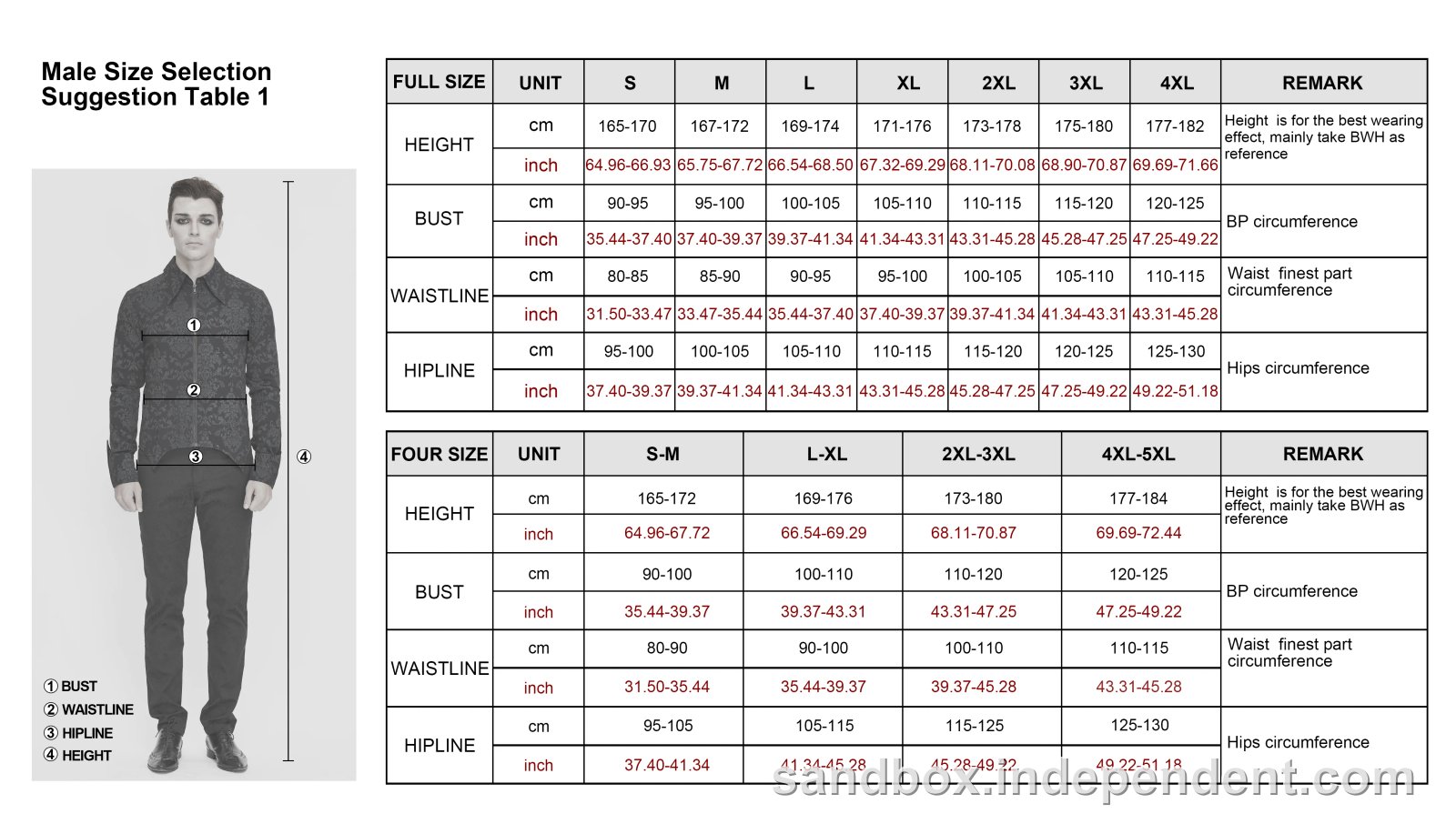
The chicos size chart is a handy tool to help you find your perfect fit when shopping for clothing. It provides a clear guide to the standard measurements used by Chicos, ensuring you can easily navigate their sizing system. This chart is a great reference, especially when shopping online, as it gives you an accurate idea of the sizes available and how they correspond to your own measurements.
Comparing Size Chart Standards
Chicos' size chart follows a standard format, typically based on US sizing, which is widely used in North America. This chart provides measurements for various body parts, including bust, waist, hips, and inseam, to ensure a precise fit. It's important to note that while US sizing is common, other regions may use different standards, such as metric or European sizing. So, if you're used to a different system, it's a good idea to double-check the specific measurements and conversions.
Measuring Yourself for Accurate Sizing
To use the chicos size chart effectively, you'll need to take some key measurements. Here's a step-by-step guide:
- Bust: Measure around the fullest part of your bust, keeping the tape measure parallel to the floor.
- Waist: Measure your natural waistline, usually just above the belly button.
- Hips: Find the widest part of your hips and measure around, ensuring the tape is level with the floor.
- Inseam: For pants and jeans, measure from your crotch to the desired pant length.
Once you have these measurements, you can refer to the size chart and find the closest match. The chart will provide a range of measurements for each size, so you can choose the one that best fits your body.
Common Misreadings and How to Avoid Them
One common mistake is assuming that all clothing brands use the same size standards. While Chicos' size chart is a great guide, it's always a good idea to check the specific brand's size guide, especially if you're a regular customer. Another pitfall is measuring yourself incorrectly. Ensure you're measuring the right body parts and following the guidelines accurately. Finally, don't forget that sizing can vary slightly between different styles and fabrics, so always check the product details for any specific size notes.
Hey there, we hope you found this guide helpful and that it's now easier to navigate the world of Chicos size charts. Remember, while we've covered the basics, exact details might differ slightly, so always double-check with the brand's guidelines or consult our other guides for more specific info.
Consider bookmarking this page for future reference; it's a handy tool to have at your fingertips when you need to quickly look up those size charts!
Related: Unraveling the Goku Family Chart
As you embark on your quest for a clear and concise Goku family chart, a visual guide to the intricate relationships within the Dragon Ball universe, you'll find a wealth of information at your fingertips. This chart, a comprehensive tool for fans and enthusiasts, offers a structured glimpse into the complex web of connections, providing a quick and reliable reference for those seeking to navigate the Saiyan genealogy. While the format may vary, with different versions offering unique insights, the core purpose remains: to unravel the warrior family history and present it in an accessible manner.
Understanding the Goku Family Chart
The Goku family chart is a visual representation of the intricate relationships and lineage within the iconic Dragon Ball franchise. It serves as a comprehensive guide, offering a clear overview of the extensive family tree of the Goku lineage. This chart is an essential tool for fans and enthusiasts, providing a structured way to navigate and understand the complex web of connections between characters.
Key Family Members and Notable Relations
When examining the Goku family chart, you'll encounter various categories and branches. The chart typically begins with the original saiyan warrior, Goku's grandfather, and then branches out to include his immediate family, such as his wife, Chi-Chi, and their children, Gohan and Goten. As you explore further, you'll discover extended family members, including Goku's father, Bardock, and his brother, Raditz. Each category represents a generation, with unique abilities and power levels that define the characters.
Power Levels Explained: A Step-by-Step Guide
Understanding the power dynamics within the Goku family chart is crucial. Here's a simple guide:
- Start by identifying the generation or category of the character you're interested in. This will give you a baseline understanding of their power level.
- Within each generation, characters may possess unique abilities or transformations that enhance their power. Take note of these, as they can significantly impact their overall strength.
- Compare characters across generations to grasp the evolutionary growth of power within the Goku lineage. This will help you appreciate the progression of strength and abilities over time.
- Remember, power levels can vary depending on the specific standards or formats used in the Dragon Ball universe. Always refer to the relevant sources or episodes for accurate representations.
Common Misreadings and How to Avoid Them
One common pitfall when interpreting the Goku family chart is assuming a direct correlation between power levels and family ties. While family members may share similar abilities, their individual power levels can vary significantly. It's essential to consider each character's unique journey and training to understand their true strength. Additionally, be cautious of generalizations; each character's power level may fluctuate based on various factors, including training, transformations, and even plot-specific enhancements.
Factors Affecting Accuracy and Real-World Application
The accuracy of the Goku family chart relies on several key factors. Firstly, it's important to note that the Dragon Ball franchise has evolved over time, with new characters, transformations, and power-ups introduced in different series and movies. Therefore, the chart must be regularly updated to reflect these changes accurately. Secondly, the chart's effectiveness depends on the reader's familiarity with the Dragon Ball universe. A basic understanding of the characters, their abilities, and the overall narrative is essential for a comprehensive interpretation. Finally, while the chart provides a structured overview, it's always beneficial to cross-reference with other sources, such as official guides or fan-curated databases, to ensure the most accurate and up-to-date information.
Remember, when working with the Goku family chart, it's essential to consider your unique situation and any specific requirements you may have. While this guide provides a solid foundation, variations can occur, so double-check the details that matter most to you.
Feel free to explore our other resources and guides; we've got plenty of practical information to help you navigate various topics. Take a look around and find the tools you need to stay organized and informed!